
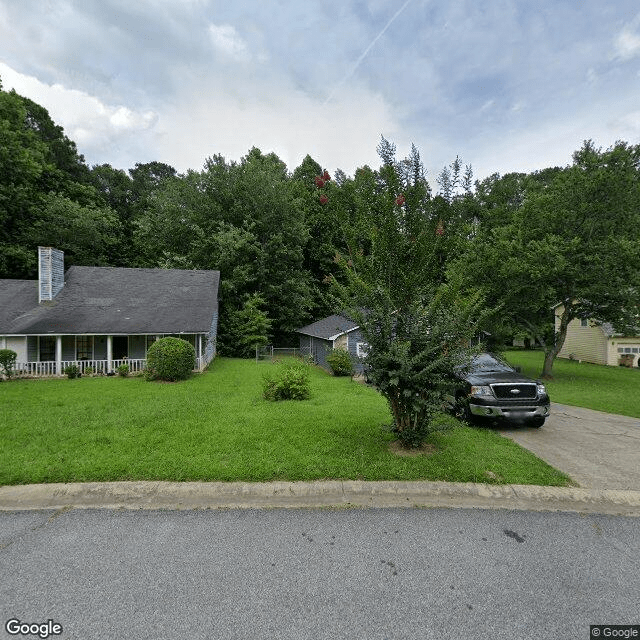
8412 Red Cedar Way, Riverdale, GA 30274
For more information about senior living options: (866) 208-4318
Shirley Home Away From Home I Costs & Pricing
At Shirley Home Away From Home I, the monthly cost for a private room stands at $1,800. This figure is notably lower than both the average rates in Clayton County, which is $2,449, and the broader state average of $2,864 in Georgia. This difference in pricing highlights Shirley Home Away From Home I as a more economical option for residents seeking quality care without compromising on comfort. Overall, it presents a compelling choice for families looking to balance affordability with access to supportive living environments.
| Floor plans | Shirley Home Away From Home I | Clayton County | Georgia |
|---|---|---|---|
| Private | $1,800 | $2,449 | $2,864 |
Assisted Living communities with a similar price nearby
-
About the same

G & M Personal Care Home
$1,800 to $2,500 / month24.4 miles away -
from -$300 / mo
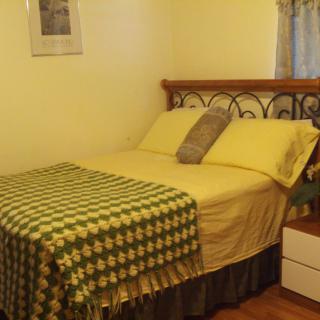
Lend A Hand Personal Care Home
$1,500 to $2,000 / month4.3 miles away -
from +$301 / mo

Brighton Gardens of Buckhead
$2,101 to $5,370 / month21.9 miles away -
from +$100 / mo
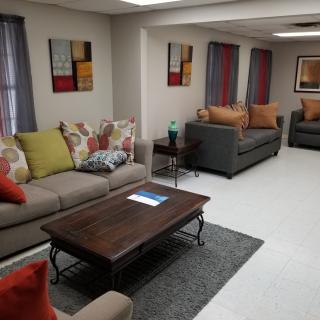
Masalon Personal Care Home
$1,900 / month20.6 miles away -
from +$200 / mo
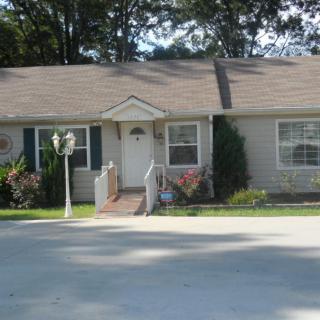
Highland Circle Personal Care Home
$2,000 to $2,500 / month24.3 miles away
Overall Review of Shirley Home Away From Home I
Pros
 Shirley provides great services.
- The services provided by Shirley are great.
Cons
 She is rude.
- Her facilities are nothing more than a source of income.
- The day center is nothing more than a room with tables.
- It is the worst job the reviewer has ever had.
- The staff are overworked and underpaid.
- Their lack of communication and disorganization is nothing compared to the way they treat the consumers.
- One cannot understand how she stays in business.
- One should never work for her, and should not leave loved ones in her care.
Review
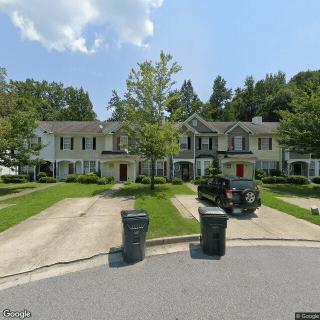
Shirley Home Away From Home I in Riverdale, GA is best suited for seniors who need a lean, budget-friendly daytime option rather than a full-service assisted living. This community presents itself as a simple, home-like setting where a loved one can spend part of the day and engage in a few basic activities. It works for families watching costs closely and seeking a straightforward place for daytime supervision and socialization, rather than a comprehensive care environment with medical oversight, formal care plans, or robust staff resources. The reality is a small operation that prioritizes affordability and a minimal program, which will feel adequate to some and insufficient to others depending on the level of daily support required.
Those weighing options should be explicit about their expectations for leadership, staffing, and day-to-day reliability. If steady, professional communication and predictable operations are nonnegotiable, this community may not deliver consistently. For seniors who require scheduled medication administration, mobility assistance, more intensive supervision, or continuous monitoring, it will be prudent to explore alternatives, particularly larger facilities or well-established chains that tend to offer more formalized protocols and steadier staffing. In short, this is not the go-to choice for complex care needs, and families with such requirements should treat this option as a possible supplement rather than a primary solution.
On the upside, a handful of residents have received appreciative feedback, and there are moments when service appears practical and meaningful. The positive signals imply that when leadership and staff align, basic tasks get done and social interaction can be offered in a friendly, uncomplicated way. The day program component can provide a modest structure for daytime hours and an accessible outlet for companionship, which can ease caregiver stress and give families a measure of reassurance. Yet these favorable notes are not uniformly realized, and they do not erase the core concerns about consistency, professionalism, and the overall reliability of care.
The principal fault line rests with management and the impact on daily experience. Descriptions of rude leadership, a perception of profit-driven practice, and dysfunctional communication create an undercurrent of instability. Reports of staff being overworked and underpaid point to higher turnover, gaps in information flow, and an atmosphere that may feel transactional rather than person-centered. For families, this translates into uncertainty about who is supervising a loved one on any given day, how needs are prioritized, and whether personal preferences will be respected with regularity. The risk isnā€™t merely inconvenience; it is a potential mismatch between expectations and actual caregiving consistency.
Before making a decision, conduct a thorough, reality-grounded assessment. Demand a candid tour during normal operating hours to observe genuine interactions and the day-center setup. Speak with the administrator or program director about policies, staffing norms, and how concerns are escalated and resolved. If possible, talk with current residents or their families about the reliability, responsiveness, and warmth of the staff. Clarify staffing ratios, training procedures, and how emergencies or medical needs are handled. Review the contract meticulously, fee structures, included services, and what triggers additional charges. When compared with viable alternatives that offer stronger governance, steadier staffing, and documented quality assurances, the choice becomes clearer: this community can work for a tightly budget-conscious plan or as a daytime support option for a well-mesioned daily routine, but only if the family accepts the potential for organizational variability.
 3 resident community capacity
 Assisted Living
 Board and Care Home
 Activities off-site
 Bath tubs
 Cable or satellite TV
 Devotional services off-site
 Dining room
 Fully furnished
 Garden
 Housekeeping services
 Indoor common areas
 Move-in coordination
 Outdoor common areas
 Private
 Respite or short term stays offered
 Telephone
 Wheelchair accessible showers
 Wi-Fi/high-speed internet available
 William B Hartsfield-Atlanta International (8 miles away)
 24-hour supervision
 Assistance with bathing
 Assistance with dressing
 Assistance with transfers
 Diabetes diet
 Diabetic care
 High acuity care
 Meal preparation and service
 Medication management
 Special dietary restrictions
 Transportation arrangement (medical)
 Transportation to doctors appointments



 Social Security Benefits and Assisted Living: Navigating Options Across the U.S.
 An Extensive Exploration of the VA Aid and Attendance Benefit
 Senior Transition Services: Understanding Their Role, Cost, and Importance