
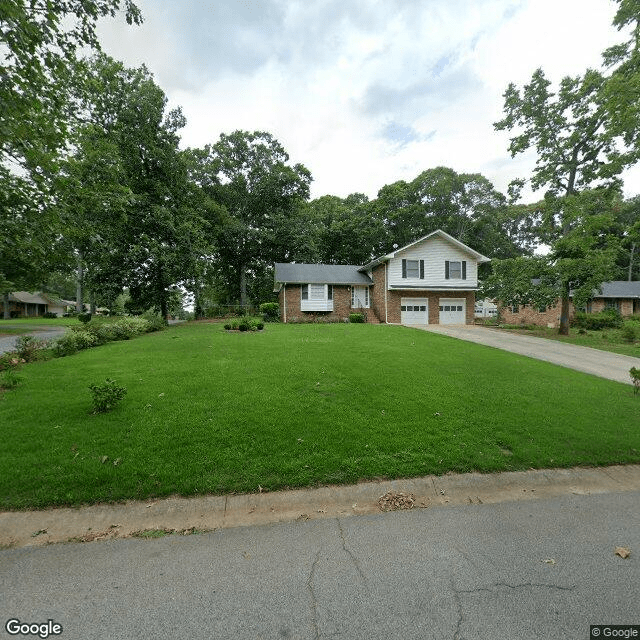
715 Trailwood Dr, Riverdale, GA 30274
To contact a resident: (770) 657-2988
For more information about senior living options: (866) 208-4318
Hertford Tendercare Personal Care Home Costs & Pricing
Hertford Tendercare Personal Care Home offers competitive pricing for its residents, with monthly costs significantly lower than both Clayton County and the state average in Georgia. For a semi-private room, the cost is $2,000, which is more affordable compared to Clayton County's rate of $2,164 and Georgia's average of $2,529. Similarly, the private room at Hertford Tendercare is priced at $2,500, again undercutting both the county's cost of $2,449 and the overall state average of $2,864. These rates not only reflect the home's commitment to providing quality care but also position it as an economically viable option for families seeking personal care support in a comfortable setting.
| Floor plans | Hertford Tendercare Personal Care Home | Clayton County | Georgia |
|---|---|---|---|
| Semi-Private | $2,000 | $2,164 | $2,529 |
| Private | $2,500 | $2,449 | $2,864 |
Senior living communities with a similar price nearby
-
from +$100 / mo
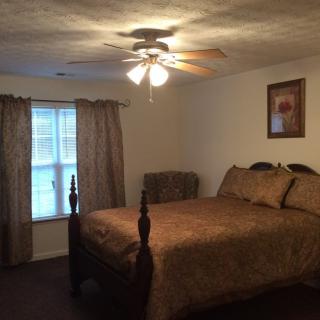
Abiding Care Home
$2,100 / month13.5 miles away -
from -$200 / mo
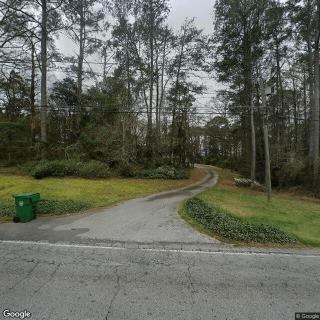
G & M Personal Care Home
$1,800 to $2,500 / month24.6 miles away -
About the same
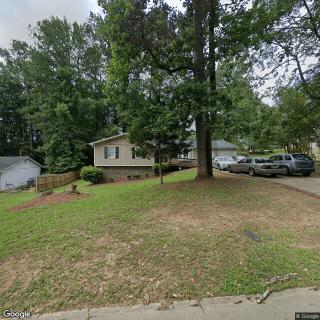
B&A Personal Care Home
$2,000 / month17.9 miles away -
from +$300 / mo
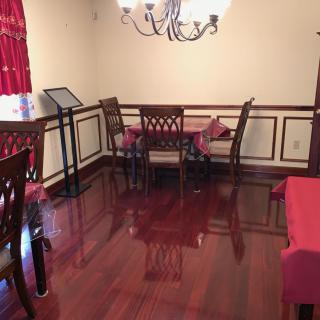
Dalia Precious Memories
$2,300 / month3.2 miles away -
from -$300 / mo

Rose's Premier Personal Care Home
$1,700 / month3.9 miles away
Overall Review of Hertford Tendercare Personal Care Home
Cons
 They threatened him with the police for an unannounced visit to see their father-in-law.
- The morning nurse is rude.
- They don’t like being questioned either.
- The place should be avoided.
Review
Hertford Tendercare Personal Care Home in Riverdale, GA is best suited for residents who want a compact, no-frills personal care setting and for families that can tolerate limited proactive staff engagement. The sole published review paints a troubling picture: unannounced visits provoked threats of police intervention, a morning nurse described as rude, and staff who resist being questioned. In practical terms, this signals a culture where oversight and open dialogue are not strongly encouraged, and where staff behavior may color every interaction with residents and families. For seniors who require steady, compassionate communication and responsive oversight, this facility is likely to fall short. Those who accept a more transactional, routine-focused environment, where concerns may be dismissed rather than addressed, could find it workable. Yet anyone who places a high value on respectful, collaborative care should view this option with caution and seek alternatives.
Who should consider alternatives? Families should look elsewhere if care needs go beyond basic supervision. Residents with complex medical needs, cognitive impairment, or mobility challenges requiring frequent staff intervention will want a setting with dependable, courteous staff and a clear policy for escalating concerns. Prospective residents who expect open, respectful communication and transparent problem-solving should demand a culture that welcomes questions and documents responses. The absence of such a culture in the review signals a mismatch for those who value dignity, advocacy, and predictable support. In short, this home may be reasonable for very low-demand care in a tightly managed setting, but it is not a reliable fit for families prioritizing safety, voice, and collaborative care planning.
Explain how the pros stack up against the cons. The review provides little in the way of concrete positives, yet a smaller, straightforward care environment can offer predictable routines and easier oversight if staffed consistently. If Hertford Tendercare truly maintains stable, attentive caregivers and a non-confrontational culture, those aspects could offset some tension from administrative missteps. However, the specific complaints, police involvement over unannounced visits, a rude morning nurse, and a reluctance to entertain questions, strongly undercut any potential benefit. Without corroborating evidence of well-trained staff, clear resident rights, and constructive channels for feedback, the alleged advantages fail to counterbalance the risk of hostile interactions. For families prioritizing safety and respectful communication, the cons clearly outweigh any suggestion of a quiet, low-key environment.
What to verify before deciding. Tour and interview the administrator directly, not just a salesperson, and insist on seeing the written grievance policy, resident rights, and a recent care plan. Ask how unannounced visits are handled and what safeguards exist to prevent confrontations between staff and families. Inquire about staff training in de-escalation, communication with loved ones, and how resident concerns are escalated to leadership. Observe during the tour: are residents treated with patience and warmth? Do staff listen when questions are raised, and do they provide clear, repeatable answers? Request data on staff turnover, incident reports, and medication management procedures. If answers feel guarded or defensive, treat that as a red flag. The absence of a cooperative, transparent posture is a strong signal to move toward options with verified commitments to quality, safety, and dignity.
Apply a practical decision framework. Compare Hertford Tendercare with at least two other providers in Riverdale or nearby cities, focusing on staff stability, resident satisfaction, and the facility’s track record with complaints. Price matters, but must be weighed against non-negotiables: respectful treatment, clear communication, and timely care. If tours reveal a culture of defensiveness or punitive responses to questions, deprioritize this option. Seek references from current families about day-to-day experience, response times, and how concerns are resolved. Do not rely on marketing claims; rely on observed interactions and documented policies. In the end, the choice should favor settings where residents feel safe, heard, and well-supported, with staff who view family input as a partner in care rather than an intrusion.
Bottom line. Based on the available feedback, Hertford Tendercare Personal Care Home warrants cautious consideration and should not be assumed suitable for anyone needing reliable, compassionate daytime and evening care. It is not the first choice for families demanding consistent staff courtesy, transparent problem-solving, and a constructive approach to resident concerns. Alternatives with demonstrated commitment to resident rights, professional staff conduct, and proactive management should be prioritized. If choosing this community, require concrete safeguards: guaranteed access to an administrator, a clear, enforceable care plan, and a formal process for documenting and addressing grievances. Without those safeguards, resident well-being and family trust are at meaningful risk. For decision-makers, the prudent path is to escalate the inquiry through careful comparisons, quiet diligence during visits, and a clear willingness to walk away if basic standards of care and respect cannot be demonstrated.
 Board and Care Home
 Activities off-site
 Bath tubs
 Indoor common areas
 Outdoor common areas
 Private
 Private bathrooms
 William B Hartsfield-Atlanta International (8 miles away)
 Ambulatory care
 Incontinence care
 Meals provided
 Small, personalized care with comprehensive services.


 Exploring the World of Home Health Nurses: Qualifications, Roles, and Hiring Tips
 Navigating Medicare Coverage for In-Home Care Services
 In-Home Care Costs in 2025: A Detailed State-by-State Exploration