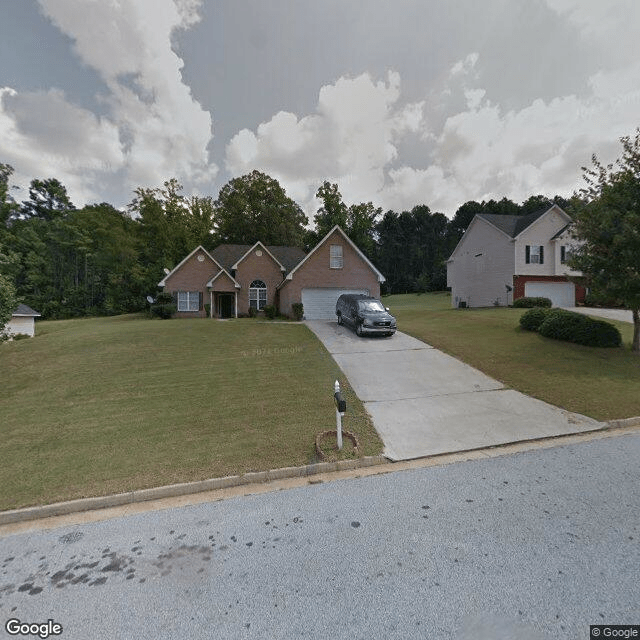
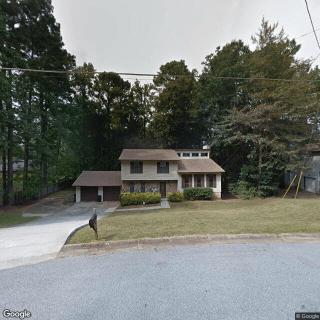
4100 Bosenberry Way, Ellenwood, GA 30294
To contact a resident: (404) 213-9332
For more information about senior living options: (866) 208-4318
Abiding Care Home Costs & Pricing
Abiding Care Home offers competitive pricing for its private room accommodations, with a monthly cost of $2,100. This rate is notably lower than the average for Rockdale County, where residents can expect to pay around $2,363 monthly for similar housing. When compared to the state average across Georgia, which stands at approximately $2,864, Abiding Care Home presents a more affordable
| Floor plans | Abiding Care Home | Rockdale County | Georgia |
|---|---|---|---|
| Private | $2,100 | $2,363 | $2,864 |
Memory care communities with a similar price nearby
-
from +$400 / mo

A & C Personal Care Home
$2,500 to $4,000 / month11.3 miles away -
from +$200 / mo
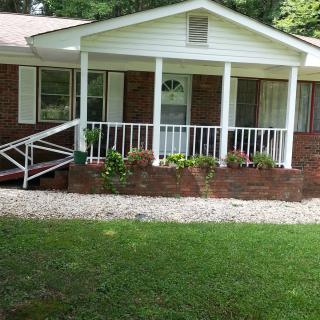
Comfort Care Personal Care Home
$2,300 / month13.7 miles away -
About the same

Brighton Gardens of Buckhead
$2,101 to $5,370 / month14.3 miles away -
from -$300 / mo

Villa Palazzo Senior Living Community
$1,800 to $3,850 / month23.6 miles away -
from +$70 / mo

Arbor Terrace at Cascade
$2,170 to $6,975 / month16.1 miles away
Overall Review of Abiding Care Home
Pros
 Residents are grateful for the care and support they receive.
- The staff are wonderful in assisting with daily tasks and physical therapy, and the meals are excellent.
- Ms. Gloria and her team ensure every resident is cared for, and their dedication makes the community feel like home.
- The staff are loving, making the home feel like the right place for loved ones.
- The owner and staff are attentive and compassionate, giving families peace of mind about their loved ones.
- Gloria and her staff are exceptional caregivers; the facility is clean and spacious, supporting quality care.
- Gloria and her team have been angels, nursing loved ones back to health with warmth and dedication.
- Allegiance is described as one of the best personal care homes in Atlanta, with Gloria making families feel comfortable and welcome.
Review
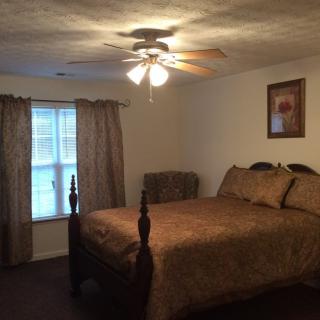
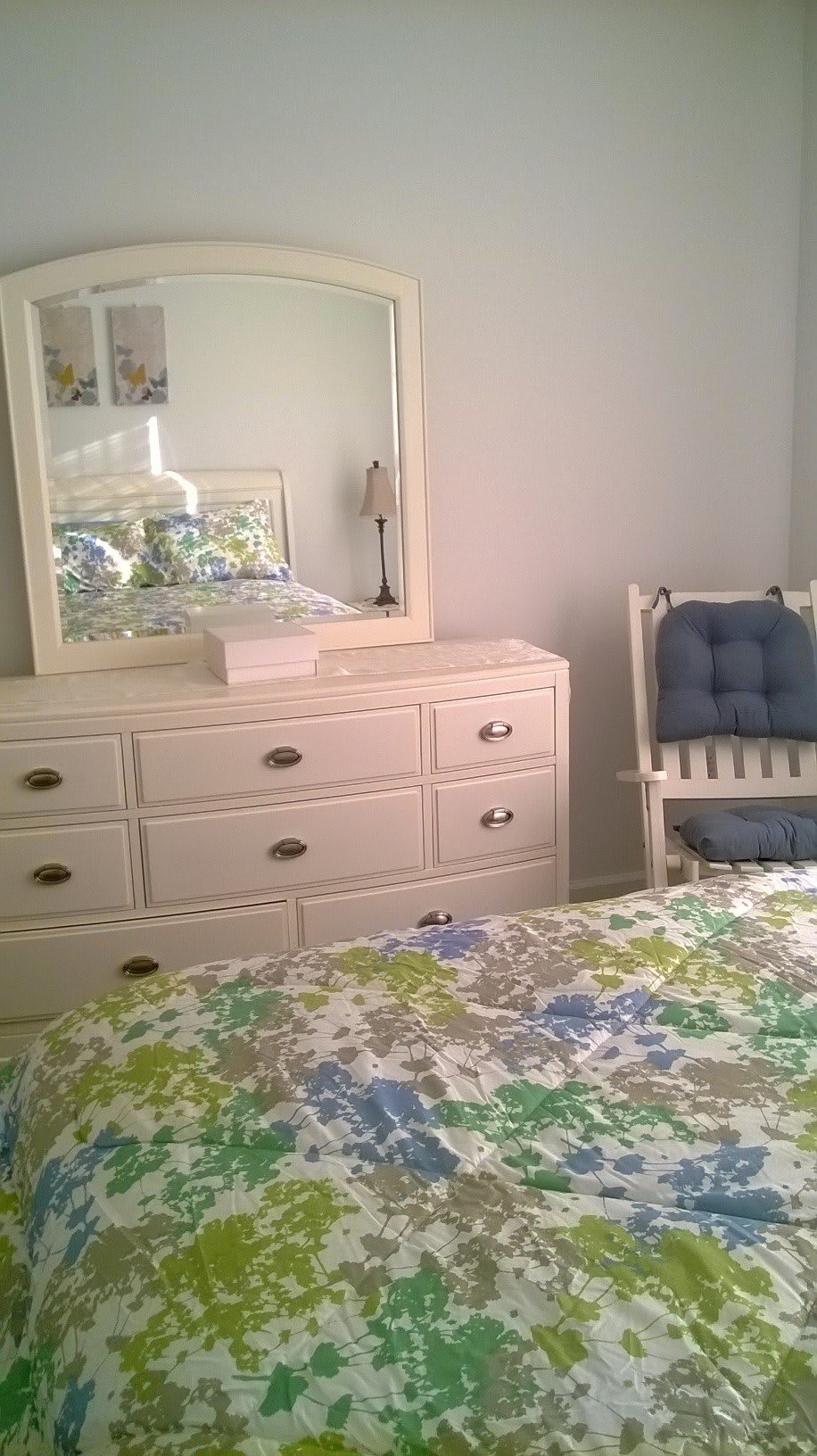
This community is best suited for families seeking a warm, intimate, hands-on care environment where seniors receive daily support, meaningful companionship, and a true home feel. It is especially well-matched for older adults who value personal attention from attentive caregivers, want help with daily tasks and rehabilitation, and prefer a setting that emphasizes warmth over clinical formality. Residents who thrive in smaller, home-like atmospheres, where staff learn names, routines, and preferences, will likely feel at ease quickly. The experience described centers on personal connections, consistent staff presence, and a kitchen-table sense of care that minimizes the sense of being institutionalized.
Those who should consider alternatives are families facing higher-acuity medical needs or complex clinical requirements that require robust, on-site physician oversight, 24/7 skilled nursing, or hospital-level equipment. If a loved one requires extensive IV therapies, frequent wound care, or highly specialized memory-care programming with rigorous clinical oversight, a larger center with formal medical staffing may be more appropriate. Similarly, if predictable, regimented routines and broader activity schedules managed by larger teams are a priority, exploring other options could yield a better fit.
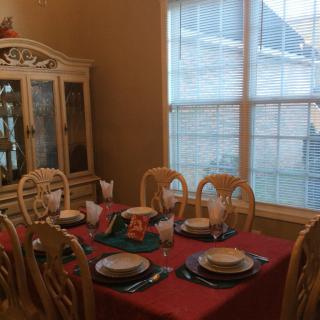
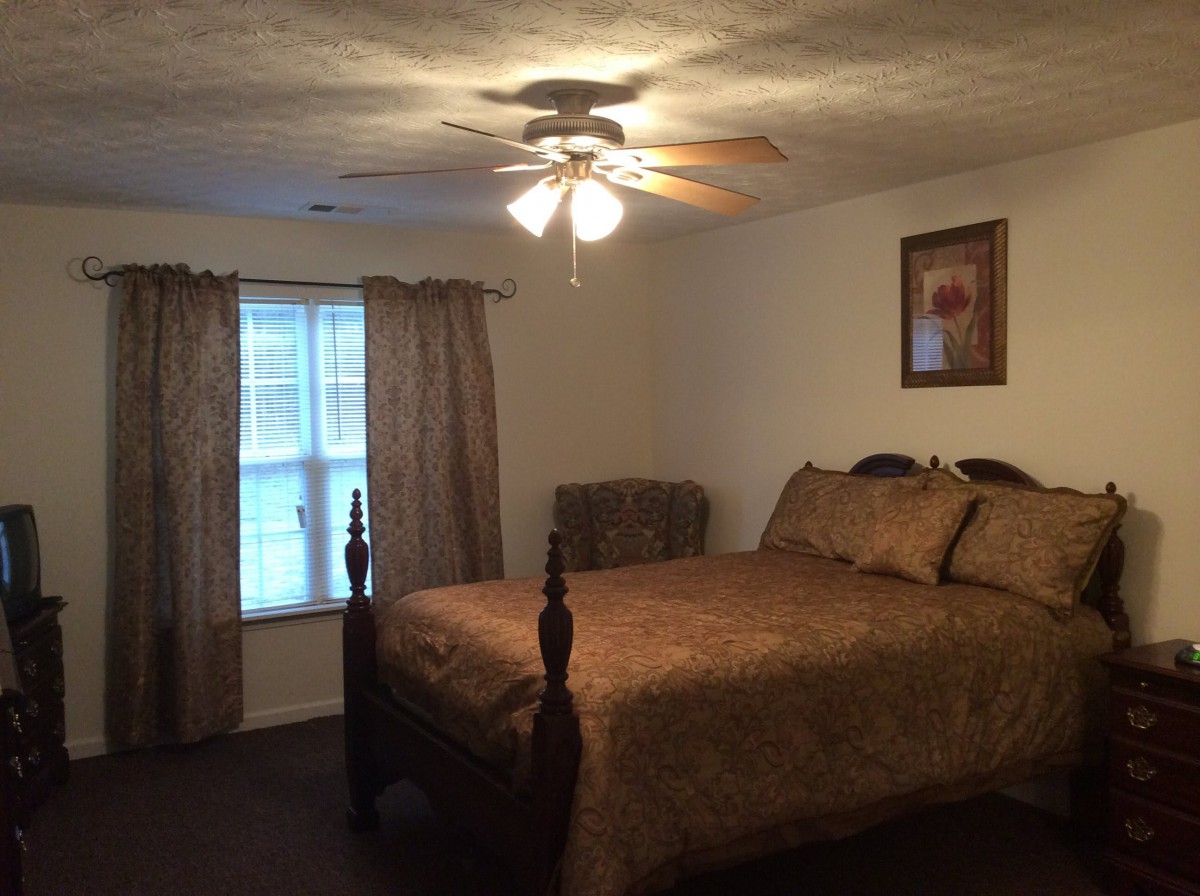
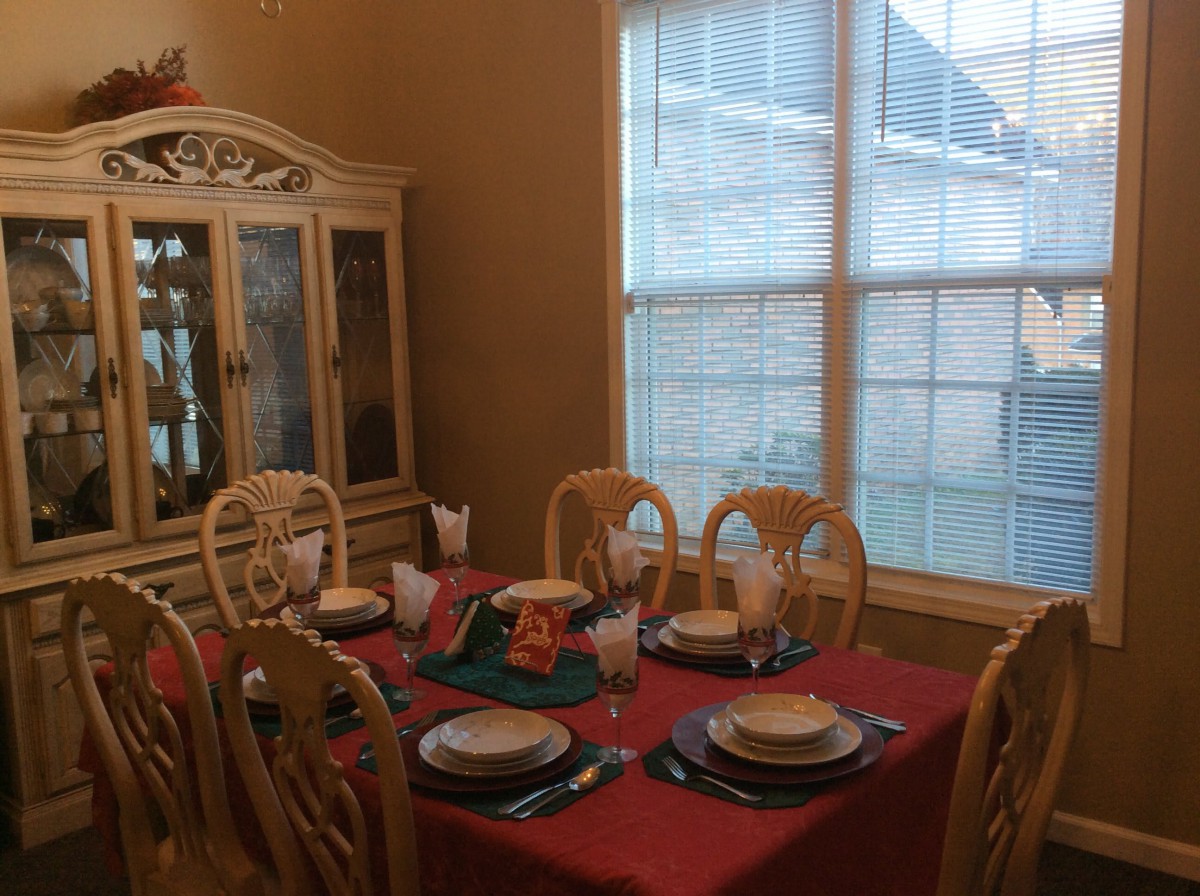
The strongest pros in these reviews point to extraordinary staff engagement and leadership, particularly a caregiver-led culture that feels more like a family than a facility. The devoted attention of Gloria and her team is repeatedly highlighted as the differentiator, quietly effective hands-on care, proactive communication with families, and a genuine willingness to advocate beyond the walls of the home. Residents consistently praise the atmosphere as clean, welcoming, and safe, with spacious rooms and high-quality meals that contribute to a sense of normalcy and dignity. This level of warmth translates into tangible benefits for recovery, daily living, and mood.
Because no significant drawbacks surface in the narratives, the perceived cons are more about potential gaps that families should verify rather than explicit failures. The inherent trade-off in a smaller, person-centered home is often less visible clinical infrastructure and potentially limited capacity for round-the-clock hospital-style coverage. Families should confirm the availability of on-call medical support, the cadence of on-site therapies, and how emergencies are managed. With the right checks, clear care plans, regular physician involvement, and transparent cost structures, these caveats tend to dissolve into manageable realities.
Where the pros intersect with these potential gaps is precisely where peace of mind comes from. The reviews repeatedly stress that staff go “above and beyond,” that outside care teams are kept engaged, and that the environment supports healing and dignity rather than anxiety. The home-like setting, paired with clean, well-maintained spaces and the sense that staff know residents’ histories and preferences, helps offset the absence of large-scale medical resources. For families prioritizing relationship-based care, advocacy, and a calm, nurturing daily life, the offset is substantial and practical.
For decision-making, approach this option with a focused due diligence plan. Schedule a comprehensive tour and requests for recent references from families with similar needs. Probe staff-to-resident ratios, the availability and timeliness of physical therapy and other therapies, and the consistency of caregiving teams. Verify meal quality, room configurations, and the degrees of personalization possible in daily routines. Ask about the process for integrating outside medical providers, emergency protocols, and cost inclusions or restrictions. If these align with the loved one’s needs, this community becomes a compelling, low-stress solution that delivers steady, compassionate care in a truly home-like setting.
 Board and Care Home
 Memory Care
 Activities off-site
 Bath tubs
 Beautician on-site
 Devotional services off-site
 Indoor common areas
 Outdoor common areas
 Private
 Private bathrooms
 Respite or short term stays offered
 William B Hartsfield-Atlanta International (11 miles away)
 Ambulatory care
 Diabetic care
 Incontinence care
 Medication management
 Meals provided

 Assisted Living and Memory Care: Understanding Their Core Differences
 Choosing the Right Senior Care: A Detailed Exploration of Assisted Living and Nursing Homes
 Safeguarding Your Memory Through the Golden Years: Eight Ways to Preserve Cognitive Health