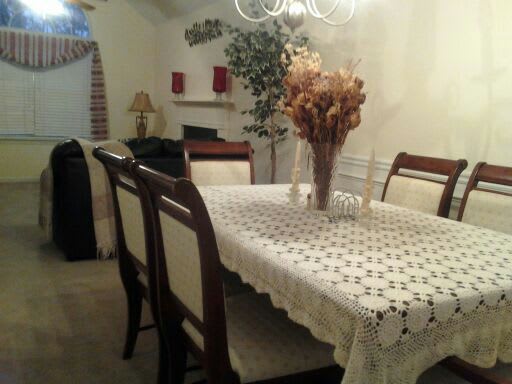
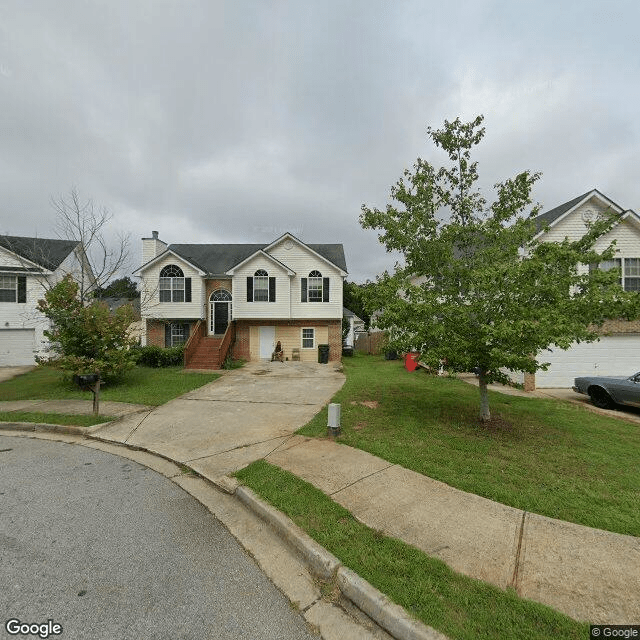
2420 Wood Bend Lane, Riverdale, GA 30296
To contact a resident: (678) 593-5083
For more information about senior living options: (866) 208-4318
Rose's Premier Personal Care Home Costs & Pricing
Rose's Premier Personal Care Home offers a competitive monthly rate of $1,700 for a private room, significantly lower than the average costs in Fulton County, which stands at $3,203, and the broader state average of $2,864. This cost-effectiveness positions Rose's as an appealing option for families seeking quality personal care without the financial burden typically associated with similar facilities. By providing these services at a more accessible price point, Rose's Premier Personal Care Home not only prioritizes residents' well-being but also ensures that high-quality care remains attainable for a wider range of individuals in the community.
| Floor plans | Rose's Premier Personal Care Home | Fulton County | Georgia |
|---|---|---|---|
| Private | $1,700 | $3,203 | $2,864 |
Senior living communities with a similar price nearby
-
from -$200 / mo
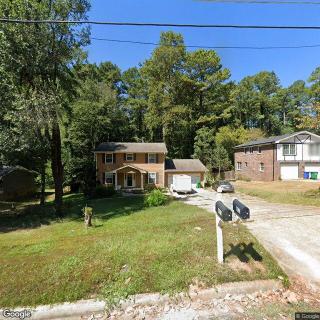
Americare Group
$1,500 / month20.9 miles away -
from +$300 / mo
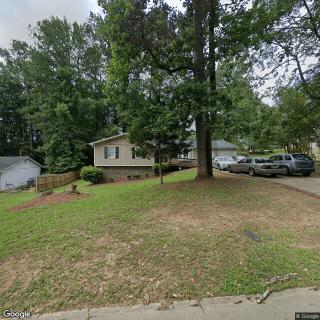
B&A Personal Care Home
$2,000 / month19.8 miles away -
from -$200 / mo
Lend A Hand Personal Care Home
$1,500 to $2,000 / month6.5 miles away -
from -$200 / mo
Ivy Spring Retirment Cottage
$1,500 / month22.3 miles away -
from +$100 / mo

Fern's Tender Loving Care Home
$1,800 / month17.0 miles away
Overall Review of Rose's Premier Personal Care Home
Pros
 The staff are loving and caring, treating every resident as family.
- Mrs. Sofia is dedicated and always there to care for her patients, with a sparkling clean home.
- The owner works on-site, demonstrating personal commitment to the residents.
- Dalia Precious Memories is considered the best choice for caring for loved ones.
- Sophie is amazing, with love and care described as outstanding.
- The care home provides home-cooked meals, a warm and loving environment, timely medications, and an awesome staff.
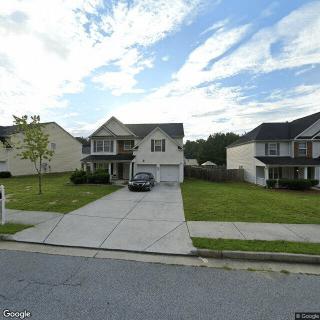
- The facility feels like home, with bright, cheery rooms and a spacious, inviting house.
- The staff are patient, compassionate, and engage residents with activities, keeping them happy.
- Long-term residents are happy and often don’t want to leave.
Cons
 detected. The provided reviews are all positive in tone.
Review
This Riverdale community is best suited for families seeking a warm, home–like setting where care is deeply personal and led by a director who treats residents as family. The reviews consistently describe a house that feels more like a residence than a facility: bright, cheery rooms, clean surroundings, and a spacious, inviting ambiance that settles seniors into a comfortable routine. For residents who value daily compassion, steady caregiver presence, and authentic warmth, this environment offers a practical, low-key home atmosphere that reduces the clinical distance many fear in care settings.
Those who should consider alternatives are seniors with higher medical or rehabilitation needs, or those requiring specialized memory-care programs. The intimate scale of a personal-care home can translate to fewer on-site medical specialists and fewer formal, campus-wide services than larger assisted-living campuses. Families looking for robust, on-site nursing supervision, extensive therapy options, or dementia-focused programming may find the footprint of a smaller home limiting. If budget is less of a concern but medical complexity is high, it’s wise to compare with facilities that provide broader clinical oversight.
The strongest upside centers on extraordinary caregiver dedication and hands-on leadership. The director is repeatedly praised for being present, attentive, and genuinely committed to each resident’s well-being. This firsthand leadership translates into timely medications, thoughtful daily routines, and an engaging social life that keeps residents connected. Cleanliness and home-cooked meals consistently appear as standout benefits, reinforcing a sense of safety and comfort. The staff’s patient, loving approach is not peripheral but core, shaping an atmosphere where residents feel seen, valued, and at home.
There is a natural trade-off in a smaller setting: fewer formal resources and a tighter staffing net can constrain what is possible at the extremes of medical complexity. Yet the reviews show that the intimate model often offsets these concerns through swift responsiveness, personalized care plans, and flexible scheduling. Residents tend to experience meaningful engagement, arts and crafts, games, gardening, and regular social events, that mitigate boredom and isolation. In short, the deep, ongoing relationships with a motivated team tend to compensate for a less expansive service catalog.
To make the most informed visit, prospective families should verify practical details that underpin the positives described. Inquire about staff-to-resident ratios and who handles medications, especially during shift changes; ask how emergencies are managed and what medical oversight is readily available on-site; confirm the availability of dementia- or memory-care programming if needed. Review menus and meal times to ensure nutritional variety and accommodations for dietary restrictions. Tour several rooms to gauge comfort and natural light, and ask about daily activity calendars, outdoor time, and resident engagement opportunities. Finally, request references, inspect licensing records, and obtain a clear itemized price structure that explains what is included and what may incur extra costs.
Bottom line: for families prioritizing a genuine, home-forward experience with a compassionate, highly engaged staff, this community stands out as a compelling option. The combination of a loving director, patient caregivers, spotless upkeep, and lively but intimate programming creates a practical, reassuring home for many seniors. If those values align with the loved one’s needs, scheduling a visit sooner rather than later is advisable. For residents whose needs demand broader medical services or dementia-specific infrastructure, keep alternatives in the mix and assess how well each option meets critical care requirements before making a final commitment.
 Board and Care Home
 Activities off-site
 Bath tubs
 Beautician on-site
 Devotional services off-site
 Indoor common areas
 Outdoor common areas
 Private
 Private bathrooms
 Respite or short term stays offered
 William B Hartsfield-Atlanta International (6 miles away)
 Ambulatory care
 Incontinence care
 Medication management
 Meals provided

 6 Crucial Ways an Elder Law Attorney Assists Families
 Navigating the Tax Landscape of Caregiving: Credits, Deductions, and Beyond
 Highly Beneficial Low-Impact Exercises for Senior Living Residents