
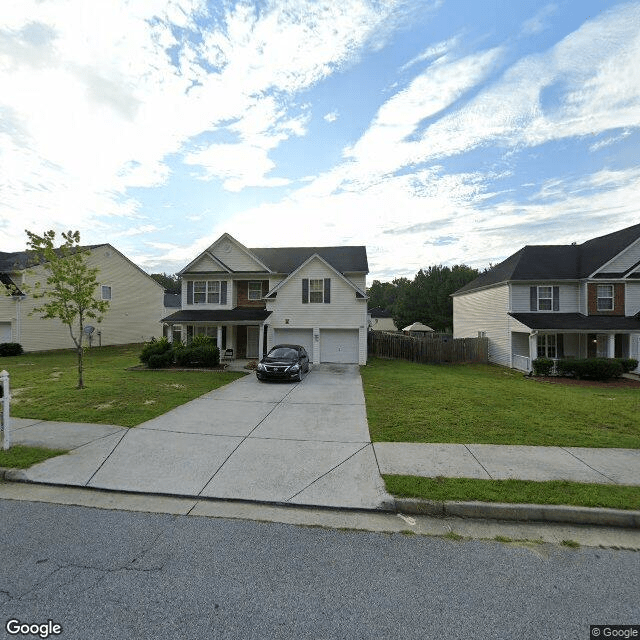
7192 Walton Hill, Fairburn, GA 30213
To contact a resident: (404) 492-2871
For more information about senior living options: (866) 208-4318
Caring Hearts PCH Costs & Pricing
Caring Hearts Personal Care Home offers competitive pricing for its services compared to both Fulton County and the broader state of Georgia. For semi-private accommodations, Caring Hearts charges $1,000 per month, which is significantly lower than the county average of $2,883 and the state average of $2,529. Similarly, for private rooms, the monthly cost at Caring Hearts is $1,300, again favorably positioned against Fulton County's average of $3,203 and Georgia's average of $2,864. These attractive rates not only make Caring Hearts PCH a financially appealing option for families seeking personal care services but also highlight the home's commitment to accessibility and quality care within the community.
| Floor plans | Caring Hearts PCH | Fulton County | Georgia |
|---|---|---|---|
| Semi-Private | $1,000 | $2,883 | $2,529 |
| Private | $1,300 | $3,203 | $2,864 |
Senior living communities with a similar price nearby
-
from +$170 / mo
The Doctor's Retreat
$1,170 to $1,500 / month24.1 miles away -
from -$150 / mo
Divine Touch Personal Care Home
$850 to $1,850 / month23.9 miles away -
from +$116 / mo
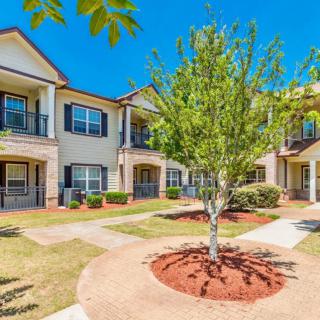
Parkland Manor
$1,116 to $1,339 / month21.8 miles away -
from +$49 / mo
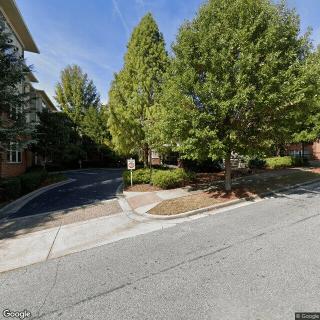
Columbia Heritage
$1,049 / month16.3 miles away -
from -$127 / mo

Legacy at Walton Lakes
$873 to $1,143 / month7.5 miles away
Overall Review of Caring Hearts PCH
Pros
 They are absolutely amazing, with unmatched love and compassion, and Loria is deeply appreciated.
- Their attention to detail and customer service are outstanding, and Loria is a rare find.
- Caring Hearts has provided an amazing three-year experience, with kind, dependable providers who come through for last-minute needs.
- They are excellent, on time, polite, and respectful, making clients feel like number one.
- Caring Hearts of Georgia offers a very positive experience; Loria is always available, attentive, and quick to respond.
- They provide great service and truly care for clients' loved ones.
- Loria is very helpful and educated, and the experience is enjoyable.
- The CPR class led by Loria is very personal, detailed, and highly recommended.
Review
Caring Hearts PCH in Fairburn, GA is best suited for families seeking deeply personal, in-home care for an aging loved one, delivered with constant warmth and hands-on attention from a small, relationship-focused team. The model centers on a highly engaged caregiver experience, with Loria oftenfront and center in coordinating care, communicating with families, and ensuring that the person receiving care remains connected, supported, and comfortable in familiar surroundings. The stories from families who have used the service for years emphasize reliability, responsiveness, and a level of compassionate presence that larger agencies often struggle to match. This is not a sterile, institutional setting; it is a touchpoint-driven care approach designed to keep loved ones feeling seen and safe at home.
There are clear alternatives families may want to consider. If the priority is a traditional assisted living community with on-site housing, formal 24/7 medical supervision, and structured memory-care programming, a larger facility may be a better fit. For those whose needs include a high level of medical complexity, highly regulated clinical oversight, or a built-in community with constant staff availability, a traditional facility may offer the predictability and environment they require. The Caring Hearts model excels at personalization and accessibility, but it does not replicate a full-service campus with shared accommodations and formal campus programming.
The strongest pros here are the human-to-human elements: remarkable compassion, dependable responsiveness, and a proven ability to adapt to family needs. Families repeatedly highlight how caregivers “love on” their loved ones, how requests, sometimes urgent or last-minute, are met with courtesy and efficiency, and how Loria remains available to guide decisions and respond to concerns. The result is a care experience that reduces family anxiety, builds trust, and creates a sense of safety that comes from knowing a capable person is always within reach. This level of attentiveness can offset the lack of a traditional facility by delivering consistent, personalized attention that many seniors struggle to find in larger systems.
Another set of strong points centers on engagement and practical support. Caregivers interact directly with the elder, talk to them, and keep them stimulated, with activities that extend beyond basic daily tasks. In the records shared by families, aides assist with physical therapy exercises, participate in special events, and help integrate care into the elder’s daily routine in meaningful ways. The emphasis on direct communication with family members, plus the availability of specialized instruction (the CPR/First Aid training noted as a standout by multiple reviewers), signals a level of professional competence that adds reassurance for loved ones concerned about safety and skills. Longstanding involvement, three years of service in some cases, further strengthens the sense of continuity and trust.
A practical reader will want to weigh the inherent trade-offs. The care model relies on a core relationship, especially with Loria, and this can be tremendously stabilizing, but it also means continuity hinges on that person’s ongoing availability and capacity to manage multiple clients. The reviews show exceptional performance, yet any plan that emphasizes a single or small team for day-to-day care benefits from a clear backup structure, transparent substitution policies, and documented care plans. Families should confirm who covers shifts when a primary caregiver is unavailable, how emergencies are handled, and how care plans are updated as needs evolve. The good news from the feedback is that communication is a strength, which should help families navigate these questions with confidence.
In the end, Caring Hearts PCH stands out for families seeking genuine warmth, meticulous attention to detail, and a caregiving relationship that feels personal rather than procedural. It is especially compelling for seniors who thrive with a caregiver who chats with them, keeps them engaged, and coordinates closely with family members to ensure comfort, safety, and continuity. Those whose priorities include staying at home, enjoying flexible scheduling, and receiving highly responsive service will find this option hard to beat in the Fairburn area. For families prioritizing a traditional living environment with built-in 24/7 medical oversight or a formal memory-care setting, alternatives that offer an on-site campus and standardized programming may be a more fitting match. The choice comes down to whether the priority is home-based intimacy and responsiveness or a more structured facility experience.
 Board and Care Home
 Private
 William B Hartsfield-Atlanta International (7 miles away)
 Top Canine Companions for Older Adults
 Comprehensive Guide to Blood Pressure Charts for Older Adults: Understanding Normal and High Readings by Age
 Financing Long-Term Nursing Home Care Through Social Security: A Thorough Exploration