

102 Level Creek Road, Buford, GA 30518
To contact a resident: (770) 271-8723
For more information about senior living options: (866) 208-4318
Savannah Plantation Inc Costs & Pricing
Savannah Plantation Inc offers a semi-private room at a competitive rate of $1,850 per month, which is significantly lower than the average costs found in Hall County and across the state of Georgia. In Hall County, similar accommodations cost approximately $2,742, while the statewide average stands at around $2,529. This pricing positions Savannah Plantation Inc as an attractive option for those seeking quality care without the financial burden typically associated with assisted living facilities in the region. Such affordability may appeal to families looking for reliable support while maintaining budgetary considerations.
| Floor plans | Savannah Plantation Inc | Hall County | Georgia |
|---|---|---|---|
| Semi-Private | $1,850 | $2,742 | $2,529 |
Memory care communities with a similar price nearby
-
from +$150 / mo

Omni Adult Day Care
$2,000 to $3,000 / month14.8 miles away -
from -$350 / mo
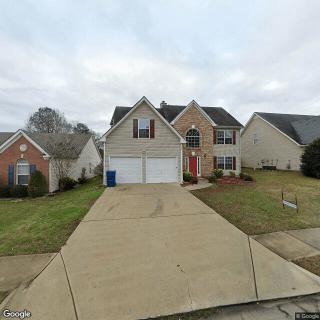
Harmony Home Care
$1,500 to $2,100 / month18.1 miles away -
from +$350 / mo
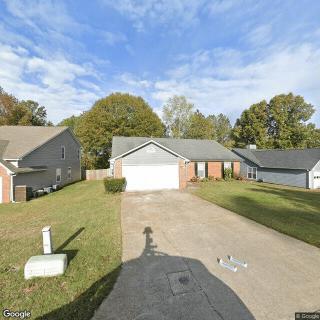
Lia's Personal Care Home
$2,200 to $2,500 / month4.9 miles away -
from +$350 / mo
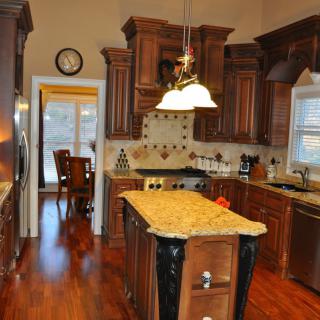
Angels Garden Senior Communities
$2,200 to $2,600 / month9.9 miles away -
from +$251 / mo
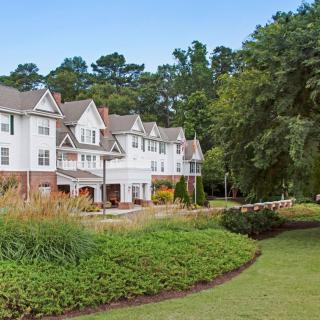
Brighton Gardens of Buckhead
$2,101 to $5,370 / month23.9 miles away
Overall Review of Savannah Plantation Inc
Pros
 The nurses cared for residents as if they were family.
- The facility is beautiful, clean, and welcoming.
- The staff and owner are very caring and good with the residents in a small-scale setting.
- The care is exceptional.
- The nurses are wonderful and better than those at large facilities.
- The tour was amazing.
- The property is massive and includes a beauty/barbershop and a pool.
- The director treats residents as if they were his own family.
Cons
 The reviewer described the facility as horrible.
- The price was more than the SS + VA maximum.
Review
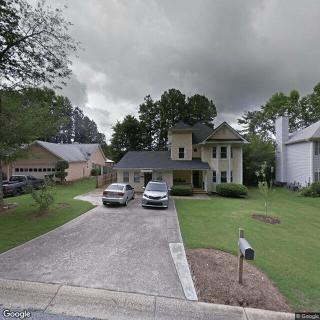
Savannah Plantation Inc in Buford, GA is best suited for families seeking a small, home-like assisted living experience, particularly for women who want intimate attention over the sprawling, corporate campus feel. With roughly 15 residents, the setting operates like a family-owned residence where the owner and nursing staff personalize care and routines. The environment emphasizes dignity, comfort, and daily life that mirrors a well-run home: clean, well-kept grounds, a barbershop on-site, a pool, and a calm pace that supports meaningful, one-on-one interactions. This is not a place for those chasing a large social scene or a wide slate of clinical services; it is for families prioritizing relationships, predictability, and a resident-centric approach.
Who should consider alternatives? Families that want a co-ed community or a larger facility with more diversified social programming and a broader medical footprint may find Savannah Plantation limiting. The women-only model, while intimate, reduces peer diversity and can feel restrictive for a spouse or caregiver seeking mixed-gender companionship or more extensive activity options. Distance is another practical hurdle; one family noted the commute, about 45 minutes, could complicate frequent visits or rapid response in emergencies. Price sensitivity also matters; at least one report places all-inclusive pricing around a notable monthly figure for a shared room, a factor to weigh against the level of customization and personal attention offered.
The core strengths clearly offset many potential downsides. The small scale translates into consistently attentive care, with staff described as loving and devoted, nurses who treat residents like family and an ownership team that remains actively involved. Families repeatedly report that residents are not rushed and that companionship is readily available when needed, day or night. The setting itself reinforces this care: a residence that feels tidy and spacious, with transparent licensing and posted menus and activity schedules that reassure families about governance and daily life. The combination of a personalized touch and a safe, well-maintained physical environment makes up for the lack of showroom-scale amenities found in larger facilities.
Nevertheless, the main drawbacks are tangible for some. The intimate, single-household model means fewer peers for social activity and a narrower pool of staff to rely on during peak times. A strongly negative review exists, signaling that experiences can diverge; this underscores the importance of a thorough, on-site visit and clear expectations about care standards, turnaround, and communication. The shared-room arrangement, plus the realities of climbing stairs with a chair lift, can feel restrictive for families seeking more private space or easier accessibility, and the women-only dimension may not align with every loved one’s social or emotional needs. Distance from home compounds these considerations when evaluating risk management and contingency planning.
For families actively evaluating Savannah Plantation, approach each tour with a sharp checklist. Probe how the staff handles sleep disruptions, caregiving coverage after hours, and the specifics of what “more services than corporate ALFs” actually delivers in nursing oversight, therapy, and daily activities. Request current resident references and review posted licenses and inspection results to corroborate the quality narrative. Clarify what is included in the all-inclusive rate, what incurs extra charges, and how private room options would alter the math. Finally, assess the resident mix, daily rhythm, and accessibility features to ensure alignment with the loved one’s preferences, medical needs, and personality.
In practical terms, Savannah Plantation shines for families prioritizing a small, homelike, women-only setting where residents are treated as family and cared for with warmth and attentiveness. The trade-offs center on its intimate scale, limited co-residence options, and the travel time required for regular visits. Those seeking a larger, mixed-gender community with a broader activity calendar should consider alternatives. For the right fit, an intimate, personal environment with flexible routines and a clearly caring staff, the Buford facility stands out as a credible, well-regarded option that delivers genuine peace of mind for families prioritizing relational care and a home-like atmosphere.
 Board and Care Home
 Memory Care
 Activities on-site
 Bath tubs
 Beautician on-site
 Devotional services on-site
 Indoor common areas
 Outdoor common areas
 Private bathrooms
 Respite or short term stays offered
 Swimming pool / hot tub
 Ambulatory care
 Diabetic care
 High acuity care
 Incontinence care
 Medication management
 Meals provided



 When Dementia Sparks Anger and Aggression: Understanding the Connection and Ways to Cope
 Dementia Behaviors: In-Depth Understanding and Effective Coping Strategies
 5 Early Indicators of Dementia and What You Can Do