
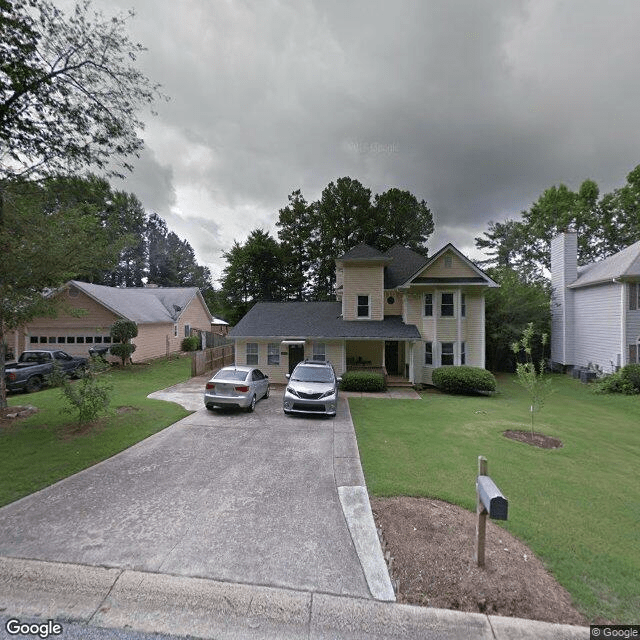
4780 Parkview Mine Drive, Sugar Hill, GA 30518
For more information about senior living options: (866) 208-4318
Driving Mrs Daisy Costs & Pricing
Driving Mrs. Daisy positions itself as a premium service for those seeking assisted living, with monthly costs reflecting this commitment to quality care and personalized attention. For a semi-private room, the fee is $3,200, which is notably higher than Hall County's average of $2,742 and Georgia's overall average of $2,529. Similarly, the private room option at Driving Mrs. Daisy is priced at $3,500, exceeding Hall County's rate of $3,368 and significantly surpassing the state average of $2,864. These figures suggest that while Driving Mrs. Daisy may appear more expensive within its local context, it likely offers enhanced amenities and services that justify the investment in terms of comfort and care.
| Floor plans | Driving Mrs Daisy | Hall County | Georgia |
|---|---|---|---|
| Semi-Private | $3,200 | $2,742 | $2,529 |
| Private | $3,500 | $3,368 | $2,864 |
Assisted Living communities with a similar price nearby
-
from +$300 / mo
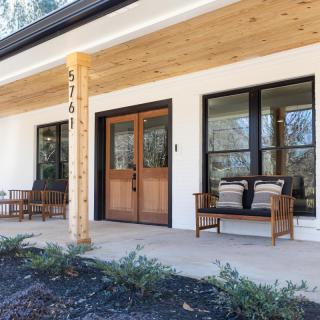
Watermark Senior Living
$3,500 / month9.9 miles away -
from +$240 / mo
The Cohen Home
$3,440 to $5,840 / month11.7 miles away -
About the same
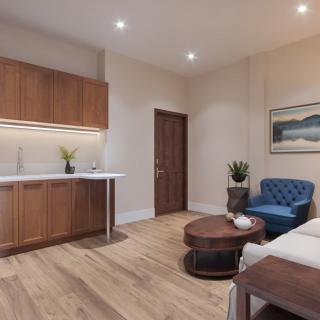
The Landing of Winder
$3,295 to $5,595 / month19.5 miles away -
from -$390 / mo
Vitality Living Milton
$2,810 to $5,515 / month13.1 miles away -
from -$300 / mo

Milton Senior Living
$2,900 to $3,200 / month16.8 miles away
Overall Review of Driving Mrs Daisy
Pros
 The home is a private residence converted for handicapped care and includes a pool and hot tub.
- It is small and personalized, offering individualized attention.
- It is animal-friendly and located between Buford and Sugar Hill.
- It has a helper experienced in physical therapy and an involved owner.
- A community park across the street provides a convenient dog-walking area.
- Brochures are available and provided promptly in scanned form.
Cons
 It is as expensive as bigger facilities, at about $2,800 per month.
Review
This community is best suited for families seeking a truly intimate, homelike care setting where a single caregiver team can provide highly personalized attention to a resident with handicapped needs, and where a pet-friendly environment supports emotional well-being. Driving Mrs Daisy operates out of a private home converted for care, delivering hands-on support with the owner and a PT‑inspired helper. It is ideal for someone who values privacy, a gentle daily rhythm, and the comfort of staying in a small, closely monitored space rather than joining a larger campus.
Those weighing alternatives should consider what happens if greater structure, more staff redundancy, and a broader activity schedule are priorities. If a resident requires intensive 24/7 clinical oversight, diverse social programming, or a larger pool of onsite caregivers, a bigger facility with formal programming may be a safer fit. For families prioritizing predictable transportation, wide-ranging activities, or standardized meals and routines, the smaller private-home model can feel limiting over time. In short, the route here is best for comfort and customization, not for someone needing expansive services.
On the plus side, the small, three-resident cap, and the reality that there is often just one resident at a time, creates a uniquely attentive environment. The owner’s hands-on approach, supplemented by a helper with PT experience, promises a level of continuity and practical mobility support that large campuses sometimes struggle to match. The setting is animal-friendly, which matters for pet-owning families and residents who benefit from regular canine companionship. A community park across the street adds easy access to outdoor time and gentle walking routes, boosting both mood and mobility for a resident who enjoys light activity. The quickly provided brochure indicates responsiveness and transparency in communicating what this space can offer.
Yet the same features illuminate the drawbacks. The setting is not a traditional facility, and staffing appears lean, with care largely anchored in the owner and one helper. That arrangement can mean limited redundancy and potentially slower response during high-demand periods. The private-home format, while cozy, may raise questions about formal safety measures, emergency backup, and the breadth of activities and therapeutic programming available on a typical day. The occupancy ceiling, three residents with one currently, also signals potential concerns about future availability and the ability to accommodate new needs without disruption. Finally, while the price sits around $2,800 per month, that cost is not a bargain compared to larger facilities, and the value proposition rests squarely on highly individualized attention rather than economies of scale.
The strongest argument for choosing this community is how the advantages offset the main drawbacks. Where a large campus excels in breadth of services, Driving Mrs Daisy excels in depth of care and personal connection. The PT-aware support and direct owner involvement can translate into more tailored mobility routines and quicker adjustments to daily care plans. The home-like atmosphere, together with pet-friendly policies and immediate access to outdoor time via the nearby park, can significantly enhance daily comfort, reduce anxiety, and support ongoing independence. For a resident who thrives on predictable, one-on-one attention and values a warm, private setting, these factors can outweigh the lack of a formal activity calendar or a broad clinical team.
Ultimately, this option is a strong fit for families with a resident who prioritizes intimate care, a homelike environment, and the opportunity to live with a pet-friendly, lightly structured program. Before deciding, confirm current staffing levels, the availability of specialized medical or rehabilitative services, and the safety framework in place for emergencies. Consider a trial period or a clear exit path if the resident’s needs evolve. If the goal is a bustling social scene, a wide array of on-site activities, or robust clinical oversight, alternatives with larger staffs and more formal programming should be explored. For households where comfort, continuity, and a tight-knit caregiver-resident relationship take precedence, Driving Mrs Daisy stands out as a candid, practical match.
 21 resident community capacity
 Assisted Living
 Board and Care Home
 Activities off-site
 Beauty salon
 Cable or satellite TV
 Dining room
 Fully furnished
 Garden
 Housekeeping services
 Kitchenette
 Move-in coordination
 Outdoor space
 Private
 Restaurant-style dining
 Small library
 Telephone
 Wi-Fi/high-speed internet available
 24-hour call system
 Ambulatory care
 Assistance with bathing
 Assistance with dressing
 Assistance with transfers
 Diabetes diet
 Diabetic care
 High acuity care
 Incontinence care
 Medication management
 Mental wellness program
 Special dietary restrictions





 Is Assisted Living Deductible on Your Taxes? Understanding the Complexities of Assisted Living Expenses and Deductions
 Assisted Living Support for Veterans: A Complete and Detailed Overview
 Exploring the Contrasts Between Assisted Living and Skilled Nursing