
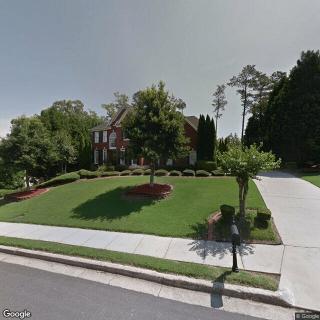
3710 Ansley Park Dr, Suwanee, GA 30024
To contact a resident: (678) 643-5668
For more information about senior living options: (866) 208-4318
Overall Review of Atlanta Blessed House Caregiver
Pros
 The caregivers provide professional and attentive care for the mother.
- The administrator is a God-sent in coordinating care at both locations.
- The caregivers are experienced, compassionate, patient, and attentive to the mother's needs.
- The caregivers are reliable and timely in arriving for each assigned shift and willing to stay over if needed.
- The administrator consistently ensures the mother's needs are met.
- The clients are completely satisfied and look forward to continuing use of the services as long as they need them.
Review
Atlanta Blessed House Caregiver is best suited for families managing dementia in an elderly loved one who needs steady, in-home support combined with hands-on coordination. The ideal client profiles show a caregiver team that can move with a loved one across different living arrangements while maintaining consistent routines, attention, and accountability. In Suwanee and the surrounding area, this agency stands out for families seeking stable, long-term in-home help rather than a facility-based setting. It works particularly well when a dementia patient benefits from familiar surroundings, a trusted administrator who orchestrates care across locations, and a cadre of caregivers who stay the course rather than rotate care in a way that disrupts daily rhythms. In short, this community serves households that prioritize continuity, reliability, and a personal touch in dementia care delivered within the home.
Those weighing alternatives should consider what matters most in dementia care. If the priority is a more structured, facility-based environment with on-site nursing oversight, more robust medical monitoring, or one-location housing for easier social programming, a memory-care community or larger in-home agency with intensive medical staffing may be a better fit. Families seeking transparent, upfront pricing with predictable monthly costs and a documented escalation plan for rising care needs may prefer agencies with formalized care levels and contracts. For households facing geographic constraints or a preference for rotating between two homes, the approach offered here can be ideal, but it also warrants careful confirmation of how back-up staff, night coverage, and sudden schedule changes are handled.
The strongest pros here hinge on reliability, staff caliber, and proactive coordination. Caregivers are described as experienced, compassionate, and patient, with a demonstrated ability to respond to a loved one with dementia in a calm, focused manner. Reliability in shift arrival and a readiness to stay past scheduled times indicate a level of dedication that minimizes gaps in supervision and daily routines. The administrator emerges as a central, high-value asset, actively coordinating care across two locations, ensuring needs are met, and providing clear communication to the family. This combination creates a stable care tapestry that reduces the customary anxiety families feel when two households are involved, and it supports a long-term commitment to care as the situation evolves.
Because the reviews spotlight a highly favorable experience, potential drawbacks remain unspoken and should be examined directly in any decision process. The most likely unknowns relate to scale and scope: how the agency handles nights, weekends, and genuine 24/7 coverage; what happens if a caregiver falls ill or a shift cannot be filled at the last minute; and how care plans adapt when dementia progresses beyond current needs. Additionally, while the two-home arrangement can be a powerful feature, it can also introduce logistical complexity if the loved one’s needs suddenly spike or if geographic realities change. Prospective families should verify the depth of medical oversight, the range of tasks covered (bathing, medication reminders, mobility support, mobility equipment management), and the exact structure of cost, contracts, and back-up contingencies.
The strengths of this agency offset many of these potential concerns through a disciplined, patient-centered approach. The care team’s experience translates into sharper, more anticipatory responses to daily challenges, and the willingness of staff to extend shifts when necessary means continuity remains intact during critical moments. The administrator’s orchestration across two locations minimizes fragmentation, families can count on a single point person who harmonizes schedules, care plans, and caregiver assignments. In dementia care, such continuity is not cosmetic; it translates into steadier routines, fewer episodes of confusion, and less reorientation stress for the resident. The in-home model itself is a clear advantage for maintaining familiar surroundings, which evidence suggests can slow cognitive and behavioral destabilization over time.
For families confronting this decision, the practical takeaway is clear: Atlanta Blessed House Caregiver is a strong fit for those who value dependable, compassionate in-home dementia care with strategic coordination across multiple homes. It offers a credible path for sustaining long-term support without forcing a move into a care community. The prudent next steps are straightforward: schedule a meeting with the administrator to review a formal care plan tailored to the loved one’s dementia stage, request current caregiver qualifications and turnover data, and discuss the exact staffing framework, back-up coverage, and escalation procedures. Clarify pricing, billing cadence, and what constitutes eligible additional services. If the aim is to preserve independence and minimize disruption while ensuring reliable, warm attentiveness, this option deserves serious consideration. If the family needs a facility-based environment with more pronounced medical oversight or a single-site social program, alternatives should be explored with the same rigor.





 6 Crucial Ways an Elder Law Attorney Assists Families
 Navigating the Tax Landscape of Caregiving: Credits, Deductions, and Beyond
 Highly Beneficial Low-Impact Exercises for Senior Living Residents