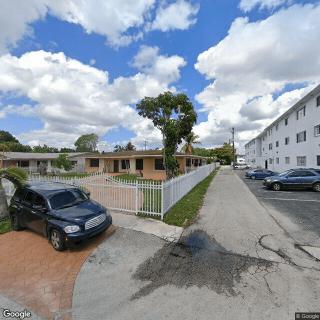
Claridge House in North Miami, FL
Save
Information last verified:
13900 NE 3rd Ct, North Miami, FL 33161
For more information about senior living options: (844) 490-3973
Claridge House in North Miami is best suited for families that prize a warm, personal approach to daily care and want a facility where attentive staff and smooth admission processes can provide real peace of mind during transitions, rehab stays, or ongoing assistance with activities of daily living. It is a place where residents often experience consistent kindness from nurses, CNAs, and therapy teams, and where the environment can feel like a reachable, home-like setting for those who value strong interpersonal care. For families seeking a high-touch, people-first experience with ready access to guidance through the admission and care-planning process, this community can be a good fit.
That said, prospects should consider alternatives if cleanliness, reliable operations, and consistent medical oversight are non-negotiables. A sizable portion of reviews signal serious safety and quality concerns: pervasive complaints about cleanliness and odors, cockroaches in some areas, and reports of delayed or insufficient monitoring of residents’ fluids, meals, and medications. Several families describe staff shortages or unresponsiveness, with calls not being answered and care gaps that undermine trust in the daily care plan. Prospective residents who cannot tolerate those risk factors or who require predictable, rigorously supervised care should look at other options.
On the positive side, when the staff are at their best, the pros are meaningful and tangible. Families repeatedly highlight compassionate, dedicated nursing and CNA teams, admissions staff who guide families with clarity, and administrators who, in many cases, respond with seriousness and care. The facility is described as clean and well-maintained in favorable reviews, with therapy teams that are attentive and able to support recovery and ongoing mobility. A number of residents enjoy a supportive, engaged atmosphere with activities and a sense that staff genuinely values residents’ comfort and dignity. These strengths can offset daily frustrations for families who prioritize personal warmth and approachable leadership.
Those bright spots, however, do not fully neutralize the more troubling themes that recur in the feedback. The contrast between praise for individual caregivers and repeated allegations of poor housekeeping, inadequate infection control, and inconsistent communication creates a credibility gap for families assessing risk. The most damning reviews describe rooms or common areas in disrepair, smells or evidence of neglect, and claims that medical needs were not monitored promptly, sometimes with severe consequences. When these concerns intersect with reports of staff turnover or system-wide communication gaps, they erode confidence in the facility’s ability to sustain safe, reliable care over time.
For families navigating a decision, a prudent plan is essential. Schedule multiple, in-depth visits and press for conversations with the administrator, the director of nursing, and the social services team. Request current infection-control data, staffing ratios by shift, and a transparent discussion of any remediation steps in progress. Ask to observe a shift in both the day and night teams, and consider arranging a short respite stay to gauge whether care routines and responsiveness align with expectations. Verify references with current families, and compare what is promised in writing with real-world practice. If the answers lean toward generalities or evasive replies, that is a red flag.
In the end, Claridge House offers a compelling case for families who can tolerate a mixed performance profile in exchange for genuine warmth, ease of admission, and consistent, compassionate day-to-day care. It may be a strong fit for residents who benefit from close-knit staff relationships and a hands-on approach to daily support, provided the cleanliness, oversight, and communication concerns are actively addressed. For those prioritizing spotless environments, predictable medical oversight, and an unambiguous record of safety, alternatives, those with stronger housekeeping discipline, transparent reporting, and demonstrably reliable staffing, should be pursued. The right choice will hinge on a careful balance between the value placed on personal warmth and the non-negotiables of safety and cleanliness.
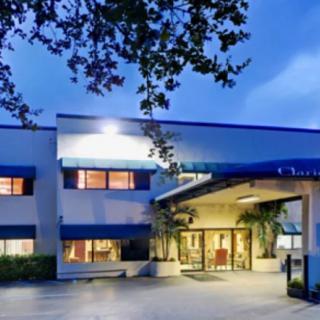
Claridge House in North Miami, FL is a skilled nursing facility that is dedicated to providing exceptional care and support to seniors in need. Our community offers a range of services and amenities designed to enhance the well-being and quality of life for our residents.
Our location is conveniently surrounded by various cafes, offering seniors the opportunity to enjoy a cup of coffee or grab a bite to eat with friends and family. Additionally, three nearby parks provide tranquil spaces for leisurely walks or outdoor activities.
Ensuring the health and convenience of our residents is a priority, which is why we have eleven pharmacies located near our community. This means that medications can be easily accessed and refilled without any hassle.
We understand the importance of dining options for seniors, which is why we are delighted to have five restaurants nearby. Our residents can savor delicious meals while enjoying the company of loved ones.
For those who enjoy entertainment and cultural experiences, there is a theater within close proximity to our community. This provides an excellent opportunity for residents to engage in enriching performances or catch the latest movie release.
At Claridge House, we strive to create an environment where senior individuals can feel safe, comfortable, and connected. With our prime location surrounded by various amenities, residents can enjoy all the benefits of assisted living while maintaining a vibrant lifestyle.
This part of North Miami, Florida, offers a variety of amenities and services that would be beneficial for seniors looking to reside in the area. With a range of dining options such as Chipotle Mexican Grill and Jackson Soul Food II, as well as convenient access to pharmacies like Walgreens and CVS Pharmacy, residents can easily meet their daily needs. The proximity to parks like Scott Park and Haulover Beach Park provides opportunities for outdoor recreation and relaxation. Additionally, the presence of reputable hospitals such as Mount Sinai Medical Center and Jackson Memorial Hospital ensures access to quality healthcare services. Transportation options are also readily available with Tri-Rail Metrorail Transfer and Earlington Heights Metrorail Station nearby. Overall, this neighborhood offers a mix of conveniences and resources that cater to the needs of seniors looking for a comfortable living environment in North Miami.
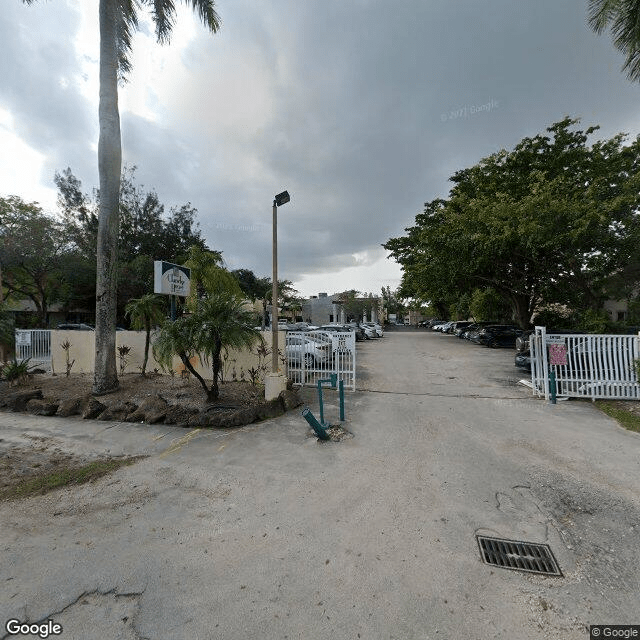
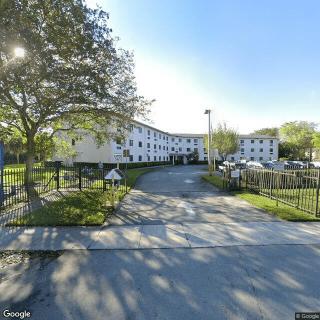
Claridge House is located at 13900 NE 3rd Ct, North Miami, FL 33161 in Miami-Dade County, Florida
Yes, Claridge House provides memory care services for residents with mild or advanced stages of dementia or Alzheimer's disease.
5 Early Indicators of Dementia and What You Can Do
The content outlines five key early indicators of dementia, including significant memory loss and confusion about time and place, while emphasizing the need for professional evaluation and emotional support for both individuals showing symptoms and their caregivers. It encourages family members to monitor these signs closely and use online quizzes for initial awareness.
8 Important Indicators That Memory Care May Be Necessary

The article highlights eight indicators that a loved one with dementia may require specialized memory care, emphasizing the emotional and logistical challenges families encounter in this decision. It discusses signs such as difficulties with daily tasks, safety concerns, and caregiver burnout, suggesting that memory care facilities can provide the necessary support and structured environments for those experiencing cognitive decline.
Delving into the Inner World of Dementia: Insights into Thoughts and Awareness
Dementia, primarily caused by Alzheimer's disease but also linked to other conditions, leads to cognitive decline impacting memory and daily functioning, with individuals experiencing varied awareness of their impairments. Despite memory loss, emotional connections persist, enabling responses to familiar stimuli, highlighting the need for caregivers to provide compassionate support that recognizes both limitations and retained emotional depth.