At Grace Manor at Lake Morton, the monthly cost for a studio room is $4,595, which is significantly higher than both the Polk County average of $3,026 and the state average of $3,823. This premium pricing reflects the unique amenities and personalized care that Grace Manor offers to its residents. While it may seem steep compared to regional benchmarks, many families find value in the enhanced services and supportive community environment available at Grace Manor. It's important for prospective residents to consider not just the numbers but also the quality of life and care that are integral to their decision-making process.
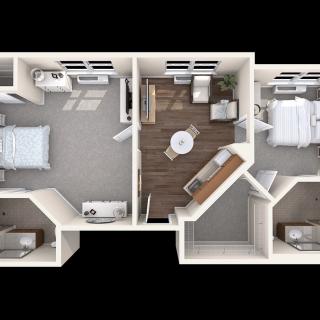
Floor plans
Grace Manor at Lake Morton
Polk County
Florida
Studio
$4,595
$3,026
$3,823
Memory care communities with a similar price nearby
from +$605 / mo
Brookdale Winter Haven MC
4.4 from 65 reviews
$5,200 to $6,500 / month
16.6 miles away
from -$395 / mo
Beach House Assisted Living & Memory Care at Wiregrass Ranch
Residents and families most often describe staff as kind, responsive, and attentive to day-to-day needs.
Across many reviews, families describe the staff as friendly and helpful, with caregivers who respond to questions and changes in condition. Several residents are described as safe and well cared for, and multiple people mention that they feel comfortable calling or visiting and getting support. A smaller group of reviews raise concerns about training, supervision, and staffing levels, which suggests experiences can vary depending on timing and unit needs.
common26 reviews mention this
Activities and home-like routines
Activities and structured routines are repeatedly mentioned as keeping residents engaged and comfortable.
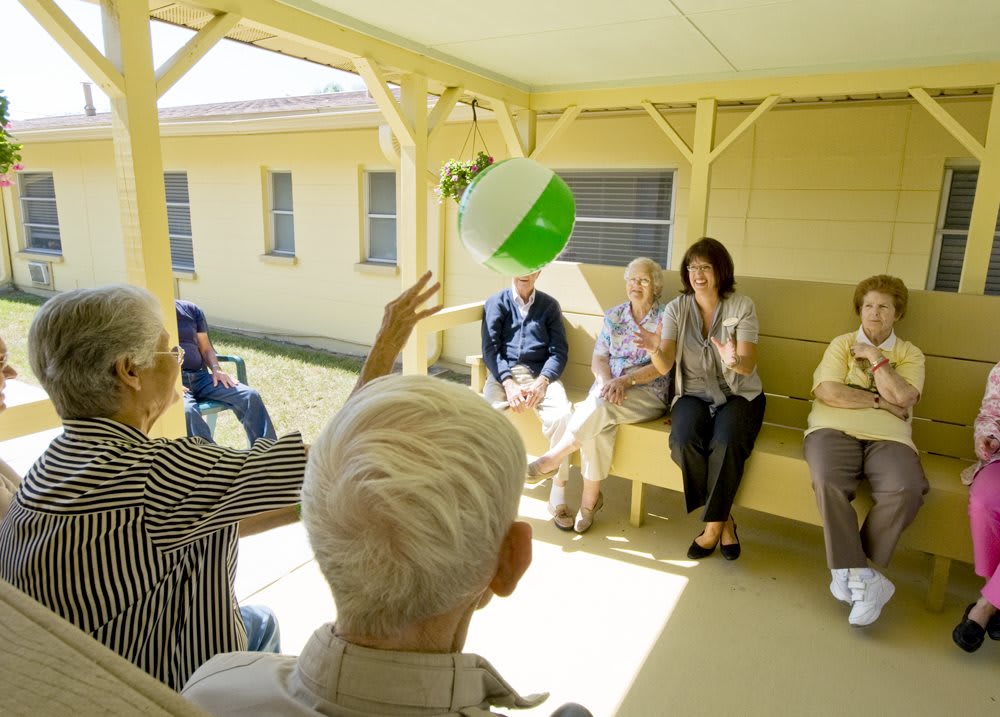
Many reviewers say residents participate in scheduled activities, outings, and entertainment, and they often highlight an activities director by name. Families describe the environment as “home-like,” with residents included in group dining and day-to-day engagement rather than staying isolated. Some reviews note fewer activities at certain times or during parts of the day, but the overall thread is that residents are kept busy.
caveat14 reviews mention this
Dining gets mixed reviews
Dining receives both praise for good meals and complaints about food temperature and quality.
Several families praise meals as good or even enjoyable, and some describe shared dining and residents eating well. At the same time, multiple negative reviews complain about cold or unappetizing food and poor meal quality. There are also mentions of dietary needs, including restrictions, which implies dining is a meaningful part of care planning and not everyone’s experience has been the same.
common22 reviews mention this
Clean environment is usually cited
Most reviews describe the building as clean and well maintained.
Many reviewers say the facility stays clean, does not smell, and feels maintained, with residents’ rooms described as tidy. Some people also call out cleanliness as part of what helped them feel confident during tours or after move-in. A few reviews go the other direction, describing dirt, urine odors, or hygiene concerns, including concerns tied to showering and cleanliness of rooms.
caveat12 reviews mention this
Pricing feels high for some
Pricing is a recurring concern, with reviewers also pointing out the overall cost of elder care.
Some reviewers explicitly question affordability, including comments that they would prefer lower costs. The pricing shown for a studio unit is described as meaningfully above both the county and state benchmarks, which aligns with concerns about cost burden. Other reviews mention feeling the pricing is reasonable for what they receive, so value appears to depend on expectations and care outcomes.
caveat20 reviews mention this
Staffing and oversight concerns appear
Some residents and families report gaps in supervision and staffing, especially during nights or transitions.
A notable set of reviews describe concerns about supervision, staffing levels, and communication—particularly when families wanted timely updates or when issues arose. Several reviewers also mention training and dementia-specific readiness, along with problems they felt during falls, medication follow-up, or responsiveness after incidents. In contrast, other families describe staff as attentive and keep them informed, indicating the experience may vary over time or by care situation.
How we summarize
Counts show how many written reviews mention each theme; a review can touch several themes, and only frequently mentioned themes are displayed.
Features
Housing
50 resident community capacity
1-bedroom apartments
Types of Care
Assisted Living
Memory Care
Respite Care
Amenities
Activities on-site
Air-conditioning
Beautician on-site
Beauty salon
Cable or satellite TV
Devotional services off-site
Devotional services on-site
Dining room
Fully furnished
Garden
Ground floor units
Housekeeping services
Indoor common areas
Kitchenette
Move-in coordination
Outdoor common areas
Outdoor space
Restaurant-style dining
Small library
Telephone
Wheelchair accessible showers
Wi-Fi/high-speed internet available
Care Services
24-hour call system
24-hour supervision
Activities of daily living assistance
Ambulatory care
Assistance with bathing
Assistance with dressing
Assistance with transfers
Diabetes diet
Diabetic care
Incontinence care
Meal preparation and service
Medication management
Mental wellness program
Special dietary restrictions
Dining
Diabetes diet
Guest meals
Low / no sodium
Meals provided
No Sugar
Professional chef
Restaurant style dining
Special dietary restrictions
Special dining programs
Activities
Activities on-site
Art classes
Catholic services
Community-sponsored activities
Day trips and outings
Devotional activities offsite
Devotional activities on-site
Karaoke
Live dance or theater performances
Live musical performances
Live well programs
Protestant services
Resident-run activities
Scheduled daily activities
Stretching classes
Visiting chaplain or priest
Yoga / chair yoga
Videos
Nearby Places of Interest
This part of Lakeland, Florida offers a variety of amenities and services that cater to senior living needs. With several reputable restaurants nearby such as Texas Cattle Company, Harry's Seafood Bar & Grille, and Nineteen61, there are ample dining options for residents to enjoy. Additionally, there are multiple cafes including Black & Brew Coffee House & Bistro, perfect for a relaxing coffee break. For medical care, there are several physicians' offices and pharmacies in close proximity, ensuring easy access to healthcare services. The area also boasts convenient access to parks like Adair Park and Lake Parker Park for leisurely walks or outdoor activities. Furthermore, with hospitals like Lakeland Regional Health nearby, residents can feel assured of quality healthcare facilities in the vicinity. Overall, this part of Lakeland provides a well-rounded community with entertainment options, healthcare services, and natural spaces that would suit seniors looking for a comfortable living environment.
At Grace Manor at Lake Morton, the monthly cost for a studio room is $4,595, which is significantly higher than both the Polk County average of $3,026 and the state average of $3,823. This premium pricing reflects the unique amenities and personalized care that Grace Manor offers to its residents. While it may seem steep compared to regional benchmarks, many families find value in the enhanced services and supportive community environment available at Grace Manor. It's important for prospective residents to consider not just the numbers but also the quality of life and care that are integral to their decision-making process.
The features offered at Grace Manor at Lake Morton are meticulously designed to support residents with dementia or Alzheimer's disease, addressing their unique needs throughout daily life. Assistance with dressing and bathing helps maintain personal hygiene and dignity, while meal preparation and service ensure that residents receive nutritious meals tailored to their dietary requirements. Medication management is crucial for adhering to treatment plans, preventing confusion over dosages, and ensuring timely administration of medications. Support with activities of daily living enhances independence while providing necessary help where required, and assistance with transfers ensures safety in mobility. The 24-hour supervision provides peace of mind for families, knowing their loved ones are always monitored by trained staff. Additionally, a mental wellness program actively engages residents through cognitive activities tailored to stimulate memory and cognitive function. Incontinence care addresses a sensitive issue with compassion, promoting comfort and respect for the individual's dignity in these circumstances. Together, these features create a supportive environment that fosters well-being and quality of life for residents facing memory-related challenges.
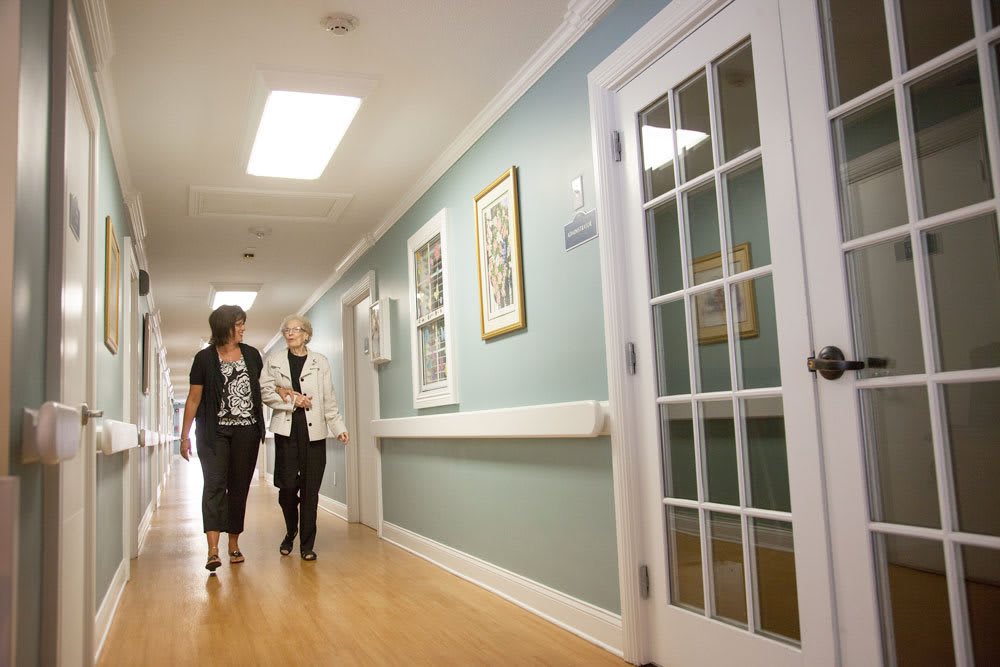
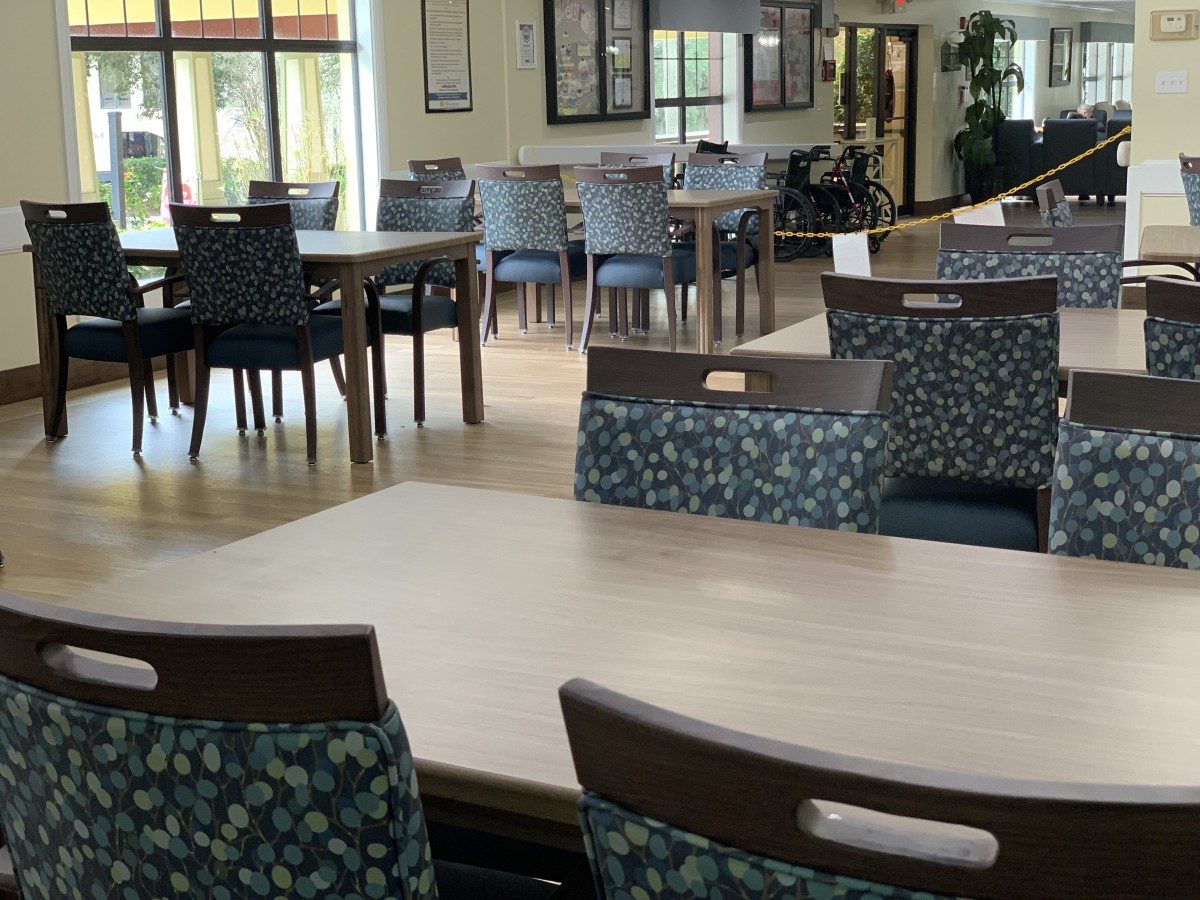
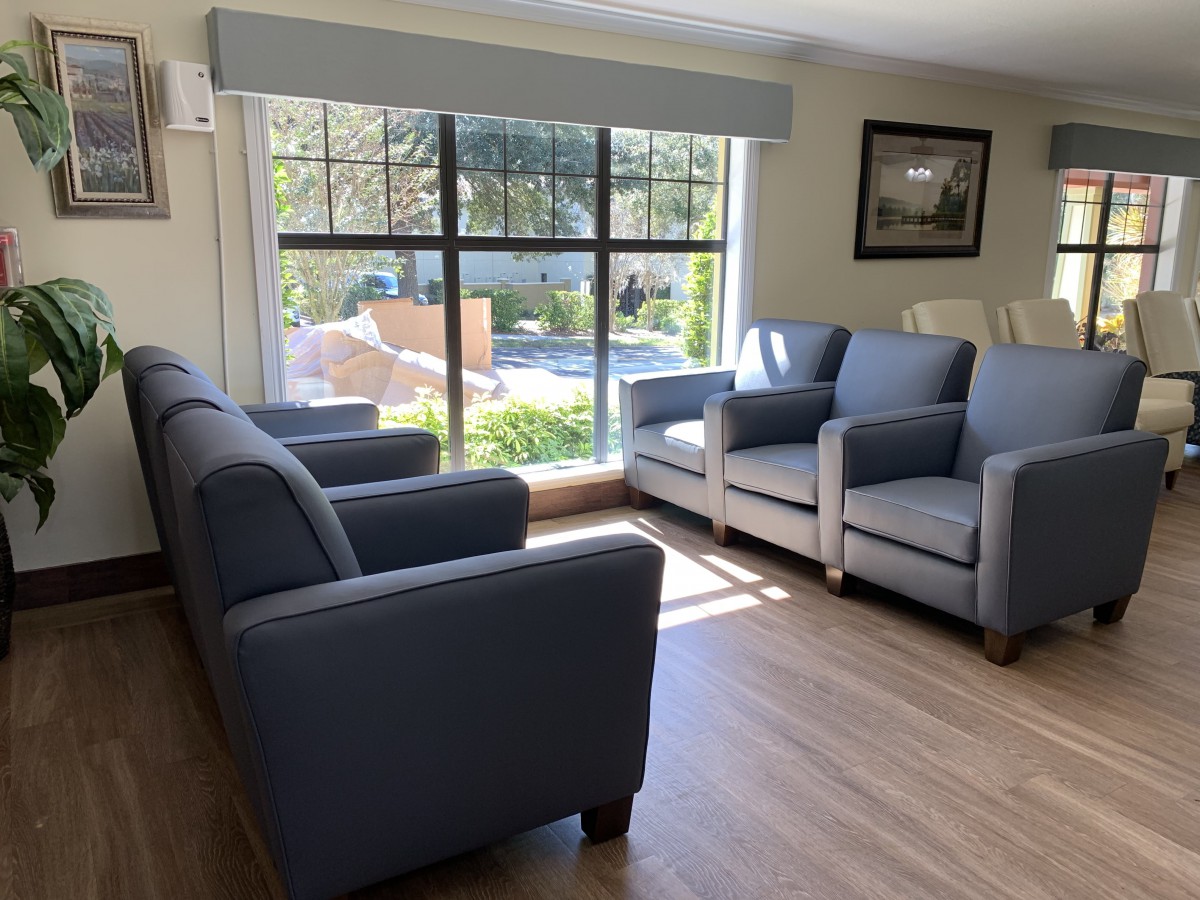
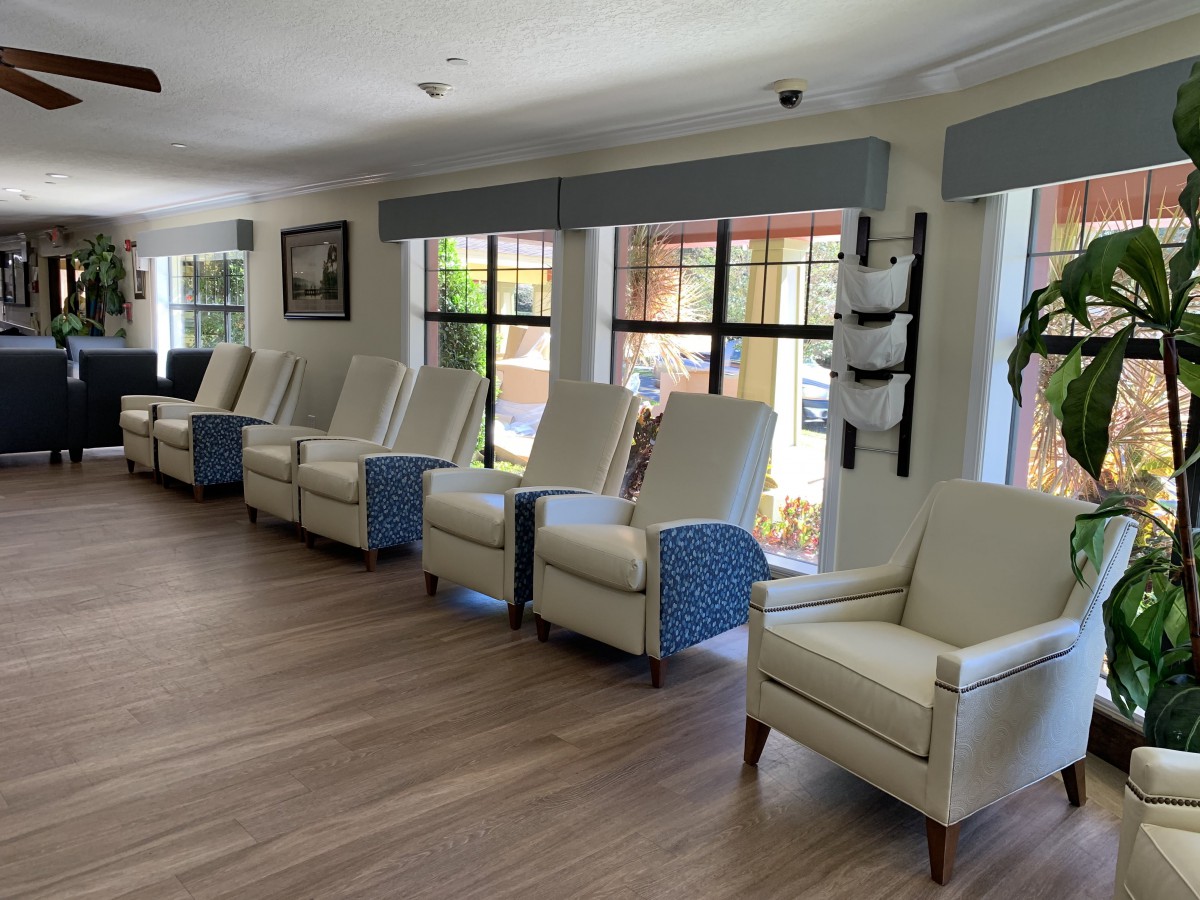
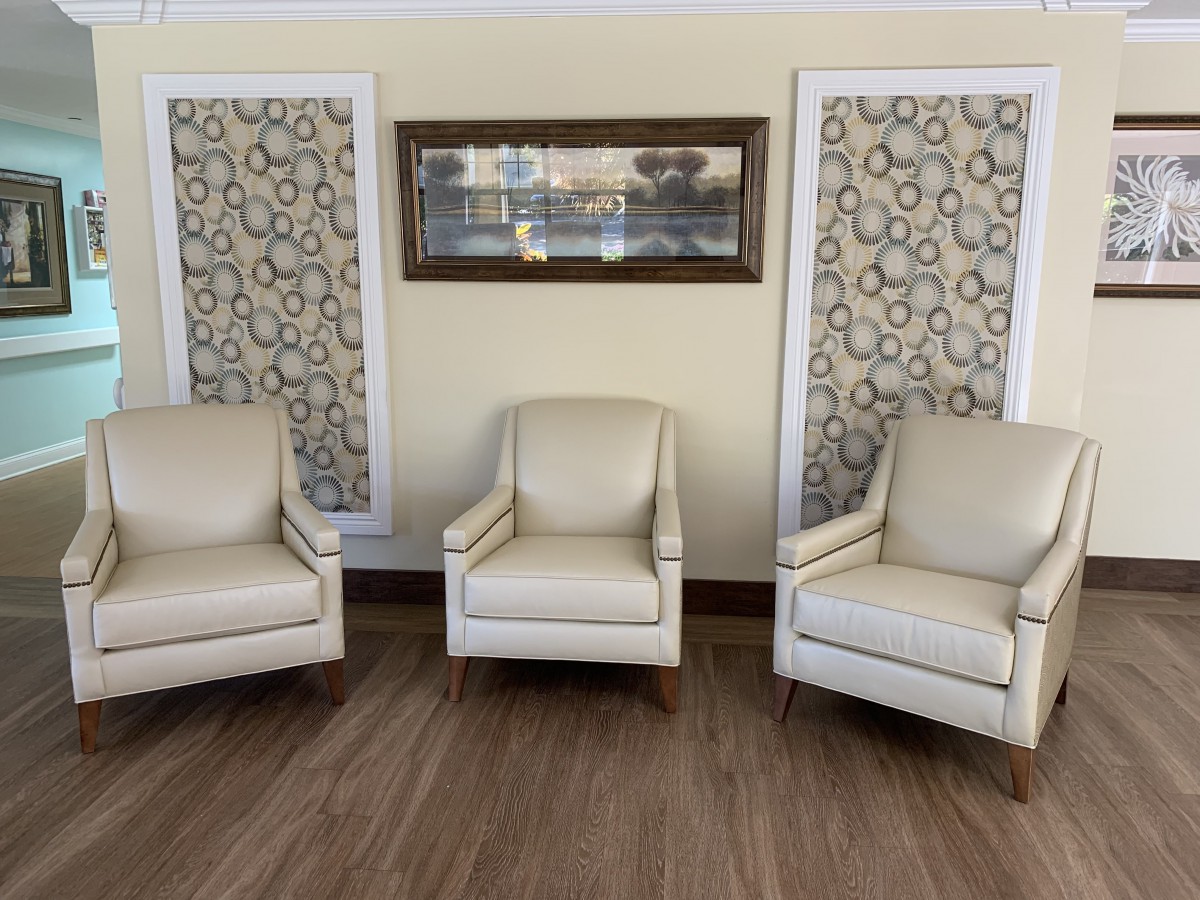
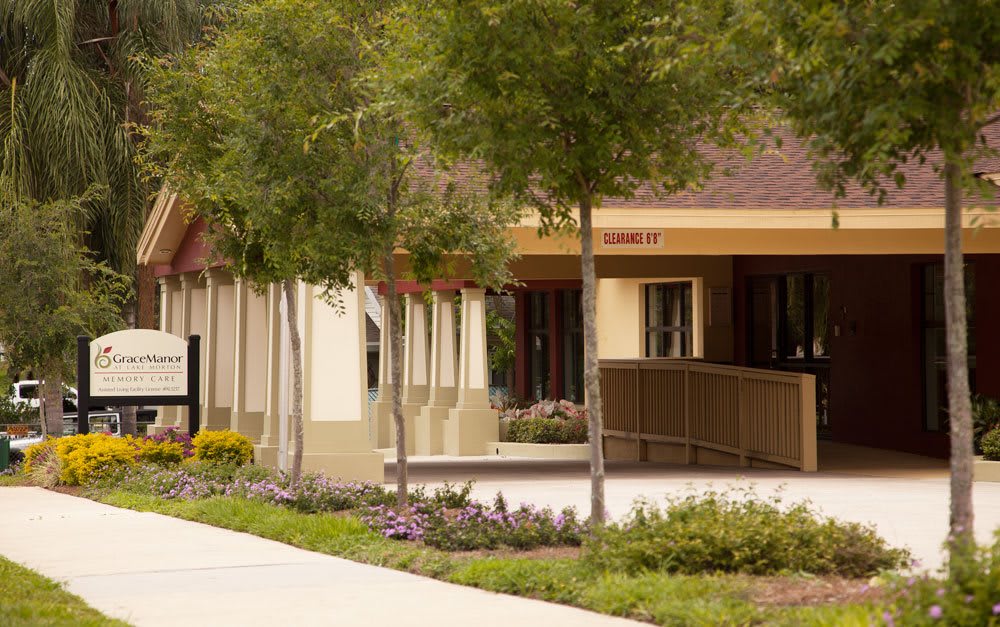
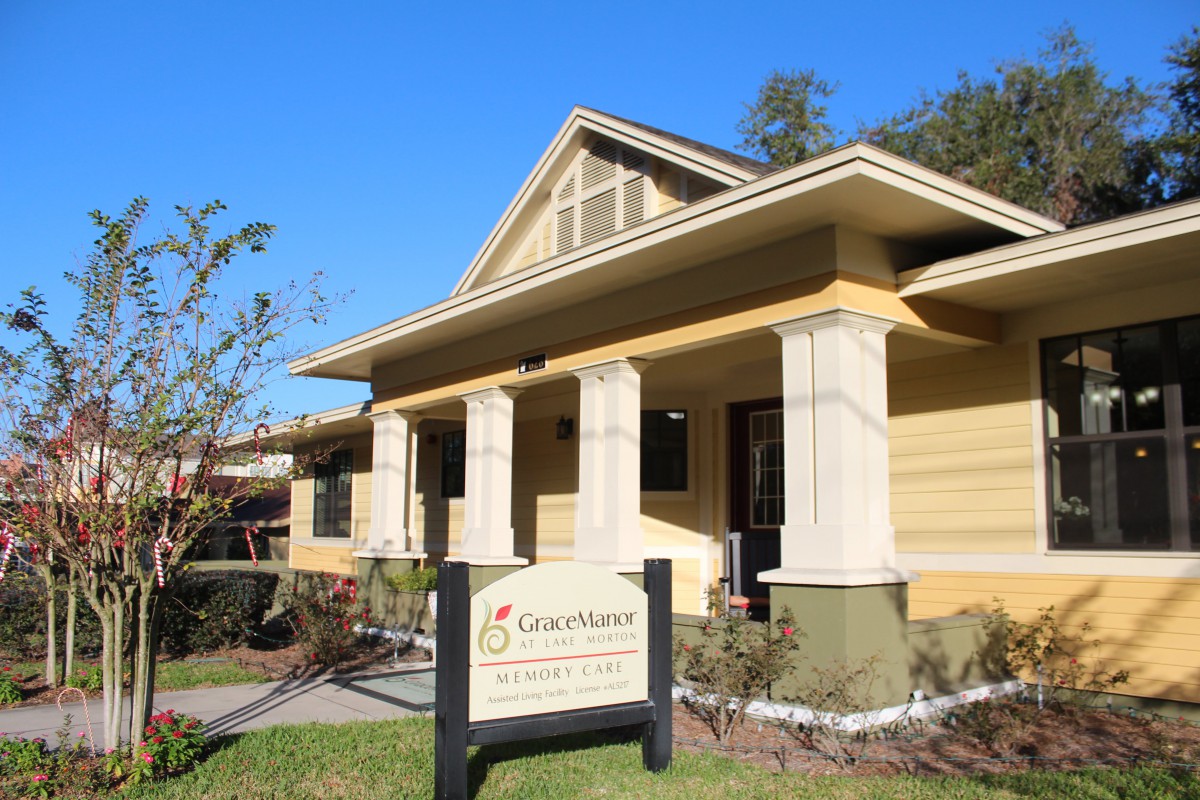
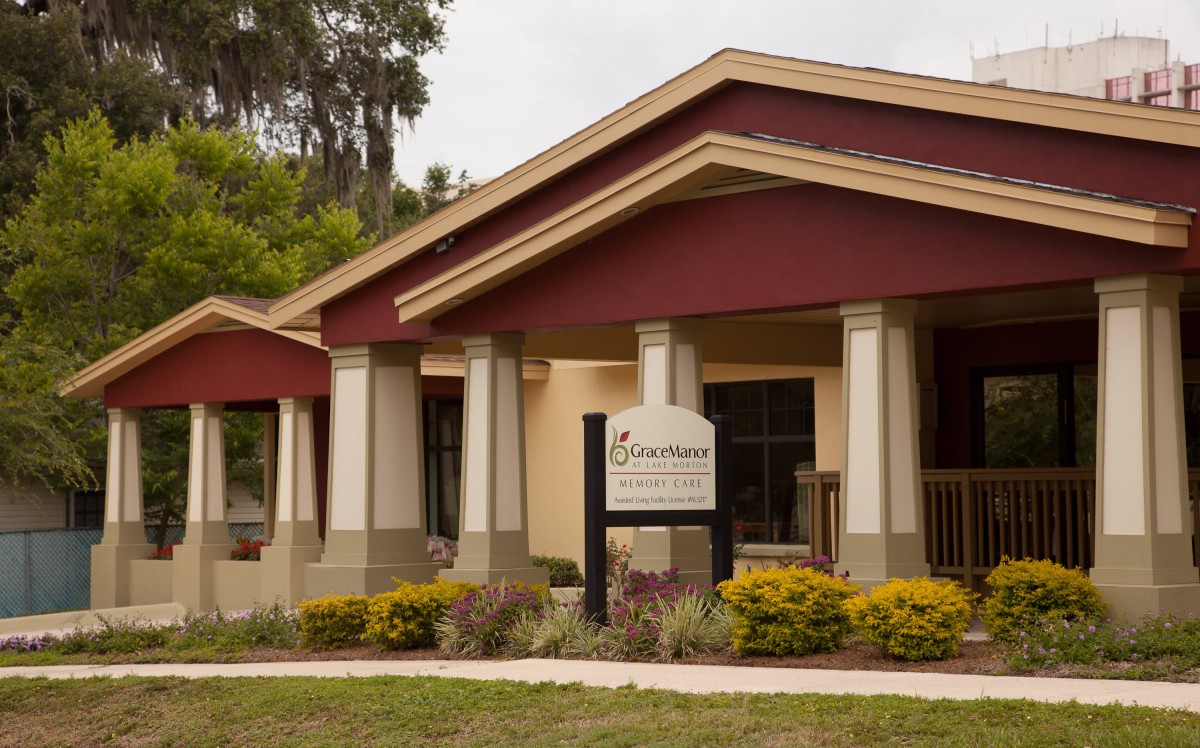
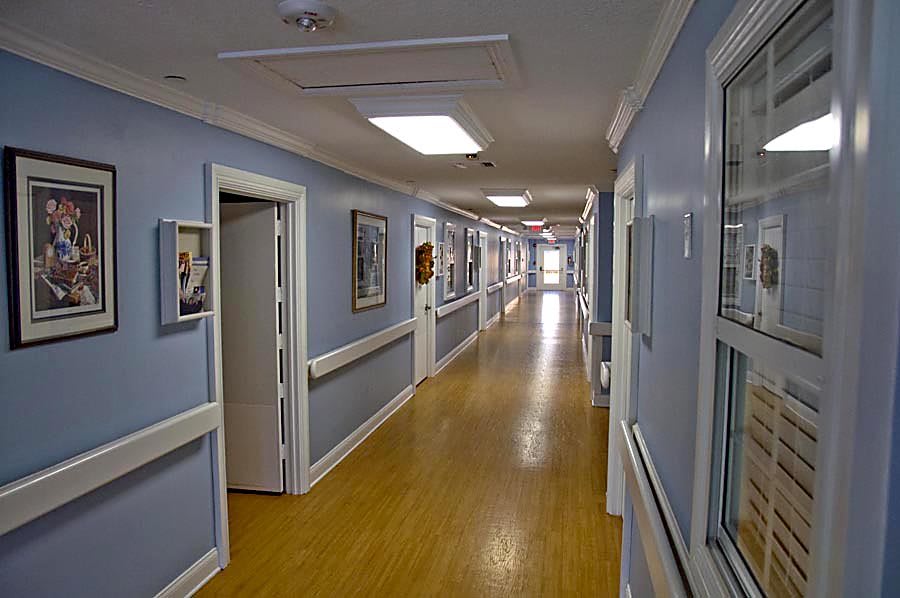
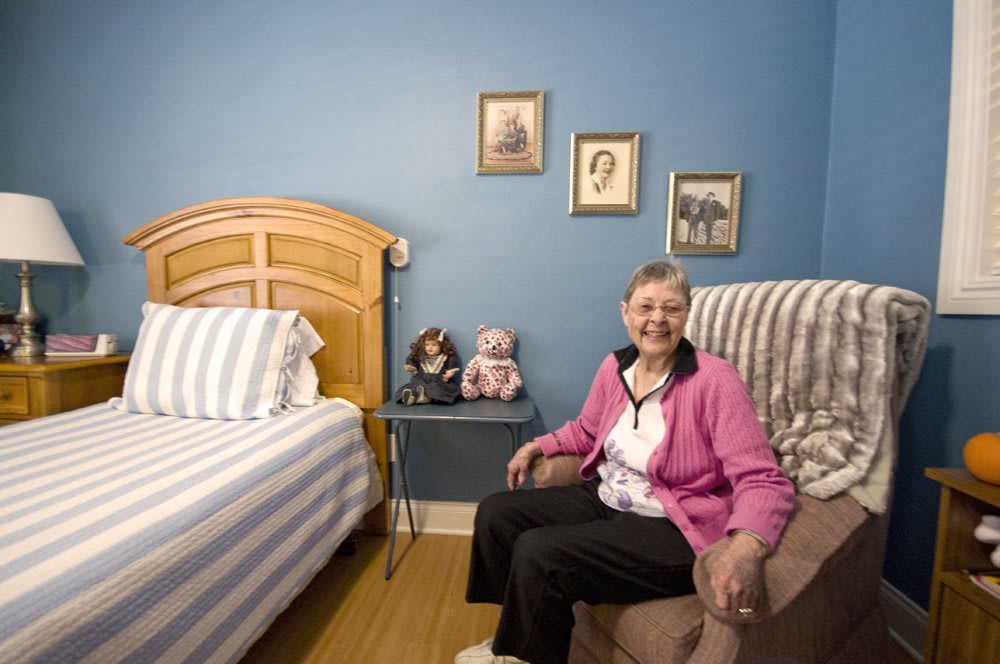
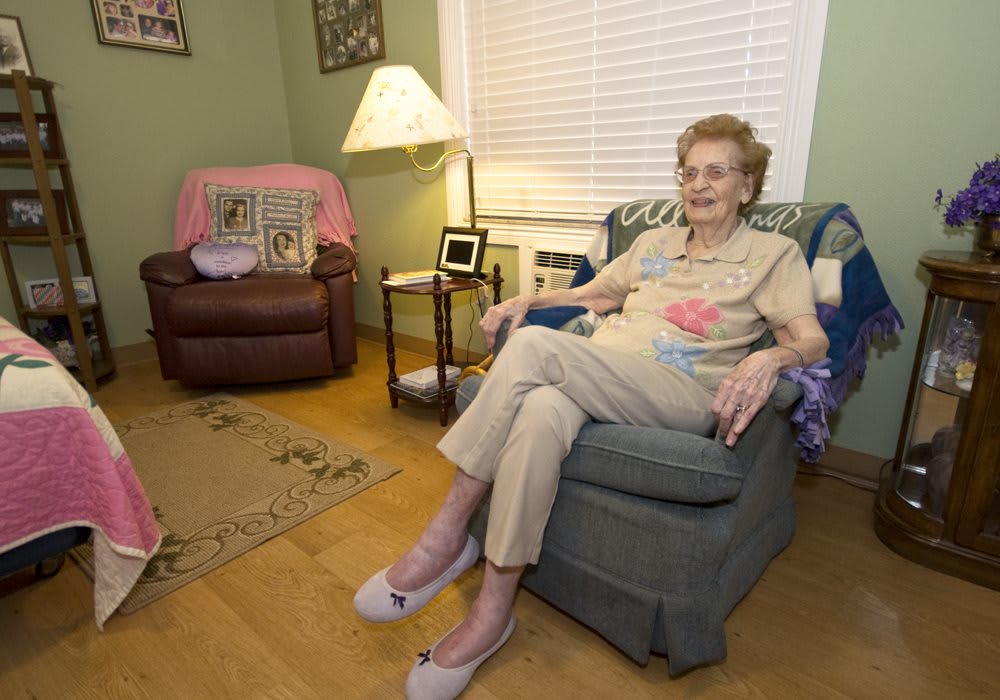
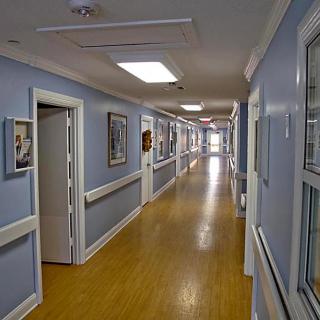
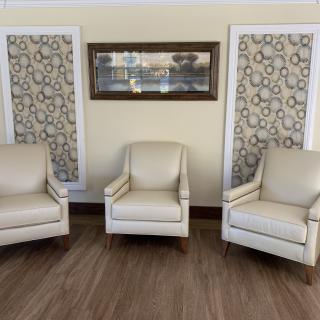
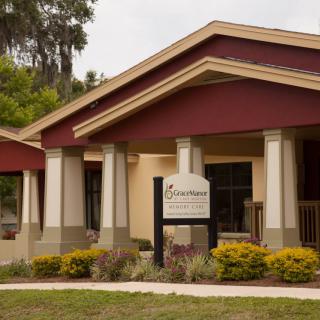
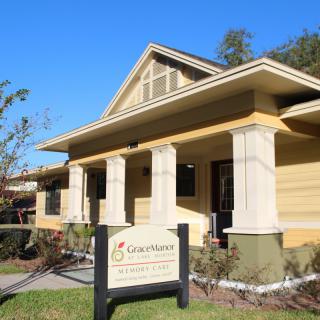
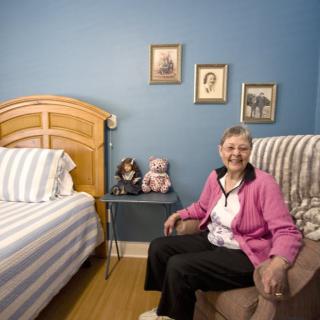
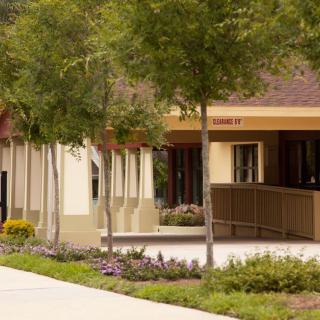
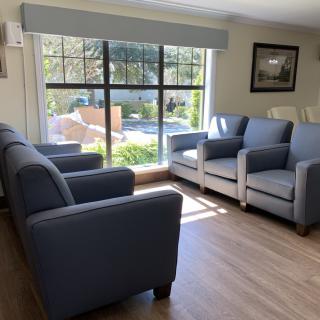
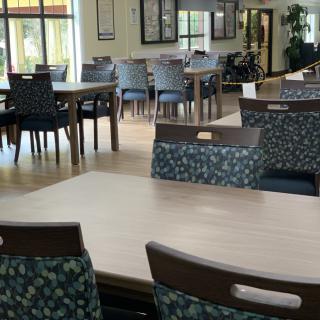
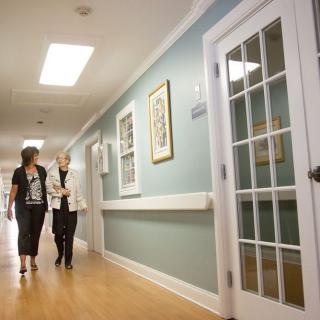
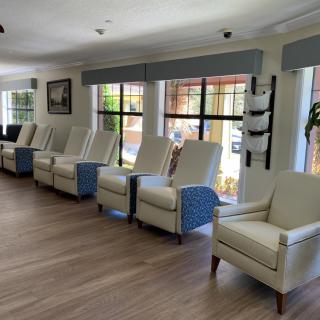
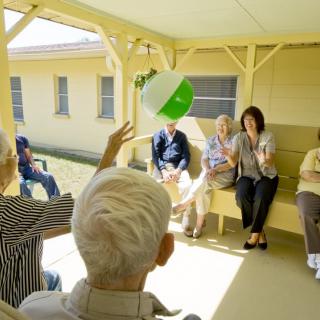
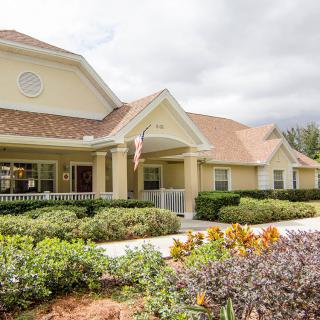
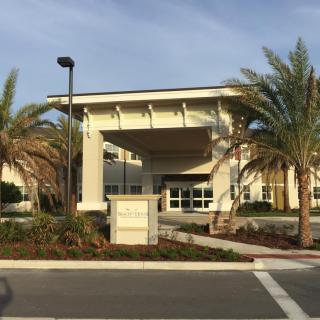
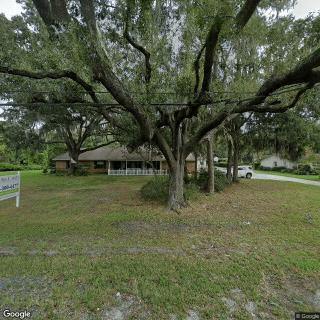
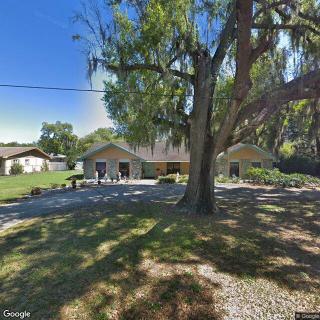
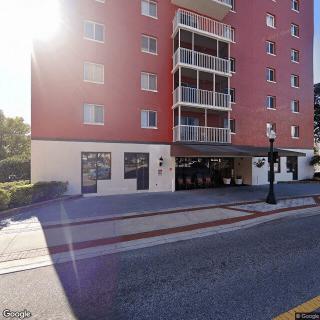
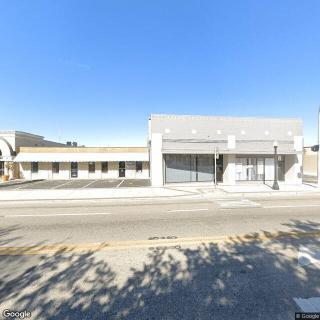
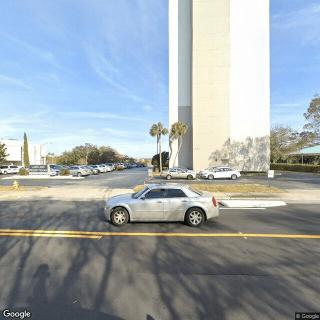
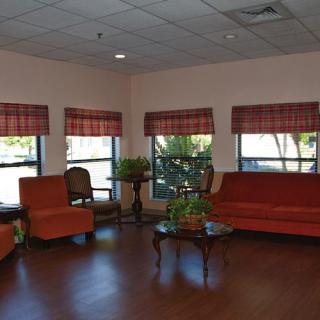
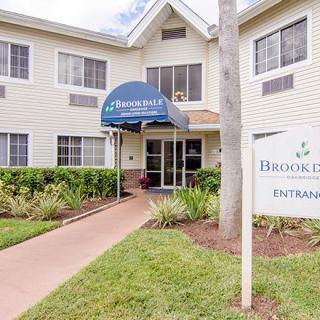
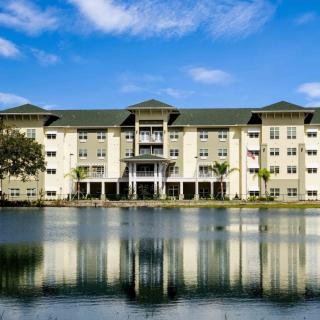
Grace Manor at Lake Morton on seniors.fyi includes 18 photos including images showing interior, living room, building, landscaping, lake, windows, outdoors, architecture, and more.
Nearby Communities
The Manor at Lake Morton
Lakeland, FL
5 from 70 reviews
$3,795 to $4,295 / month
Friendly staff with engaging activities and all-inclusive pricing.
Lakeview Place
Lakeland, FL
Comprehensive assisted living with diabetic care, strong social/indoor activity spaces, and extensive nearby amenities.
Lake Morton Plaza
Lakeland, FL
4 from 102 reviews
$1,900 to $2,850 / month
Friendly staff, spacious apartments, and an active activities program.
Grand Court Lakeland
Lakeland, FL
Specialized diabetic care with comprehensive on-site amenities and easy access to healthcare, dining, parks, and transit.
Maxim Healthcare
Lakeland, FL
4.6 from 113 reviews
Excellent access to healthcare and nearby amenities
Lakeland Presbyterian Apt
Lakeland, FL
4.2 from 46 reviews
Very convenient location with abundant nearby amenities (dining, parks, healthcare, worship, theaters).
Lakeland Manor Assisted Living Facility
Lakeland, FL
3.6 from 38 reviews
$1,900 to $2,100 / month
Caring staff, clean environment, and on-site medical services including memory care safety.
Ansley Parke at Oakbridge
Lakeland, FL
4.3 from 82 reviews
$3,295 to $3,995 / month
Friendly staff and engaging activities in a clean, well-maintained community.
Arbor Hills
Lakeland, FL
4.2 from 39 reviews
$1,995 to $3,385 / month
Welcoming, bright community with modern apartments, helpful staff, and engaging amenities.
Sundown syndrome, or sundowning, is a phenomenon in dementia patients characterized by increased confusion and agitation during late afternoon and evening, influenced by factors like disrupted circadian rhythms and fatigue. Effective caregiver strategies include establishing routines and managing environmental light while addressing caregiver stress through support services.
Delirium is a rapidly onset, reversible cognitive disturbance often caused by acute medical issues, while dementia is a gradual and irreversible decline due to chronic neurodegenerative diseases. Accurate differentiation between the two is essential for appropriate treatment and management in older adults.
Dementia, including Alzheimer’s disease, is often mischaracterized in terms of lethality as it leads to complications that can be fatal rather than being a direct cause of death; it causes a progressive decline in cognitive and physical health, making patients vulnerable to infections and other health crises. Effective management of nutrition, hydration, and communication is crucial in patient care, with palliative care becoming vital in advanced stages to enhance comfort and quality of life while caregivers play a key role amidst the challenges posed by the disease.
Get PricingAsk A QuestionSchedule A TourContact Senior Advisor
By clicking submit, you agree to our Partner's Terms of Use. You
also consent to receive calls and texts, which may be autodialed, from our Partner. Your consent is not a condition to
using our Partner's service. Please visit our Partner's Privacy Policy for information about their privacy practices.





 50 resident community capacity
 1-bedroom apartments
 Assisted Living
 Memory Care
 Respite Care
 Activities on-site
 Air-conditioning
 Beautician on-site
 Cable or satellite TV
 Devotional services off-site
 Dining room
 Fully furnished
 Garden
 Ground floor units
 Housekeeping services
 Indoor common areas
 Kitchenette
 Move-in coordination
 Outdoor common areas
 Restaurant-style dining
 Small library
 Telephone
 Wheelchair accessible showers
 Wi-Fi/high-speed internet available
 24-hour call system
 Ambulatory care
 Assistance with bathing
 Assistance with dressing
 Assistance with transfers
 Diabetes diet
 Diabetic care
 Incontinence care
 Medication management
 Mental wellness program
 Special dietary restrictions
 Art classes
 Catholic services
 Day trips and outings
 Karaoke
 Live dance or theater performances
 Live musical performances
 Live well programs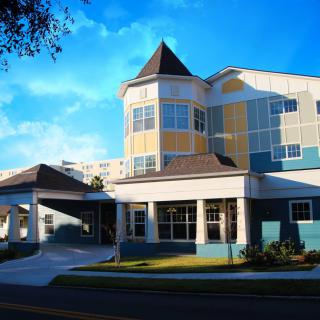
 Friendly staff with engaging activities and all-inclusive pricing.
 Comprehending Evening Confusion in Dementia: Causes, Manifestations, and Support
 Delirium and Dementia: Unraveling the Key Differences
 Are Dementia and Alzheimer's Disease Lethal? A Comprehensive Exploration