
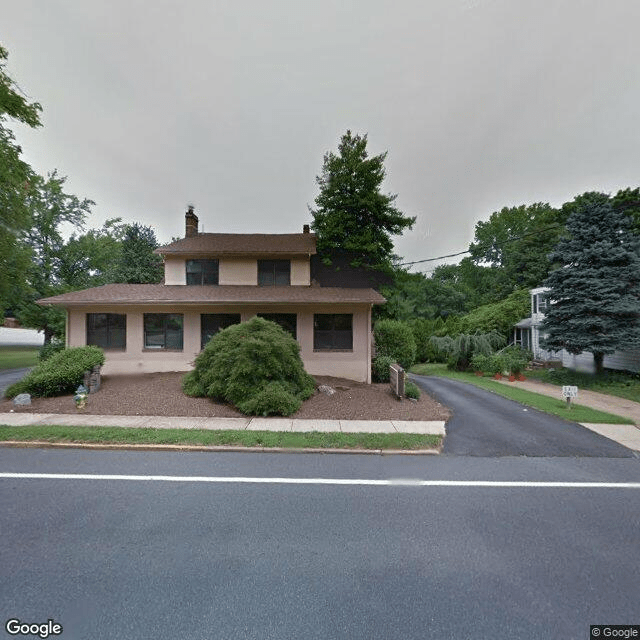
254 W Main St, Newark, DE 19711
To contact a resident: (302) 731-5576
For more information about senior living options: (866) 208-4318
Newark Manor Costs & Pricing
At Newark Manor, the cost for a studio room is $3,480 per month, which presents a more affordable option compared to both New Castle County at $4,083 and the broader state of Delaware with an average of $4,281. For those seeking private accommodations, however, Newark Manor's rate of $6,000 stands out as significantly higher than the county's average of $3,980 and the state's average of $4,553. This pricing structure suggests that while Newark Manor may be competitive in its studio offerings, it positions itself at a premium for private rooms when compared to regional benchmarks.
| Floor plans | Newark Manor | New Castle County | Delaware |
|---|---|---|---|
| Studio | $3,480 | $4,083 | $4,281 |
| Private | $6,000 | $3,980 | $4,553 |
Skilled Nursing Facilities with a similar price nearby
-
from -$630 / mo
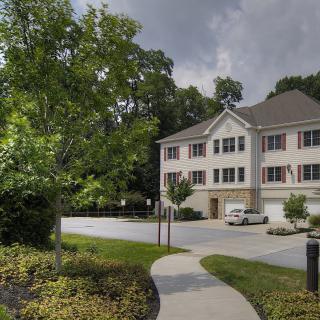
Freedom Village at Brandywine, a CCRC
$2,850 to $4,090 / month22.7 miles away -
from -$636 / mo

The Lorelton
$2,844 to $6,264 / month10.8 miles away -
from -$280 / mo

Truewood By Merrill, Glen Riddle
$3,200 to $4,000 / month22.8 miles away -
from -$324 / mo
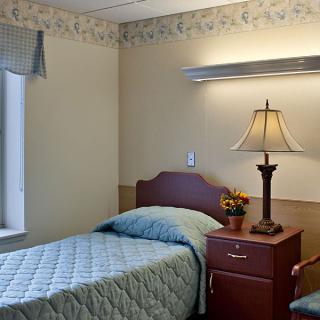
Naamans Creek Country Manor
$3,156 / month17.2 miles away -
About the same
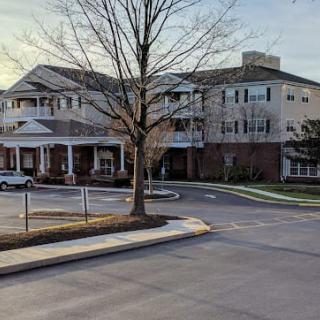
Simpson at Jenner's Pond, a CCRC
$3,386 to $3,421 / month11.0 miles away
Overall Review of Newark Manor
Pros
 The staff member who gave the tour was extremely pleasant.
- Newark Manor is nice and small, and it cares for its patients.
- Everything looked very good.
- The appearance was nice and clean.
- Newark Manor has an exercise area.
- Newark Manor is excellent and works well with Alzheimer’s patients.
- The staff are very caring toward residents.
- It is clean and well located near a home and a university, with plenty of things to do.
- The Alzheimer’s Unit is on the third floor, so it is very secure.
Cons
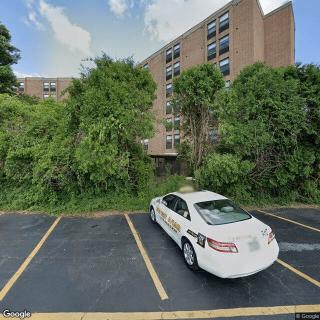
 The facility was very old and needed updating and remodeling.
- The reviewer had grave concerns about the facility.
- During COVID, the facility lost nearly half of its residents, which was a red flag.
Review
Newark Manor Nursing Home is best suited for families seeking an intimate, home-like setting in the Newark area, where care teams can develop real familiarity with residents. With about 67 beds, the facility operates on a smaller scale that supports attentive, personalized attention rather than showroom-level polish. The location, roughly 10 minutes from a caregiver’s home and near a university, adds practical value for visits and easy access to community resources. This community clearly serves seniors who benefit from consistent caregivers, straightforward routines, and a secure environment for memory care, where staff relationships and familiarity can translate into smoother daily life.
Alternatives are worth considering for those who prize modern amenities, expansive activity programming, or a campus with broader medical resources. The facility’s size and aging infrastructure may feel limiting to families seeking the latest rehab equipment, upscale finishes, or a wide array of on-site services. Additionally, the history of resident losses during a crisis indicates a risk tolerance not all families will accept, and could prompt a preference for a larger institution with deeper clinical resources and more diversified programming.
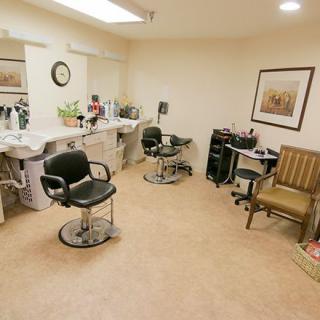
On the upside, the small footprint fosters familiarity and stable staffing. Reviewers repeatedly note a clean appearance, an orderly environment, and a welcoming tour experience. The building includes an exercise area, and the Alzheimer’s unit on the third floor provides a secure, memory-focused space. Family members describe staff as caring and long-tenured, which translates into more consistent routines, better recognition of preferences, and steadier day-to-day decision-making. When combined with proximity to home and a simple, predictable environment, these strengths help offset the lack of resort-like amenities.
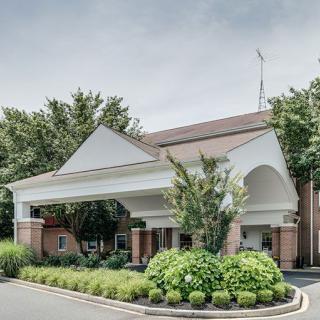
The main downside remains the aging building and updating needs. Newark Manor isn’t glossy or trendy, and some families may prefer the sensory richness of newer facilities. Limited breadth of services and potential gaps in more advanced rehab or activity options matter for residents who require robust programming or facilities with the latest conveniences. Yet the positives, especially staff continuity, visible care, and a design oriented toward memory care, mitigate these concerns for many families, delivering a stable, low-disruption living experience that can feel like a trusted extension of home.
Families evaluating Newark Manor should conduct a focused, practical tour. Ask about staff-to-resident ratios on different shifts, review memory-care care plans, and verify what is included in the quoted rate versus potential add-ons. Observe interactions between caregivers and residents, note how meals and daily activities are structured, and inquire about procedures for transitioning to higher levels of care if needed. Consider the overall feel of the environment, the security of the Alzheimer’s unit, and the ease of access to family involvement. Proximity is a tangible advantage, but the true test lies in whether staff consistently respond to changing needs with calm competence.
Bottom line: Newark Manor is a pragmatic choice for families prioritizing intimate, memory-focused care at a lower cost with strong local ties. It suits seniors who benefit from familiar faces, a secure Alzheimer’s unit, and easy access to home and community resources. Alternatives should be weighed for those who demand modern renovations, broader programming, or larger clinical teams. For the right resident, the combination of cost efficiency, caregiver continuity, and a quiet, residential vibe can translate into meaningful quality of life, while those seeking a more contemporary or feature-rich setting may find a different community better aligned with long-term goals.
 Memory Care
 Skilled Nursing Facility
 Activities on-site
 Devotional services off-site
 Indoor common areas
 Private
 New Castle County (8 miles away)
 Ambulatory care
 Diabetic care
 Meals provided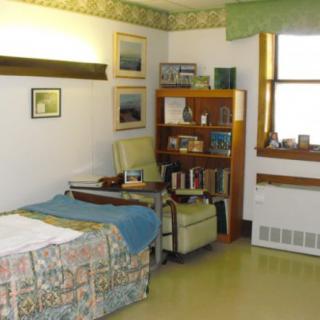

 Exploring the Contrasts Between Assisted Living and Skilled Nursing
 Vibrant Senior Living: A Comprehensive Guide for Active Older Adults
 Assisted Living and Memory Care: Understanding Their Core Differences