
185 Salem Church Rd, Newark, DE 19713
To contact a resident: (302) 368-5886
For more information about senior living options: (866) 208-4318
Overall Review of Little Sisters of the Poor
Pros
 The staff are warm and friendly and genuinely care about the residents.
- Time spent there with a friend is described as “as good as it gets.”
- The place is very warm and inviting.
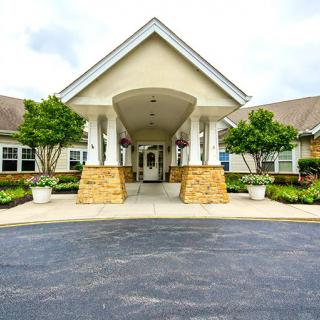
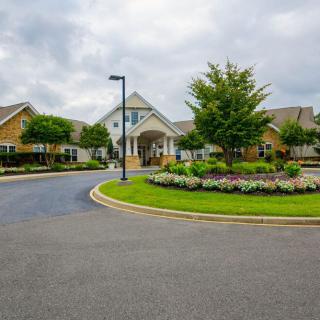
- It is a wonderful place for the elderly, with beautiful grounds, great food, good medical care, and friendly, conscientious staff.
- The grandmother is in excellent care there.
- A Christmas concert by Diamond State Concert Band was held there, highlighting positive community events.
Review
This community is best suited for seniors who value a warm, intimate living environment where staff are genuinely known by name and care is delivered with a personal, heartfelt touch. In Newark, Delaware, Little Sisters of the Poor cultivates a residence atmosphere that leans into neighborly connection, faith-informed routines, and steady, attentive support. Based on consistent observations from families and visitors, residents appear to thrive on daily companionship, regular engagement, and staff who invest time to foster meaningful relationships. The grounds and the overall ambiance reinforce a sense of familiarity and safety, while the culture elevates simple pleasures, quiet moments with friends, shared meals, and accessible social activities, into meaningful routines. For seniors who prize stability, predictable routines, and a community that feels like a real home, this is a compelling option.
Explicitly, those who may want to consider alternatives include families seeking a more medicalized, results-driven model with a broader array of on-site specialties, or those prioritizing a secular setting with a more modern, urban campus. If the senior’s needs trending toward higher-acuity care, memory-care-specific programming, or a facility with a larger footprint and more diversification of amenities, other options in the region may deliver more in terms of specialized services, tech-enabled care, or intensive rehabilitation. In short, the Little Sisters of the Poor excels at warmth, spiritual companionship, and social belonging; it may not be the top pick for families seeking highly specialized or cutting-edge medical resources under one roof.
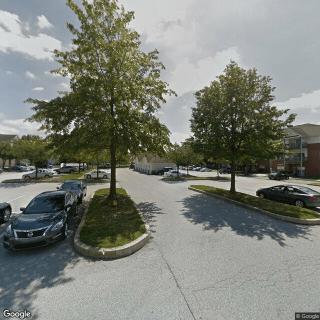
The strongest pros revolve around people and presence. Staff are described as warm, friendly, and conscientious, with visible care for residents that translates into dependable daily support. Family and volunteer engagement is front-and-center, visitors and volunteers enrich the environment, enhancing social opportunities and creating a sense of ongoing community beyond formal programming. The setting itself reinforces this tone: beautiful grounds, inviting spaces, and a culture that emphasizes kindness and personal attention. Meals receive praise as part of the daily well-being, and the combination of good food, accessible medical care, and attentive staff helps ease worries about day-to-day living. Taken together, these elements translate into high emotional comfort for both residents and families, which often matters at least as much as clinical metrics in decision-making.
From a practical standpoint, the community’s pros offset the potential gaps that some families fear when choosing senior living. The intimate scale means fewer residents competing for staff time, which can yield more consistent routines, quicker responses, and genuine relationships with caregivers. The presence of ongoing spiritual and social programming, masses, visits, concerts, and library-driven activities, creates a rhythm that supports emotional health and a sense of purpose. For seniors who savor connection and routine, the advantages become practical daily benefits: predictable schedules, visible staff engagement, and a living environment that rewards regular involvement from family and volunteers. In scenarios where social fulfillment and personal attention matter as much as physical care, these offsets are meaningful and persuasive.
Still, a cautious lens is appropriate. The most persuasive case for alternatives rests on the reality that this community operates within a specific model, one that emphasizes warmth, culture, and a faith-based ethos, rather than a broad, multi-campus platform with extensive medical sub-specialties. For families expecting highly diversified medical services on-site, or seeking expansive rehab programs, or prioritizing secular programming with a wide array of living options, additional options could offer a better fit. Residents must also verify the exact scope of medical capabilities and what happens if care needs escalate. The yeses here are about quality of life, belonging, and straightforward care, while the potential trade-off is the degree of medical resources and specialized programming available in-house.
In guiding the decision, concrete steps are essential. Schedule extended visits to observe daily routines, speak candidly with front-line staff about care levels, and assess how well schedules align with the loved one’s preferences for social life and spiritual needs. Ask about the exact services included in the monthly rate, what on-site medical support looks like day-to-day, and how transitions are managed if health needs shift. Gauge the resident experience by noting how often volunteers participate, how accessible activities are, and whether meals feel nourishing and enjoyable. If the senior cherishes a house-like atmosphere, strong personal connections, and a community that supports faith-based living, this option stands out as a principled choice. If, instead, the priority is cutting-edge medical infrastructure or secular, highly diversified programming, opening the field to alternatives will yield clearer contrasts to make a confident choice.
 Skilled Nursing Facility
 New Castle County (5 miles away)

 A Detailed Examination of Nursing Home Costs Across the U.S.
 Exploring Nonmedical Home Care: Understanding Services, Costs, and Financial Approaches
 Engaging Brain Games and Innovative Apps to Keep Senior Minds Active