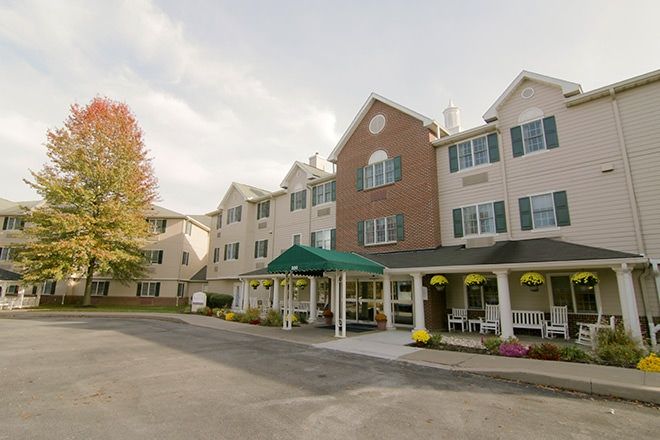

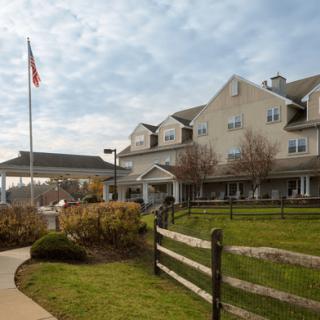
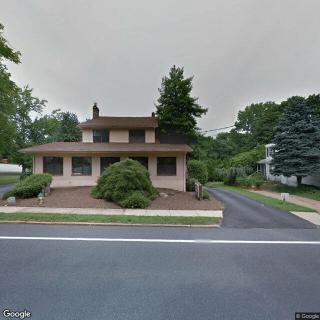
200 East Village Road, Newark, DE 19713
For more information about senior living options: (866) 208-4318
Emeritus at White Chapel Costs & Pricing
Emeritus at White Chapel offers a competitive pricing structure for its private rooms, costing $1,423 per month. This is significantly lower than the average costs in New Castle County, which stands at $3,980, and even more so compared to the state average of $4,553. Such affordability positions Emeritus at White Chapel as an attractive option for individuals seeking quality care without the financial burden typically associated with assisted living facilities in the region. The facility combines value with a commitment to resident well-being, making it a compelling choice for families considering long-term care solutions.
| Floor plans | Emeritus at White Chapel | New Castle County | Delaware |
|---|---|---|---|
| Private | $1,423 | $3,980 | $4,553 |
Memory care communities with a similar price nearby
-
from -$153 / mo
Simpson Meadows
$1,270 to $2,150 / month23.6 miles away
Overall Review of Emeritus at White Chapel
Pros
 Paramount is a wonderful community to live in.
- The customer service across all departments is truly outstanding, and the staff convey care.
- The living environment is very good, with respectful and wonderful people, and the staff are awesome.
- The uncle's facility is nice, with friendly nurses and happy residents.
- The therapy services are excellent.
- The facility is beautiful and welcoming, with kind staff.
Cons
 There was a lack of care that led to the mother dying.
- The director was terrible.
- The pendant alarms were never answered.
- A parent was found on the floor.
- The food was not suitable even for a dog.
- There was no accountability; management was horrible in every aspect.
- They failed to act, allowing sepsis to develop.
- The reviewer advised others not to take their parent there.
Review
This community is best suited for seniors who want a warm, social environment with plentiful opportunities to connect, and who are comfortable relying on solid therapy services and generally welcoming staff. It works well for residents who are relatively independent or in the early stages of assisted living and who prize a friendly, home-like atmosphere, active engagement, and accessible rehabilitative care. For families weighing options, Emeritus at White Chapel can deliver life-enriching community life and competent therapy programs that support recovery and daily living.
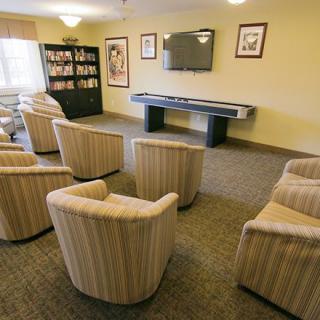
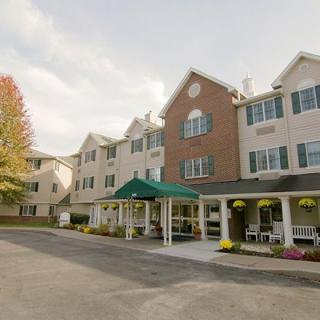
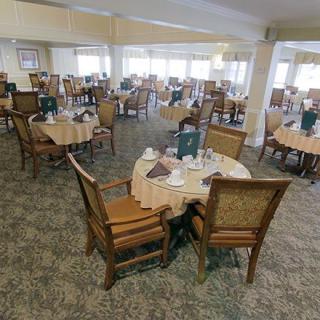
The strongest, consistently referenced positives are standout staff hospitality and a culture that feels welcoming. Residents and family members frequently highlight the kindness of nurses and aides, the sense of community, and the ability to form meaningful friendships. The facility’s aesthetics, clean, attractive common spaces and a calm, homey feel, contribute to a positive first impression. Therapy services receive frequent praise as a real strength, with rehab teams described as capable and attentive. In many days and visits, the atmosphere feels hopeful and people appear content with the social and physical environment provided.
Yet the most consequential concerns run directly against the core expectations of a safe, well-managed care setting. Several reviews recount dramatic failures in care, including a caregiver response that felt too slow or inconsistent, and a director who failed to resolve critical issues. Alarm pendants and safety monitoring are described as unreliable in at least one case, with a family reporting a disappearance of timely response that culminated in a resident being found after a fall. Food quality is criticized by at least one reviewer, painting a picture of a facility where daily life does not consistently meet basic nutritional expectations. A broader negative tone about accountability and management quality appears in multiple accounts, signaling ongoing organizational strains that can ripple into care reliability.
Those positive elements, staff warmth, the social fabric, and strong therapy, do offset some everyday quality-of-life gains, but they do not fully counter the weight of safety and governance concerns. The welcoming staff and rehabilitative offerings create meaningful moments and progress for many residents, sustaining engagement and independence where possible. For families shopping with medical acuity in mind, however, these offsetting benefits are insufficient to mask the risk signals raised by persistent reports of delayed responses, perceived neglect, and governance gaps. In practical terms, the appeal of a vibrant community life must be weighed against the potential for critical lapses in safety and accountability.
Decision-makers should be explicit about where care needs fall on the spectrum. If a loved one requires predictable, prompt medical attention, reliable fall response, and clear lines of accountability for management and frontline staff, alternatives should be seriously considered. The existence of strong social life and capable rehabilitation does not absolve the organization from delivering consistently dependable care. Families who prioritize a structured, well-documented care plan, transparent staffing patterns, and proven incident management would do well to compare other options that demonstrate stronger safety track records and more responsive leadership.
For those who still gravitate toward Emeritus at White Chapel, a disciplined, hands-on due-diligence plan is essential. Schedule comprehensive tours and observe interactions across departments. Ask direct questions about pendant response times, incident escalation protocols, and recent staffing changes at the management level. Request current lists of routine quality metrics, and seek recent state inspection results or surveys that address safety, nutrition, and staff training. Talk with current residents and families about what changes have occurred in the past year, and demand concrete examples of how safety concerns were resolved. If a resident’s needs are moderate and the emphasis is on a supportive community with strong therapy, this community can deliver; if medical needs are higher or risk tolerance is low, it is prudent to keep exploring other communities with more robust safety assurances and steadfast leadership.
 112 resident community capacity
 Assisted Living
 Memory Care
 Respite Care
 Air-conditioning
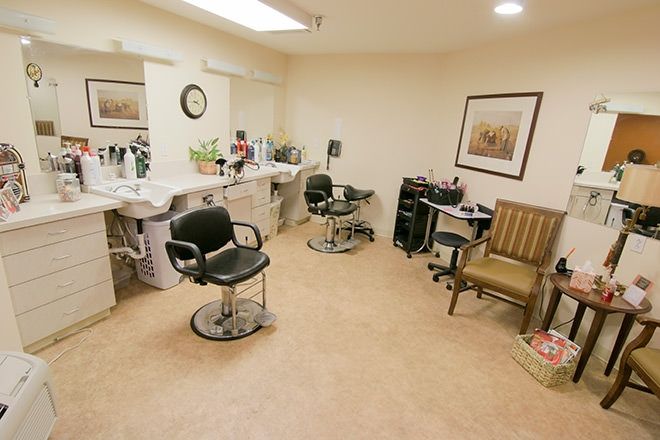
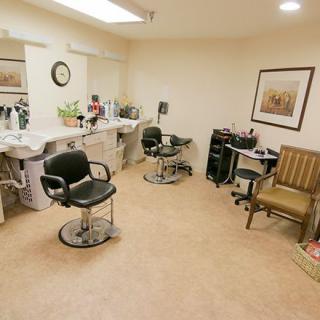
 Beauty salon
 Cable or satellite TV
 Computer center
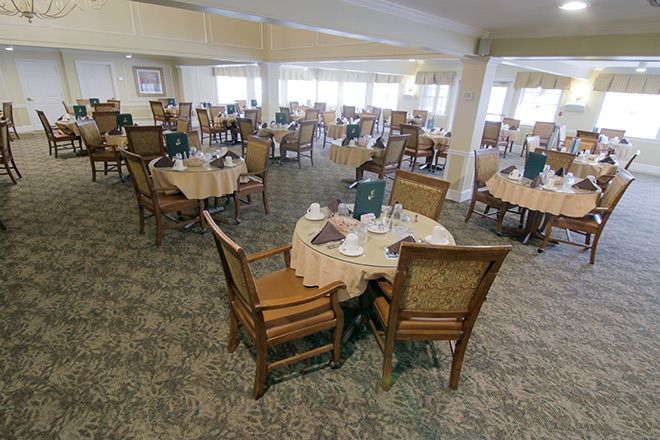
 Dining room
 Fitness room
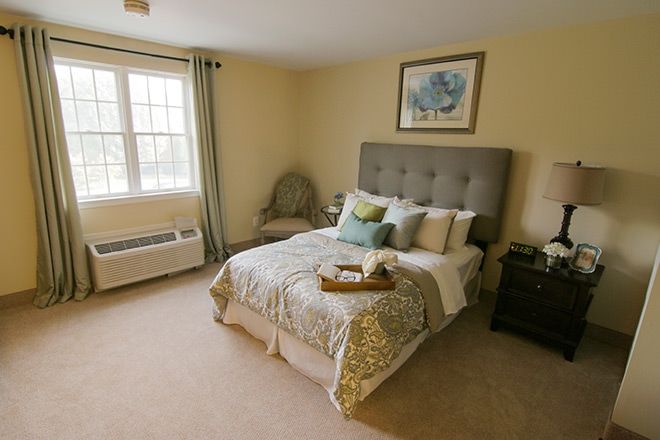
 Fully furnished
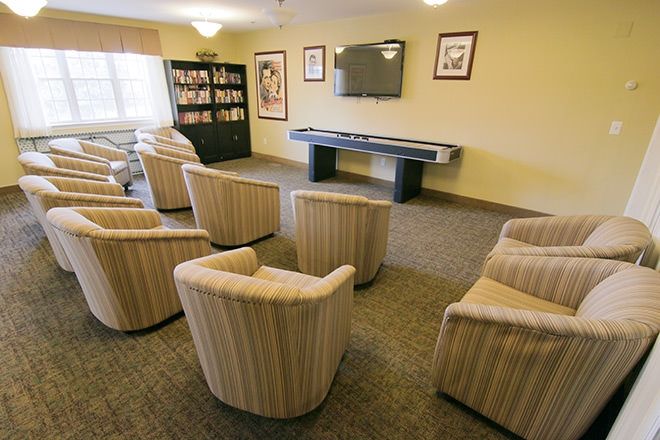
 Gaming room
 Garden
 Housekeeping services
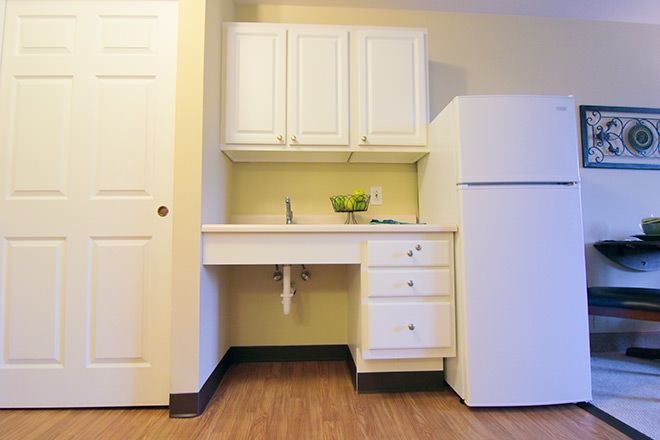
 Kitchenette
 Move-in coordination
 Outdoor space
 Private bathrooms
 Restaurant-style dining
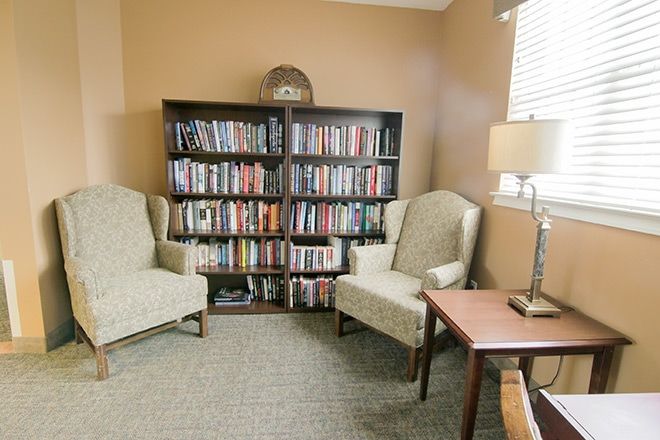
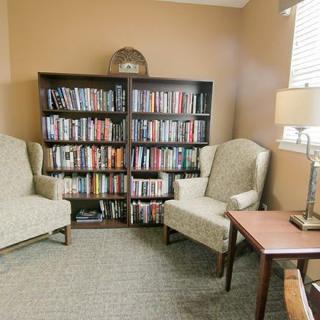
 Small library
 Telephone
 Wellness center
 Wi-Fi/high-speed internet available
 New Castle County (7 miles away)
 Community operated transportation
 12-16 hour nursing
 24-hour call system
 Activities of daily living assistance
 Assistance with bathing
 Assistance with dressing
 Assistance with transfers
 Diabetes diet
 Medication management
 Mental wellness program
 Special dietary restrictions
 Concierge services
 Planned day trips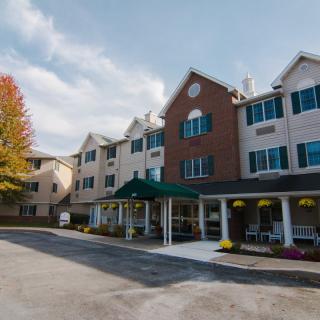



 Understanding Dementia Through Its Seven Stages: A Comprehensive Look at Progression and Expectations
 Safeguarding Your Memory Through the Golden Years: Eight Ways to Preserve Cognitive Health
 Comprehensive Insights into Activities of Daily Living (ADLs) and Their Assessment