1800 Singerly Rd, Elkton, MD 21921
To contact a resident: (410) 398-9670
For more information about senior living options: (866) 208-4318
Overall Review of Well Homed, Inc - Singerly House
Pros
 Well Homed is an amazing assisted living facility.
- The personnel are amiable and helpful.
- The features are outstanding along with the activities provided.
- Residents enjoy a welcoming, home-like environment with safe surroundings.
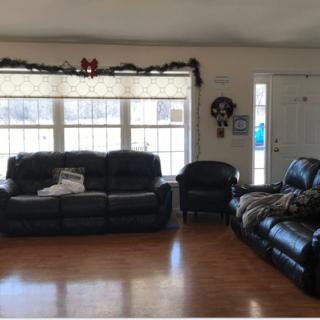
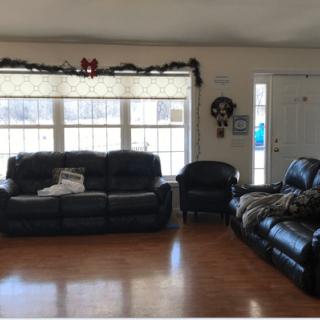
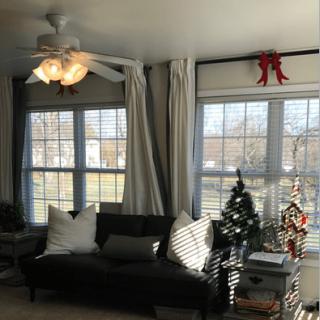
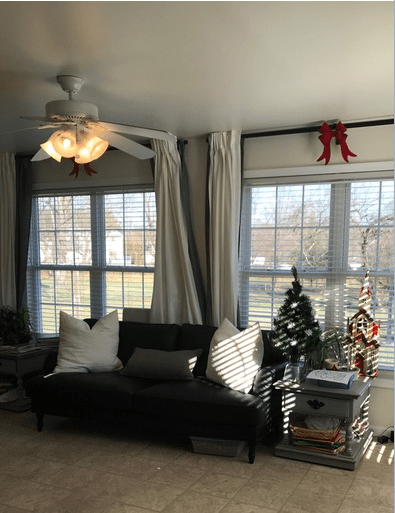
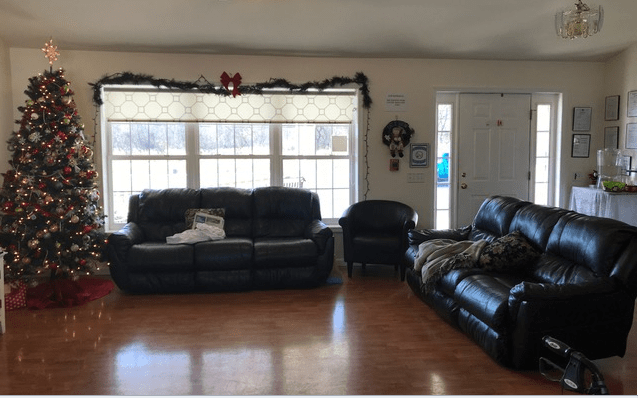
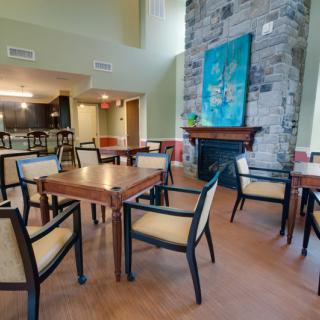
- The architecture maximizes natural light and creates an open, inviting space.
- The staff and owners consistently go above and beyond to meet residents' needs.
- The care is personalized, ensuring residents feel safe and well cared for.
- The residence offers many activities, with opportunities for family involvement.
- The meals are home-cooked and delicious, reflecting care for nutrition and flavor.
- The facility is immaculate, clean, and bright.
- The owners and staff stay in touch with families, providing regular updates and photos.
- Well Homed has shown resilience and creativity, offering engaging activities even during the pandemic.
Cons
 The food was not fresh.
- Visitation was impossible due to COVID-19.
- She was essentially kicked out after 20 days.
Review
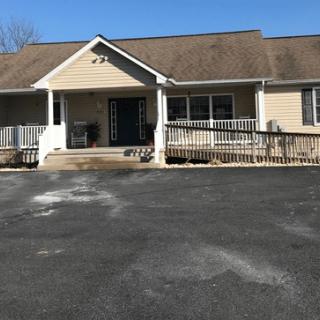
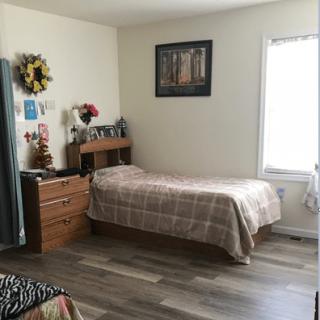
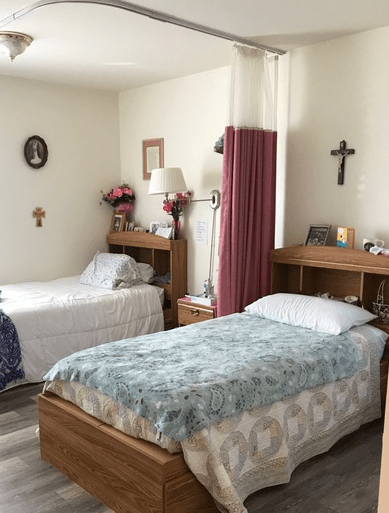
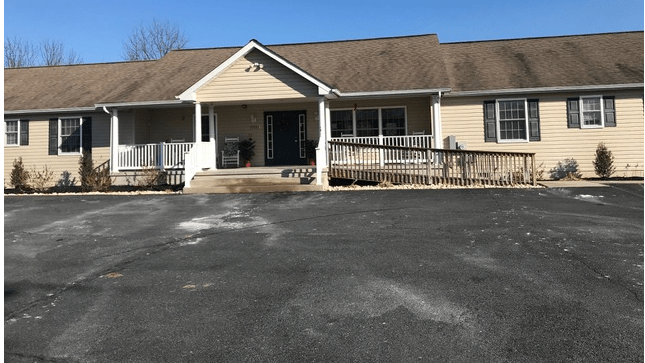
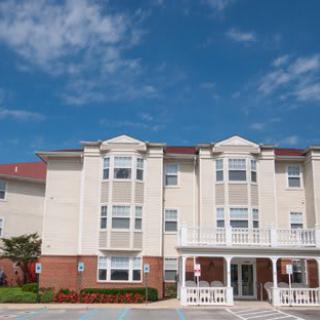
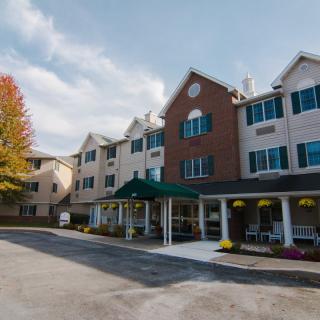
Well Homed, Singerly House in Elkton, MD is best suited for families seeking a small, home-like assisted living where residents are known by name and care feels deeply personal. The community operates like a tight-knit, family-run setup, with owners and staff actively guiding daily life. With around 16 residents, it delivers a highly attentive atmosphere without the bustle of a larger campus. Residents participate in regular activities, and family involvement is welcomed as a core feature. The environment emphasizes comfort and safety, easy access around a nicely landscaped yard, a front porch, and living spaces designed to maximize natural light. For families prioritizing warmth, continuity of care, and a true sense of belonging, this is the standout option.
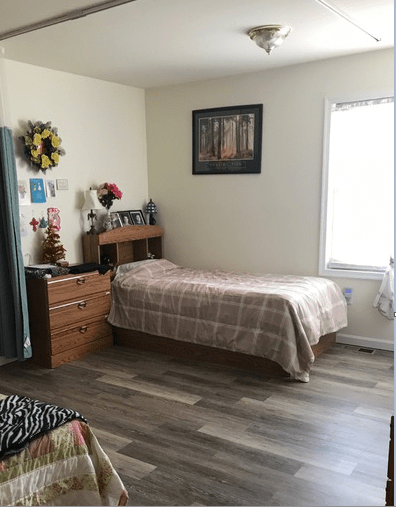
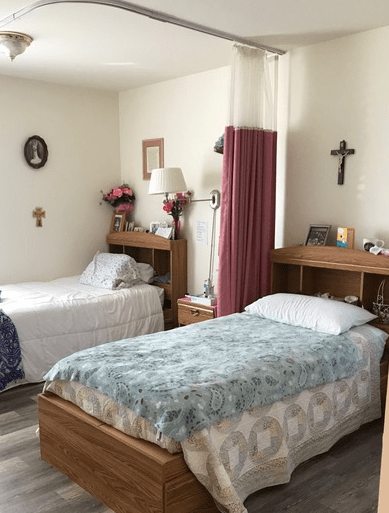
Those who need very private accommodations or a broad menu of on-site therapies may want alternatives. While some residents share bedrooms and the rooms are compact, the trade-off is a high-touch, relational model where staff members know each resident's preferences and routines. The small scale means fewer on-site amenities and less capacity for rapid specialization, which matters for people requiring extensive rehab services, multiple private bedrooms, or a wide array of clinical therapies. For families seeking a bustling campus with dozens of programs, more formalized memory-care environments, or expansive transportation networks, a larger facility would likely be a better fit.
The core strengths lie in the human touch: a high staff-to-resident ratio, consistent attentiveness, and leadership that's actively involved. Staff and owners are described as genuinely caring, going above and beyond to meet needs. The intimate setting enables one-on-one attention, ensuring meals are balanced, daily activities are tailored, and safety concerns are promptly addressed. Residents enjoy home-cooked meals, well-kept common areas, and accessible outdoor spaces that invite daily activity and family visits. Families receive regular updates through texts and photos, which, in turn, reinforces trust and reduces the distance between the resident and loved ones. These factors, taken together, offset the limitations of a smaller footprint.
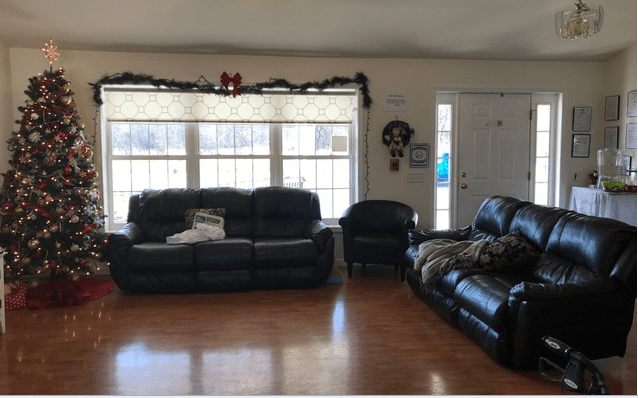
Design and atmosphere play a real role in care quality. Open-concept kitchens, large granite countertops, abundant natural light, and bright, immaculate interiors create a welcoming, homeowner feel. The setting makes social interaction easy, porches, a backyard path, and a calendar full of in-house and family-friendly events bolster everyday engagement. The owners' hands-on approach translates into consistency of care and quick decision-making, which is especially valuable for families navigating transitions from hospital stays to independent living. When the trust is built early, the likelihood of smooth ongoing coordination, medication management, transportation coordination, and activity placement, rises sharply.
While the positives are persuasive, the small scale does carry trade-offs. The bedrooms are on the smaller side, and some residents share rooms, which may be a drawback for those seeking maximum privacy. Yet the upside is a truly intimate community where staff members know every resident by name and where companionship comes naturally. The emphasis on nutrition, socialization, and routine reduces the risk of isolation and helps families feel involved without micromanaging care. For households comparing value, the blend of attentive caregiving, home-style meals, and a lower-stress living environment often translates into a higher perceived quality of life at a cost that remains competitive with similar options.
In decision-making terms, Well Homed, Singerly House rewards families who prioritize warmth, stability, and daily engagement over campus scale. It is a superior choice for those who want a trusted, home-like setting with consistent communication and personalized attention. For families requiring private bedrooms, a broader array of on-site therapies, or extensive rehab services, alternatives with larger footprints may be more appropriate. Prospective residents should tour with a checklist: room options, actual daily routines, meal quality, activity calendars, and conversations with the directors about care plans and transition support. This approach ensures the fit is precise and the path to choosing is clear.
 Activities on-site
 Air-conditioning
 Beautician on-site
 Devotional services off-site
 Indoor common areas
 Outdoor common areas
 Respite or short term stays offered
 Wheelchair accessible showers
 Wi-Fi/high-speed internet available
 New Castle County (13 miles away)
 Ambulatory care
 Diabetic care
 Incontinence care
 Medication management
 Meals provided
 BBQs or picnics
 Birthday parties
 Catholic services
 Day trips and outings
 Live dance or theater performances
 Live musical performances
 Trivia games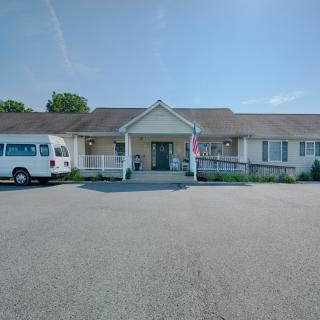

 Navigating Medicare Coverage for In-Home Care Services
 In-Home Care Costs in 2025: A Detailed State-by-State Exploration
 Understanding Home Health Care: A Comprehensive Guide