For more information about senior living options: (866) 208-4318
1.9 from 69 reviews
5 stars
12
4 stars
4
3 stars
1
2 stars
3
1 stars
49
Laurelwood Healthcare Center - Elkton Costs & Pricing
At Laurelwood Healthcare Center in Elkton, the monthly cost for a private room is $4,887. This figure is slightly lower than the average private room rate in Cecil County, which stands at $4,993. When compared to the broader Maryland state average of $4,112 for similar accommodations, Laurelwood's pricing reflects a competitive positioning within the local market while still providing quality care and services tailored to residents' needs. This balance of cost and quality makes Laurelwood an appealing choice for families seeking specialized healthcare options in the region.
Floor plans
Laurelwood Healthcare Center - Elkton
Cecil County
Maryland
Private
$4,887
$4,993
$4,112
Skilled Nursing Facilities with a similar price nearby
Overall Review of Laurelwood Healthcare Center - Elkton
caveat17 reviews mention this
Medication and response disappointments
Residents and families describe delayed or missed medications and slow responses to call buttons.
A recurring concern in the reviews is medication timeliness, with multiple people describing doses being skipped, given late, or described as missing until someone intervened. Several reviews also describe long waits for basic requests and slow follow-through after residents ring for help. A few accounts connect these problems to serious health outcomes or declines, while others describe everyday pain and discomfort that did not feel addressed quickly enough.
common16 reviews mention this
Care quality ranges widely
Staff compassion is praised, even though other reviews describe neglect and unprofessional conduct.
Some reviews describe the nursing staff and CNAs as kind, attentive, and investedā€”checking on residents, keeping family informed, and making people feel comfortable. Several reviewers also mention responsive communication during tours or visits and highlight specific staff members as supportive. At the same time, other residents and families describe staff behavior as rude or unprofessional, with problems including missed care needs, lack of urgency, and poor handling of incidents.
caveat14 reviews mention this
Cleanliness and maintenance concerns
Reviews frequently mention cleanliness issues, including rooms, bathrooms, and hygiene support.
A number of reviews report dirty or poorly maintained rooms and bathrooms, including claims that toileting and bed upkeep were not handled as expected. Others describe concerns around hygiene such as missed showers and cleanliness lapses that families had to address themselves. There are also a few positive remarks about the facility being clean and well-organized, which adds to the sense that the experience can vary.
caveat6 reviews mention this
Food quality is a point of dispute
Dining reviews are mixed, with some residents saying meals are poor and others noting diet options.
Several reviews say the food quality is lacking, describing meals as awful or not healthy, even when residents liked the staff. Other comments point out that diet-related needs are part of the care plan, since diabetes diets and special dietary restrictions are listed as part of dining. That combination suggests meals can be handled for specific requirements, but residents may still be unhappy with taste or overall dining experience.
caveat
Skilled nursing pricing comparison
Pricing for this skilled nursing option is compared against county and state benchmarks.
Pricing information provided for the private option shows it is slightly below the county comparison and above the state comparison. The reviews, however, focus far more on day-to-day care reliability than on cost, with both positive and negative experiences appearing across the same overall category of care.
common2 reviews mention this
Nearby medical options
There are nearby pharmacy and physician options within about half a mile.
For families who value quick access to everyday care, the area includes multiple physician offices and pharmacies close by. There is also a hospital option within roughly half a mile, which aligns with having medical resources nearby for non-emergency needs.
How we summarize
We summarize when many written reviews mention each theme; a review can touch several themes, and only frequently mentioned themes are displayed.
Features
Housing
133 resident community capacity
Types of Care
Skilled Nursing Facility
Amenities
Air-conditioning
Beauty salon
Cable or satellite TV
Computer center
Dining room
Fitness room
Fully furnished
Gaming room
Garden
Housekeeping services
Kitchenette
Move-in coordination
Outdoor space
Private bathrooms
Restaurant-style dining
Small library
Telephone
Wellness center
Wi-Fi/high-speed internet available
Transportation
New Castle County (13 miles away)
Community operated transportation
Transportation arrangement
Transportation arrangement (non-medical)
Transportation to doctors appointments
Care Services
12-16 hour nursing
24-hour call system
24-hour supervision
Activities of daily living assistance
Assistance with bathing
Assistance with dressing
Assistance with transfers
Diabetes diet
Meal preparation and service
Medication management
Mental wellness program
Special dietary restrictions
Dining
Diabetes diet
Special dietary restrictions
Activities
Community-sponsored activities
Concierge services
Fitness programs
Planned day trips
Resident-run activities
Scheduled daily activities
Nearby Places of Interest
This area of Elkton, Maryland offers a variety of amenities and services for seniors looking to live in a convenient and accessible location. With multiple pharmacies within close proximity, accessing medication and healthcare services is easily achievable. Additionally, there are several physicians' offices nearby for regular check-ups and medical care. The presence of hospitals such as The Wound Care Center at Union Hospital ensures that emergency medical services are readily available. For leisure activities, there are cafes, restaurants, theaters, parks, and places of worship in the vicinity, providing opportunities for social engagement and relaxation. Furthermore, transportation options like Summit Airport offer convenience for travel needs. Overall, this area provides a well-rounded environment suitable for senior living with its range of amenities and services.
Pharmacies
Health Mart Pharmacy (0.4 miles)
Elkton Friendly Pharmacy (0.9 miles)
ACME Markets Pharmacy (1.1 miles)
Walgreens (1.5 miles)
Welcare Pharmacy (1.5 miles)
Rite Aid (2.1 miles)
Walgreens (5.1 miles)
Physicians
Edward O Tackey MD - Edward Tackey, MD (0.4 miles)
Ghosh Bijoy K MD (0.4 miles)
Chesapeake Sports and Orthopaedics (0.4 miles)
Khanjar Samir MD (0.4 miles)
Family Healthcare of Elkton (0.4 miles)
Gar-El David Dr (0.5 miles)
Wyman Julianne M Ms DDS (0.9 miles)
Hospitals
The Wound Care Center at Union Hospital (0.5 miles)
At Laurelwood Healthcare Center in Elkton, the monthly cost for a private room is $4,887. This figure is slightly lower than the average private room rate in Cecil County, which stands at $4,993. When compared to the broader Maryland state average of $4,112 for similar accommodations, Laurelwood's pricing reflects a competitive positioning within the local market while still providing quality care and services tailored to residents' needs. This balance of cost and quality makes Laurelwood an appealing choice for families seeking specialized healthcare options in the region.
Laurelwood Healthcare Center - Elkton is located at 100 Laurel Drive, Elkton, MD 21921 in Cecil County, Maryland
Nearby Communities
North Street Senior Residences
Elkton, MD
2.3 from 19 reviews
$565 to $969 / month
Attractive exterior and dependable maintenance.
Elkton Senior Apartments
Elkton, MD
$795 / month
Affordable 1-bedroom units ($795/mo) with private baths and proximity to cafes, pharmacies, physicians, hospitals, and dining.
Endearment
Elkton, MD
5 from 2 reviews
Extensive amenities and comprehensive care services (24-hour supervision, medication management, care coordination, dietary support).
Caraway Manor II
Elkton, MD
4 from 22 reviews
$4,300 / month
Friendly staff, welcoming atmosphere, and good dining options.
Chesapeake Apartments
Elkton, MD
Vibrant assisted living with abundant nearby amenities (cafes, pharmacies, physicians, restaurants, theater) and quick access to medical care.
Caraway Manor
Elkton, MD
3.9 from 18 reviews
$3,300 to $4,000 / month
Loving, skilled caregivers in a warm, welcoming environment.
Well Homed, Inc - Singerly House
Elkton, MD
4.9 from 16 reviews
Intimate, home?like setting with attentive staff and affordable pricing.
Victoria Park at North East
North East, MD
4.1 from 17 reviews
$1,001 to $3,200 / month
Clean, spacious apartments with a friendly community and responsive staff.
Paramount Senior Living at Newark
Newark, DE
4.1 from 91 reviews
$3,870 to $6,270 / month
Clean, welcoming environment with friendly staff, good dining options, and engaging activities; on-site medical services and transportation add convenience.
The article examines living wills and advance directives, highlighting their significance in expressing healthcare preferences for those unable to communicate due to illness or incapacity. It discusses their historical development, legal components, limitations, practical drafting advice, and the importance of clear communication among families and healthcare professionals regarding end-of-life decisions.
Hospice care focuses on providing comfort and support for individuals nearing the end of life, with Medicare Part A covering services like nursing care and counseling for patients with a terminal illness and a life expectancy of six months or less. While most hospice services are low-cost for eligible patients, families should be aware that certain expenses, such as room and board, may not be covered.
Caregiver burnout is a common issue resulting from the intense physical, emotional, and mental demands of caregiving, leading to symptoms like fatigue and social withdrawal. To prevent burnout, caregivers should recognize early warning signs and implement self-care strategies, seek support, and prioritize their own well-being alongside that of those they care for.
Get PricingAsk A QuestionSchedule A TourContact Senior Advisor
By clicking submit, you agree to our Partner's Terms of Use. You
also consent to receive calls and texts, which may be autodialed, from our Partner. Your consent is not a condition to
using our Partner's service. Please visit our Partner's Privacy Policy for information about their privacy practices.

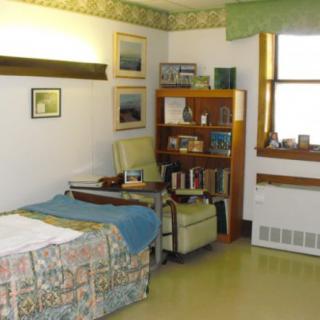
 133 resident community capacity
 Skilled Nursing Facility
 Air-conditioning
 Beauty salon
 Cable or satellite TV
 Computer center
 Dining room
 Fitness room
 Fully furnished
 Gaming room
 Garden
 Housekeeping services
 Kitchenette
 Move-in coordination
 Outdoor space
 Private bathrooms
 Restaurant-style dining
 Small library
 Telephone
 Wellness center
 Wi-Fi/high-speed internet available
 New Castle County (13 miles away)
 Community operated transportation
 12-16 hour nursing
 24-hour call system
 Activities of daily living assistance
 Assistance with bathing
 Assistance with dressing
 Assistance with transfers
 Diabetes diet
 Medication management
 Mental wellness program
 Special dietary restrictions
 Concierge services
 Planned day trips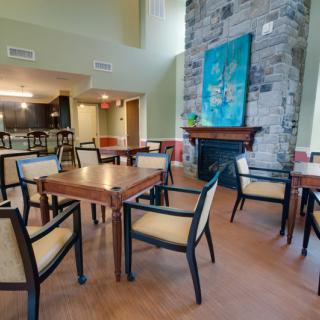
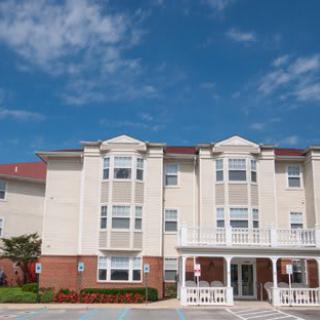
 Attractive exterior and dependable maintenance.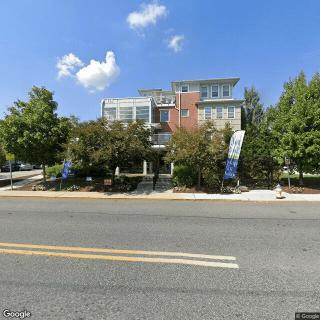
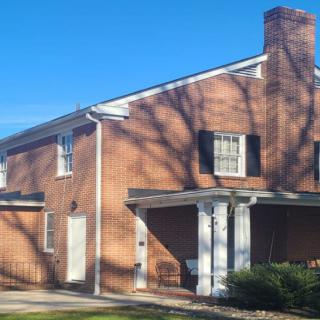
 A Detailed Exploration of Living Wills and Advance Directives
 Comprehensive Guide to Medicare Coverage for Hospice Care
 Caring for Those Who Care: Recognizing, Understanding, and Overcoming Caregiver Burnout