At Nutmeg Pavilion Healthcare, the monthly costs for various room types reflect a competitive yet distinct pricing structure when compared to New London County and the wider state of Connecticut. For a private room, Nutmeg Pavilion charges $7,170, which is considerably higher than the county average of $5,338 but remains above the state average of $5,479. Interestingly, for studio accommodations, Nutmeg Pavilion's rate matches its private room price at $7,170; however, this figure starkly contrasts with New London County's significantly higher cost of $12,712 while still being below the state's average of $5,919. These figures highlight Nutmeg Pavilion's positioning in the market and suggest that while some costs may exceed local averages, they can provide value through quality care and services tailored to residents' needs.
Floor plans
Nutmeg Pavilion Healthcare
New London County
Connecticut
Private
$7,170
$5,338
$5,479
Studio
$7,170
$12,712
$5,919
Skilled Nursing Facilities with a similar price nearby
Residents and families repeatedly describe caring, compassionate staff who pay attention to needs.
A large share of reviews highlight the same pattern: staff members are described as compassionate, attentive, and willing to go above and beyond. Multiple people mention cleanliness and a well-run feel, along with frequent check-ins and help with day-to-day requests. Even among the negative reviews, the overall tone centers on care and attention to residents rather than facility basics.
differentiator9 reviews mention this
Rehab and therapy help residents improve
Reviews often connect therapy and rehab to noticeable recovery and better mobility.
Several residents and families describe physical and occupational therapy as a meaningful part of recovery, including guidance during sessions and progress after surgery or rehab stays. A few reviews specifically mention the therapy gym or therapists by name, describing strong results such as walking improvements and improved ability to manage health conditions. One review also frames the experience as a return-to-independence turning point.
common6 reviews mention this
Activities give residents routine and fun
Many reviews mention activities that keep residents engaged and socially connected.
Reviews frequently point to the activities program as a steady source of distraction and enjoyment. People mention playing games like bingo and cards, plus organized group activities and social time. A few reviews also connect activities to emotional wellbeing by describing residents as happier, busier, and able to meet others.
common4 reviews mention this
Memory care support stands out
Families describe memory-care staff as especially involved and communicative.
For residents with Alzheimer’s or dementia, reviews describe caregivers as diligent and compassionate, including support focused on daily routines and behavior changes. Multiple people mention regular communication and updates about care needs, which they say helped during difficult transitions. At the same time, one critical review raises concerns about safety in the dementia ward, so families considering memory care may want to ask detailed questions during the process.
caveat6 reviews mention this
Safety and staffing concerns appear
A smaller set of reviews raises concerns about staffing, attention, and resident safety.
Several low-rating reviews cite problems like falls, delayed or inadequate attention, and staff not knowing a resident’s health status. Some reviewers also criticize communication and responsiveness, while one review describes suspected neglect-related outcomes. Because these concerns show up in more than one review, it’s worth verifying expectations for staffing levels, supervision, and day-to-day safety checks.
How we summarize
Counts show how many written reviews mention each theme; a review can touch several themes, and only frequently mentioned themes are displayed.
Features
Types of Care
Memory Care
Skilled Nursing Facility
Amenities
Private
Nearby Places of Interest
This part of New London, Connecticut offers a diverse range of amenities and services that cater to senior living. With several physicians, pharmacies, and hospitals within close proximity, residents have easy access to medical care and support. The area also boasts a variety of restaurants and cafes for dining options, as well as parks for leisurely walks and relaxation. Additionally, transportation options are readily available at the nearby New London Union Station for convenient travel. Places of worship and theaters provide cultural and spiritual enrichment opportunities, while the Regal Cinemas Waterford 9 offers entertainment options for residents. Overall, this part of New London provides a well-rounded community with essential services and recreational activities tailored for senior comfort and convenience.
Physicians
Connecticut Behavioral Health Associates PC (0.3 miles)
At Nutmeg Pavilion Healthcare, the monthly costs for various room types reflect a competitive yet distinct pricing structure when compared to New London County and the wider state of Connecticut. For a private room, Nutmeg Pavilion charges $7,170, which is considerably higher than the county average of $5,338 but remains above the state average of $5,479. Interestingly, for studio accommodations, Nutmeg Pavilion's rate matches its private room price at $7,170; however, this figure starkly contrasts with New London County's significantly higher cost of $12,712 while still being below the state's average of $5,919. These figures highlight Nutmeg Pavilion's positioning in the market and suggest that while some costs may exceed local averages, they can provide value through quality care and services tailored to residents' needs.
Dementia encompasses progressive neurological disorders that impair cognitive functions and can lead to paranoia due to cognitive decline and emotional changes. The article discusses the triggers of paranoia in dementia, caregiver strategies for managing it, and the importance of distinguishing between dementia-related paranoia and other psychiatric conditions.
Memory care activities are essential for improving the quality of life of seniors with cognitive impairments, as they stimulate cognitive function, promote well-being, and encourage social interaction through tailored strategies. These activities combine structured exercises with spontaneous tasks, sensory engagement, physical workouts, creative pursuits, and intergenerational interactions to enhance emotional connection and a sense of purpose.
Transitioning from assisted living to memory care is driven by an individual's cognitive decline and specific needs, requiring careful evaluation of indicators like increased confusion and wandering. The process involves consulting medical professionals, researching suitable communities, considering financial and legal aspects, and ensuring effective communication for personalized care plans.
Get PricingAsk A QuestionSchedule A TourContact Senior Advisor
By clicking submit, you agree to our Partner's Terms of Use. You
also consent to receive calls and texts, which may be autodialed, from our Partner. Your consent is not a condition to
using our Partner's service. Please visit our Partner's Privacy Policy for information about their privacy practices.



 Memory Care
 Skilled Nursing Facility
 Private
 Comprehensive on-site amenities and 24/7 care support.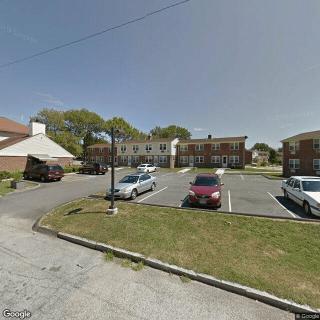


 Dementia, Paranoia, and Caregiver Guidance: Understanding the Connection
 Engaging Memory Care Activities That Enhance Quality of Life
 When to Transition from Assisted Living to Memory Care: Key Indicators, Steps, and Finding the Right Community