
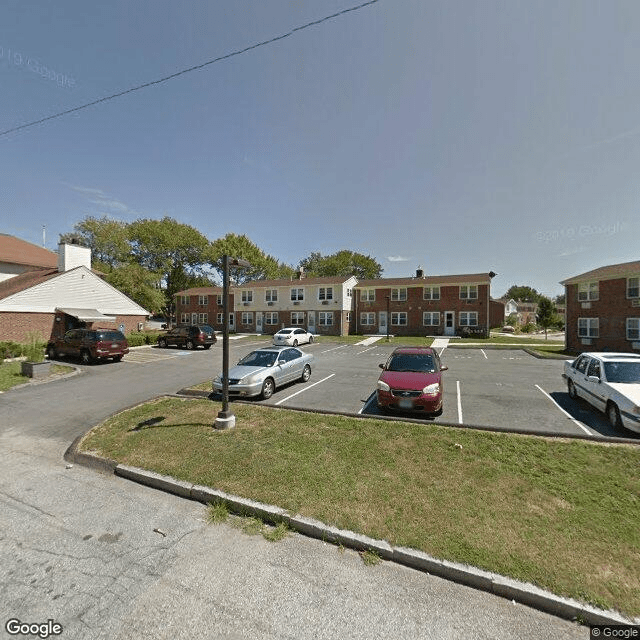
21 Laurel Drive, New London, CT 06320
To contact a resident: (203) 537-1130
For more information about senior living options: (866) 208-4318
Pride Point Apartments Costs & Pricing
Pride Point Apartments offers a competitive rental rate for its two-bedroom units at $832 per month, significantly lower than the average costs in both New London County and the broader state of Connecticut. In contrast, New London County sees monthly rents averaging around $3,779, while state-wide figures soar to approximately $5,070. This remarkable difference highlights Pride Point Apartments as an attractive option for those seeking quality housing at a more affordable price point, catering to budget-conscious renters without compromising on comfort or convenience.
| Floor plans | Pride Point Apartments | New London County | Connecticut |
|---|---|---|---|
| 2 Bedrooms | $832 | $3,779 | $5,070 |
Senior living communities with a similar price nearby
-
from -$57 / mo

Hedgewood Apartments
$775 to $850 / month13.5 miles away -
from -$57 / mo

Norwich Apartments
$775 to $800 / month13.5 miles away -
About the same
Progress Point Apartments
$832 / month0.0 miles away
Overall Review of Pride Point Apartments
Cons
 After being contacted, Hue asked for two available days and confirmed, but property management never replied to schedule a tour.
- The reviewer has repeatedly been unable to get a tour, despite efforts last year and again this year, which is very disappointing and a huge waste of time.
- The manager is rude.
- The reviewer claims discriminatory treatment toward white people: basically, don’t bother if you’re white.
- The applicant faced a long, inconsistent wait for a 3-bedroom apartment, with multiple price changes and no word for well over a year.
Review
Pride Point Apartments in New London, CT is best suited for buyers or families who can tolerate a painfully slow, opaque leasing process and who do not depend on responsive, courteous management to make housing decisions. The clearest signal from the current experience is that scheduling a tour or receiving timely updates is not reliable, and that basic courtesy in handling inquiries is inconsistent at best. For someone needing timely information, a straightforward application-and-tour flow, or any sense of professional follow-through, this community is not a good fit.
Those who should seriously consider alternatives include families hoping to secure a move-in plan with predictable timelines, seniors considering housing options tied to ongoing support services, and anyone who values respectful, proactive communication from a property team. The most troubling indicators are repeated failures to respond to tour requests, a manager described as rude by residents, and allegations of discriminatory conduct. Coupled with substantial, shifting wait times for a modestly priced unit, these factors make Pride Point a risky choice for anyone hoping to align housing with a defined schedule or assurance of fair treatment.
The principal cons are substantial and recurring. Prospective tenants face repeated barriers to even the first step of the process: arranging a tour. A pattern emerges where inquiries are acknowledged but never followed through, leaving interested parties in limbo with no clear path forward. Management behavior is another red flag, with at least one review labeling the on-site manager as rude. A further, more serious concern is an allegation of racial bias, suggesting an environment where applicants may encounter unequal treatment. In addition, the wait for a suitable unit is lengthy and unpredictable, with prices and availability changing multiple times and no reliable commitment on when a unit will open, often extending well beyond a year. These issues undermine trust, predictability, and the peace of mind families seek when planning a housing transition.
Do the few potential positives offset these drawbacks? To an extent, there is a clear lure: the possibility of a large, affordable three-bedroom unit at roughly affordable market rates, with the option of a recent price point around a modest amount. However, the financial upside is dramatically undercut by the operational downsides. When the path to occupancy is blocked by slow communication, inconsistent pricing, and a tense office atmosphere, potential savings become symbolic rather than real. The absence of reliable updates nullifies any perceived value, and the prospect of a very long wait without steady information erodes confidence that the residence can ever become a viable home.
For families evaluating options, the prudent course is to demand clarity up front: expected wait times, unit availability by size, and a written policy on communication timelines. Verify whether tours can be scheduled within a reasonable window, and insist on a contact point who will follow through. Probe the property about nondiscrimination policies and the steps taken if bias concerns arise, along with concrete examples of how management handles inquiries from prospective residents. If these assurances cannot be documented in writing, or if responsiveness remains spotty, it is wiser to consider communities with demonstrated track records of professional management, transparent leasing processes, and respectful resident engagement.
In the final assessment, Pride Point Apartments does not presently present the stability and service level sought by families navigating a transition into housing with or without supportive services. The strongest recommendation is to explore other options first, especially communities with clear, timely communication, professional conduct from leadership, and predictable leasing timelines. If the goal is to secure a orderly, respectful, and efficient move, alternatives should be pursued with urgency, while Pride Point is reserved for those for whom the risk is acceptable and the stakes are low enough to tolerate chronic ambiguity and inconsistent treatment.
 Active Adult Communities (55+)
 Very affordable rent ($832/mo for a 2-bedroom) with extensive nearby amenities.






 Understanding the Nuances of Palliative Care and Hospice: A Comprehensive Exploration
 Is In-Home Healthcare Tax Deductible? Your Comprehensive Guide
 Nurturing Well-Being Through Gardening: A Detailed Guide for Senior Enthusiasts