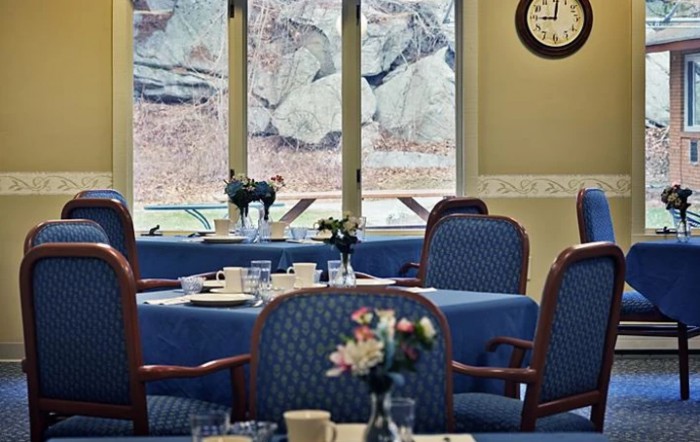
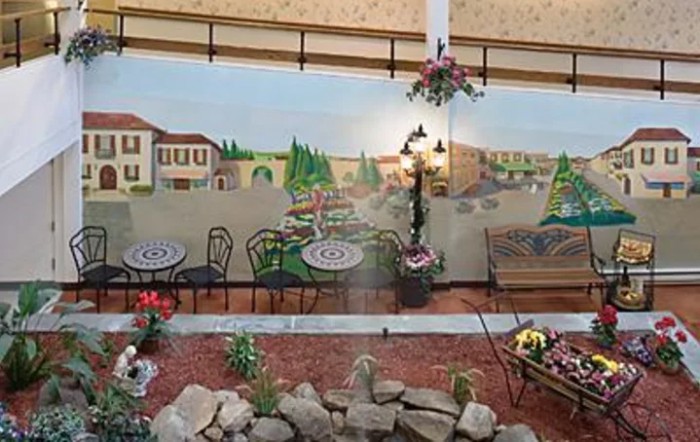
At Complete Care at Groton Regency, the monthly costs for care reflect a competitive pricing structure when compared to the broader landscape of New London County and Connecticut as a whole. For a semi-private room, residents can expect a monthly fee of $4,000, significantly lower than the county average of $5,155 and the state average of $5,829. Those opting for a private room will pay $7,000 per month; while this is higher than both the county's and state's averages - $5,338 and $5,479 respectively - it offers residents a more personalized living space within a reputable facility. Overall, Complete Care at Groton Regency provides valuable options that cater to varying needs without compromising on quality or care.
Floor plans
Complete Care at Groton Regency
New London County
Connecticut
Semi-Private
$4,000
$5,155
$5,829
Private
$7,000
$5,338
$5,479
Skilled Nursing Facilities with a similar price nearby
Residents and families repeatedly describe staff as kind and responsive.
Across many reviews, people describe staff who are attentive, respectful, and supportive during day-to-day care and rehab. Families say they feel listened to and kept in the loop about needs and progress, including responses when help is requested. Several reviews also call out compassionate communication and teamwork, with some naming specific staff members in positive comments.
common28 reviews mention this
Clean facilities and well kept rooms
Multiple reviews highlight a consistently clean, well maintained environment.
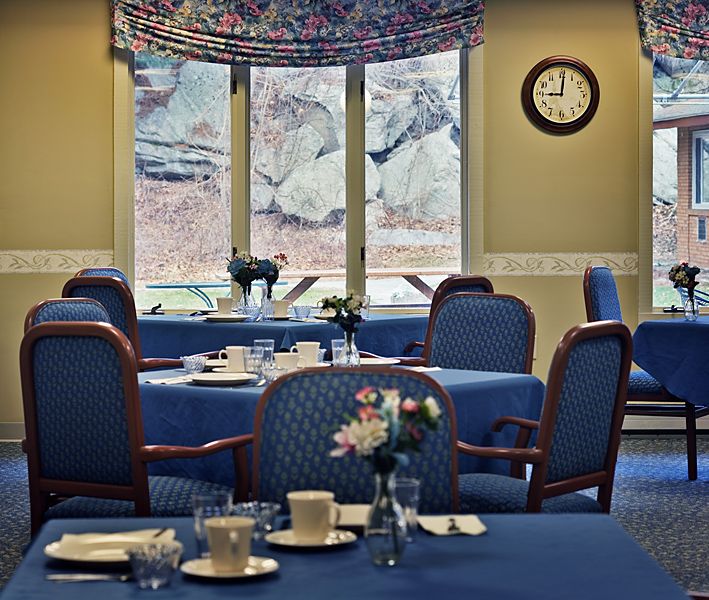
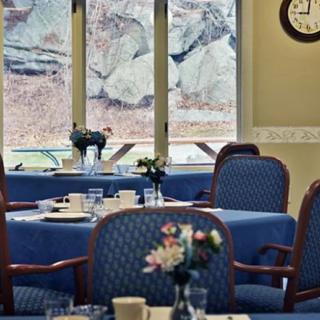
Many reviewers comment that the facility looks clean, organized, and welcoming, including the dining areas and rooms. Some describe cleanliness as something they noticed during visits, while others mention updated or maintained spaces that made them feel comfortable. A few reviews raise concerns about parts of the building needing updating or about cleanliness in specific areas, but the overall tone is that cleanliness is a strong point.
caveat16 reviews mention this
Dining quality is mixed
Food reviews run both positive and negative, with some dissatisfaction about meals.
Some residents and visitors praise the food, describing it as fresh, delicious, or enjoyable, and a few mention specific meal moments like lunch. Other reviews complain about cafeteria-style food, lack of variety, or food that did not meet needs for dietary preferences. There are also complaints tied to medical/diet accuracy, including one review about a person needing a purified diet not being served appropriately.
common10 reviews mention this
Activities and recreation keep residents engaged
Residents and families mention activities and recreation as part of daily life.
Several reviews describe a steady presence of activities that help residents stay entertained, including programs and events. Some reviewers specifically call out recreation as a positive part of care, while others mention social and communal moments that create a more comfortable atmosphere. The community also offers community-sponsored and scheduled daily activities, which aligns with these recurring observations.
differentiator3 reviews mention this
Care coverage includes memory support
Reviews mention dementia-related care while the community offers memory care programming.
A few reviews reference dementia and cognitive needs, describing meaningful support during challenging periods. This connects with the community’s stated focus on memory care programming and mild cognitive impairment support. While most comments are broad about care quality, these reviews are the clearest mentions of cognition-related needs.
common6 reviews mention this
Room setup and privacy get attention
Reviews note room comfort and, in some cases, private accommodations.
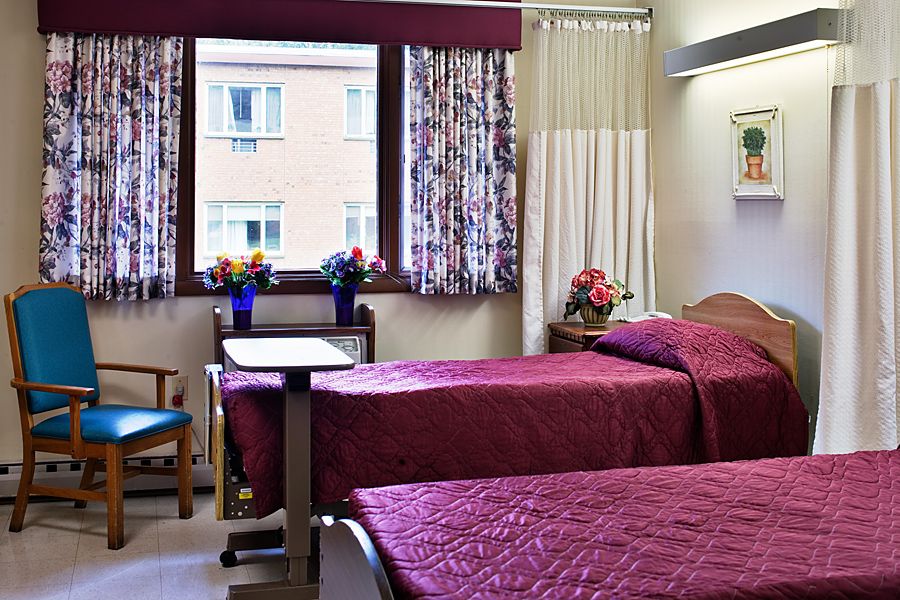
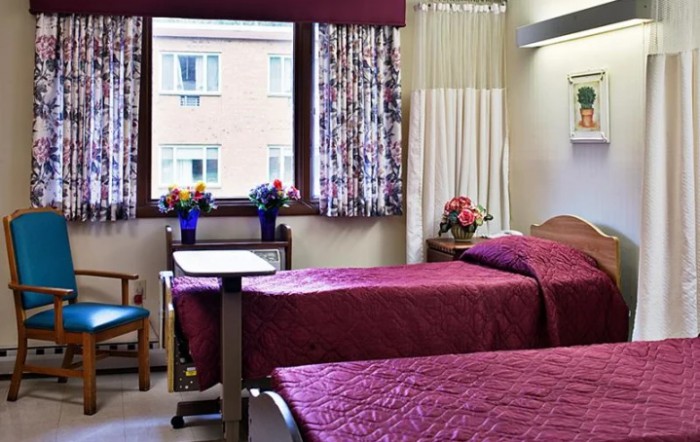
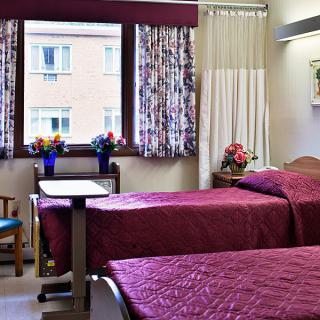
Some reviewers say the facility offers private rooms and describe rooms as clean, comfortable, and sufficient for their needs. Others mention room features and comfort during visits or longer stays. A small number of comments critique room condition or suggest the building needs updating, but positive room impressions appear more common than complaints.
differentiator
Lower pricing than county and state benchmarks
Pricing is positioned below both county and state benchmarks for listed room types.
Pricing for both semi-private and private options is shown as below county and state benchmarks. Reviews do not consistently discuss pricing itself, so the main grounding for this point is the listed pricing comparison rather than resident commentary. If cost is a deciding factor, this benchmark positioning may be worth confirming against the specific care level and availability you need.
How we summarize
We summarize when many written reviews mention each theme; a review can touch several themes, and only frequently mentioned themes are displayed.
Features
Housing
22 resident community capacity
Types of Care
Memory Care
Skilled Nursing Facility
Amenities
Beauty salon
Cable or satellite TV
Dining room
Fully furnished
Garden
Housekeeping services
Kitchenette
Move-in coordination
Outdoor space
Telephone
Wi-Fi/high-speed internet available
Care Services
24-hour call system
24-hour supervision
Activities of daily living assistance
Assistance with bathing
Assistance with dressing
Assistance with transfers
Coordination with health care providers
Diabetes diet
Meal preparation and service
Medication management
Mental wellness program
Mild cognitive impairment
Special dietary restrictions
Specialized memory care programming
Transportation arrangement (medical)
Transportation to doctors appointments
Dining
Diabetes diet
Special dietary restrictions
Activities
Community-sponsored activities
Scheduled daily activities
Nearby Places of Interest
Cafes
Starbucks (0.3 miles)
Muddy Waters Cafe (2.7 miles)
Washington Street Coffee House (2.9 miles)
Broken Yolk Cafe (3 miles)
Pharmacies
The Pink Mermaid (0.3 miles)
CVS Pharmacy (0.4 miles)
Electric Boat Family Pharmacy (1.1 miles)
Walgreens (1.1 miles)
Walgreens (3.2 miles)
CVS Pharmacy (3.3 miles)
CVS Pharmacy (4.2 miles)
Parks
Bluff Point State Park (0.5 miles)
Washington Park (1.7 miles)
Fort Griswold Battlefield State Park (2.1 miles)
Fort Trumbull State Park (2.6 miles)
The Park 2 (2.8 miles)
Toby May Park (3.3 miles)
Pequot Woods (3.4 miles)
Physicians
Phillips Integrated Health (0.5 miles)
ProHealth Physicians Women's Care (1.7 miles)
Women's Care Medical Center PC (1.7 miles)
Hutchins Christopher M MD (1.8 miles)
Thameside ObGyn Centre (1.9 miles)
Barri Cosmetic Laser Center (1.9 miles)
Seacoast Orthopedic Surgery & Sports Medicine (2 miles)
At Complete Care at Groton Regency, the monthly costs for care reflect a competitive pricing structure when compared to the broader landscape of New London County and Connecticut as a whole. For a semi-private room, residents can expect a monthly fee of $4,000, significantly lower than the county average of $5,155 and the state average of $5,829. Those opting for a private room will pay $7,000 per month; while this is higher than both the county's and state's averages - $5,338 and $5,479 respectively - it offers residents a more personalized living space within a reputable facility. Overall, Complete Care at Groton Regency provides valuable options that cater to varying needs without compromising on quality or care.
The range of features offered by Complete Care at Groton Regency is designed to address the unique challenges faced by residents with dementia or Alzheimer's disease. Assistance with dressing and bathing promotes dignity and comfort, while medication management ensures that residents adhere to their prescribed health regimens, reducing anxiety related to missed doses. Meal preparation and service cater to specific dietary needs, enhancing nutrition and overall health. Transportation arrangements for medical appointments facilitate access to essential healthcare services, ensuring continuity of care through coordination with health care providers. Activities of daily living assistance helps maintain autonomy in routine tasks, while 24-hour supervision provides safety and peace of mind for both residents and families. The focus on mental wellness through specialized programming addresses cognitive decline proactively, contributing to improved quality of life for those experiencing mild cognitive impairment and advanced stages of memory loss. Overall, these comprehensive services create a supportive environment tailored to the individual needs of each resident, fostering both physical well-being and emotional stability.
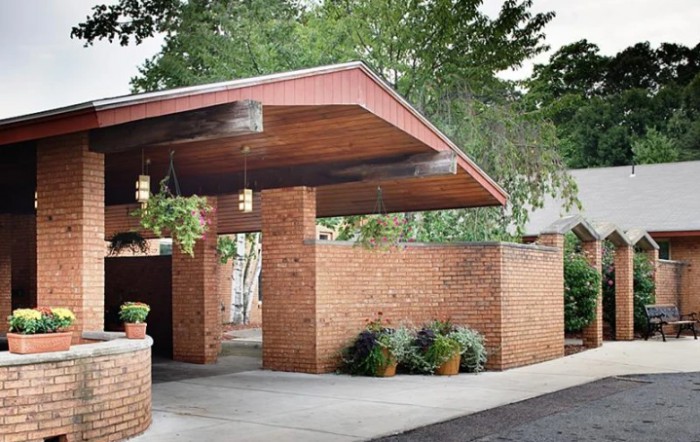
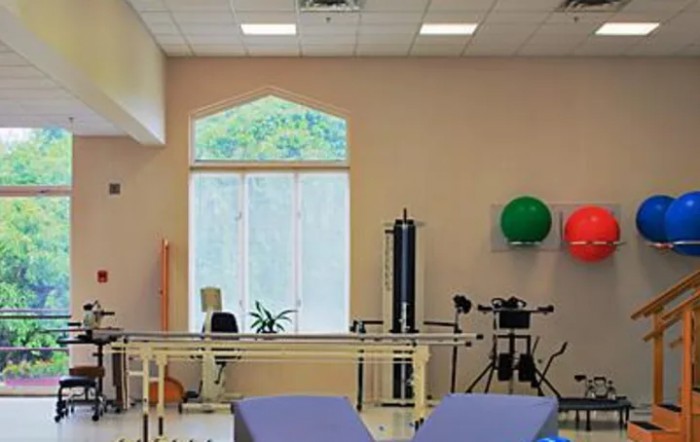
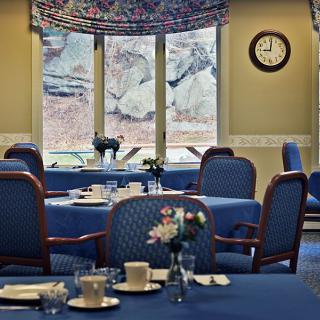
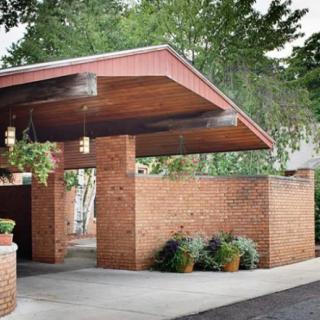
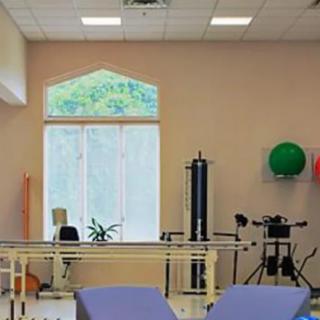
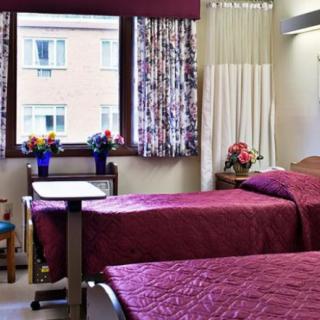
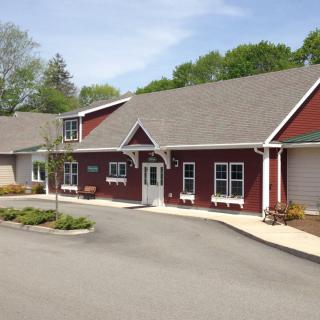
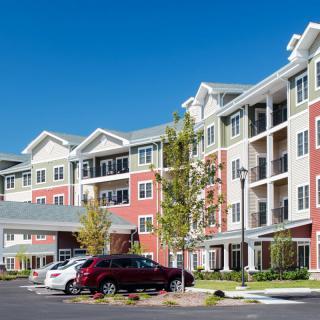
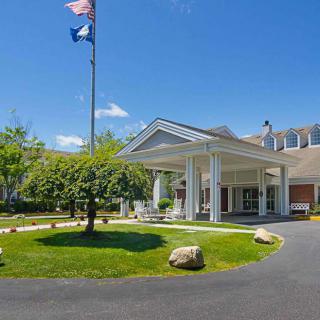
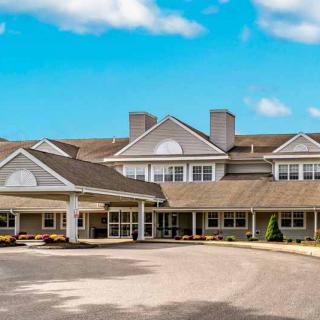
Complete Care at Groton Regency on seniors.fyi includes 7 photos including images showing interior, dining, windows, decor, bedroom, healthcare, architecture, brick building, and more.
Nearby Communities
Groton Regency
Groton, CT
4.5 from 102 reviews
$2,100 / month
Friendly, long-tenured staff; clean, well-maintained environment with ongoing renovations.
AHEPA 250 Apartments
Groton, CT
5 from 1 review
Excellent access to nearby dining, parks, and healthcare services.
Solstice Senior Living At Groton
Groton, CT
4.2 from 104 reviews
$2,095 to $3,295 / month
Friendly staff in a clean, activity-rich community with restaurant-style dining.
Shared Caring/Long Term Care
Groton, CT
Personalized care plans with compassionate staff, engaging activities, and strong safety measures.
Mystic River Homes Inc
Groton, CT
Great proximity to healthcare, cafes, and parks.
Elderly Housing Management
Groton, CT
2.8 from 8 reviews
24/7 supervision with daily living support and coordinated care
Masonicare at Mystic
Mystic, CT
3.9 from 15 reviews
$2,100 to $4,800 / month
Charming, welcoming setting with compassionate staff and engaging activities.
Pendleton Health & Rehab Center
Mystic, CT
4.6 from 106 reviews
Friendly, helpful staff with strong rehab services; clean, comfortable rooms.
VA nursing homes, or Community Living Centers (CLCs), offer tailored long-term care for veterans, featuring medical attention and rehabilitation in a supportive environment. The guide covers facility types, eligibility criteria, financial assistance options, quality of care standards, and alternatives to full-time nursing home placement.
At-home dementia care expenses vary widely based on care levels, location, and caregiver expertise, with monthly costs for home health aides exceeding $4,500 and specialized care potentially surpassing $100,000 annually. While families favor in-home care for its comfort and personalized attention, they must consider financial planning and the challenges of caregiver fatigue.
The article discusses the late stages of dementia, detailing the progression from mild to severe impairment and highlighting key characteristics such as profound cognitive decline and dependency in daily activities. It emphasizes care strategies focused on comfort and dignity, the importance of advance directives, and the emotional support needed for family caregivers facing this challenging journey.
Landscaping, Architecture, Outdoor, Entrance, and Brick Building
Windows
Exercise Equipment, Gym, and Physical Therapy
Additional Photos
Get PricingAsk A QuestionSchedule A TourContact Senior Advisor
By clicking submit, you agree to our Partner's Terms of Use. You
also consent to receive calls and texts, which may be autodialed, from our Partner. Your consent is not a condition to
using our Partner's service. Please visit our Partner's Privacy Policy for information about their privacy practices.


 22 resident community capacity
 Memory Care
 Skilled Nursing Facility
 Beauty salon
 Cable or satellite TV
 Dining room
 Fully furnished
 Garden
 Housekeeping services
 Kitchenette
 Move-in coordination
 Outdoor space
 Telephone
 Wi-Fi/high-speed internet available
 24-hour call system
 Activities of daily living assistance
 Assistance with bathing
 Assistance with dressing
 Assistance with transfers
 Diabetes diet
 Meal preparation and service
 Medication management
 Mental wellness program
 Special dietary restrictions
 Transportation arrangement (medical)
 Transportation to doctors appointments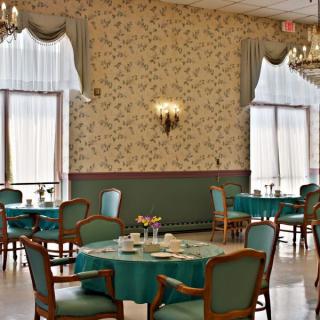
 Friendly, long-tenured staff; clean, well-maintained environment with ongoing renovations.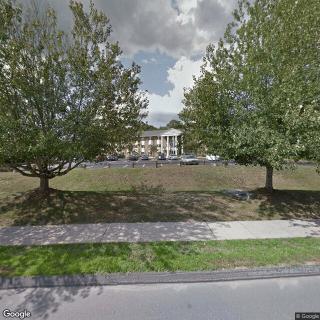



 Comprehensive Guide to VA Nursing Homes: A Crucial Long-Term Care Resource for Veterans
 Estimating the Expenses of At-Home Dementia Care: A Detailed Exploration
 Comprehensive Insights on the Late Stages of Dementia: What to Expect and How to Provide Care