Elderly Housing Management in Groton, CT

Information last verified:

205 Elm Street, Groton, CT 06340

For more information about senior living options: (844) 490-3973

3 from 7 reviews
5 stars
3
4 stars
0
3 stars
1
2 stars
0
1 stars
3

Overall Review of Elderly Housing Management

Pros

  • pro The staff at Mystic River Congregate are caring and supportive of residents and families.
  • pro The aunt has thrived and loves living there.
  • pro Laura is especially helpful and always ready to lend a hand.
  • pro The care provided is excellent.
  • pro The staff were very good to her.

Cons

  • pro Awful management. Absolutely terrible.
  • pro Things was looking bad.

Review

This Groton community is best suited for families that want a warm, caregiver-driven environment where staff form real connections with residents who need daily support but still respond to personal attention. The strongest signal from multiple families is a sense that staff genuinely care and that residents, when matched with the right helpers, can thrive. In particular, residents who value regular, hands-on assistance and a familiar, home-like routine tend to settle in well. The anecdotes highlight staff members who go the extra mile and families who appreciate the ongoing, tangible support their loved ones receive. For families prioritizing visible empathy, responsiveness, and a sense of belonging, this community delivers.

Yet there are clear reasons to consider alternatives, especially for those who demand steady administrative leadership and uncompromising safety assurances. Several reviewers flag management as a significant risk factor, with phrases like “awful management” and concerns about governance and oversight. One account from a security perspective hints at internal issues worth probing, suggesting that day-to-day reliability may hinge on who is in charge and how concerns are escalated. For families who want crisp, proactive communication, transparent decision-making, and predictable problem resolution, these management questions are not ancillary; they are central to overall peace of mind.

The positive experiences underscore a core strength: compassionate, attentive caregiving when the right staff are present. Families repeatedly point to caregivers who are helpful, patient, and engaged with both residents and families, contributing to bright moments and meaningful daily interaction. When residents connect with caregivers who know their preferences and histories, the care feels consistent and individualized. That personal warmth can offset some logistical gaps and make daily life smoother for residents who prefer a steady, low-friction environment. In practice, this means that outcomes for residents who align with this care approach can be notably favorable.

However, that same chorus of praise is tempered by the tougher reality of management variability. When leadership falters, the impact is felt beyond morale. Scheduling, care coordination, and responsiveness can suffer in ways that ripple through families’ experiences, even if the direct day-to-day care remains kind and capable. Residents may receive excellent attention from individual aides, yet systemic issues, communication gaps, inconsistent policies, or slow problem resolution, undercut overall reliability. The cluster of negative reviews around administration suggests a pattern that families cannot ignore, especially when planning for long-term care and contingency needs.

A practical path for families is to conduct disciplined due diligence before moving in. Ask to meet with frontline staff and the administrator to observe how the team handles routine questions, care adjustments, and family communications. Request a clear picture of staff-to-resident ratios, turnover rates, and the incident-reporting process, along with recent examples of how concerns were addressed. Review the care planning process, including how changes are documented and who signs off on major decisions. Seek recent resident and family references beyond the posted stories, and consider visiting during different shifts to assess consistency. These steps reveal whether the warm anecdotes translate into stable, trustworthy operations.

Ultimately, the decision rests on alignment between expectations and leadership. If the governance model and culture prioritize transparent communication, consistent oversight, and preventive problem-solving, this community can be a strong fit for households that prize genuine care and daily-life stability. If, however, steady administrative competence and demonstrable safety protocols are non-negotiable, alternatives with more apparent governance discipline and fewer red flags should be explored. The fit hinges on the ability to balance heartfelt caregiving with rigorous, reliable operations, an equation that, in this Groton setting, will determine whether the experience is consistently solid or intermittently fraught.

Features

Housing

  • 22 resident community capacity 22 resident community capacity

Types of Care

  • Assisted Living Assisted LivingAssisted living facilities provide crucial support and care for seniors who may need help with daily tasks such as medication management, bathing, and meal preparation. These communities offer a safe and comfortable environment where seniors can maintain their independence while receiving the assistance they need to thrive in their golden years.
  • Board and Care Home Board and Care HomeBoard and care homes provide a smaller, more intimate setting for seniors who require assistance with daily tasks but do not need the level of care offered by a nursing home. They offer personalized care, meals, and social activities in a homelike environment, ensuring that seniors receive individualized attention and support in their golden years.

Amenities

  • Beauty salon Beauty salonBeauty salons are important for seniors because they provide a space for them to feel pampered, socialize, and maintain their personal grooming and hygiene. Regular visits to a beauty salon can help boost seniors' self-esteem and overall well-being.
  • Cable or satellite TV Cable or satellite TVCable or satellite TV is important for seniors because it provides entertainment, news, and companionship, helping to combat loneliness and boredom. It also offers a wide range of programming options tailored to different interests and preferences.
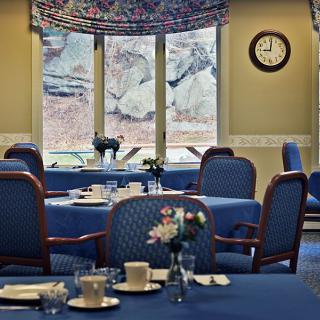
  • Dining room Dining roomDining rooms are important for seniors as they provide a space for socialization, connection, and nutritious meals. They offer opportunities for residents to bond over shared meals, foster a sense of community, and promote healthy eating habits. Dining rooms also ensure that seniors have access to well-balanced meals tailored to their dietary needs and preferences.
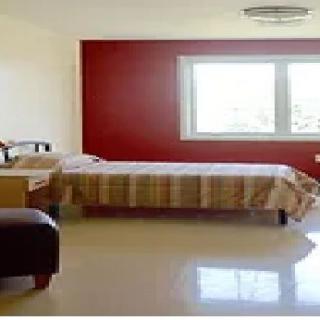
  • Fully furnished Fully furnishedFully furnished senior living communities are important for seniors because they provide convenience, comfort, and a hassle-free moving experience. Seniors can easily settle into their new living space without the stress of having to buy and move furniture. This allows them to focus on enjoying their new home and community.
  • Garden GardenGardens are important for seniors as they provide a peaceful and therapeutic environment for relaxation, physical activity, and socialization. Being in nature has been shown to reduce stress, improve mood, and promote overall well-being. Gardens also offer opportunities for seniors to engage in gardening activities, which can improve mobility, flexibility, and cognitive function. Additionally, gardens create a sense of community and connection with others who share a passion for plants and outdoor spaces.
  • Housekeeping services Housekeeping servicesHousekeeping services are important for seniors because they help maintain a clean and safe living environment, promote independence, and reduce the risk of accidents or illnesses. Additionally, having assistance with household chores can alleviate physical strain and allow seniors to focus on other aspects of their well-being.
  • Kitchenette KitchenetteKitchenettes are important for seniors living in senior living communities because they provide the convenience and independence of being able to prepare simple meals and snacks in the comfort of their own living space. This can help promote a sense of autonomy and well-being for seniors, allowing them to maintain some level of control over their dietary choices and daily routines.
  • Move-in coordination Move-in coordinationMove-in coordination is important for seniors because it helps ease the transition into their new living environment. It ensures that all logistics, such as packing, organizing movers, and setting up utilities are taken care of, allowing seniors to focus on settling in and adjusting to their new home. Having a smooth move-in process can alleviate stress and anxiety, making the transition smoother and more enjoyable for seniors.
  • Outdoor space Outdoor spaceOutdoor spaces are important for seniors as they provide opportunities for physical activity, social interaction, exposure to natural light and fresh air, and a sense of connection to nature. Having access to outdoor spaces can improve overall well-being and quality of life for older adults living in senior communities.
  • Telephone TelephoneTelephones are important for seniors as they provide a lifeline for communication with loved ones, emergency services, and healthcare providers. They offer a sense of security and independence, enabling seniors to stay connected and access assistance when needed.
  • Wi-Fi/high-speed internet available Wi-Fi/high-speed internet availableWi-Fi/high-speed internet is important for seniors to stay connected with loved ones, access online resources, and participate in virtual activities to combat feelings of loneliness and isolation. It also allows them to easily manage healthcare needs, access entertainment, and engage in lifelong learning opportunities.

Care Services

  • 24-hour call system 24-hour call system24-hour call systems are important for seniors because they provide peace of mind and immediate assistance in case of emergencies. This technology ensures that help is always available, promoting safety and security for elderly individuals living alone or in assisted living facilities.
  • 24-hour supervision 24-hour supervision24-hour supervision is important for seniors to ensure their safety, well-being, and access to immediate assistance in case of emergencies or health issues. This constant support provides peace of mind for both seniors and their loved ones, allowing them to age in place with dignity and security.
  • Activities of daily living assistance Activities of daily living assistanceActivities of daily living assistance are important for seniors because they provide essential support with tasks such as eating, bathing, dressing, and mobility. This assistance helps seniors maintain their independence, dignity, and overall quality of life as they age.
  • Assistance with bathing Assistance with bathingAssistance with bathing is crucial for seniors as it helps maintain personal hygiene, prevents infections, and ensures their overall well-being and comfort. It also provides a sense of dignity and independence for seniors who may struggle with this task on their own.
  • Assistance with dressing Assistance with dressingAssistance with dressing is important for seniors because it helps maintain their independence, promotes personal hygiene, prevents accidents and injuries, and improves overall quality of life. This service ensures that seniors can continue to dress comfortably and confidently, despite any physical limitations they may have.
  • Assistance with transfers Assistance with transfersAssistance with transfers is crucial for seniors as it helps prevent falls and injuries, maintains their independence, and ensures they can safely navigate their living environment. It also provides peace of mind for both seniors and their loved ones.
  • Coordination with health care providers Coordination with health care providersCoordination with health care providers is crucial for seniors to ensure proper medical care, medication management, and overall well-being. This collaboration helps prevent overlapping treatments, track progress more effectively, and provide comprehensive support tailored to individual needs.
  • Diabetes diet Diabetes dietA diabetes diet is crucial for seniors as it helps manage blood sugar levels, reduce risks of complications, and improve overall health and well-being. By following a balanced and nutritious diet tailored to their specific needs, seniors can better control their diabetes and enhance their quality of life.
  • Meal preparation and service Meal preparation and serviceMeal preparation and service are crucial for seniors as they may have limited mobility or energy to cook nutritious meals. Having access to healthy and convenient food options can ensure they are getting the proper nutrition needed to maintain their overall health and well-being.
  • Medication management Medication managementMedication management is crucial for seniors to ensure they are taking the right medications at the correct dosages and times. This helps prevent adverse drug interactions, reduces the risk of medication errors, and promotes overall health and well-being. Proactive management also allows for adjustments as needed based on changing health conditions or new prescriptions.
  • Mental wellness program Mental wellness programMental wellness programs are essential for seniors as they promote cognitive stimulation, emotional support, and social engagement. These programs help prevent isolation, depression, and cognitive decline, ultimately enhancing the overall quality of life for older adults.
  • Special dietary restrictions Special dietary restrictionsSpecial dietary restrictions are important for seniors because age-related changes in metabolism and health conditions can make it difficult for their bodies to process certain foods. By following a diet tailored to their specific needs, seniors can maintain their overall health and well-being, manage chronic conditions, and reduce the risk of complications such as malnutrition or food interactions with medications.
  • Transportation arrangement (medical) Transportation arrangement (medical)Transportation arrangements for medical purposes are essential for seniors as they may have difficulty driving themselves to appointments or accessing public transportation. Having reliable and safe transportation options ensures that seniors can receive timely medical care and maintain their health and well-being.
  • Transportation to doctors appointments Transportation to doctors appointmentsTransportation to doctors' appointments is crucial for seniors as it ensures they have access to necessary medical care and support for their health needs. Without reliable transportation, seniors may struggle to attend important appointments, leading to potential delays in treatment and health complications. Providing transportation services helps seniors maintain their overall well-being and quality of life.

Dining

  • Diabetes diet Diabetes dietA diabetes diet is crucial for seniors as it helps manage blood sugar levels, reduce risks of complications, and improve overall health and well-being. By following a balanced and nutritious diet tailored to their specific needs, seniors can better control their diabetes and enhance their quality of life.
  • Special dietary restrictions Special dietary restrictionsSpecial dietary restrictions are important for seniors because age-related changes in metabolism and health conditions can make it difficult for their bodies to process certain foods. By following a diet tailored to their specific needs, seniors can maintain their overall health and well-being, manage chronic conditions, and reduce the risk of complications such as malnutrition or food interactions with medications.

Activities

  • Community-sponsored activities Community-sponsored activitiesCommunity-sponsored activities are important for seniors as they provide opportunities for social interaction, mental stimulation, and physical activity. These activities can help improve overall well-being, combat loneliness and isolation, and promote a sense of belonging and purpose among older adults.
  • Scheduled daily activities Scheduled daily activitiesScheduled daily activities are important for seniors because they provide structure, socialization, mental stimulation, and physical activity. Engaging in regular activities can improve overall well-being and quality of life for seniors living in a community setting.

Description

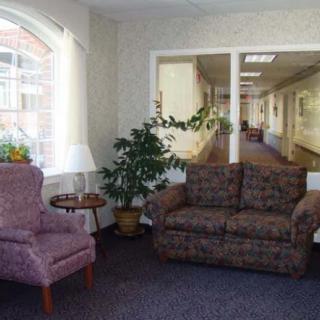
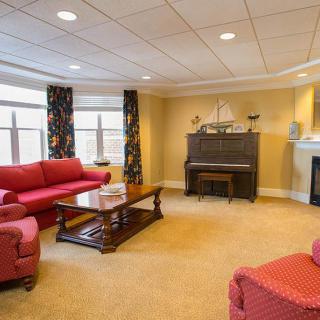
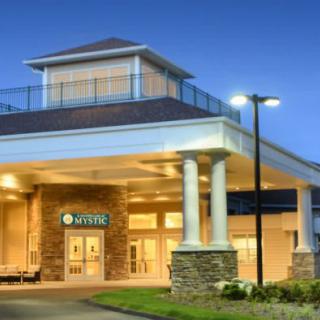
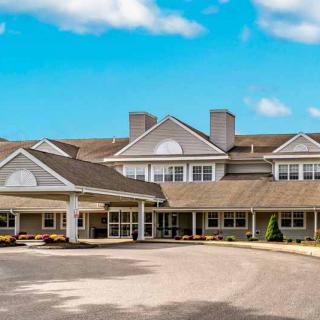
The Elderly Housing Management in Groton, CT offers a comfortable and supportive environment for seniors in need of board and care home services. Our well-appointed facility provides all the necessary amenities to ensure our residents' comfort and convenience.

Each room is fully furnished and equipped with cable or satellite TV, telephone, and Wi-Fi/high-speed internet access. Residents can enjoy their meals in our spacious dining room which can accommodate all dietary restrictions. Housekeeping services are also provided to maintain a clean and tidy living space.

Our community boasts beautiful outdoor spaces including a garden where residents can relax and enjoy nature. Move-in coordination is available to assist new residents with the transition process.

Residents receive 24-hour supervision and assistance with activities of daily living such as bathing, dressing, and transfers. Our compassionate staff works closely with health care providers to coordinate medical needs and medication management.

Mental wellness is an important aspect of our care services, and we offer a dedicated program to support the emotional well-being of our residents. Additionally, special dietary restrictions are accommodated for those with specific nutritional needs.

Transportation arrangements are available for medical visits and doctors' appointments, ensuring that residents have access to necessary healthcare services. Furthermore, our community is conveniently located near two hospitals, eight pharmacies, 14 physicians' offices, five parks, two cafes, and 35 restaurants.

To promote an active lifestyle, we provide scheduled daily activities for residents to participate in social engagements with their peers.

At Elderly Housing Management in Groton, CT, we strive to create a warm and fulfilling living environment where seniors can receive the care they need while maintaining their independence and enjoying a vibrant community setting.

Nearby Places of Interest

Restaurants

  • Fords Black & Blue (0.7 miles)
  • Ford's Lobsters (0.7 miles)
  • Abbott's Lobster in the Rough (0.9 miles)
  • Costello's Clam Shack (1 miles)
  • Mystic Market West (1.2 miles)
  • Captain Daniel Packer Inne (1.6 miles)
  • Barley Head Brewery (1.8 miles)

Physicians

  • Seaport Dermatology (1.6 miles)
  • Ear Nose & Throat Associates of Southeastern Connecticut PC (2.1 miles)
  • Mystic Medical Group PC (2.6 miles)
  • ProHealth Physicians Women's Care (2.7 miles)
  • Women's Care Medical Center PC (2.7 miles)
  • Shoreline Allergy & Asthma Associates (3.2 miles)
  • Gastroenterology Specialists (3.2 miles)

Parks

  • Mystic River Park (1.9 miles)
  • Bluff Point State Park (2.3 miles)
  • Pequot Woods (2.6 miles)
  • Washington Park (4.5 miles)
  • Fort Griswold Battlefield State Park (4.8 miles)
  • Fort Trumbull State Park (5.3 miles)
  • The Park 2 (5.4 miles)

Pharmacies

  • CVS Pharmacy (2 miles)
  • The Pink Mermaid (3 miles)
  • CVS Pharmacy (3.1 miles)
  • McQuade's Pharmacy (3.2 miles)
  • McQuade's Marketplace (3.2 miles)
  • Anderson (3.3 miles)
  • Electric Boat Family Pharmacy (3.8 miles)

Hospitals

  • Pequot Health Center (2.4 miles)
  • Lawrence Memorial Hospital (2.4 miles)
  • Lawrence And Memorial Family Medicine (5.3 miles)

Cafes

  • Starbucks (3 miles)
  • Starbucks (3.3 miles)
  • Broken Yolk Cafe (5.2 miles)
  • Muddy Waters Cafe (5.4 miles)
  • Washington Street Coffee House (5.7 miles)

Transportation

  • New London Union Station (5.4 miles)

Frequently Asked Questions

Where is Elderly Housing Management?

Nearby Communities

  • Mystic River Homes Inc

    Mystic River Homes Inc

    Groton, CT


    pro Great proximity to healthcare, cafes, and parks.

  • Mystic River Residential Care

    Mystic River Residential Care

    Mystic, CT

    2.3 from 3 reviews
     

    pro Small, intimate 22-bed community that supports personalized care.

  • Apple Rehab Mystic

    Apple Rehab Mystic

    Mystic, CT

    3.3 from 26 reviews
     

    pro Wide range of amenities and 24/7 supervision with personalized care.

  • Academy Point at Mystic

    Academy Point at Mystic

    Mystic, CT

    4.6 from 120 reviews
    $5,450 to $7,400 / month

    pro Caring staff in a close-knit community with on-site services and engaging activities.

  • Mystic Healthcare & Rehabilitation Center

    Mystic Healthcare & Rehabilitation Center

    Mystic, CT

    4.5 from 115 reviews
     

    pro Caring staff with regular family updates in a clean, welcoming setting.

  • Complete Care at Groton Regency

    Complete Care at Groton Regency

    Groton, CT

    4.5 from 116 reviews
    $4,000 to $7,000 / month

    pro Clean, well-maintained facility with compassionate staff and engaging activities.

  • Masonicare at Mystic

    Masonicare at Mystic

    Mystic, CT

    3.9 from 15 reviews
    $2,100 to $4,800 / month

    pro Charming, welcoming setting with compassionate staff and engaging activities.

  • Pendleton Health & Rehab Center

    Pendleton Health & Rehab Center

    Mystic, CT

    4.6 from 106 reviews
     

    pro Friendly, helpful staff with strong rehab services; clean, comfortable rooms.

  • Seniors Helping Seniors

    Seniors Helping Seniors

    Stonington, CT

    4.8 from 17 reviews
     

    pro Clean, friendly staff delivering reliable, affordable dementia care.

Related Resources

  • assisted living vs memory careUnderstanding the Distinctions: Assisted Living and Memory Care Explained

    The article differentiates between assisted living and memory care, explaining that assisted living supports seniors with daily activities while promoting independence, whereas memory care provides specialized services for individuals with dementia, focusing on secure environments and cognitive support. It also addresses staff training, safety considerations, costs, family involvement, and transition strategies for families navigating these care options.

  • elderly parent refuses assisted livingGuiding Elderly Parents Who Refuse Assisted Living: 6 Practical Steps

    Family caregivers face emotional, legal, and practical challenges when elderly parents refuse assisted living, often due to fears of losing autonomy. Open conversations and professional assessments can help address these concerns while exploring alternatives and ensuring safety, potentially leading to legal guardianship if necessary.

  • luxury assisted livingYour Comprehensive Guide to Luxury Assisted Living: Elevated Facilities, Amenities, and Costs

    Luxury assisted living offers high-quality senior care in a resort-like environment that combines essential medical support, gourmet dining, and personalized services to enhance residents' independence and well-being. These upscale facilities emphasize holistic health and community-building through customized care plans and social activities, catering to the growing demand for enriched senior living experiences despite higher costs.