Arden Courts of Avon offers a studio room at a monthly cost of $8,855, significantly higher than the average monthly costs in Hartford County and the broader Connecticut area. In Hartford County, the average cost for similar accommodations is $3,713, while statewide figures reflect an average of $5,919. This discrepancy may be reflective of Arden Courts' specialized care and tailored services for individuals with memory-related issues, which can justify the premium pricing compared to local and state averages. It's important for prospective residents and their families to weigh these costs against the quality of care and unique amenities provided by Arden Courts when making their decision.
Floor plans
Arden Courts of Avon
Hartford County
Connecticut
Studio
$8,855
$3,713
$5,919
Memory care communities with a similar price nearby
Residents and families describe a secure setup that lets people spend time outside safely.
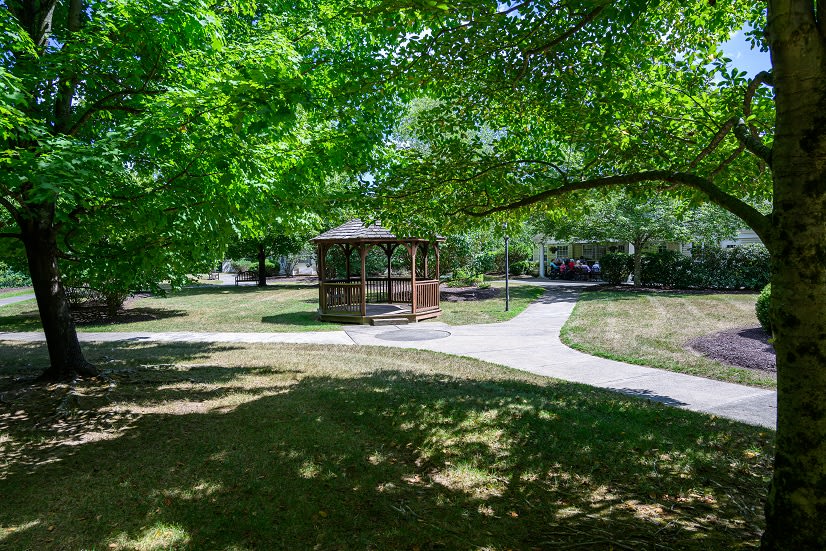
Multiple families mention a fenced or enclosed outdoor area that supports safe walking and reduces the worry that residents could wander. Reviewers describe residents being able to enjoy courtyards/backyards and outdoor paths as part of daily life. A few also note the layout encourages movement without leaving the community’s controlled spaces.
common12 reviews mention this
Care team is responsive
Many residents are supported by a care team that families describe as attentive and quick to help.
Across reviews, families repeatedly describe approachable staff and a responsiveness they noticed after move-in or during care changes. Several reviewers highlight specific staff members being available to address concerns, explain what to expect, or help coordinate care needs. Others mention nursing oversight and follow-through when health or safety issues come up.
common5 reviews mention this
Food quality with some limits
Dining is generally viewed positively, with at least one note about managing sodium.
Several reviewers say the food is enjoyable and that meals are part of residents’ day-to-day well-being. One family reported satisfaction after discussing dietary restrictions, while another described a need to work with the community to adjust sodium for a resident who needed low-sodium meals. Overall, dining shows up as a frequent point of day-to-day experience, not just a one-time impression.
differentiator4 reviews mention this
Hospice and medication support
Families describe hands-on support around hospice coordination and medication needs.
Some reviews specifically mention getting connected with hospice services when a resident’s needs changed. Others describe medication handling and follow-up when behaviors or health concerns required adjustments. Together, the feedback points to care coordination that goes beyond basic supervision, especially during transitions.
caveat3 reviews mention this
Prices can rise
Families mention cost challenges, including annual price increases.
While at least one reviewer compares the community’s pricing favorably to other memory care options, other families focus on affordability concerns. One review says prices increased year over year, which was difficult financially. Another notes “decent prices” during the decision process, suggesting cost is a recurring consideration when families compare options.
How we summarize
Counts show how many written reviews mention each theme; a review can touch several themes, and only frequently mentioned themes are displayed.
Features
Housing
Studio apartments
Types of Care
Memory Care
Amenities
Activities off-site
Activities on-site
Air-conditioning
Bath tubs
Beautician on-site
Cable or satellite TV
Devotional services off-site
Devotional services on-site
Dining room
Garden
Ground floor units
Guest parking
Handicap accessible
Housekeeping services
Indoor common areas
Laundry
Outdoor common areas
Party space
Respite or short term stays offered
Security gate
TV room
Wheelchair accessible showers
Wi-Fi/high-speed internet available
Transportation
Bradley International (11 miles away)
Care Services
Ambulatory care
Diabetic care
Hospice care
Incontinence care
Medication management
Personal care assistants
Dining
Gluten-free
Guest meals
Low / no sodium
Meals provided
No Sugar
Professional chef
Restaurant style dining
Special dining programs
Vegetarian
Activities
Art classes
Arts and crafts
Catholic services
Cooking classes
Devotional activities offsite
Devotional activities on-site
Educational speakers / life long learning
Games
Gardening club
Live musical performances
Live well programs
Other religious services
Protestant services
Religious services
Stories
Visiting Rabbi
Visiting chaplain or priest
Nearby Places of Interest
Located in Avon, Connecticut, this neighborhood offers a variety of amenities suitable for seniors looking for a peaceful and convenient place to live. With several parks nearby such as Sperry Park and Roaring Brook Nature Center, residents can enjoy outdoor activities and nature walks. There are also multiple healthcare options including Hartford Medical Group and New England Naturopathic Medical Center for any medical needs. In terms of dining options, there are restaurants like Little City Pizza and Max a Mia within close proximity. Additionally, there are cafes like Dom's Coffee and The Coffee Trade for those who enjoy a cup of coffee or tea. For religious practice, there are places of worship such as Saint Mary Parish and Emanuel Synagogue available. Transportation is also easily accessible with Simsbury Airport (4B9) just a short drive away and Union Station for those needing to travel further distances. Overall, this area provides a tranquil setting with convenient amenities for older adults looking to settle down in Avon.
Parks
Sperry Park (0.2 miles)
Roaring Brook Nature Center (3.1 miles)
Countryside Park (4.5 miles)
Fernridge Park (5.4 miles)
Elizabeth Park (6.5 miles)
Wolcott Park (7.5 miles)
Bushnell Park (8.6 miles)
Physicians
Hartford Medical Group (0.2 miles)
Connecticut Eye Center PC (1.1 miles)
In Vitro Sciences (1.1 miles)
Hartford Healthcare Medical Group (1.5 miles)
New England Naturopathic Medical Center (4.2 miles)
Arden Courts of Avon offers a studio room at a monthly cost of $8,855, significantly higher than the average monthly costs in Hartford County and the broader Connecticut area. In Hartford County, the average cost for similar accommodations is $3,713, while statewide figures reflect an average of $5,919. This discrepancy may be reflective of Arden Courts' specialized care and tailored services for individuals with memory-related issues, which can justify the premium pricing compared to local and state averages. It's important for prospective residents and their families to weigh these costs against the quality of care and unique amenities provided by Arden Courts when making their decision.
Arden Courts of Avon offers meticulous medication management to ensure that residents receive the correct medications at the right times, which is essential for maintaining their overall health and well-being. This structured approach helps alleviate anxiety for both residents and their families, as trained staff meticulously oversee dosage and adherence to prescriptions tailored to each individual's needs. Incontinence care is another critical feature that supports residents' dignity and comfort; by providing compassionate assistance with personal hygiene and incontinence supplies, staff create an environment where individuals feel secure and respected. This specialized care not only addresses physical needs but also fosters emotional stability, which is vital for those living with dementia or Alzheimer's disease. Together, these services help enhance the quality of life for residents by promoting health, dignity, and a sense of normalcy within their daily routines.
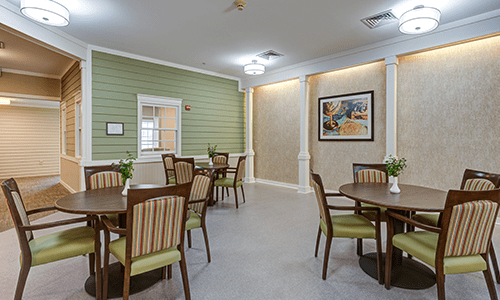
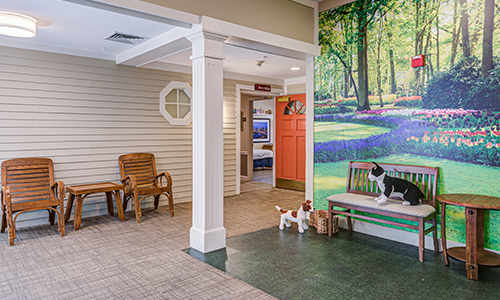
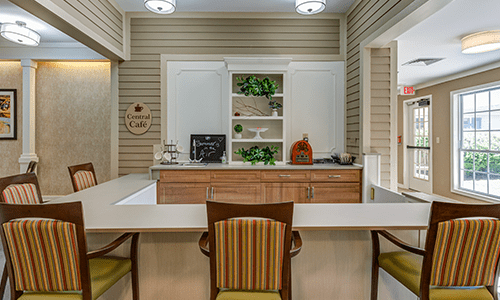
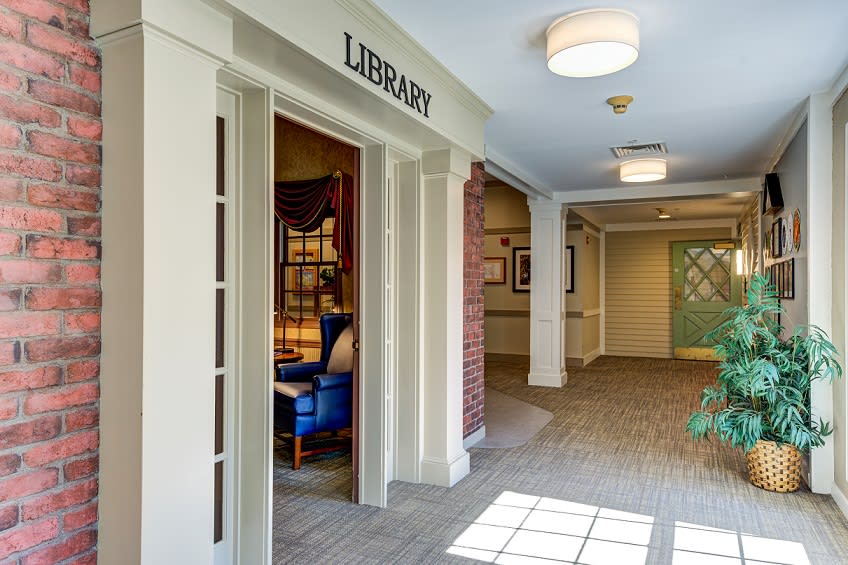
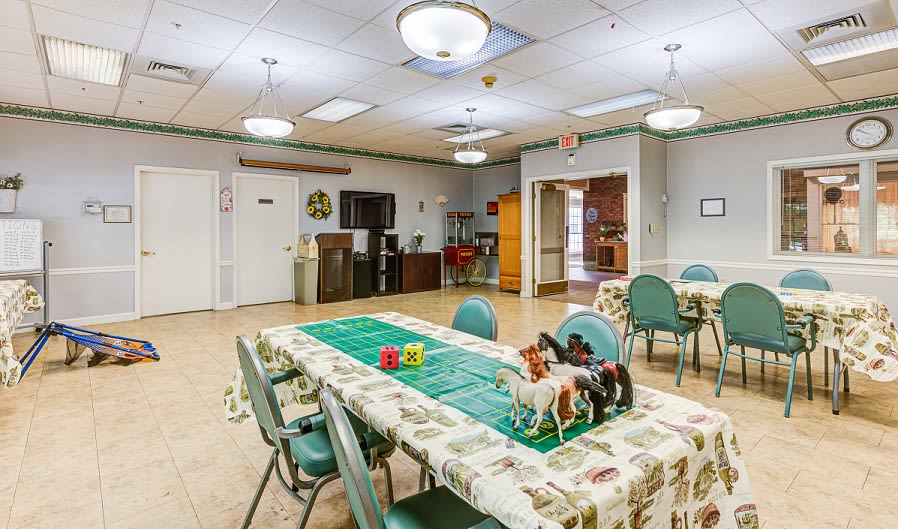
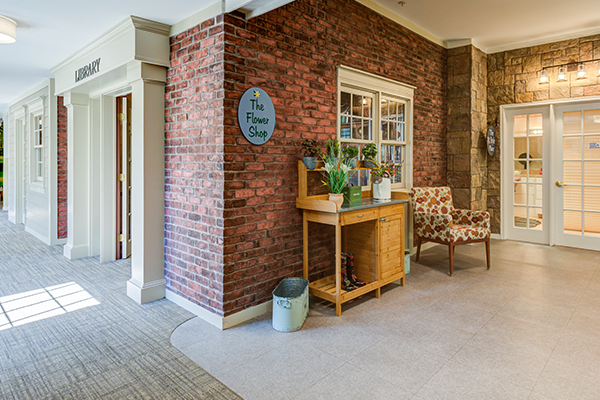
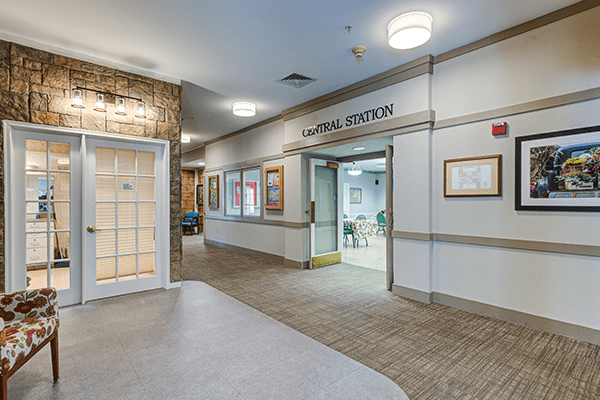
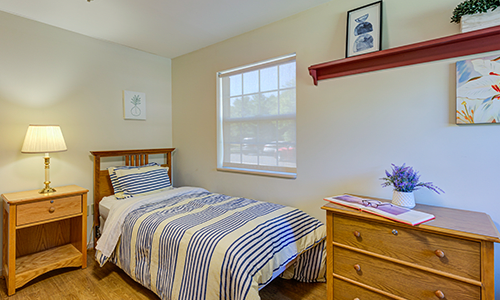
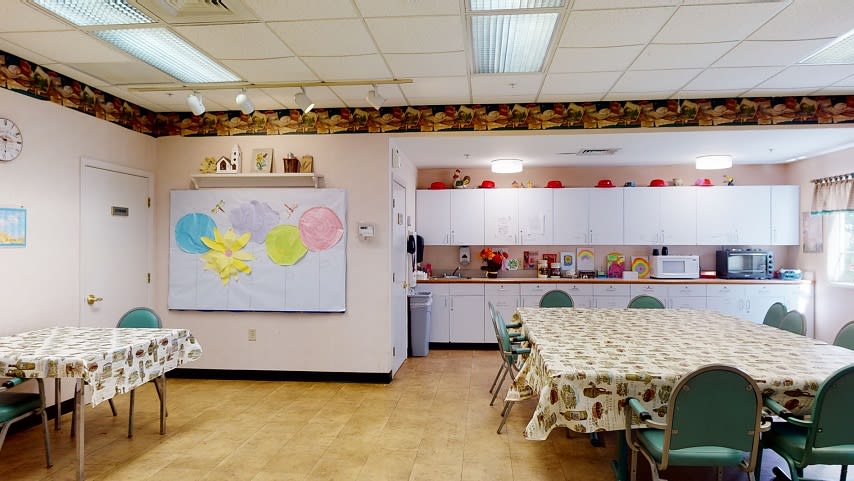
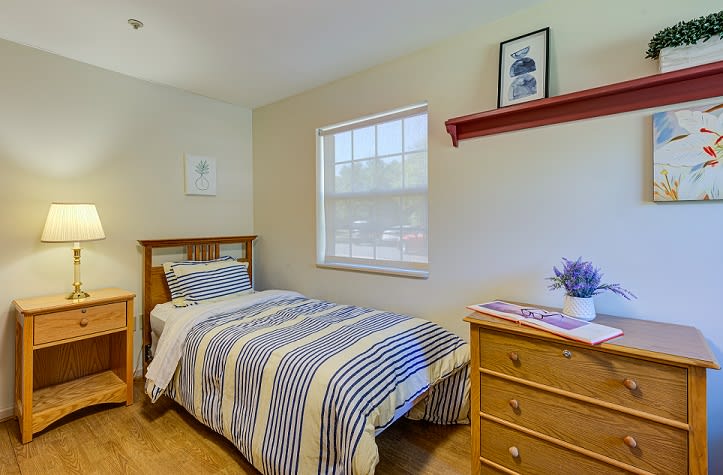
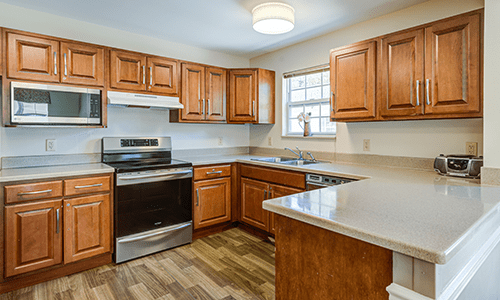
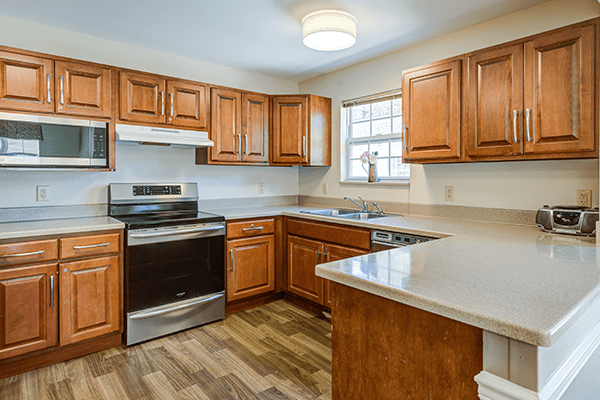
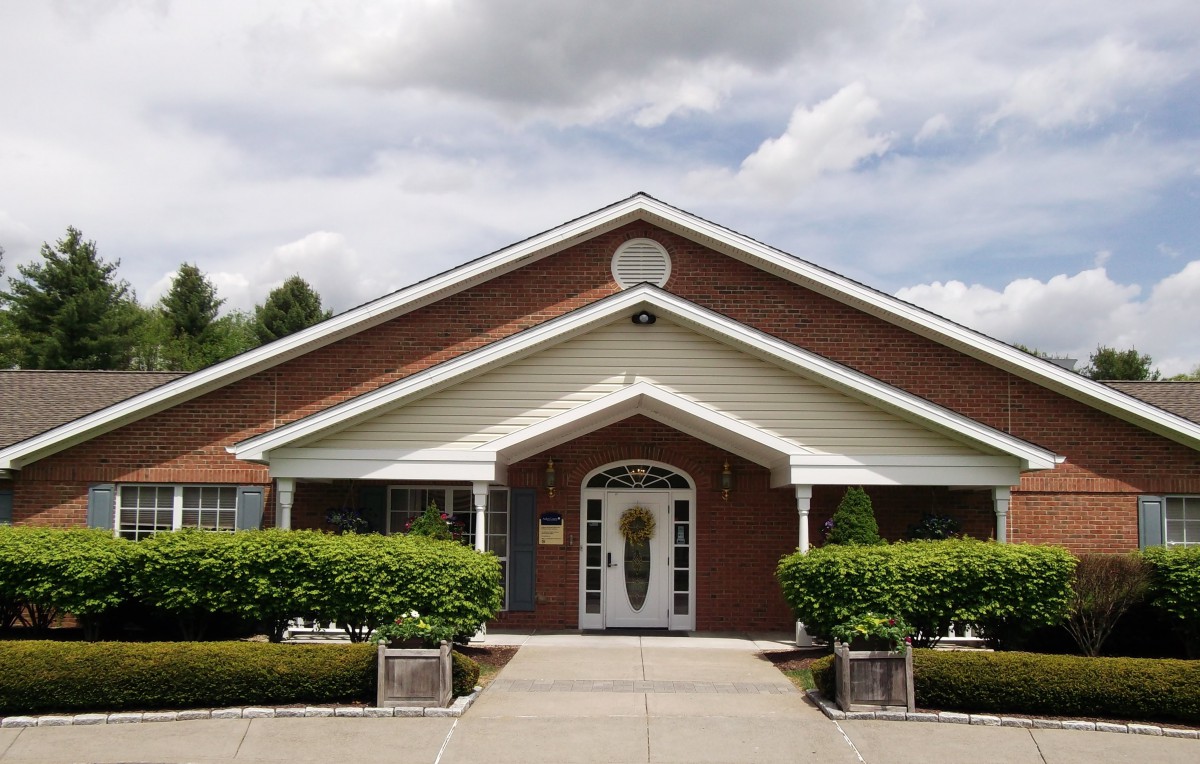
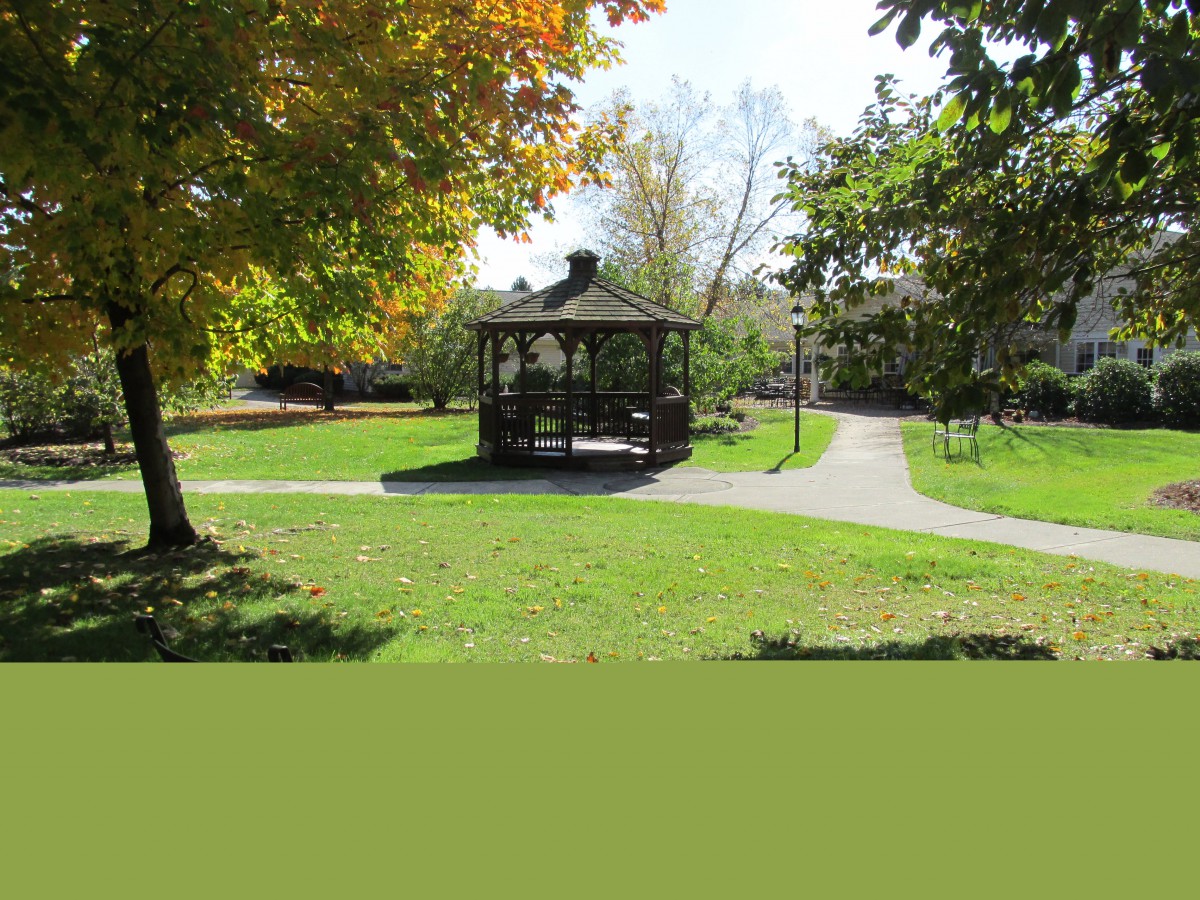
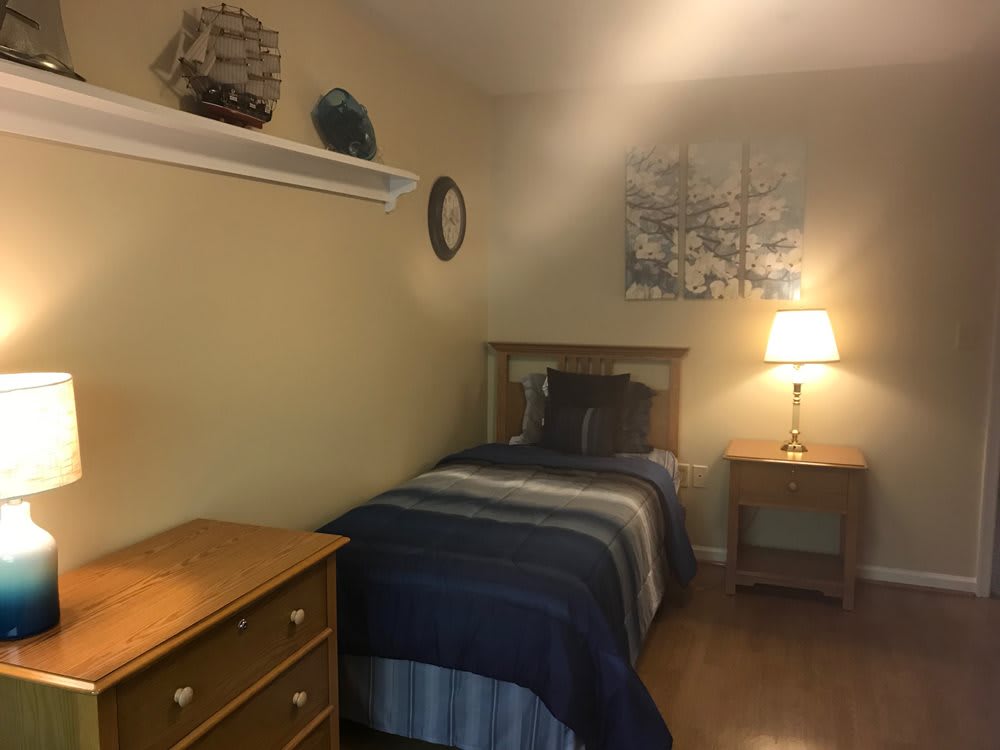
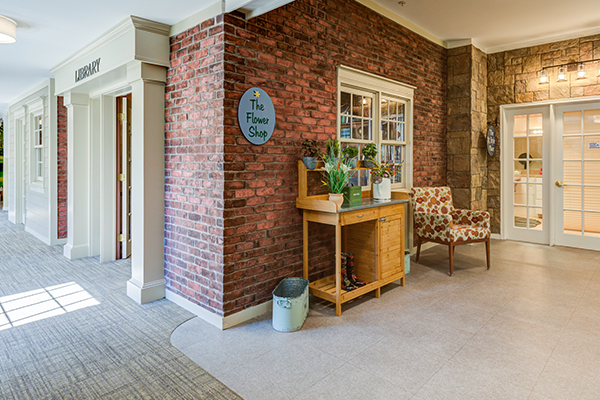
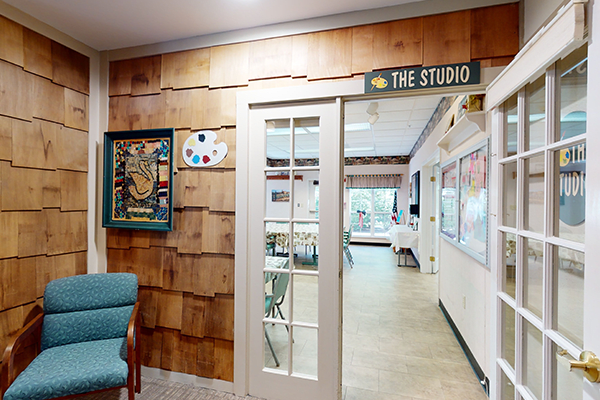
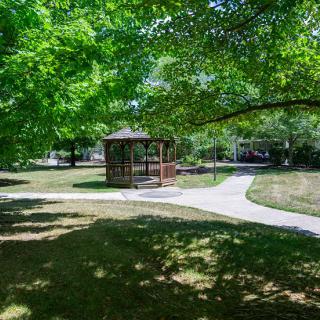
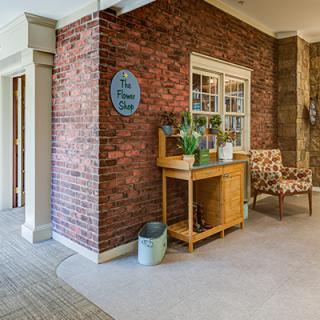
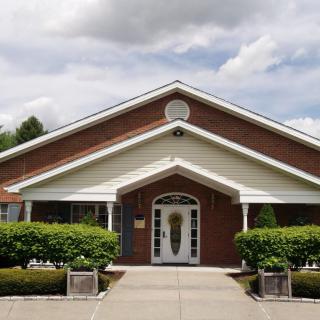
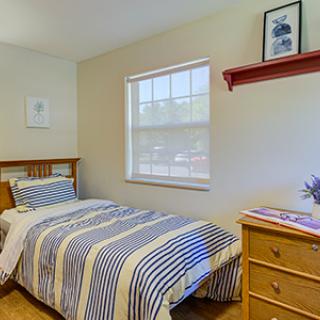
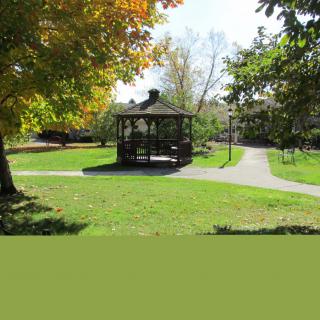
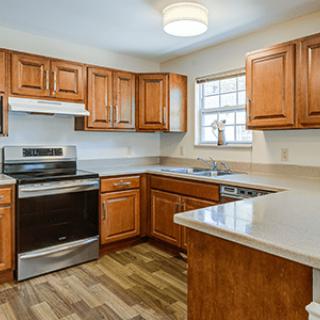
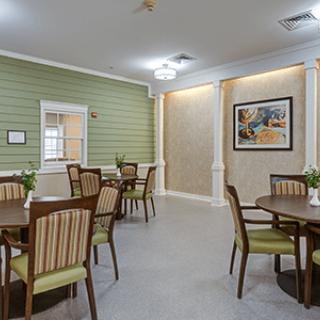
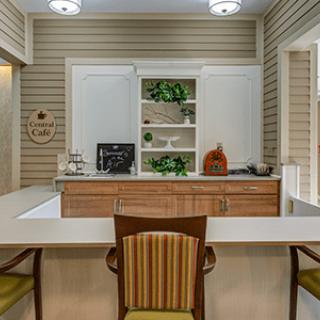
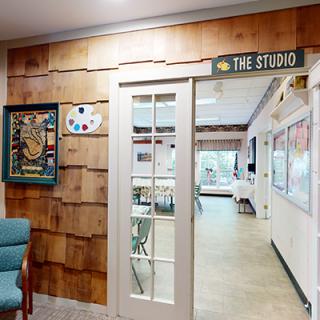
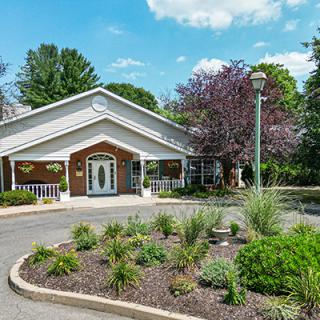
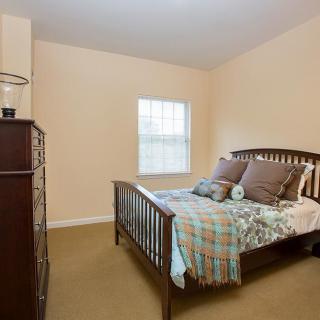
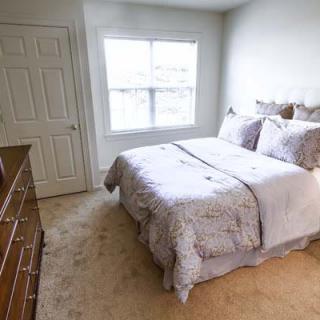
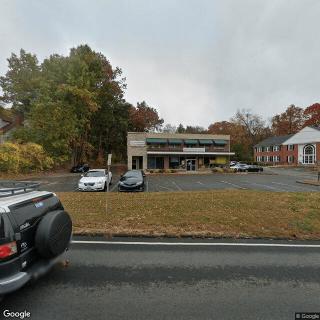
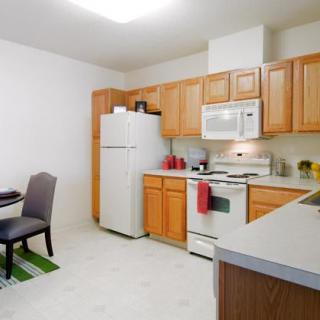
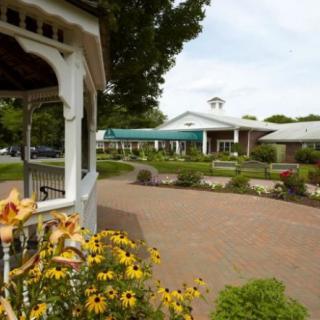
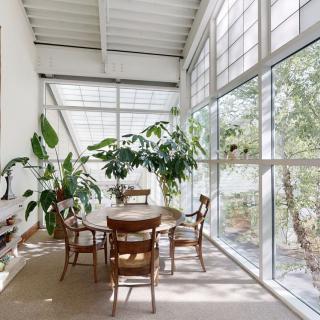
Arden Courts of Avon on seniors.fyi includes 19 photos including images showing interior, decor, bedroom, windows, landscaping, kitchen, entrance, park, and more.
Nearby Communities
Hcr Manorcare
Avon, CT
4.7 from 31 reviews
Warm, personalized memory-care with a home-like environment and engaging activities.
The Residence at Brookside
Avon, CT
4.5 from 97 reviews
$5,420 to $8,250 / month
Friendly staff, beautiful and clean setting, with engaging activities and quality dining.
River Ridge At Avon
Avon, CT
4.6 from 89 reviews
$3,650 to $5,600 / month
Clean, inviting atmosphere with kind, attentive staff and engaging activities.
Whispering Pines II
Avon, CT
4.3 from 3 reviews
$805 to $905 / month
Well-maintained grounds, attentive staff, and reliable snow removal.
ComForcare Senior Services
Avon, CT
4.5 from 20 reviews
Convenient Avon location with easy access to cafes, parks, pharmacies, physicians, restaurants, and hospitals.
Peachtree Village
Avon, CT
$805 to $904 / month
Affordable pricing below county and state averages (1-bed $805; 2-bed $904).
Anthology of Simsbury
Simsbury, CT
4.3 from 59 reviews
$4,070 to $7,880 / month
Friendly staff, engaging activities, and a contemporary, hotel-like environment.
Avon Health Center
Avon, CT
4.8 from 122 reviews
Caring staff, clean environment, and healthy meals.
Duncaster
Bloomfield, CT
4.9 from 22 reviews
Clean, scenic campus with friendly, well-trained staff and multiple care levels.
Memory care activities are essential for improving the quality of life of seniors with cognitive impairments, as they stimulate cognitive function, promote well-being, and encourage social interaction through tailored strategies. These activities combine structured exercises with spontaneous tasks, sensory engagement, physical workouts, creative pursuits, and intergenerational interactions to enhance emotional connection and a sense of purpose.
Transitioning from assisted living to memory care is driven by an individual's cognitive decline and specific needs, requiring careful evaluation of indicators like increased confusion and wandering. The process involves consulting medical professionals, researching suitable communities, considering financial and legal aspects, and ensuring effective communication for personalized care plans.
The article differentiates between assisted living and memory care, explaining that assisted living supports seniors with daily activities while promoting independence, whereas memory care provides specialized services for individuals with dementia, focusing on secure environments and cognitive support. It also addresses staff training, safety considerations, costs, family involvement, and transition strategies for families navigating these care options.
Get PricingAsk A QuestionSchedule A TourContact Senior Advisor
By clicking submit, you agree to our Partner's Terms of Use. You
also consent to receive calls and texts, which may be autodialed, from our Partner. Your consent is not a condition to
using our Partner's service. Please visit our Partner's Privacy Policy for information about their privacy practices.









 Studio apartments
 Memory Care
 Activities off-site
 Air-conditioning
 Bath tubs
 Beautician on-site
 Cable or satellite TV
 Devotional services off-site
 Dining room
 Garden
 Ground floor units
 Guest parking
 Handicap accessible
 Housekeeping services
 Indoor common areas
 Laundry
 Outdoor common areas
 Party space
 Respite or short term stays offered
 Security gate
 Wheelchair accessible showers
 Wi-Fi/high-speed internet available
 Bradley International (11 miles away)
 Ambulatory care
 Diabetic care
 Hospice care
 Incontinence care
 Medication management
 Gluten-free
 Art classes
 Catholic services
 Cooking classes
 Educational speakers / life long learning
 Games
Games Live musical performances
 Live well programs
 Stories
 Visiting Rabbi
 Warm, personalized memory-care with a home-like environment and engaging activities.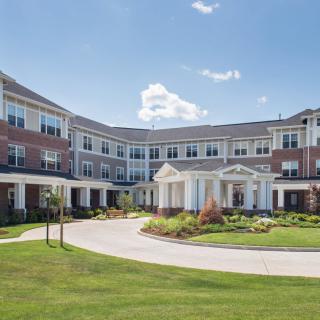

 Engaging Memory Care Activities That Enhance Quality of Life
 When to Transition from Assisted Living to Memory Care: Key Indicators, Steps, and Finding the Right Community
 Understanding the Distinctions: Assisted Living and Memory Care Explained