
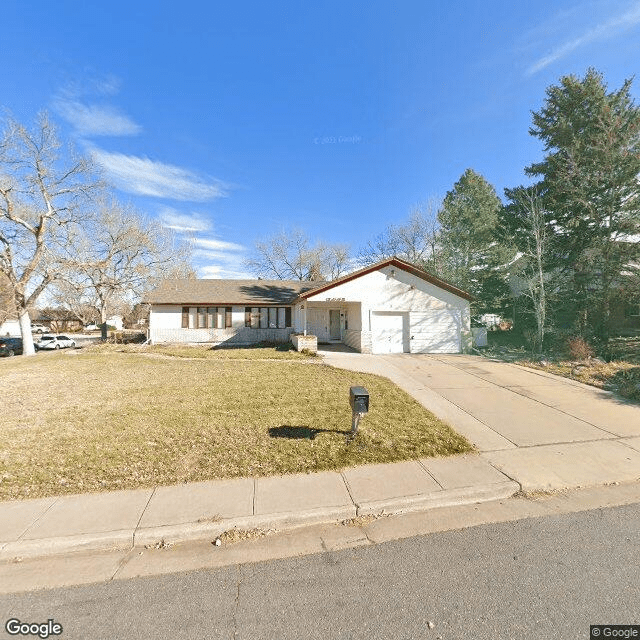
7032 S Franklin Street, Centennial, CO 80122
To contact a resident: (303) 941-9460
For more information about senior living options: (866) 208-4318
St. Petro Laurel Haus Costs & Pricing
St. Petro Laurel Haus offers competitive pricing for its accommodations compared to both Arapahoe County and the broader state of Colorado. For a semi-private room, St. Petro Laurel Haus's monthly cost is $4,500, which is notably higher than Arapahoe County's average of $3,797 and slightly exceeds the state average of $4,009. When it comes to private rooms, St. Petro Laurel Haus charges $5,000 per month, again above the county's rate of $4,116 and just above the state's average of $4,142. These figures suggest that while St. Petro Laurel Haus may be positioned at a premium within the local market, it reflects an emphasis on providing quality services and amenities that may warrant the additional investment for residents seeking a supportive living environment.
| Floor plans | St. Petro Laurel Haus | Arapahoe County | Colorado |
|---|---|---|---|
| Semi-Private | $4,500 | $3,797 | $4,008 |
| Private | $5,000 | $4,116 | $4,142 |
Memory care communities with a similar price nearby
-
from +$700 / mo
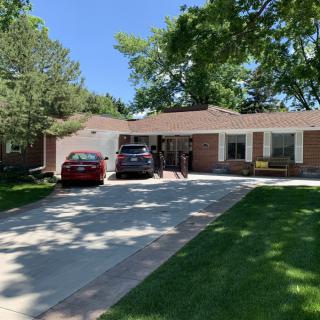
Serenity House Assisted Living Portland Drive
$5,200 to $6,500 / month4.6 miles away -
from +$700 / mo
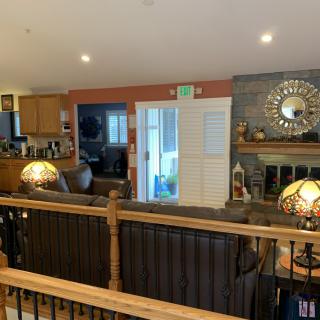
Serenity House Assisted Living Hunters Hill
$5,200 to $6,500 / month4.1 miles away -
from +$700 / mo
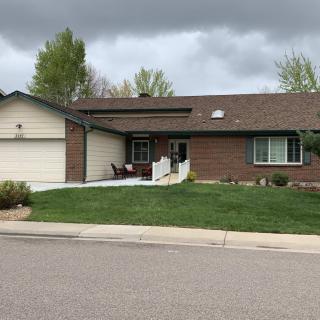
Serenity House Assisted Living Hinsdale
$5,200 to $6,500 / month1.1 miles away -
from -$600 / mo
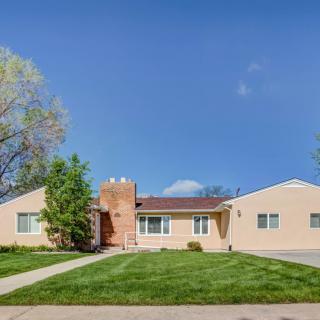
Jaxpointe At Flower Court Assisted Living
$3,900 to $4,300 / month15.9 miles away -
About the same
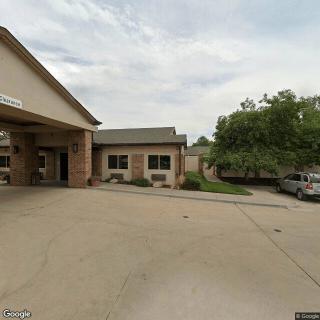
Garden Terrace Alzheimer's Center Of Excellence - Aurora
$4,620 to $5,940 / month10.0 miles away
Overall Review of St. Petro Laurel Haus
Pros
 The staff are conscientious and communicate with families in a top-notch way, showing that they truly care about residents.
- Residents receive clean, quality care, and the staff are easy to communicate with for visits, appointments, and medications.
- The environment feels like home, with homemade, fresh meals, and residents are consistently content.
- The facility is very clean and odor-free, with long-tenured caregivers providing stability for memory care.
Review
St. Petro Laurel Haus in Centennial, Colorado is best suited for families seeking a memory-careā€“leaning or assisted-living environment where residents feel at home, staff relationships are stable, and communication with families is straightforward and reliable. The reviews point to a calm, clean, and considerate setting, with a clear emphasis on everyday life that resembles a well-run home more than a clinical facility. This community fits families who want predictable routines, easy coordination for visits and medications, and a visible investment in resident comfort and dignity.
Those considering alternatives should weigh the need for higher medical acuity or a more programmatically robust memory-care offering. If the priority is aggressive clinical oversight, more intensive 24/7 skilled-nursing support, a larger campus with broader activity programming, or a setting with a more formal structure around memory therapies, other communities may deliver more of what specific care plans require. Prospective buyers should also consider geographic preferences, space, and financial considerations that may push them toward different options.
The strongest payoff comes from the staff and the environment. Conscientious communication with families and a responsive care team create a foundation of trust that often translates to smoother appointment coordination, clearer medication management, and fewer surprises for loved ones. The consistency of caregivers, remarkably, the same team members have remained with a resident for years, provides continuity that is particularly valuable for memory care, reducing confusion, anxiety, and the behavioral challenges that can arise when faces and routines change frequently.
Cleanliness and a home-like atmosphere reinforce daily comfort and safety. The reported emphasis on homemade, fresh meals and a smell-free, well-kept environment matters in ways that ripple through appetite, mood, and overall well-being. When residents feel secure and familiar with their surroundings, engagement tends to improve, which in turn supports adherence to care plans and reduces the need for disruptive interventions. These aspects collectively offset common concerns about care facilities slipping into impersonal or clinical modes.
Prospective families should verify how the facility handles individual preferences and evolving care needs. Even in a top-rated setting, questions about specific memory-care programming, how activity schedules are tailored to cognitive stages, and the flexibility of meal options can illuminate how well the community will adapt to changing resident conditions. It remains wise to confirm visit logistics, track record on medication coordination, and the degree of involvement caregivers invite family members to maintain a coordinated care plan.
In the end, St. Petro Laurel Haus presents a compelling choice for families prioritizing a warm, home-like environment, clear and proactive communication, and a stable caregiving team. The absence of expressed drawbacks in current reviews signals a cohesive operation that effectively balances dignity, safety, and daily life. For families whose priorities align with nurturing atmosphere, staff familiarity, and straightforward oversight, this community stands out as a prudent, well-considered option. Schedule a visit, observe the cadence of staff interactions, and map the care plan against personal expectations to confirm alignment before making a commitment.
 7 resident community capacity
 Assisted Living
 Board and Care Home
 Memory Care
 Cats allowed
 Dogs allowed
 Activities on-site
 Air-conditioning
 Cable or satellite TV
 Devotional services off-site
 Dining room
 Fully furnished
 Garden
 Ground floor units
 Housekeeping services
 Indoor common areas
 Move-in coordination
 Outdoor common areas
 Private
 Private bathrooms
 Respite or short term stays offered
 Telephone
 Wheelchair accessible showers
 Wi-Fi/high-speed internet available
 Denver International (25 miles away)
 24-hour supervision
 Ambulatory care
 Assistance with bathing
 Assistance with dressing
 Assistance with transfers
 Diabetes diet
 Diabetic care
 High acuity care
 Hospice waiver
 Incontinence care
 Meal preparation and service
 Medication management
 Mental wellness program
 Special dietary restrictions
 Transportation arrangement (medical)
 Transportation to doctors appointments
 BBQs or picnics
 Birthday parties
 Catholic services


 A Thorough Discussion of Medications Potentially Linked to Dementia Risk
 Why Do Dementia Patients Sleep So Much? Understanding Oversleeping, Stages, and Care Approaches
 8 Key Indicators That Suggest It May Be Time to Transition from Assisted Living to Skilled Nursing Care