
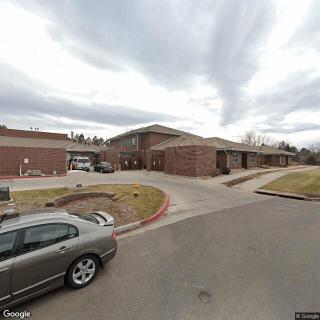
6694 South Franklin Street, Littleton, CO 80121
For more information about senior living options: (866) 208-4318
St Francis Assisted Living Facility Costs & Pricing
St. Francis Assisted Living Facility offers competitive pricing compared to both Arapahoe County and the broader state of Colorado. With a semi-private room priced at $2,495 per month, it presents significant savings when contrasted with Arapahoe County's average of $3,797 and the state's average of $4,009. For those seeking more privacy, a studio at St. Francis costs $3,095, again lower than the county and state averages of $4,456 and $4,090 respectively. The facility's one-bedroom option is available for $3,995 per month, which remains within an advantageous range compared to Arapahoe County's average of $4,732 and Colorado's average of $4,119. Overall, St. Francis Assisted Living Facility combines affordability with quality care in a supportive environment.
| Floor plans | St Francis Assisted Living Facility | Arapahoe County | Colorado |
|---|---|---|---|
| Semi-Private | $2,495 | $3,797 | $4,008 |
| Studio | $3,095 | $4,456 | $4,088 |
| 1 Bedroom | $3,995 | $4,732 | $4,118 |
Assisted Living communities with a similar price nearby
-
from -$495 / mo
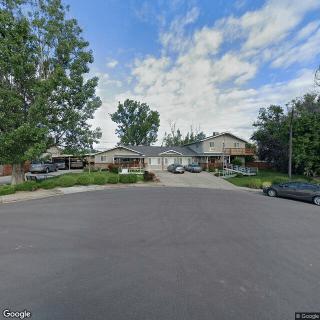
The Rising Sun Senior Home
$2,000 to $3,000 / month9.2 miles away -
from +$405 / mo
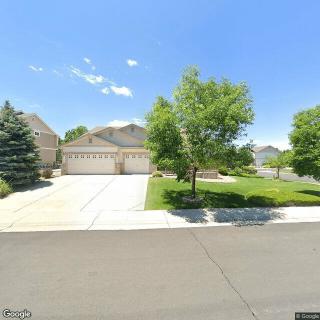
Rose Of Sharon Weaver Assisted Living
$2,900 to $4,000 / month9.9 miles away -
from -$245 / mo
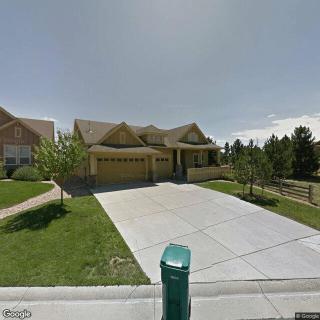
Assisted Living At The Woodlands
$2,250 to $2,500 / month16.4 miles away -
About the same
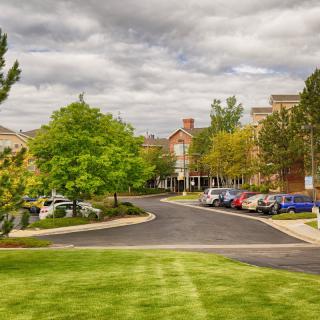
Someren Glen Retirement Community
$2,470 to $3,975 / month2.1 miles away -
About the same
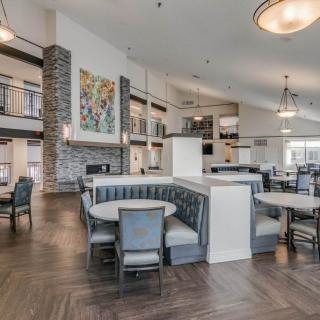
San Marino Retirement Community
$2,539 to $4,348 / month16.9 miles away
Overall Review of St Francis Assisted Living Facility
Pros
 Residents feel very at home.
- The staff consistently cooks homemade and fresh food.
- Residents are always content.
- The facility is clean and never smells.
- The same caregivers have been there for two years, which supports stability in memory care.
Cons
 None found in the provided review.
Review
St Francis Assisted Living Facility in Littleton is best suited for memory-care residents whose families prize a warm, home-like environment, predictable routines, and caregiving stability. The blend of homemade, fresh meals and a consistently clean setting creates a daily atmosphere that tends to evoke contentment among residents. The standout point from the experience is caregiver tenure, staff who have remained with the resident’s family for two years, signaling a depth of familiarity, trust, and smooth communication that can significantly ease transitions for memory-impaired loved ones. For families weighing memory-care options, this combination of comfort, nutrition, and a clean, odor-free milieu anchors day-to-day quality of life in a way that many seek but few communities consistently deliver.
That said, this community is not a universal fit. Families whose loved one requires intensive on-site medical monitoring, robust nursing support, or highly structured, broad-based programming may want to compare options. The single favorable report highlights warmth, cleanliness, and stability, but those strengths are not a substitute for a deep clinical footprint. For residents with acute medical needs, frequent physician oversight, or dementia stages demanding specialized interventions, alternatives with stronger medical staffing and more expansive activity offerings may better safeguard safety and progress.
The pros are tangible and meaningful: a home-like feel that can minimize anxiety for memory-care residents, meals cooked in-house that support appetite and comfort, spotless spaces that reduce sensory triggers, and caregivers who truly know each resident. These factors directly support daily wellbeing and emotional security, often offsetting the absence of high-end amenities or sprawling programming found in larger campuses. In memory care, continuity of staff often matters more than the breadth of activities; the reported long-tenured caregivers suggest residents can rely on familiar faces during transitions, reinforcing routine adherence and a sense of security.
However, placing heavy emphasis on a single positive review invites caution. Prospective residents should verify current staffing patterns and ask about on-site nurse coverage and response times. A tour during busy hours can illuminate how the team communicates, handles emergencies, and maintains the level of attentiveness expected in memory care. Inquire about the dining program’s flexibility to accommodate dietary restrictions without compromising freshness, and request details on memory-specific programming and safety protocols. These checks help determine whether the strengths noted in one account hold steady as care needs evolve.
For families navigating a mindful, decision-focused process, practical steps matter. Schedule a direct visit with key decision-makers, bring along a trusted advisor, and prepare a structured set of questions: caregiver-to-resident ratios, shift coverage, and escalation procedures for cognitive changes; specific examples of daily routines; daily activity calendars; and menus that reflect variety and nutritional balance. Compare costs against anticipated needs for future care services, including possibilities for supplemental nursing support, transportation, and programming breadth. Gathering several options ensures the final choice rests on real fit rather than the most favorable impression.
Overall, St Francis Assisted Living Facility stands out in Littleton for warmth, cleanliness, and staff continuity within a memory-care context. It is a compelling match for residents who thrive on a home-like ambience, predictable routines, and genuinely cooked meals, provided the care needs align with a smaller-scale operation rather than expansive clinical offerings. Those criteria do not apply universally; families seeking robust medical oversight or broader, more intensive programming may find better alignment elsewhere. For interested households, scheduling a candid tour and asking pointed questions about current staffing, programming, and safety will illuminate whether this community is the right home, or if another path better serves the loved one’s evolving needs.
 8 resident community capacity
 Assisted Living
 Board and Care Home
 Cable or satellite TV
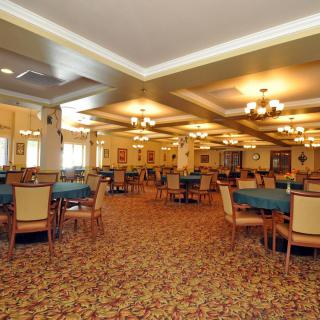
 Dining room
 Fully furnished
 Garden
 Housekeeping services
 Move-in coordination
 Outdoor space
 Telephone
 Wi-Fi/high-speed internet available
 Denver International (24 miles away)
 24-hour supervision
 Activities of daily living assistance
 Assistance with bathing
 Assistance with dressing
 Assistance with transfers
 Diabetes diet
 Meal preparation and service
 Medication management
 Special dietary restrictions
 Transportation arrangement (medical)
 Transportation to doctors appointments
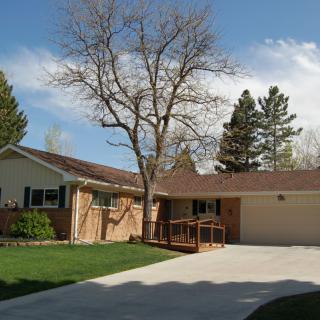
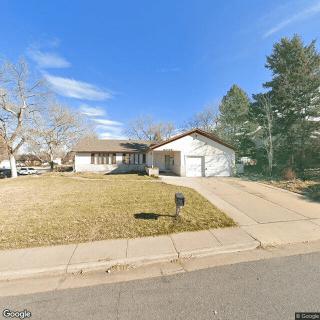

 Comprehensive Residential Support and Assisted Living Solutions for Individuals with Disabilities
 Comprehensive Supportive Living Arrangements for Adults with Disabilities
 Funding and Affording Assisted Living: A Thorough Overview