
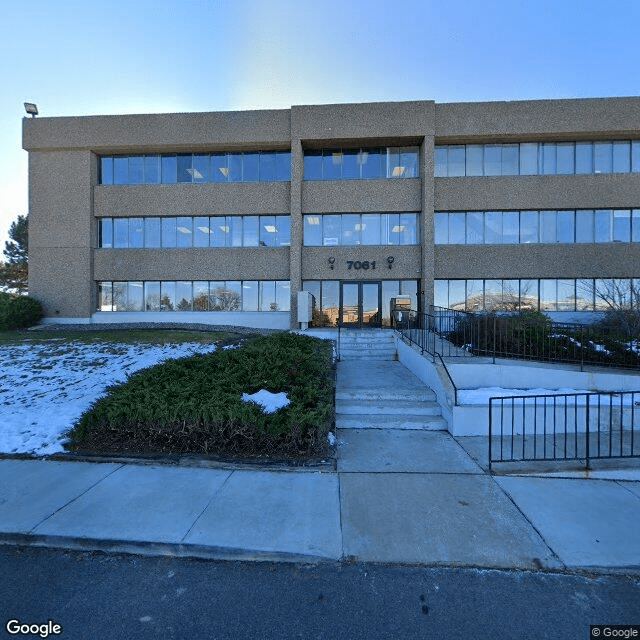
7061 S. University Blvd. Ste 200, Centennial, CO 80122
To contact a resident: (303) 722-3242
For more information about senior living options: (866) 208-4318
Overall Review of Comfort Keepers - Denver
Pros
 Management and staff respond fast and accurately to requests.
- Clients are very happy with the service and care provided.
- They adjust quickly as situations change.
- They fulfill requests promptly.
- Comfort Keepers started care through a hospital/rehab transition and continues through recovery, adjusting schedules as needed.
- Communication and follow-through have been flawless.
- The office and scheduling staff are friendly and responsive.
- Caregivers are knowledgeable, professional, caring, and helpful.
- The team is exceptional, and the office is prompt and supportive.
- Helen is wonderful, supportive, and well-regarded.
- In-home care helps clients live independently at home.
Cons
 They have a lack of backup when staff call in sick, which can leave clients with no caregiver at times.
- The absence of a backup plan can create gaps in care when coverage is unavailable.
Review
Comfort Keepers in Centennial is best suited for families seeking dependable, in-home care that can flex with medical needs while preserving independence at home. This service excels when continuity matters: a steady cadre of caregivers who know the patient’s routines, a responsive office that acts quickly, and a provider comfortable with transitions from hospital or rehab back to daily living. For seniors who want to avoid a move to a facility yet still require timely assistance with activities of daily living, medication reminders, and coordination with other healthcare professionals, Comfort Keepers delivers a practical, hands-on approach that keeps the care plan intact as conditions shift.
Those needing a more traditional campus setting with around-the-clock nursing supervision, robust on-site programming, and highly structured social opportunities may want to consider alternatives. Also, households with high anxiety about relying on a rotating roster of caregivers, rather than a stable core team, may prefer a model that guarantees a live-in option or guaranteed staffing levels. In short, Comfort Keepers is excellent for home-based, adaptable support; it’s less ideal if the resident requires constant, institutional oversight or a fixed, 24/7 schedule.
From the reviews, the standout strengths are management responsiveness and caregiver reliability. Requests are answered quickly, plans are adjusted as conditions change, and communication is consistently clear. Families repeatedly emphasize that scheduling flexes with recovery trajectories, ensuring care continues through hospital discharge and subsequent rehab. The caregivers themselves are described as skilled, professional, compassionate, and long-known in the family care loop, which yields confidence during fragile periods. The office team supports families by tracking events, benefits, and next steps, so there is little guesswork about who will appear and when.
However, the main practical drawback centers on backup coverage. One review flags a rough edge: when someone calls in sick, there is a noticeable gap because there isn’t a robust back-up plan. That is not a frequent complaint, but it is a real risk in in-home care where every hour of support matters and the schedule hinges on human availability. The home-based model also lacks the built-in social programming and on-site medical oversight of a traditional assisted living community. For families seeking constant, day-long supervision or a fixed daily rhythm with guaranteed staffing, the absence of a facility-like safety net could feel limiting.
Still, the pros tend to offset these drawbacks in practical, measurable ways. The management team’s agility means that when a caregiver is unavailable, a substitute is often arranged quickly, and communication never drifts. The ability to tailor the schedule to reflect progress, shifting from “caregiver as needed” to a steadier routine during post-acute recovery, reduces risk of missed care and supports ongoing rehabilitation at home. The consistent caregiver pool fosters trust and minimizes the emotional toll of frequent new faces, a significant advantage for frail or memory-challenged seniors. In short, the model works best when there is a need to stay at home but still rely on professional, attentive support that can adapt to medical changes.
For families weighing options, the decision hinges on balancing independence with reliable, scalable support. Before committing, probe how back-up coverage is handled, confirm typical response times to urgent requests, and arrange a face-to-face meeting with several caregivers to gauge compatibility. Clarify the cost structure for shifting intensity during rehab and whether weekend or evening hours are consistently available. If the priority is maintaining a familiar home environment with a responsive, respectful care team that can flex as medical needs evolve, Comfort Keepers offers a compelling, low-friction pathway. If the resident requires continuous on-site nursing, a structured day program, or guaranteed live-in coverage, alternatives in a traditional assisted-living setting are worth serious consideration.
 Denver International (24 miles away)

 Comprehensive Insights into Palliative Home Care: What It Is and What to Expect
 Skilled Nursing Facilities vs. Nursing Homes: Making Sense of the Differences
 A Detailed Examination of Nursing Home Costs Across the U.S.