
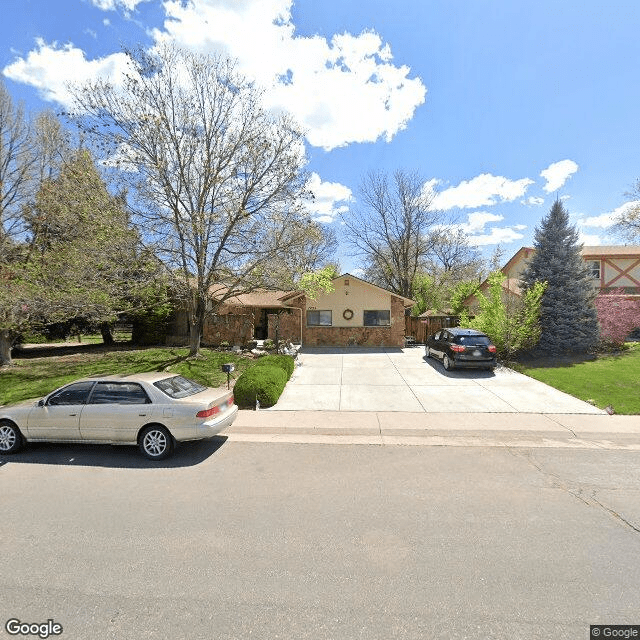
7422 So Marion St., Centennial, CO 80122
To contact a resident: (303) 694-0710
For more information about senior living options: (866) 208-4318
Master's Touch Homes, Inc. Costs & Pricing
Master's Touch Homes, Inc. offers a competitive pricing structure for its residential services when compared to the broader market in Arapahoe County and the state of Colorado. For semi-private accommodations, their cost is $2,800 per month, significantly lower than both the county average of $3,797 and the state average of $4,009. Similarly, in the private room category, Master's Touch charges $3,200, which again proves advantageous against Arapahoe County's average of $4,116 and Colorado's overall figure of $4,142. This strategic pricing not only underscores Master's Touch's commitment to providing accessible care but also positions them as an attractive option for individuals seeking quality services without compromising on comfort or affordability.
| Floor plans | Master's Touch Homes, Inc. | Arapahoe County | Colorado |
|---|---|---|---|
| Semi-Private | $2,800 | $3,797 | $4,008 |
| Private | $3,200 | $4,116 | $4,142 |
Senior living communities with a similar price nearby
-
from +$200 / mo

A Loving Hand Assisted Living
$3,000 / month6.0 miles away -
from +$200 / mo
Lighthouse Assisted Living Inc - Newland
$3,000 to $3,500 / month5.4 miles away -
from +$100 / mo
Rose Of Sharon Weaver Assisted Living
$2,900 to $4,000 / month9.8 miles away -
from -$550 / mo
Assisted Living At The Woodlands
$2,250 to $2,500 / month15.6 miles away -
from -$315 / mo
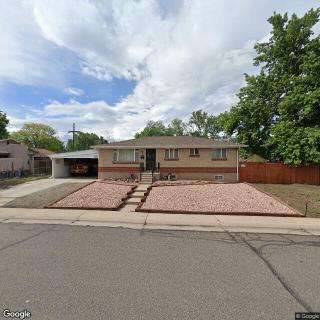
Spring Cove Care Home
$2,485 to $3,685 / month8.5 miles away
Overall Review of Master's Touch Homes, Inc.
Pros
 The facility is upgraded to be modern, clean, and neat.
- The management team is excellent.
- The facility has transformed from outdated to updated and modern.
- Residents are treated like family and feel welcomed daily.
- Healthy and fresh meals are provided daily, along with snacks.
- The staff offer fun activities, encouragement, and support for longevity of livelihood.
Review
Master’s Touch Homes in Centennial, CO is best suited for seniors who crave a modern, well-maintained assisted living experience coupled with a warm, family-like culture. The community has been intentionally upgraded from older, dated spaces into a clean, neat environment that feels fresh and welcoming on arrival. Management plays a visible, hands-on role, and residents are treated as part of a family, receiving daily warmth, encouragement, and a sense of belonging. Nutritious meals and snacks are provided regularly, with programming that emphasizes social engagement, activity, and ongoing liveliness.
For families weighing options, it’s important to note who may want to consider alternatives. Those needing more intensive medical oversight or a facility with a robust on-site nursing staff around the clock should look at options that explicitly offer higher levels of clinical care. Memory care or dementia-specialized programs are another area where a broader continuum of services can matter; if those needs are anticipated, a community with deeper memory-support resources may be preferable. Budget considerations and location preferences should also factor in, as some families will find other centers offering different pricing structures or surrounding amenities that better align with their financial or logistical priorities.
The standout pros are clear and compelling. The management’s quality and consistency drive the overall experience, translating into reliable operations, thoughtful problem-solving, and a culture that feels genuinely engaged with residents’ well-being. A transformed facility, modern, clean, and well-kept, reduces daily friction and promotes comfort from the first impression. Meals are nutritious and consistently available, with snacks that support energy and social mealtimes that reinforce connection among residents. The daily calendar delivers opportunities for exercise, creative expression, and social interaction, all of which contribute to a sense of longevity in lifestyle and vitality.
These strengths offset potential gaps in other areas by emphasizing relational warmth and predictable, resident-centered routines. When a community interfaces with families and residents through steady communication, visible leadership, and a culture of accommodation, the absence of a large clinical footprint becomes less of a concern for many who prioritize daily quality of life. The updated environment lowers maintenance annoyances, enhances safety, and supports independent living within assisted-care boundaries. In practice, the combination of strong management and a welcoming atmosphere makes it easier to envision comfortable, dignified days without feeling medicated or neglected.
Prospective movers should approach a tour with clear questions about day-to-day care and social opportunities. Assess how staff interactions feel in real time, are caregivers attentive, patient, and engaged with residents? Inquire about meal planning and dietary accommodations, the variety and timing of activities, transportation options for appointments, and how family members are kept informed about daily or weekly changes. Verify what is included in base fees versus add-on services, and confirm the availability of higher levels of care if medical needs evolve. Given the high marks for management and atmosphere, these practical checks will determine whether the fit extends beyond initial impressions to long-term satisfaction.
Bottom line: Master’s Touch Homes represents a strong, practical choice for seniors who value a refreshed, well-run setting where daily life is built around companionship, nourishment, and purposeful activity. The community’s core advantage is a leadership team that commits to residents’ happiness and a culture that treats elders with genuine respect and kindness. This is not a fully clinical or memory-focused campus, but for families prioritizing a sense of belonging, consistent programming, and a modern, clean environment, the trade-offs align well with a high-quality, low-friction living experience. If higher medical intensity or specialized memory care is essential, or if cost and location drive the decision, alternatives should be explored, but for those who want a practical, experienced, and emotionally reassuring option, this Centennial community stands out as a thoughtful, capable choice.
 Board and Care Home
 Cats allowed
 Dogs allowed
 Private
 Denver International (25 miles away)

 Senior Move Management: Understanding the Role, Value, and Associated Costs
 Weight Training for Seniors: Building Strength and Vitality
 Understanding the Sandwich Generation: Stress and Responsibilities for Multigenerational Caregivers