
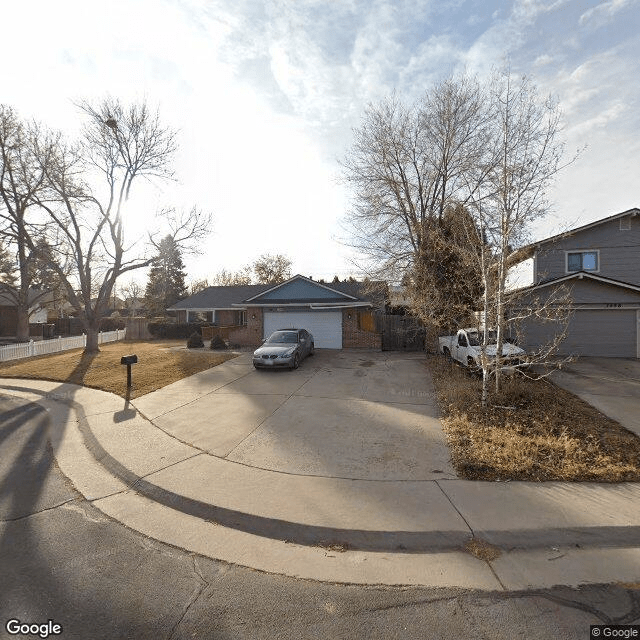
7488 S Kit Carson Street, Centennial, CO 80122
To contact a resident: (720) 283-2127
For more information about senior living options: (866) 208-4318
Extended Care Assisted Living Costs & Pricing
When evaluating the costs for Extended Care Assisted Living in Arapahoe County, Colorado, it's clear that residents may face significant financial implications. The monthly fees for a semi-private room in an assisted living facility stand at $2,400, which is notably lower than the county's average cost of $3,797 and the state average of $4,009. For those opting for a private room, the base rate of $2,700 also reflects a substantial savings compared to Arapahoe County's average of $4,116 and Colorado's average cost of $4,142. This discrepancy highlights not only the accessibility of care but also suggests that choosing Extended Care Assisted Living can be a more economical option while still providing essential services in a supportive environment.
| Floor plans | Extended Care Assisted Living | Arapahoe County | Colorado |
|---|---|---|---|
| Semi-Private | $2,400 | $3,797 | $4,008 |
| Private | $2,700 | $4,116 | $4,142 |
Senior living communities with a similar price nearby
-
from -$450 / mo
Companion Care, Inc. III
$1,950 / month11.8 miles away -
from -$400 / mo
The Rising Sun Senior Home
$2,000 to $3,000 / month9.9 miles away -
from -$150 / mo
Assisted Living At The Woodlands
$2,250 to $2,500 / month15.7 miles away -
from +$85 / mo
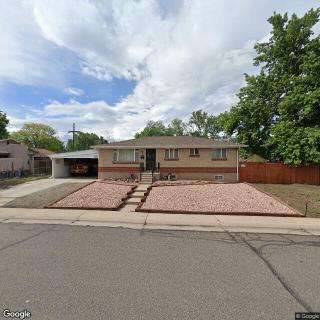
Spring Cove Care Home
$2,485 to $3,685 / month8.4 miles away -
from -$200 / mo
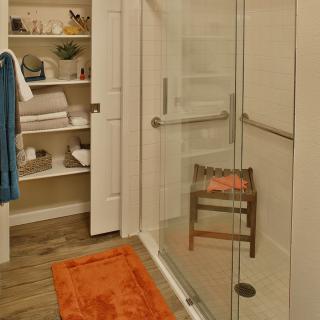
V-Esprit
$2,200 to $2,700 / month9.0 miles away
Overall Review of Extended Care Assisted Living
Pros
 The staff at Serenity House are regarded as the best the reviewers have experienced.
- Residents are treated with dignity, respect, and loving care.
- The home is clean, functional, and inviting.
- Assured Serenity is highly recommended for providing seniors with quality home care.
- Serenity House staff are great with residents and provide excellent care when family can’t be there.
- The atmosphere at Serenity House is warm, caring, and feels like a family.
- Serenity House provides around-the-clock care with outstanding caregivers and safety for residents with dementia.
Review
Extended Care Assisted Living in Centennial is best suited for seniors who want a warm, home-like setting where dignity, personal attention, and family-centered care are the core operating philosophy. The model shines for residents who thrive on consistent staffing, reliable supervision, and a human-scale environment that feels less like a hospital and more like a well-kept house of aging in place. The reviews point to memory-care needs being met in a familiar, regular-house atmosphere with safety features thoughtfully integrated, rather than in a sterile, impersonal campus. For families, this translates into the reassurance that Mom or Dad will be treated with respect, and will receive around-the-clock oversight from caregivers who know their routine. In short, it is ideal for those who value intimate care, steady daily rhythm, and the comfort of a known, caring team.
Across the three reviews, the throughline is clear: staff excellence defines the experience. Parents are treated with dignity and loving care; the team is described as the best the reviewer has experienced. The home is consistently portrayed as clean, functional, and inviting, reinforcing the sense of safety and hominess. Activities are highlighted as meaningful, with caregivers staying engaged even when family cannot be present. The continuity of care, around-the-clock attention for a husband with dementia, emerges as a standout strength, turning a difficult transition into a manageable, supported journey. Family members repeatedly credit the staff not only for patient care but for the emotional and logistical support provided during stressful times. Taken together, these positives form a compelling case for the facility as a reliable, compassionate option.
Yet there are clear situations where alternatives deserve consideration. If a family needs a more medicalized environment with extensive on-site nursing, robust rehab services, or a large-scale campus with broader programming, a bigger operator may better meet those needs. For memory-care residents requiring highly structured, hospital-level medical oversight or access to a wider array of specialists, the smaller house setting may feel limited by its scale. Those seeking expansive dining options, a broader social calendar, or transportation services across a larger network could find a larger community more aligned with expectations. In these contexts, Extended Care Assisted Living remains strong on warmth and personal attention, but the trade-off is a slower pace and potentially fewer on-site resources.
However, the strongest advantages of the home-like model appear to offset these potential gaps. The reviews make it clear that the most meaningful gains come from staff who remember names, routines, and preferences, culminating in consistently dignified, respectful care. The intimate environment helps reduce anxiety for memory-care residents who often benefit from familiar surroundings and predictable daily structures. The around-the-clock caregiver presence counters the risk of isolation, while the family-friendly atmosphere provides steady emotional backing for relatives navigating transitions. In short, the pros, empathy, reliability, cleanliness, and a sense of belonging, address the commonly cited drawbacks of small-scale settings by turning them into distinctive strengths.
Prospective families should still do practical due diligence to ensure alignment with specific needs. Ask about staff-to-resident ratios, dementia-specific safety features, and the care plans for high-acuity moments. Inquire about how activities are planned and adjusted for varying cognitive and physical abilities, and whether volunteers or family members can participate in programming. Request references from other families and, if possible, observe a meal and a typical activity to gauge pace and engagement. Clarify emergency protocols, access to on-site medical professionals, and what constitutes acceptable response times after hours. With these checks, Extended Care Assisted Living’s warmth and rigor become less a promise and more a verified, dependable option.
Bottom line: for families prioritizing a home-like, high-touch assisted living experience where memory care can be managed with a steady, compassionate team, Extended Care Assisted Living in Centennial stands out as a best fit. Its strongest offering, an exceptionally caring staff operating in a clean, inviting, family-oriented setting, turns potential concerns about scale into a nonissue for most residents. Alternatives should be considered for those needing extensive clinical programming or a larger, more varied social ecosystem. For the right resident, the blend of dignity, daily consistency, and genuine warmth offers not just safety but meaningful quality of life, with the added comfort that families receive ongoing support as part of the caregiving partnership.
 Board and Care Home
 Bath tubs
 Private
 Respite or short term stays offered
 Wheelchair accessible showers
 Ambulatory care
 Diabetic care
 Incontinence care

 Understanding Hospice Care at Home: Comprehensive Services, Key Benefits, and Eligibility
 Understanding the Full Cost of 24/7 In-Home Care: A Detailed Overview
 Exploring the World of Home Health Nurses: Qualifications, Roles, and Hiring Tips