
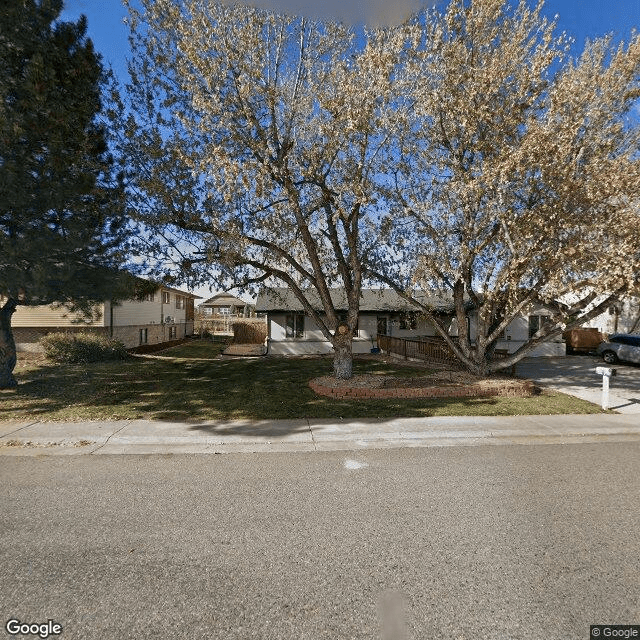
7487 S. Washington Street, Centennial, CO 80122
To contact a resident: (720) 296-2454
For more information about senior living options: (866) 208-4318
Rose of Sharon Assisted Living Costs & Pricing
Rose of Sharon Assisted Living offers competitive pricing for its private rooms at $4,000 per month, which is slightly lower than the average costs in Arapahoe County at $4,116 and the broader state average of $4,142. This thoughtful pricing strategy reflects their commitment to providing quality care while ensuring that residents receive the best value. By positioning itself below both county and state averages, Rose of Sharon not only enhances its appeal to potential residents but also fosters a sense of community and comfort without compromising on service or amenities.
| Floor plans | Rose of Sharon Assisted Living | Arapahoe County | Colorado |
|---|---|---|---|
| Private | $4,000 | $4,116 | $4,142 |
Senior living communities with a similar price nearby
-
from -$400 / mo
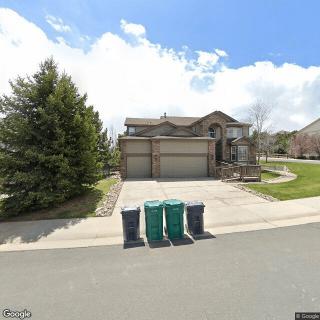
Castle Rock Assisted Living II
$3,600 to $4,100 / month14.4 miles away -
from -$400 / mo
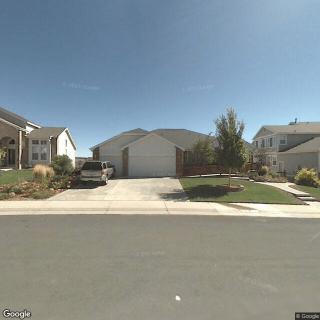
Castle Rock Assisted Living 1
$3,600 to $5,000 / month14.7 miles away -
from -$500 / mo
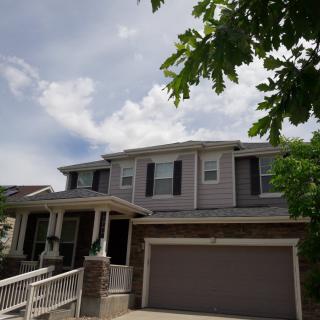
Auburn View Assisted Living
$3,500 to $5,600 / month13.9 miles away -
from -$500 / mo
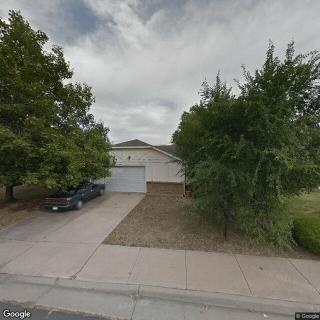
Legacy House Elder Care on Berry
$3,500 to $4,000 / month7.6 miles away -
About the same
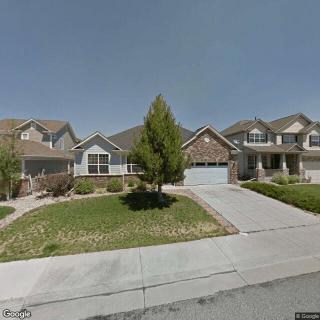
Classic Living Homes, Inc.
$4,000 to $4,500 / month14.8 miles away
Overall Review of Rose of Sharon Assisted Living
Pros
 The experience has been positive overall.
- They did a good job.
- The facility was clean, and the staff were friendly and responsive.
- A staff member went out of her way to meet the mom, and that showed exceptional care.
- The reviewers were very pleased with the small group of caregivers and the quality of care.
Cons
 They do not have any activities.
- They seem a little understaffed.
- There are definitely some areas where they can improve.
- Some more activities would have been nice.
- They did not offer coffee when requested.
- There was a spot on the ceiling that bothered them.
Review
Rose of Sharon Assisted Living in Centennial is best suited for families seeking a small, home-like setting where caregivers know residents well and care decisions feel personal rather than institutional. The community operates like a compact group-home model, delivering a calmer atmosphere with a tighter-knit staff-resident dynamic. This tends to appeal most to residents who benefit from individualized attention, safety through close supervision, and a low-stimulation environment. The resident mix appears skewed toward memory-care needs, which explains the limited emphasis on structured activities and a quieter daily rhythm that suits many families; it is not a facility built around an active social calendar.
People weighing alternatives should consider this: those who prize robust daily programming, broad social activities, and a bustling, activity-rich calendar may want to look elsewhere. Families seeking extensive coffee service, restaurant-quality dining variety, or highly polished, museum-like amenities may find Rose of Sharon lacking in those areas. Similarly, if steady, around-the-clock staffing with consistent high-coverage shifts is non-negotiable, or if there is a preference for a more polished, larger operation, other communities may better meet those expectations. The small-group, intimate format, while a strength, will not satisfy every resident’s social and logistical needs.
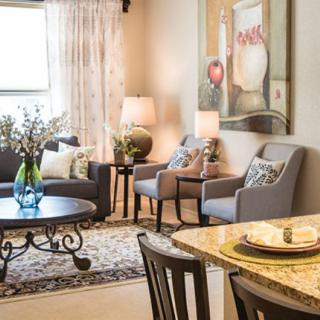
On the plus side, the strongest PROs center on care quality and the homelike environment. Residents benefit from a clean facility, friendly and responsive staff, and a care approach that emphasizes attentiveness within a compact community. The respite-stay experiences echo this pattern: guests are described as well cared-for, with staff who show up prepared and engaged, and caregivers who go beyond the call to accommodate family preferences. The “group home” framing also means caregivers can form meaningful, consistent relationships with residents, contributing to a sense of safety and belonging that larger facilities sometimes struggle to sustain.
Where the evaluating points turn more cautious are the cons. Activity programming is notably limited, largely because the population leans toward dementia, reducing the perceived need for a full activity schedule. This matters for families who want daily engagement beyond conversational interaction and routine errands. Staffing feels variable in perception: some families describe a lean model that works well, while others sense understaffing at times, which can translate to slower response times or less-enriched activity options. Minor maintenance issues do surface occasionally, a ceiling spot is cited as a distraction, and it serves as a reminder that a smaller campus cannot always match the polish of bigger-driven maintenance schedules. Dining experiences are described as acceptable but not exceptional, with practical gaps like coffee service not always being available.
In weighing these factors, the core appeal of Rose of Sharon lies in the care focus and the intimate environment. The value proposition hinges on prioritizing safety, individualized attention, and a serene, home-like daily experience over high-volume programming or luxury amenities. For families that value quick staff accessibility, predictable routines, and a caregiver-centric ethos, the pros strongly offset the cons. However, for those whose priority is an abundant activity calendar, rich culinary options, or consistently robust staffing across all shifts, the drawbacks may outweigh the benefits. Decisions should hinge on how crucial structured programming and broad social opportunities are to the resident’s well-being.
Practical next steps for families considering Rose of Sharon include interviewing leadership about staffing levels by shift, assessing how caregiver turnover is managed, and probing the scope of any dementia-specific activities or meaningful engagement beyond basic supervision. Ask how meals, coffee service, and dining preferences are handled, and request examples of how staff respond to common resident conditions. Inspect maintenance responsiveness and request recent examples of improvements made in response to resident or family feedback. If the decision centers on a small, high-touch care culture, Rose of Sharon delivers reliably; if the decision centers on activity-rich living and a bustling campus, alternatives will likely serve better.
 Board and Care Home
 Private

 Top Canine Companions for Older Adults
 Comprehensive Guide to Blood Pressure Charts for Older Adults: Understanding Normal and High Readings by Age
 Financing Long-Term Nursing Home Care Through Social Security: A Thorough Exploration