
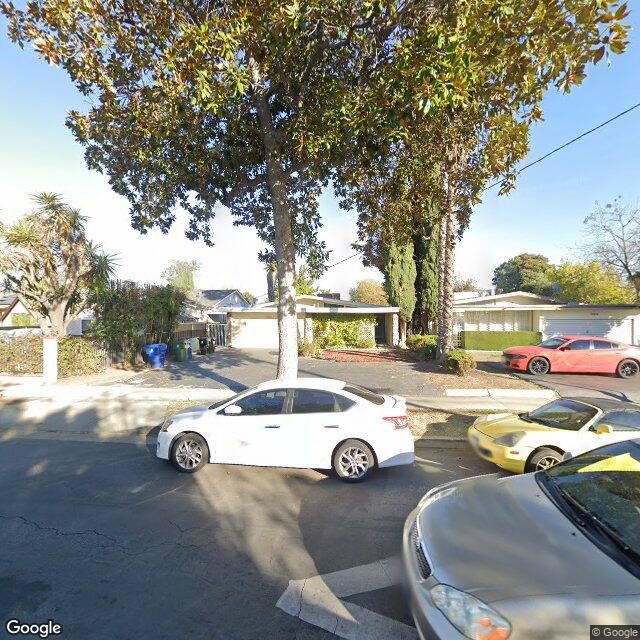
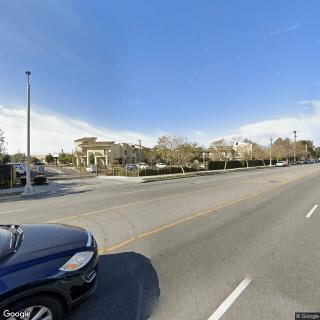
14819 Valerio St., Van Nuys, CA 91405
To contact a resident: (818) 787-5020
For more information about senior living options: (866) 208-4318
St. John Manor Costs & Pricing
St. John Manor offers competitive monthly costs for its residents, particularly when compared to the broader market in Los Angeles County and California as a whole. For a semi-private room, the charge at St. John Manor is $2,300, significantly lower than the county average of $3,349 and the state average of $3,333. Similarly, both private rooms and one-bedroom accommodations at St. John Manor are priced at $4,500 each; while this is slightly above Los Angeles County's private room cost of $4,197, it remains favorable compared to the state's 1-bedroom rate of $4,340. Overall, St. John Manor stands out as an appealing option for individuals seeking reasonable living expenses without compromising on quality care and community atmosphere in an increasingly expensive market.
| Floor plans | St. John Manor | Los Angeles County | California |
|---|---|---|---|
| Semi-Private | $2,300 | $3,349 | $3,333 |
| 1 Bedroom | $4,500 | $4,603 | $4,340 |
| Private | $4,500 | $4,197 | $3,939 |
Memory care communities with a similar price nearby
-
from +$450 / mo
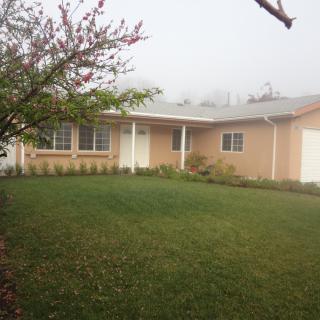
Dignity Care Home 1
$2,750 to $4,150 / month2.5 miles away -
from -$100 / mo
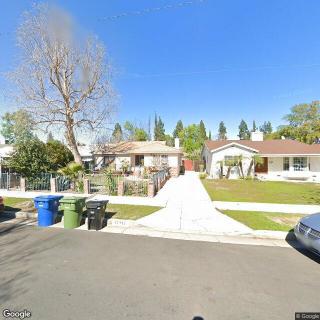
Granada Hills Gardens
$2,200 to $3,500 / month5.0 miles away -
from +$200 / mo
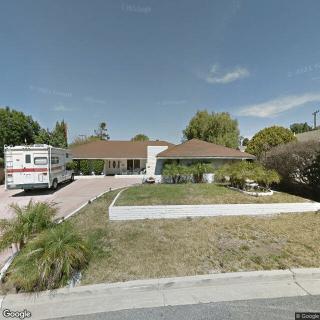
Familycare Cottage IV
$2,500 to $4,500 / month23.3 miles away -
from +$200 / mo
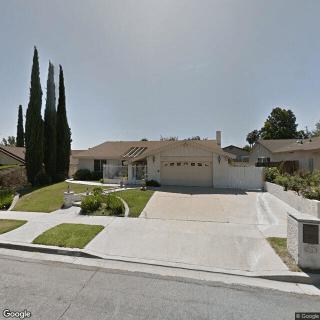
Sunrise Guest Home
$2,500 to $3,000 / month17.6 miles away -
from +$100 / mo

Leisure Living
$2,400 to $3,000 / month19.5 miles away
Overall Review of St. John Manor
Cons
 The place is horrible.
- They stereotype people and have many transient visitors because there are no cameras, and mail handling is an issue.
- The reviewer was harassed, their truck was stolen three times, their apartment was broken into, and they were kicked out after two years because their name was given by these people.
- They have police reports, but the management keeps offering excuses not to refund the security deposit.
- The staff is unprofessional.
- They enter tenants' apartments without authorization.
- The parking lot is full of trash.
- The reviewer had a bad experience making a claim.
- The response was sarcastic, telling them to hire a lawyer because there was no time to listen.
Review
St. John Manor in Van Nuys is best suited for residents who can tolerate uneven service and privacy concerns in a large facility, and who prioritize space and a potentially lower-cost setting over flawless daily operations. The complex presents a sizable footprint that may appeal to those who value getting around a roomy campus and having social opportunities, even if the day-to-day experience is inconsistent. This is not a premium care environment, but for someone who can navigate gaps in staff reliability and guard against privacy risks, it could fit as a practical option. The core reality is that comfort here depends on accepting variability in response, maintenance, and oversight.
The reviews present a stark mix: seven total with three five-star endorsements, three one-star condemnations, and a single three-star note, underscoring a deeply polarized experience. That split signals that outcomes are highly contingent on individual interactions and management performance on any given day. Families should take the pattern seriously: a facility can feel welcoming to some while feeling unstable to others, depending on who they interact with and when. With that in mind, the most prudent path is to weigh personal tolerance for inconsistency against anticipated benefits from the campus size and potential social activity.
On the upside, there is an implied advantage in the facility’s scale and “big” feel. A large property can offer more room for activity options and common spaces, which some residents may value for social engagement and autonomy within a familiar community. However, those positives are dwarfed by several persistent, concrete drawbacks highlighted by residents. The strongest red flags involve staff behavior and control: reports of unprofessional conduct, unauthorized entry into private apartments, and dismissive responses to legitimate concerns. Parking lot cleanliness and overall site upkeep also contributed to a sense that daily living and safety could be compromised by neglect.
The net effect of these factors is a risk-laden balance. The potential social and spatial advantages lose significant traction when privacy cannot be safeguarded and when residents fear intrusion or feel unheard by management. Security appears especially deficient in the eyes of residents, with claims of unauthorized access and a lack of visible safeguards like cameras. Financial reliability compounds the risk, as disputes over deposits and refunds linger, creating ongoing tensions between residents and the management team. In short, the meaningful benefits of the large campus do not reliably offset the fundamental concerns around safety, respect, and financial fairness.
Prospective residents should enter with a rigorous due-diligence plan. Insist on a precise tour focused on security: are entrances controlled, what surveillance exists, how incidents are recorded, and how quickly staff respond to problems. Request written policies on resident privacy, property access, and emergency procedures, and obtain a clear, enforceable deposit and refund policy in writing. Speak with current residents about incident handling, maintenance responsiveness, and whether staff communication remains courteous under pressure. Inspect grounds for cleanliness and ongoing maintenance, and verify there is accountable local management and transparent oversight. These steps transform a risky option into a decision that is grounded in verifiable practices rather than impressions.
Bottom line: St. John Manor presents a real risk-reward proposition. For families prioritizing safety, privacy, and consistently respectful staffing, nearby alternatives should be the default preference. For those who must work within a tighter budget or who can supervise day-to-day operations closely, the campus may merit cautious consideration, but only after securing detailed, written guarantees on security, services, and financial terms and after confirming a track record of reliable management. The recommendation is to proceed with substantial scrutiny: demand documented policies, insist on transparent accountability, and compare closely with other communities that demonstrably uphold resident rights and dependable service.
 Board and Care Home
 Memory Care
 Private
 Burbank-Glendale-Pasadena (6 miles away)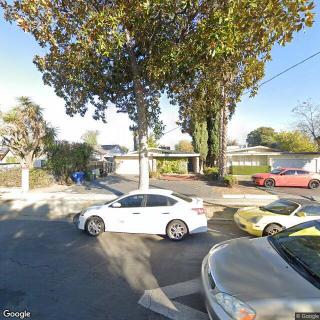
 Affordable pricing in a small, intimate setting.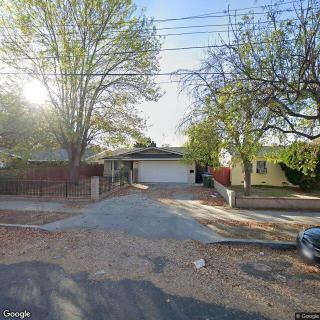


 Medications Associated with Dementia Risk: A Comprehensive Overview
 Guiding Your Journey: Understanding Power of Attorney for Elderly Parents
 22 Remarkable Caregiver Support Groups Available Online and In-Person