
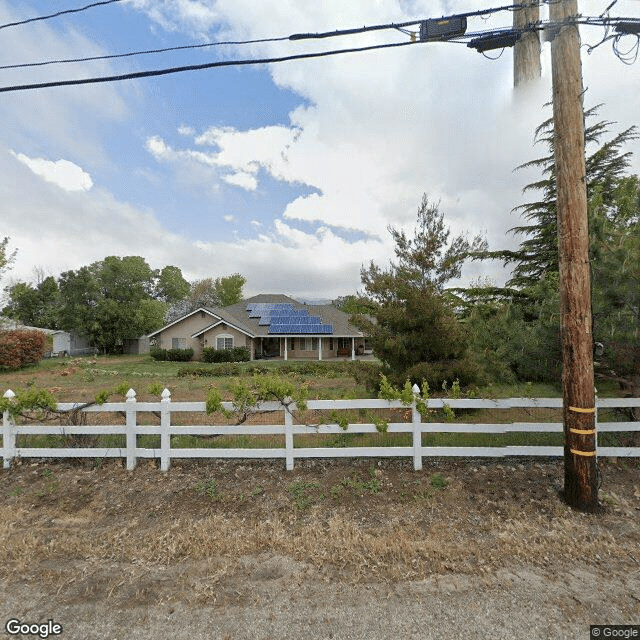
22371 Banducci Rd, Tehachapi, CA 93561
To contact a resident: (661) 330-6501
For more information about senior living options: (866) 208-4318
Country Assisted Living Costs & Pricing
Country Assisted Living offers competitive pricing for its residents, reflecting both the quality of care and the services provided. For a semi-private room, the monthly cost is $3,500, which is notably higher than the average in Kern County at $2,887 but still slightly below California's statewide average of $3,333. When it comes to private rooms, Country Assisted Living charges $5,000 per month. This price takes into consideration not only the amenities and personalized care available but also stands above Kern County's average of $3,456 and California's broader average of $3,939. Overall, while Country Assisted Living may present a higher price point relative to local averages, it emphasizes a value that prioritizes resident well-being and comprehensive support services that many families find worthwhile.
| Floor plans | Country Assisted Living | Kern County | California |
|---|---|---|---|
| Semi-Private | $3,500 | $2,887 | $3,333 |
| Private | $5,000 | $3,456 | $3,939 |
Memory care communities with a similar price nearby
-
from -$500 / mo
Mulberry Place Assisted Living VI
$3,000 to $4,000 / month4.3 miles away -
from -$300 / mo
Casa Amore East
$3,200 to $3,600 / month22.8 miles away
Overall Review of Country Assisted Living
Pros
 The grandfather is smiling now, and the staff can handle him and all his quirks.
- He is well fed and kept clean.
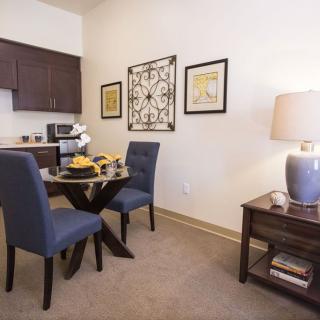
- It feels like his own little home with some friends visiting.
- The facility and the staff at Country Assisted Living in Tehachapi are wonderful, with a warm atmosphere and caring staff.
- They would highly recommend Country Assisted Living in Tehachapi.
- So far, there are no concerns or issues.
Cons
 He can be quite difficult at his age.
Review
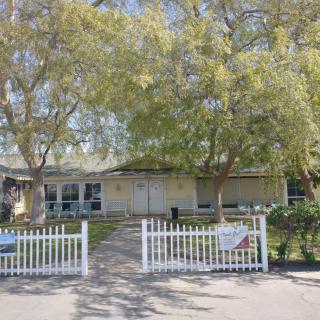
Country Assisted Living in Tehachapi is best suited for seniors who want a compact, home-like setting and for families that prize intimate, hands-on care over campus size. The reviews indicate a place where a resident can be treated as an individual, with daily routines, a sense of place, and steady supervision. The strongest fit is a loved one who benefits from reliable meals, clean surroundings, and social contact with a small circle of fellow residents and visitors, rather than a bustling, program-heavy environment. In practice, even residents who prove difficult to manage are met with patience, calm attention, and consistent oversight, yielding smiles and a sense of belonging. The setting feels like a personal home with occasional visits from friends, not a clinical elder-care facility. That homey ambience paired with dependable care defines the core value proposition here.
Those who may want to consider alternatives include families facing higher medical needs, memory-care requirements, or the desire for a broader slate of on-site activities and clinical services. If a resident requires intensive nursing supervision, complex wound care, or specialized therapies, a larger facility with dedicated medical teams may deliver more robust resources. Likewise, if transport options, volunteer involvement, or a richer social calendar are priorities, a bigger campus can offer them more readily. Prospective buyers should also reflect on cost-to-value: a homelike setting often trades breadth of services for depth of personal attention, so those who want constant programming or formal rehabilitation pathways may want to look elsewhere.
On balance, the strongest advantages are clear and repeatedly affirmed. An exceptionally warm atmosphere and consistently caring staff translate into reliable daily rhythms, predictable meals, and clean, comfortable living spaces. The ability to handle a resident with quirks, something repeatedly highlighted in conversations about a particular grandfather, underscores a decisive strength: staff members know how to de-escalate stress, preserve dignity, and maintain safety without turning care into confrontation. That intimacy also supports frequent social contact; the home-like setting and the visiting-guest dynamic help preserve a sense of independence and belonging. In short, warmth, attentiveness, and well-maintained surroundings create a compelling offset to the potential trade-offs of a smaller operation.
Consistency emerges as the throughline in the feedback. Reviewers describe a facility and staff that feel wonderful, with a warm atmosphere and a readiness to recommend the community. Repeated references to smiles, genuine care, and a home-like vibe reinforce confidence in daily life there. Even without a long catalog of clinical offerings in the public chatter, the absence of red flags across six responses strengthens the case for choosing Country Assisted Living for families who prize steadiness and personal touch over breadth of services. The practical takeaway is a clear one: this is a setting that delivers reliability and emotional warmth in equal measure.
To translate these impressions into a confident decision, approach the community as a long-term housing option rather than a stopgap. Inquire about on-site nurse availability, medication management, and after-hours support. Ask about meal customization, dietary restrictions, and how care teams address behavioral challenges with dignity. Observe how residents interact, whether there is a balance between social engagement and private routines, and whether the environment accommodates varying levels of independence. During a tour, listen for responsiveness to calls and assess how staff communicate, calm, respectful, and consistent are the hallmarks to seek. These practical checks reveal how the favorable atmosphere translates into everyday reliability.
Bottom line: Country Assisted Living is an excellent match for families seeking a warm, intimate, home-like setting where staff can manage quirks with grace and keep residents well fed and clean. It offsets its smaller scale with strong relational care, a clear sense of safety, and a calm, predictable daily rhythm. Alternatives are worth considering if medical complexity, memory-care needs, or a desire for more expansive programming and clinical resources are priorities. With a thoughtful tour and candid questions, families can determine whether this Tehachapi haven will become a trusted home that preserves dignity while delivering dependable, personalized support.
 Board and Care Home
 Day Program
 Memory Care
 Cats allowed
 Dogs allowed
 Bath tubs
 Indoor common areas
 Outdoor common areas
 Private
 Private bathrooms
 Respite or short term stays offered
 Wheelchair accessible showers
 Ambulatory care
 Incontinence care
 Medication management
 Kosher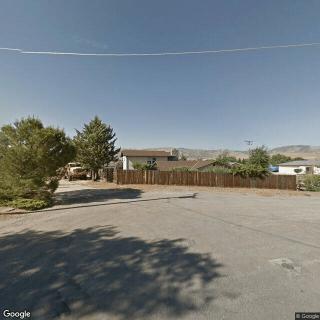



 Understanding Dementia Through Its Seven Stages: A Comprehensive Look at Progression and Expectations
 Safeguarding Your Memory Through the Golden Years: Eight Ways to Preserve Cognitive Health
 Comprehensive Insights into Activities of Daily Living (ADLs) and Their Assessment