
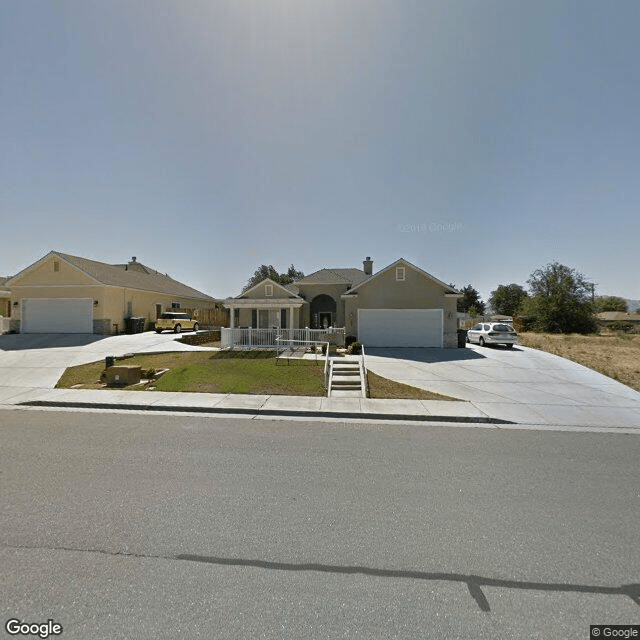
809 Mulberry Street, Tehachapi, CA 93561
To contact a resident: (661) 823-9145
For more information about senior living options: (866) 208-4318
Mulberry Assisted Living Costs & Pricing
Mulberry Assisted Living offers competitive pricing for its residents, particularly when compared to both Kern County and the broader California market. For a semi-private room, Mulberry's monthly cost of $2,000 is significantly lower than the county average of $2,887 and the state average of $3,333. Similarly, those seeking a private room will find that Mulberry's fee of $2,750 stands in stark contrast to Kern County's average of $3,456 and California's average of $3,939. These attractive rates not only highlight Mulberry Assisted Living as a financially sound choice for families but also reflect its commitment to providing quality care while maintaining affordability amid rising living costs in the region.
| Floor plans | Mulberry Assisted Living | Kern County | California |
|---|---|---|---|
| Semi-Private | $2,000 | $2,887 | $3,333 |
| Private | $2,750 | $3,456 | $3,939 |
Memory care communities with a similar price nearby
-
About the same

TLC Room and Board II
$2,000 to $4,300 / month23.6 miles away -
About the same
TLC Room and Board III
$2,000 to $2,500 / month23.6 miles away -
About the same

Mulberry Place VI
$2,000 to $3,000 / month0.1 miles away -
About the same
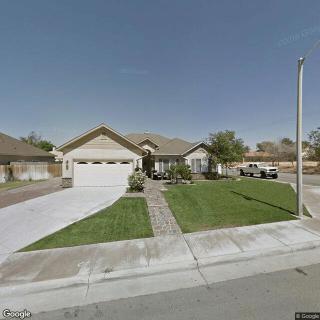
Mulberry Place Assisted Living
$2,000 to $2,750 / month0.1 miles away
Overall Review of Mulberry Assisted Living
Pros
 They are doing a good job and the value is great.
- The care seems very good and they watch over things really well.
- They offer nice activities for residents.
- They go out of their way to make sure that everyone feels like family.
- The parent with Alzheimer's is being well taken care of.
- They provide more social interaction for residents.
Review
Mulberry Assisted Living in Tehachapi is best suited for seniors who want reliable daily oversight, a warm, family-like atmosphere, and solid value in a compact, familiar town setting. The care described by families feels attentive rather than transactional, with staff watching over residents and keeping a steady eye on well-being. Activities exist to add structure to days, and the broader sense is that loved ones are known and looked after. The hub appears especially well-matched for residents beginning to experience memory changes or Alzheimer’s, where calm support matters as much as routine programming. Staying local in Tehachapi helps preserve routines and community ties. In short, Mulberry tends to deliver dependable, personable care at a price that makes sense for families prioritizing proximity and continuity of daily life.
Those evaluating alternatives should consider options if medical intensity or dementia-specific programming is non-negotiable. Mulberry’s strongest selling points, care quality, ongoing oversight, and social engagement, exist alongside the reality of typical assisted living emphasis, not a hospital-like clinical profile. Families with residents needing around-the-clock skilled nursing, frequent on-site medical interventions, or a formal memory-care unit may prefer facilities designed for higher acuity. A special rate improves affordability and is a clear plus, but it raises questions about long-term price guarantees. For those prioritizing a heavier clinical footprint, Mulberry should be weighed against options that promise more intensive medical supports.
On balance, the positives line up with a practical decision path. Care is described as very good, with staff who monitor safety and well-being, reducing family anxiety and bolstering trust. The value proposition is credible: a reasonable price paired with attentive service translates into real everyday relief. The community’s social calendar is a strength, offering opportunities for interaction that help prevent isolation. A family ethos runs through the place, with staff going out of their way to create a sense of belonging. For families facing Alzheimer’s care, that mix of steady care and social connection can soften transitions and support a smoother adjustment for a loved one.
Still, there are caveats to weigh. Engagement in activities isn’t guaranteed immediately, one reviewer notes their mom hasn’t joined in yet, so participation can depend on the resident’s readiness and staff approach. The Alzheimer’s transition is described as early, with optimism that routine and comfort will settle in, but that window can feel uncertain for families seeking rapid continuity. These dynamics aren’t defects, but they underline the importance of testing fit over a few weeks and observing how staff respond to evolving needs. Mulberry’s warmth remains compelling, even if the pace of adaptation varies from person to person.
Those strengths help the main benefits outweigh the potential drawbacks. The combination of attentive care and a family-like culture lowers the risk of a resident feeling adrift, especially for memory-impaired individuals who rely on steady cues and reassurance. The affordability angle, boosted by a special rate, substantially reduces sticker shock and makes ongoing residency feasible for many families. The Tehachapi location further eases visit logistics and helps maintain day-to-day familiarity. The caveat to watch is whether the rate is sustainable and what the memory-care offering looks like as needs evolve. Alignment of budget, goals, and actual programming will determine long-term fit.
For families ready to commit, practical next steps are clear. Schedule a visit to observe daily rhythms, ask how memory care is supported, and review the activity calendar and staffing levels. Inquire about Alzheimer’s-specific provisions and any guarantees on rates beyond the initial discount. Speak with current residents’ families to gauge real-world experiences, and consider a short trial if available. Mulberry presents a compelling combination of care quality, community warmth, and value, precisely the mix that suits households prioritizing stability, locality, and a humane, neighborly environment for an aging parent.
 Board and Care Home
 Memory Care
 Activities off-site
 Devotional services on-site
 Indoor common areas
 Outdoor common areas
 Private
 Respite or short term stays offered
 Ambulatory care
 Incontinence care
 Medication management
 Meals provided


 Understanding Dementia Behaviors: Practical Insights and Strategies for Caregivers
 When Dementia Sparks Anger and Aggression: Understanding the Connection and Ways to Cope
 Dementia Behaviors: In-Depth Understanding and Effective Coping Strategies