
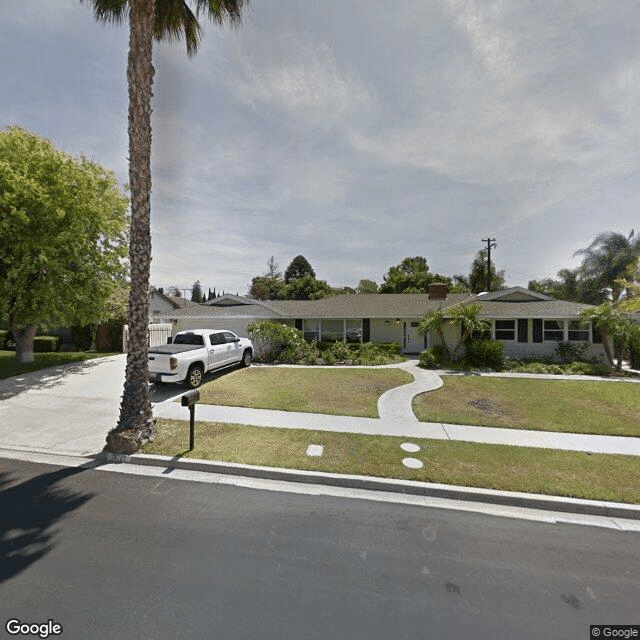
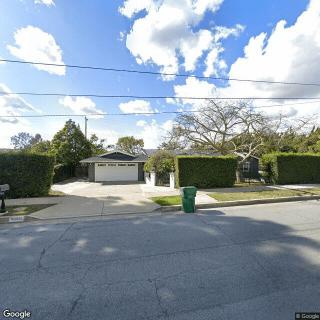
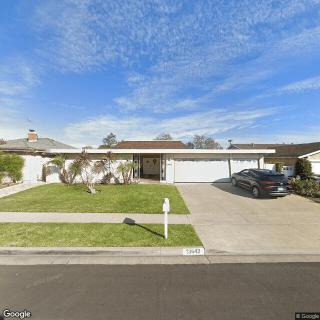
13722 Gimbert Lane, Santa Ana, CA 92705
To contact a resident: (714) 734-7908
For more information about senior living options: (866) 208-4318
Autumn Rose Guest Home Costs & Pricing
Autumn Rose Guest Home offers competitive pricing for its residential options, particularly in comparison to the average costs seen across Orange County and California. For semi-private accommodations, residents can anticipate a monthly fee of $2,500, which is significantly lower than the county's average of $3,431 and the state average of $3,333. Private rooms are available at Autumn Rose for $3,000 - again more affordable than the local market rate of $4,104 and the state figure of $3,939. Additionally, their one-bedroom units are priced at $3,000 as well, providing a stark contrast to both Orange County's average of $4,380 and California's overall cost of $4,340. These rates not only reflect a commitment to accessible living arrangements but also position Autumn Rose Guest Home as an attractive option for those seeking quality care without the financial strain often associated with similar facilities in the region.
| Floor plans | Autumn Rose Guest Home | Orange County | California |
|---|---|---|---|
| Semi-Private | $2,500 | $3,431 | $3,333 |
| Private | $3,000 | $4,104 | $3,939 |
| 1 Bedroom | $3,000 | $4,380 | $4,340 |
Memory care communities with a similar price nearby
-
from +$300 / mo
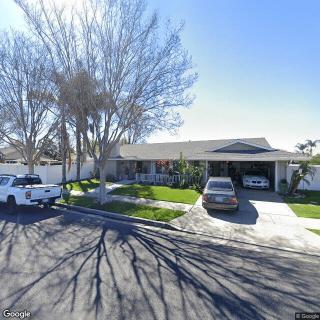
Candlewood Care Home III
$2,800 to $3,400 / month1.5 miles away -
from -$100 / mo
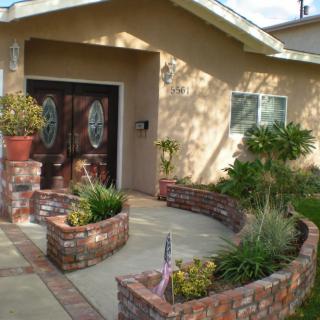
Living Well Care Home
$2,400 to $3,200 / month18.6 miles away -
from +$300 / mo
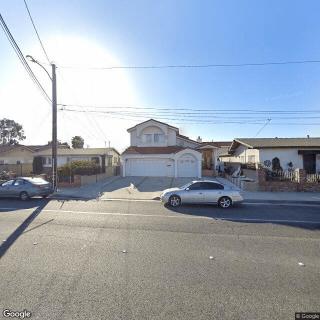
Leah Loving Elderly Care
$2,800 to $3,000 / month9.0 miles away -
from +$200 / mo
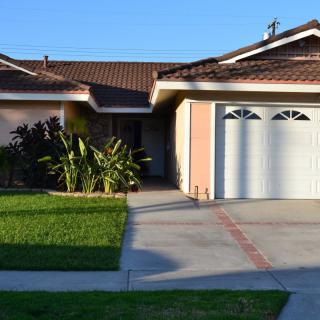
Loving Care Senior Home
$2,700 to $3,500 / month10.4 miles away -
from -$200 / mo
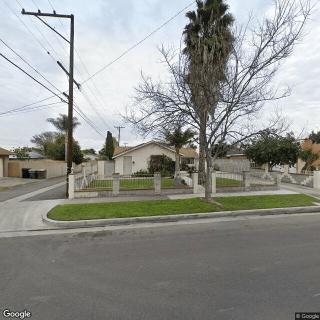
Bronwyn Residential Care
$2,300 to $3,500 / month11.4 miles away
Overall Review of Autumn Rose Guest Home
Pros
 Sonia and her team delivered amazing care for a mother suffering from dementia.
- The Guardian Angels team handled the hardest stages with tremendous care for both the patient and her family.
- The team consistently goes above and beyond, providing compassionate support through difficult situations.
- Sonia and Kelly are known for their personal love and care for their residents.
- Their homes are impeccably maintained and the quality of care is superb.
- The staff are caring and attentive, and every resident is treated like family.
- Caregivers quickly helped a resident regain independence, enabling two more years of quality life.
Cons
 A caller was greeted by a female representative with a mouth full of food and told admissions were not available, with no offer to take a message or transfer to voicemail.
 - The review notes that caring for family members with dementia can feel like chasing the appropriate level of care and can place tremendous pressure on loved ones.
- The caller decided to seek a more professional nursing home after the encounter.
Review
This community is best suited for families facing advanced dementia care where a home-like, family-centered environment matters most and where a highly attentive, hands-on staff can become an extension of the family caregiving team. The testimonials emphasize Sonia and Kelly’s long-standing, personal involvement and a caregiving culture that treats residents as loved ones. Residents are described as being supported in a impeccably maintained, small-home setting, where staff make a point of attending to daily needs with warmth and immediacy. For families navigating progressive cognitive decline, the practical upside is that caregivers appear capable of adapting to the hardest stages and sustaining momentum in daily function and engagement.
Those who may want to consider alternatives include families seeking a more formal, hospital-like facility or a setting with a larger footprint and standardized processes. The overall rating, 3.8 out of 10 based on ten reviews, with seven five-star impressions but three one-star accounts, signals a mixed reputation. In particular, a noteworthy negative experience points to a more transactional intake process, not matching the warmth and devotion described elsewhere. For families prioritizing streamlined admissions, predictable scheduling, and consistent administrative communications, other options with clearer intake procedures may feel more reliable.
The strongest positives, compassionate, family-level care; durable staff relationships; and a home atmosphere, largely offset the more negative signals when dementia care is the priority. Reviewers highlight that caregivers stay attentive through difficult stages, with saturated personal involvement from owners and a long-tenured team. The evidence of real, observable benefits includes examples where residents with advanced Alzheimer’s progressed enough to sit up, participate in meals, and live longer with attentive support. The combination of expert, affectionate care and a living environment that resembles a family home creates a stabilizing, reassuring trajectory for families anxious about loss of independence and social isolation.
That said, the admissions friction cannot be dismissed. One account describes a dismissive admission call and a missed opportunity to transfer or take a message, underscoring the risk that intake and first impressions can undermine trust before the resident even arrives. This inconsistency in the front-end experience matters, because first contact shapes expectations and can color the entire relationship with the home. It isn’t enough to rely on excellent on-site care if the path to get in is murky or poorly managed. For families evaluating options, this is a critical red flag to probe: what does the intake process look like, who will be the contact, and how are questions and contingencies handled during initial outreach.
To move forward with confidence, prospective families should schedule candid conversations and, ideally, an in-person visit focused on interactions with staff and leadership. Ask to see day-to-day routines, staffing patterns, and the care plans used for residents with advanced dementia. Observe how staff communicate with residents and family members, and request a written outline of services included, hours, and escalation procedures. Given the high praise for Sonia, Kelly, and their team, it is reasonable to expect a deeply attentive approach; the test is whether the administrative side can match that level of reliability and clarity. For those with a dementia-care priority and a preference for a warm, homey setting, this option delivers substantial value, so long as admissions are straightforward and the first impression aligns with the care reality.
In summary, this community delivers exceptional, person-centered dementia care in a setting that feels like a loving home. The care team’s dedication, continuity, and palpable warmth are the core strengths that can outweigh the downsides for families prioritizing meaningful daily engagement and long-term companionship. The primary caveat is the admissions experience; where intake is smooth and transparent, the overall package is compelling. Where intake is inconsistent, families should proceed with caution and compare against alternatives that guarantee a more predictable first impression and administrative flow.
 Board and Care Home
 Memory Care
 Cats allowed
 Dogs allowed
 Activities on-site
 Bath tubs
 Beautician on-site
 Private
 Private bathrooms
 Respite or short term stays offered
 Swimming pool / hot tub
 Wheelchair accessible showers
 John Wayne Orange Co (7 miles away)
 Diabetic care
 High acuity care
 Meals provided


 Comprehensive Insights on the Late Stages of Dementia: What to Expect and How to Provide Care
 Medications Associated with Dementia Risk: A Comprehensive Overview
 Guiding Your Journey: Understanding Power of Attorney for Elderly Parents