





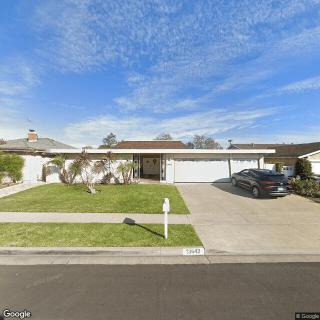
11901 Newport Avenue, Santa Ana, CA 92705
For more information about senior living options: (866) 208-4318
Clearwater at North Tustin Costs & Pricing
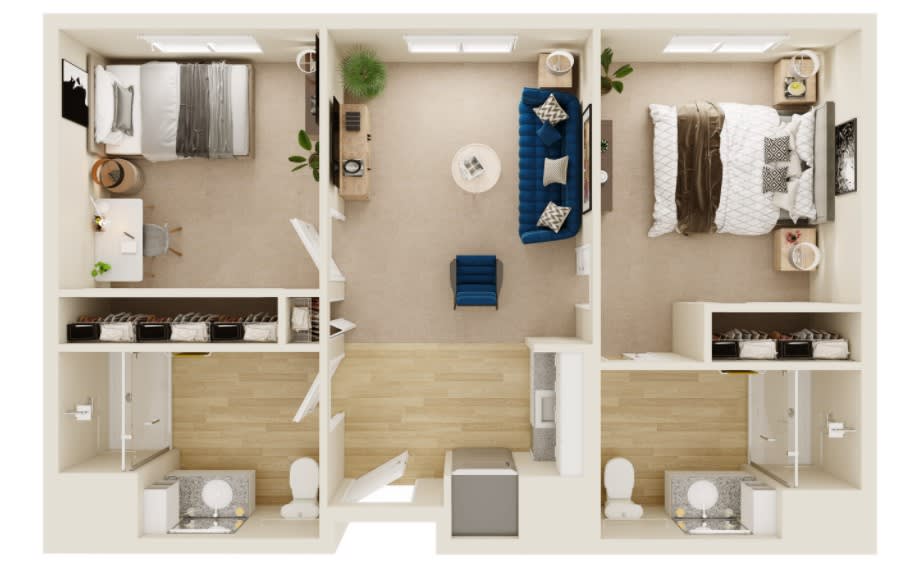
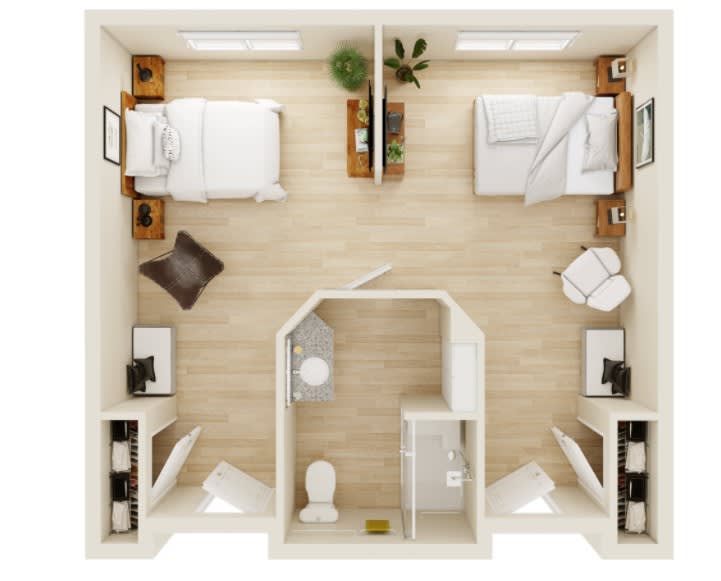
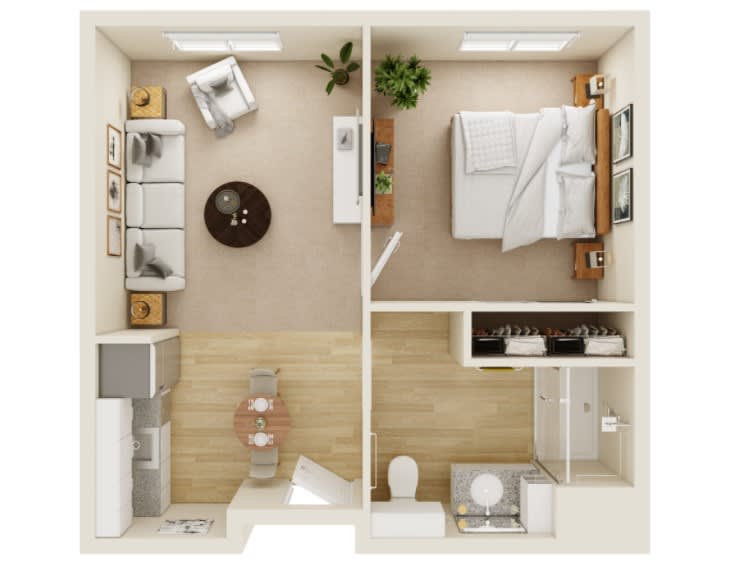
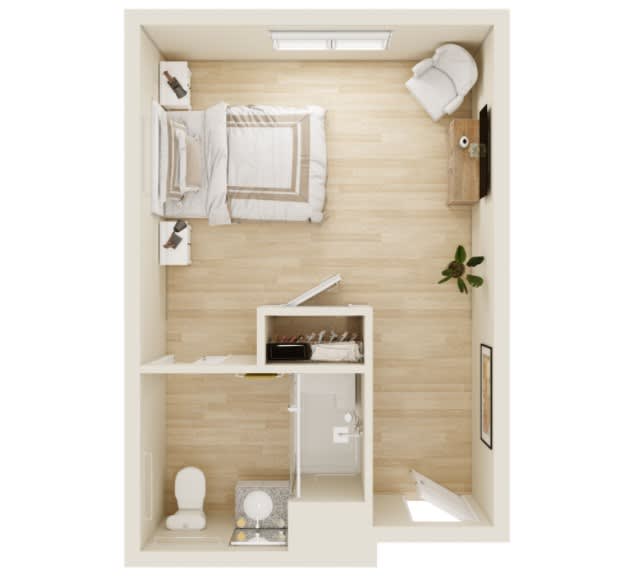
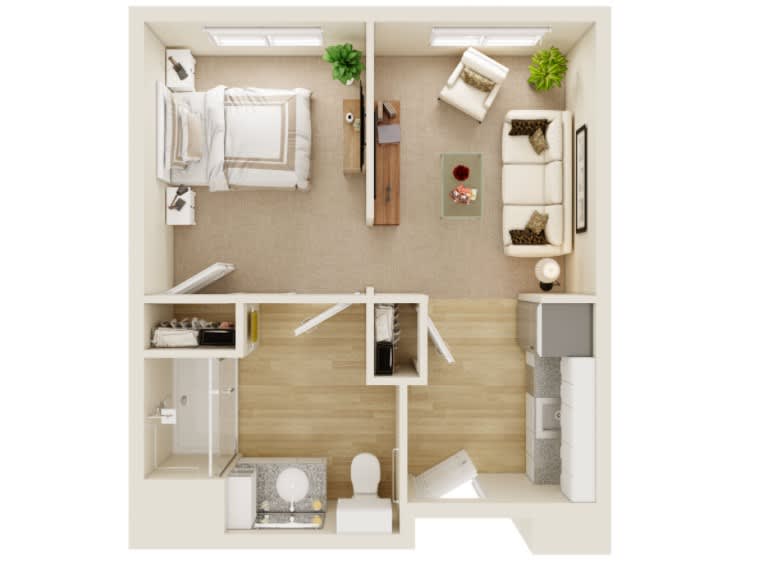
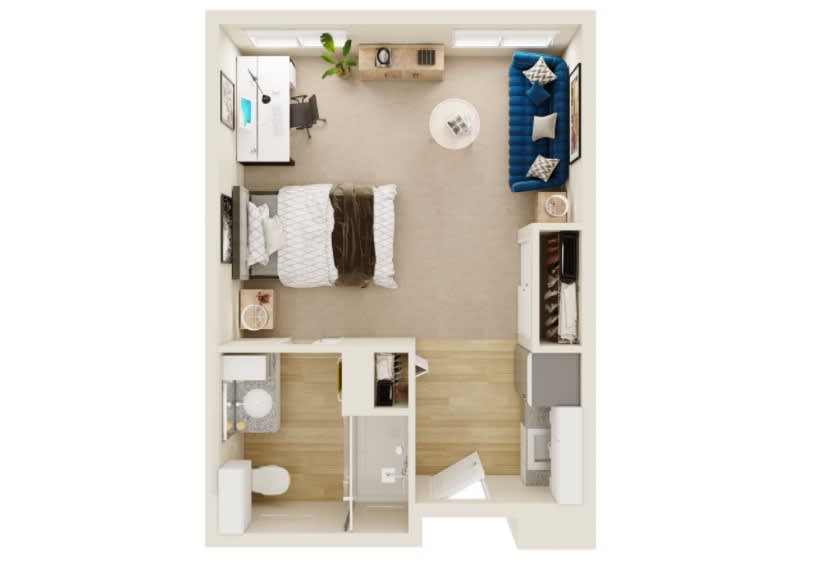
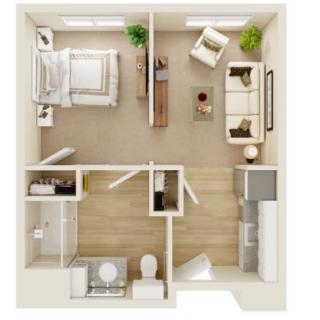
Clearwater at North Tustin presents a range of living options that reflect the higher cost of care in this desirable locale. For semi-private rooms, residents can expect to pay $4,810 monthly, which is significantly above both the Orange County average of $3,431 and the California state average of $3,333. Studio apartments are available for $5,850, again outpacing local and state benchmarks of $4,313 and $4,145 respectively. The 1-bedroom units stand at $6,900, considerably higher than the county's average of $4,380 and state average of $4,340. Finally, for those seeking more space with a 2-bedroom option, Clearwater charges $8,800 compared to Orange County's average of $5,390 and California's overall figure of $5,270. These figures indicate that while Clearwater at North Tustin commands premium rates across all room types, they may offer distinct advantages in quality and service that merit consideration for prospective residents.
| Floor plans | Clearwater at North Tustin | Orange County | California |
|---|---|---|---|
| Semi-Private | $4,810 | $3,431 | $3,333 |
| Studio | $5,850 | $4,313 | $4,145 |
| 1 Bedroom | $6,900 | $4,380 | $4,340 |
| 2 Bedrooms | $8,800 | $5,390 | $5,270 |
Memory care communities with a similar price nearby
-
from -$815 / mo
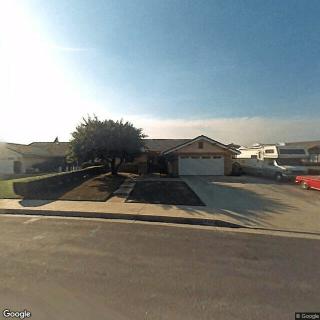
Cadence Brea
$3,995 to $5,500 / month11.8 miles away -
from -$310 / mo
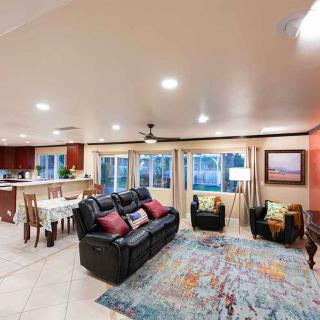
Heritage Senior Home Care
$4,500 to $4,800 / month24.2 miles away -
from -$310 / mo
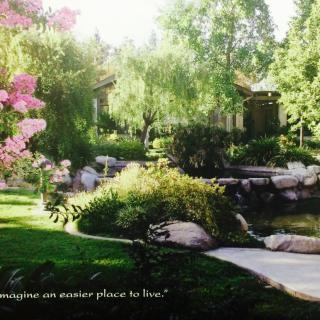
Casa Bella
$4,500 / month5.4 miles away -
from +$890 / mo
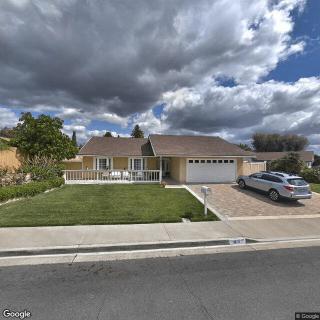
Mt. San Antonio Gardens
$5,700 to $8,550 / month23.4 miles away -
from -$810 / mo
Active Senior Home Care
$4,000 to $5,000 / month12.6 miles away
Overall Review of Clearwater at North Tustin
Pros
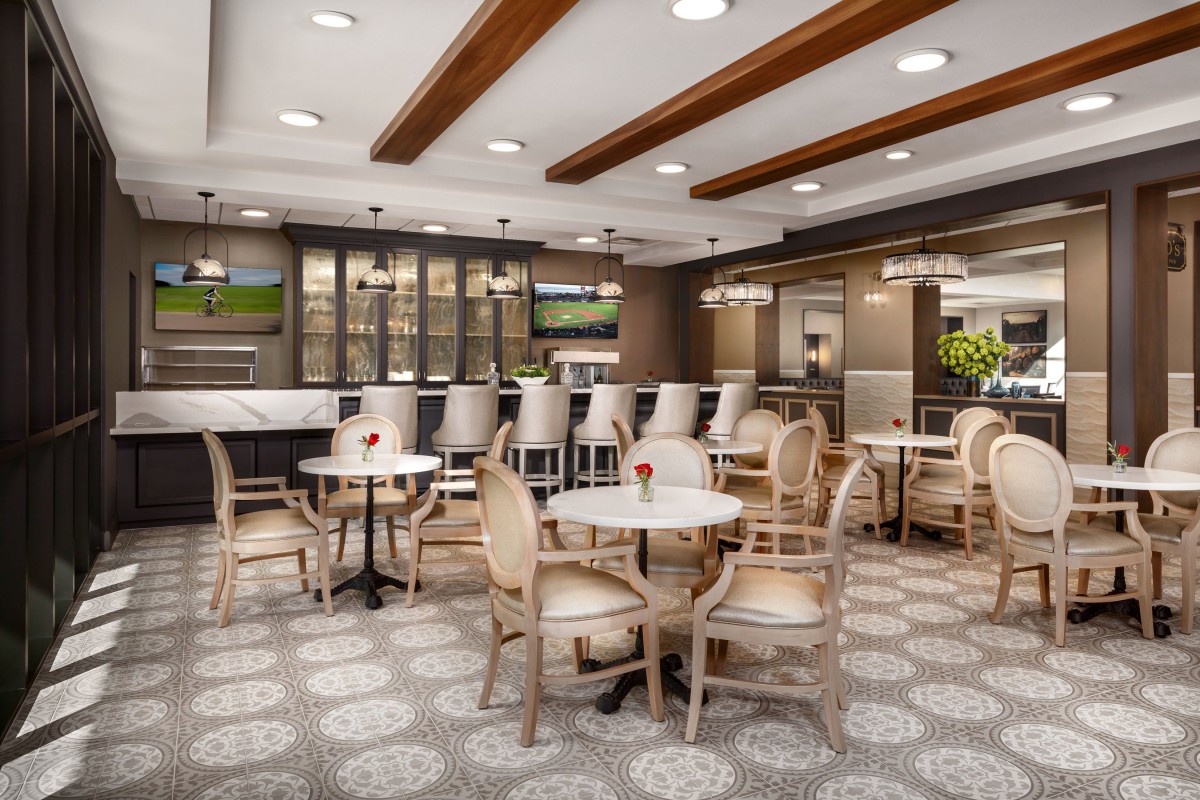
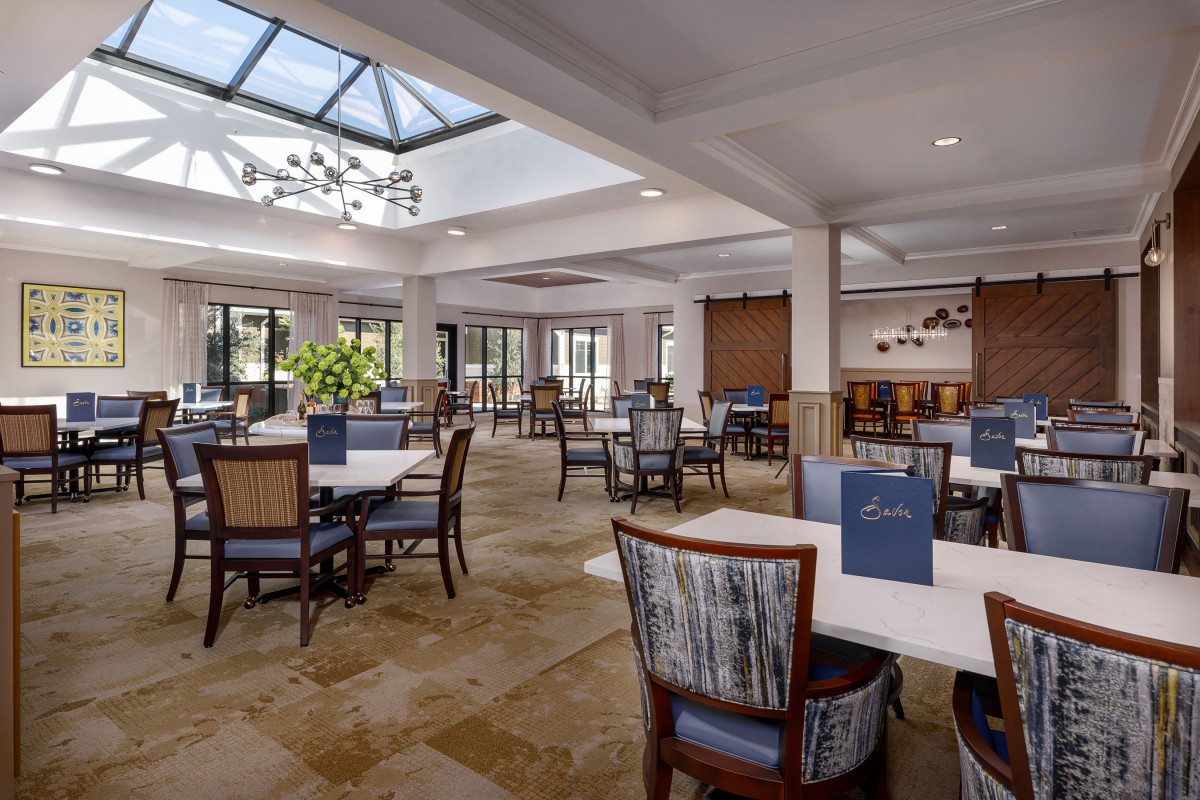
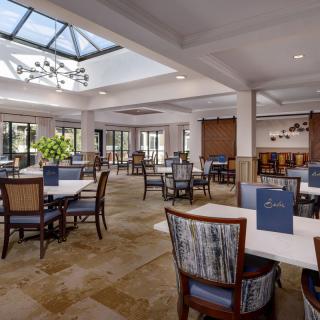
 The dining room is beautiful and the food is delicious.
- There are lots of options and fresh ingredients.
- The residents look genuinely happy and the staff are friendly.
- They would feel very comfortable bringing their loved ones here to live or visit.
- The staff showed warm care and consideration to residents and their families.
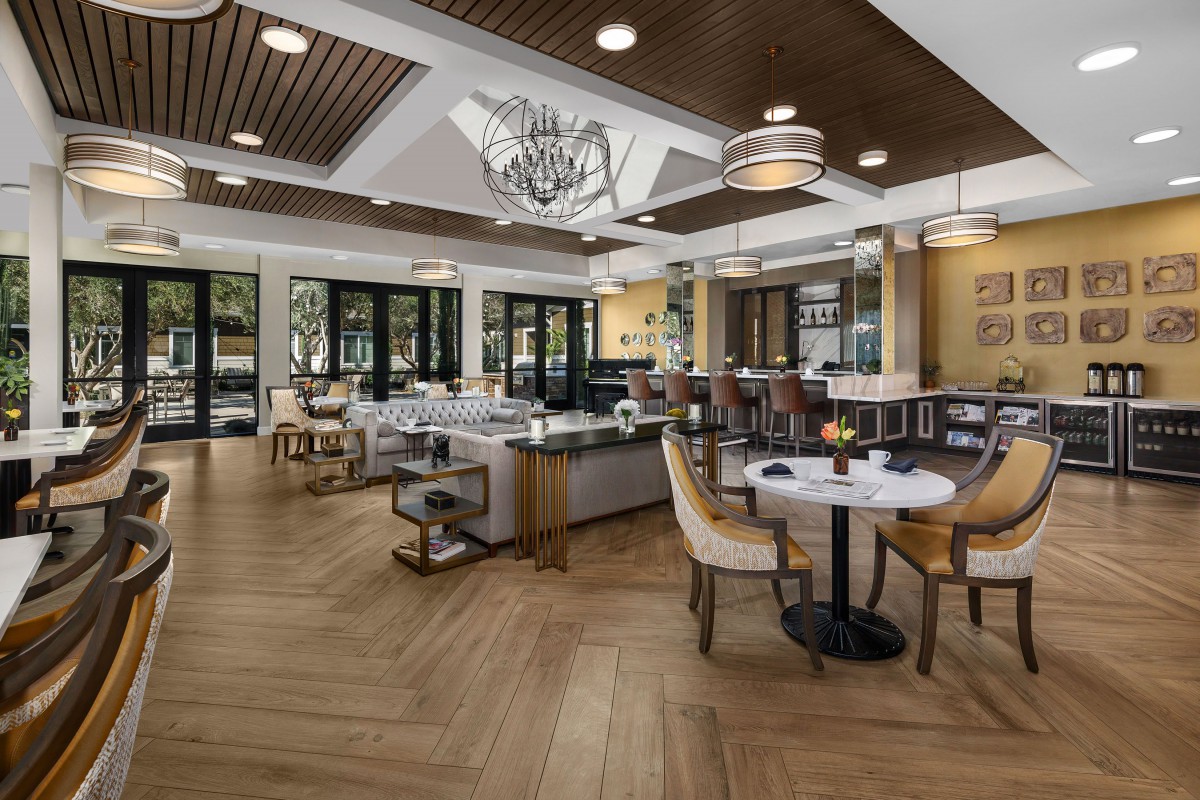
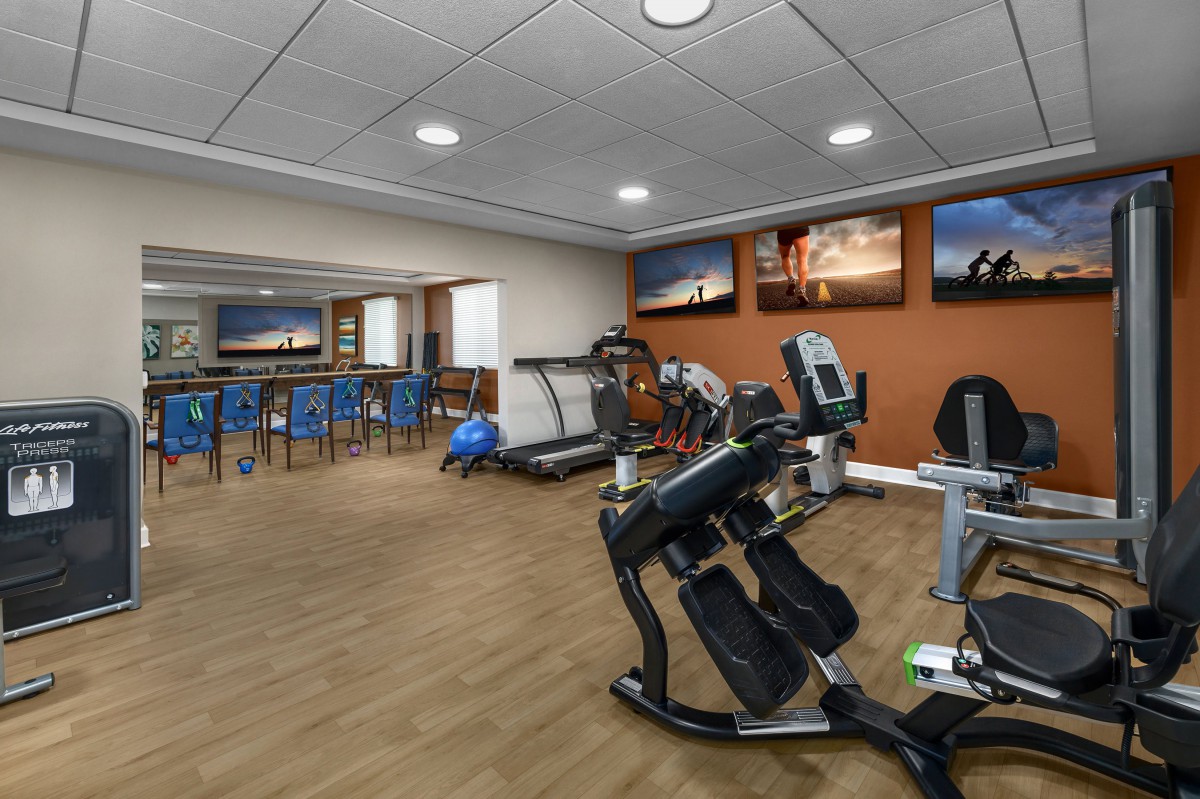
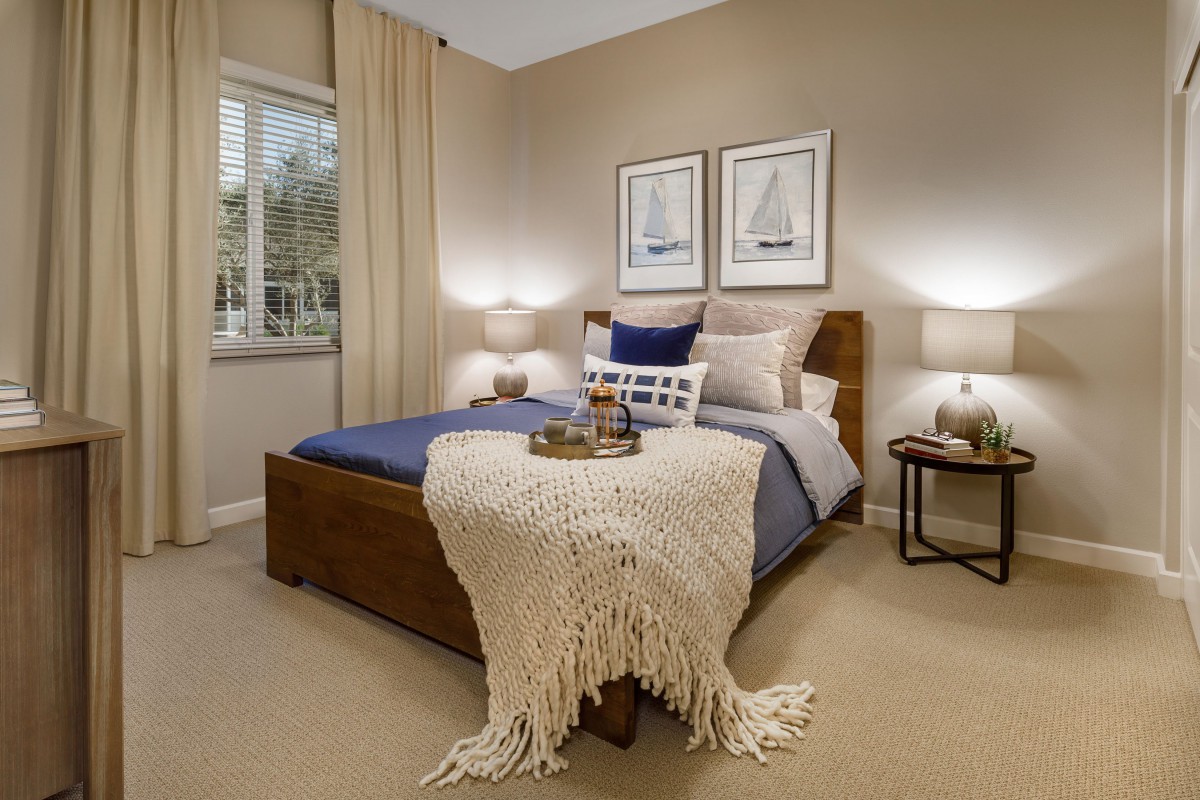
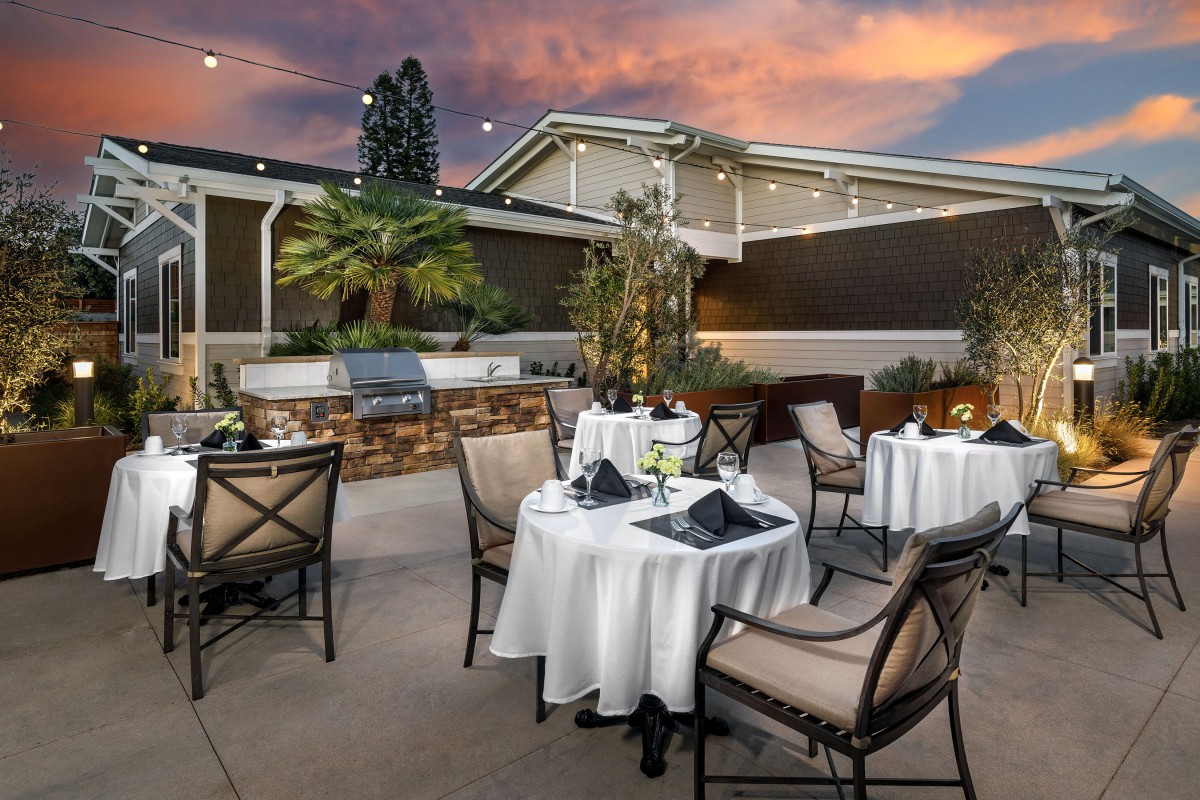
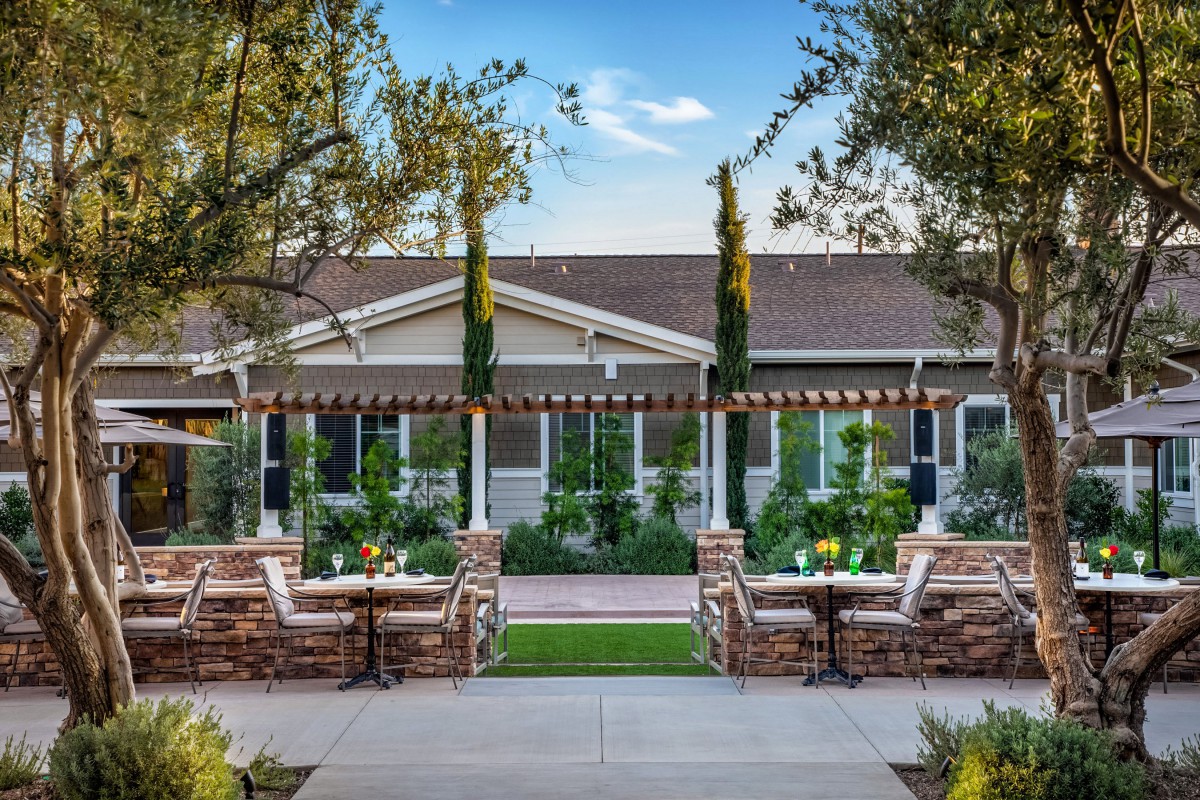
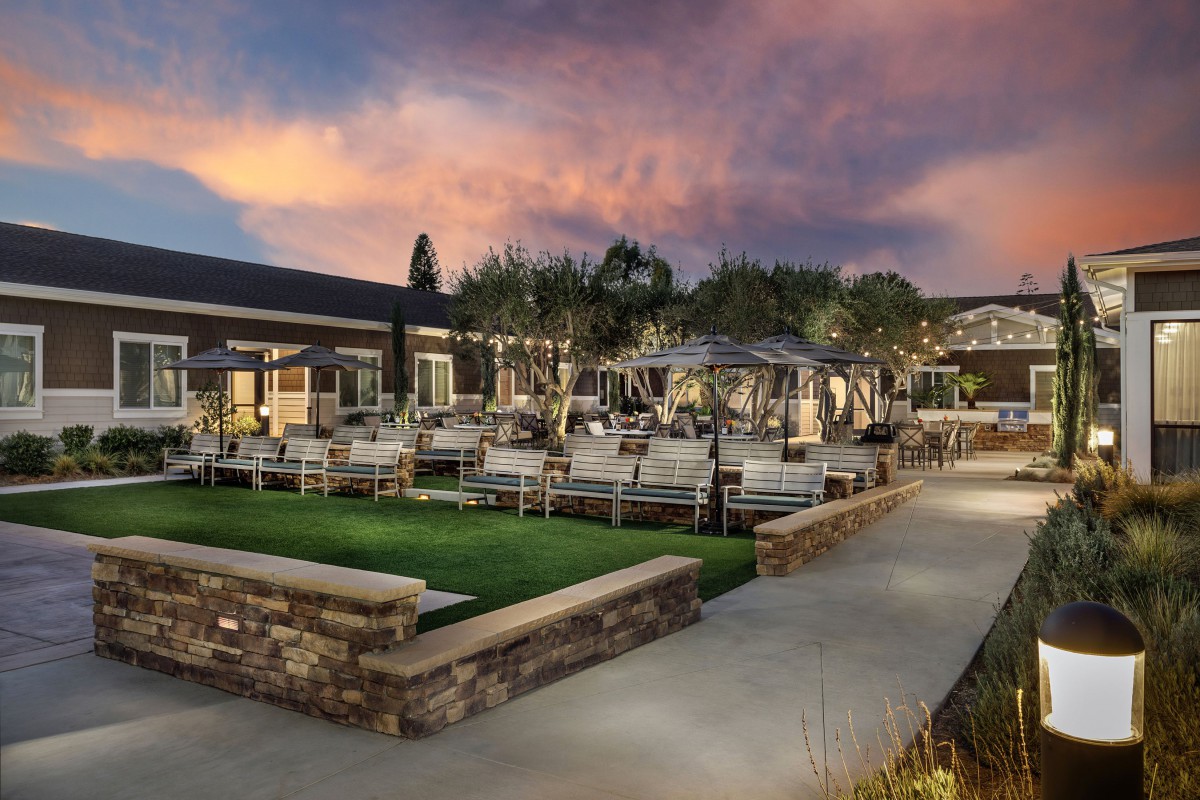
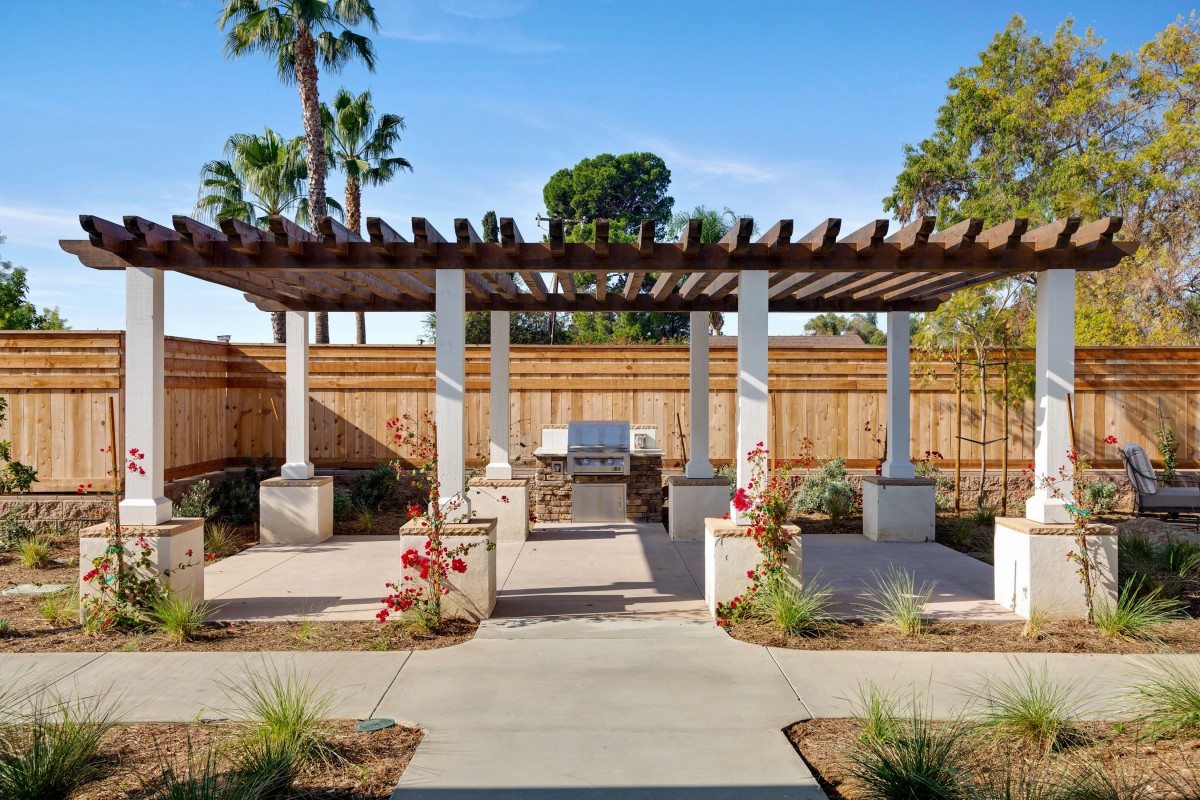
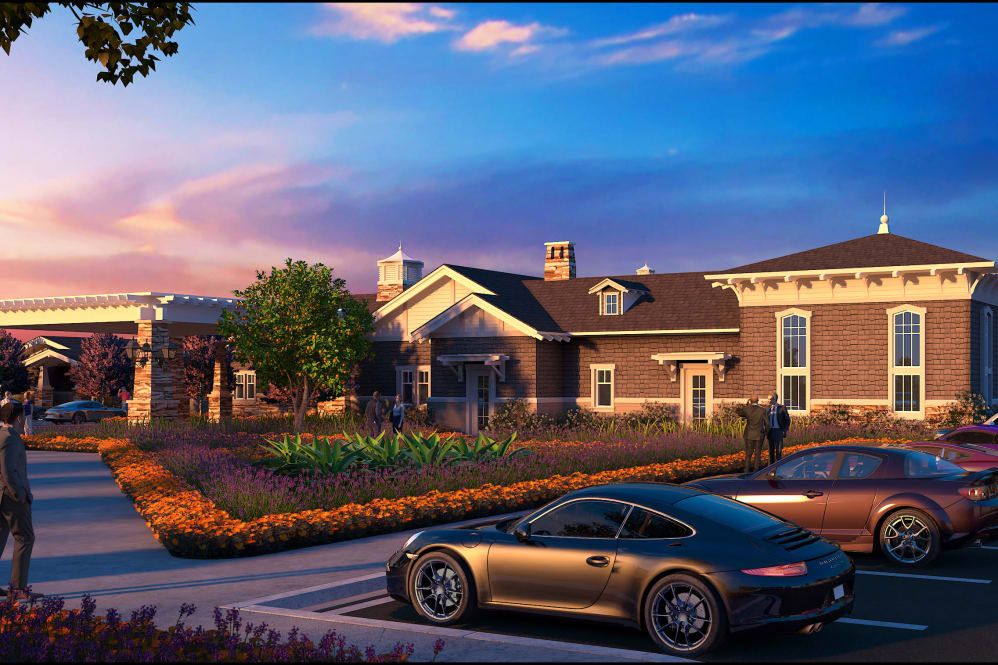
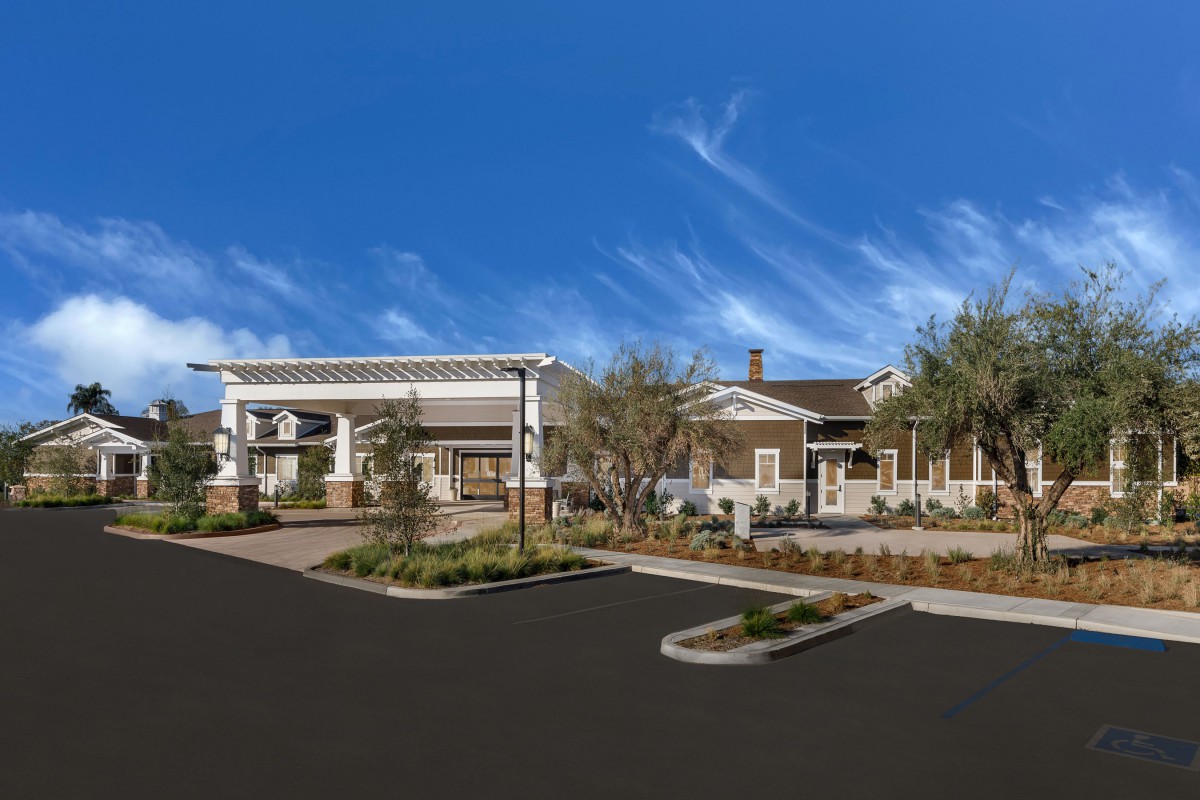
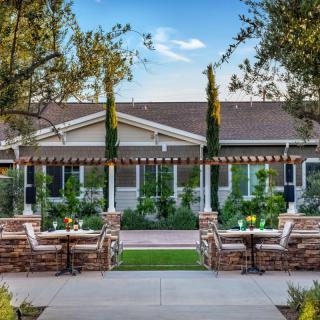
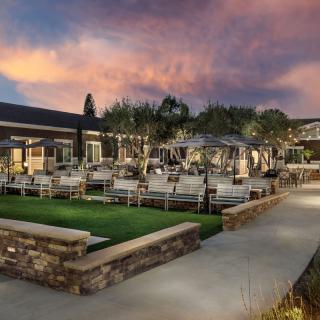
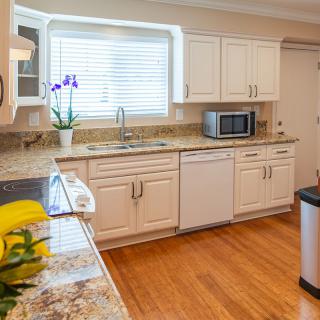
- The premises give a welcome feeling of relaxed luxury with outdoor walking paths, olive trees, and shaded patios with BBQ grills and lounge areas.
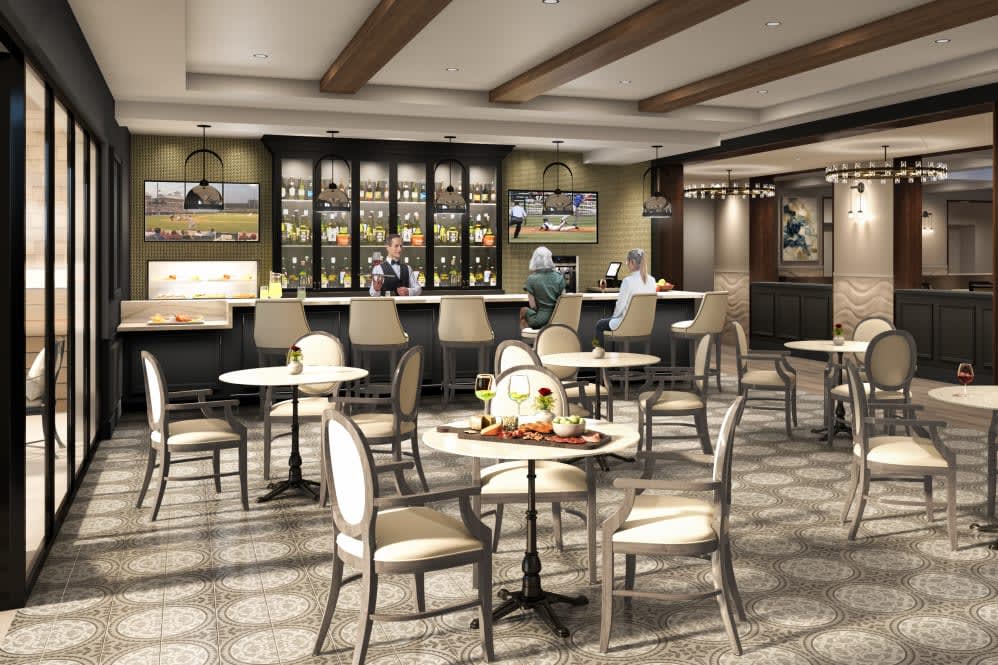
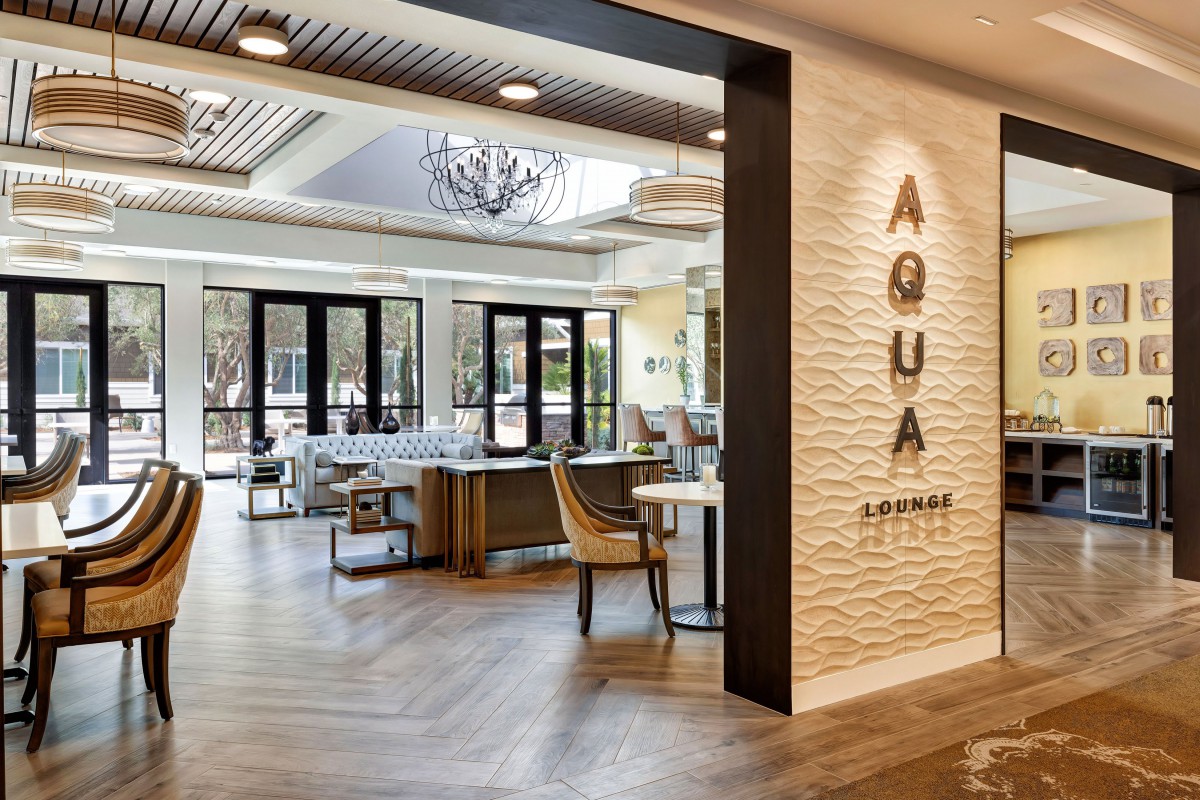
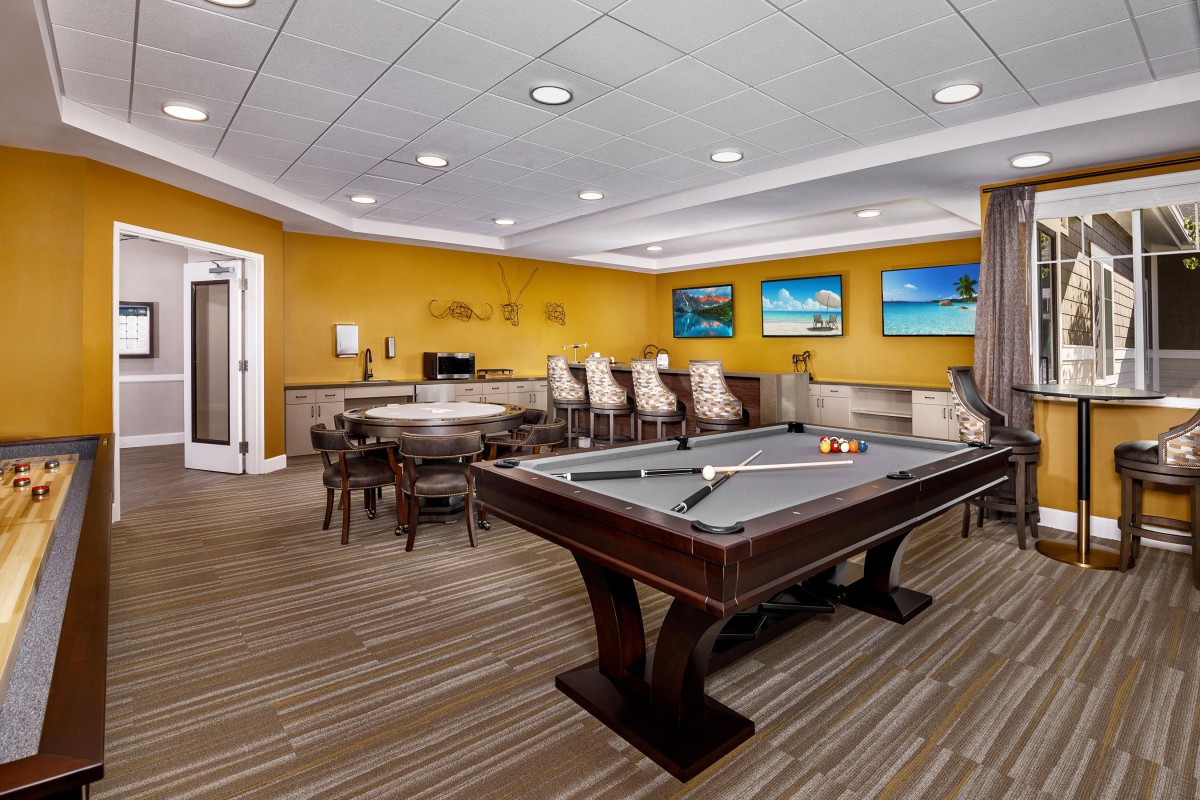
- The indoor dog-friendly pub allows residents to spend time with their family pets.
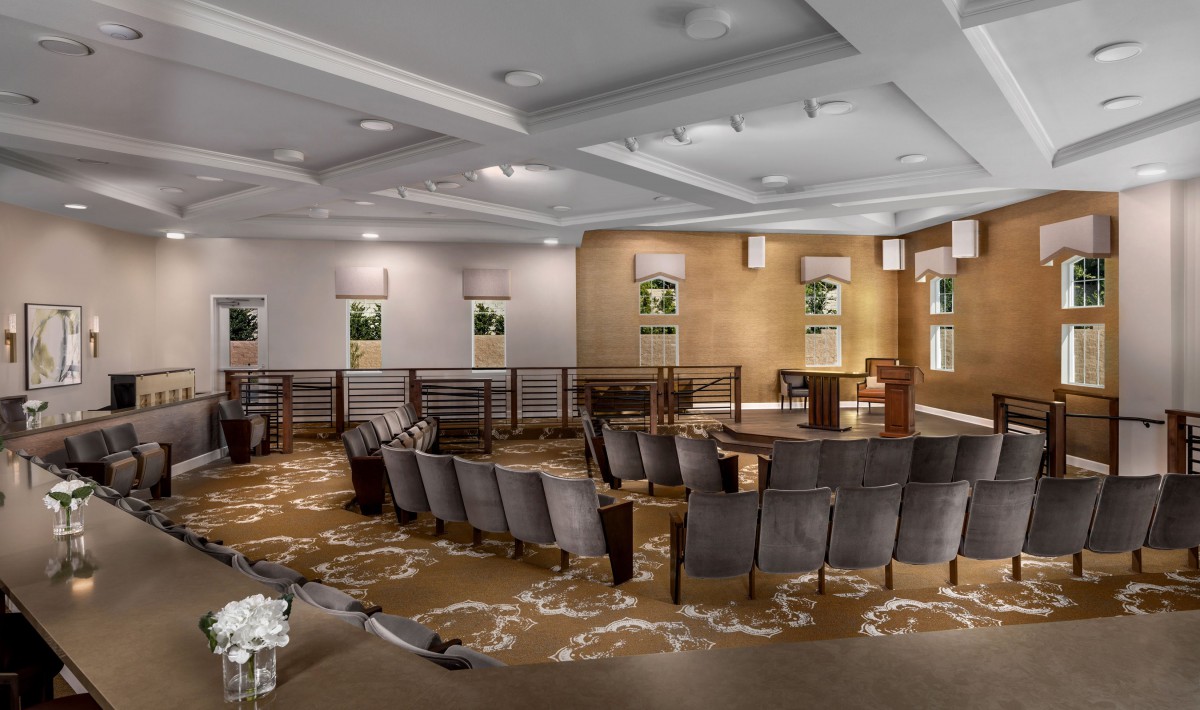
- Having a chapel on site is a comforting, unique amenity.
- The staff are the best feature, making residents feel at home and communicating with families to provide the best care.
- The people, policies, and environment create a positive space felt by residents and guests.
- They treasured her time there and are grateful to everyone for making her final journey a beautiful one.
- The facility is small but lovely; the staff are engaging; it is conveniently close to home; memory care residents can venture outside without an escort.
- The move-in process is seamless and painless due to Kaitlyn Rosen and the Clearwater team; they provide a positive experience.
- The facility is nice and clean, beautifully designed, with good food and great staff.
- The Clearwater team is responsive and professional, making transitions easier; grateful for a wonderful team and community.
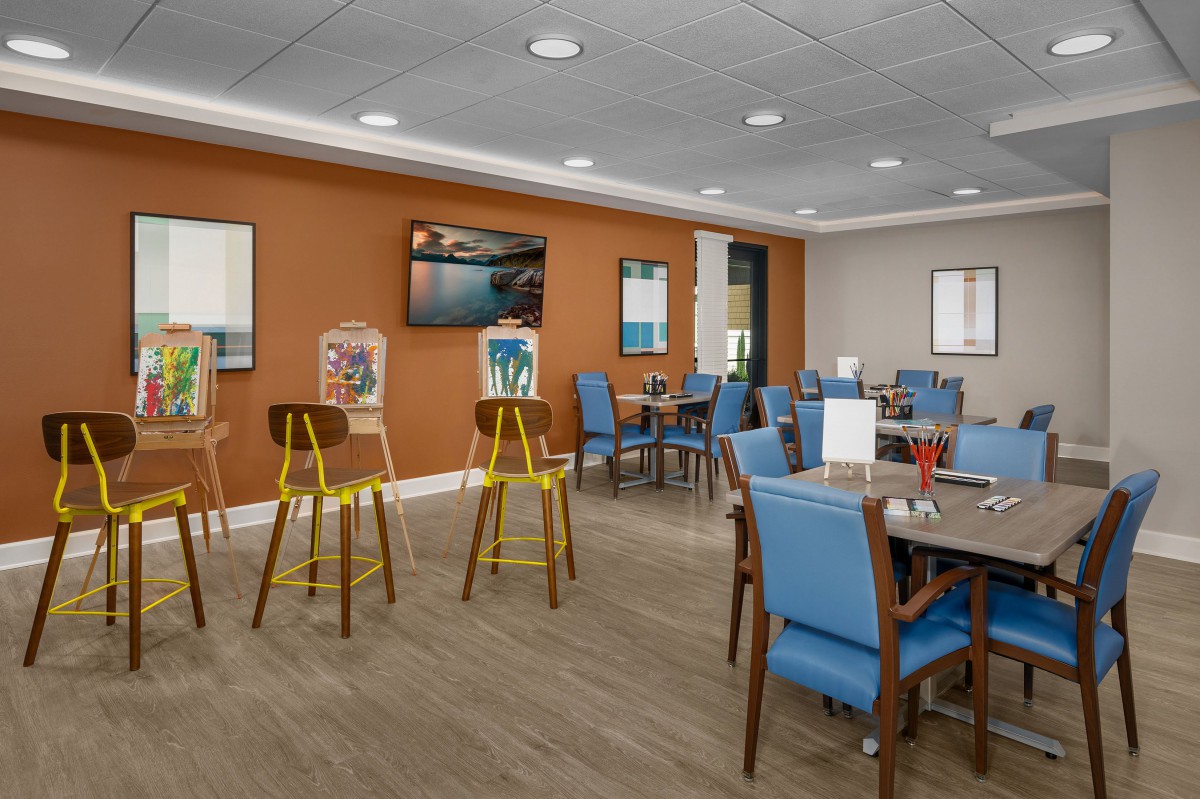
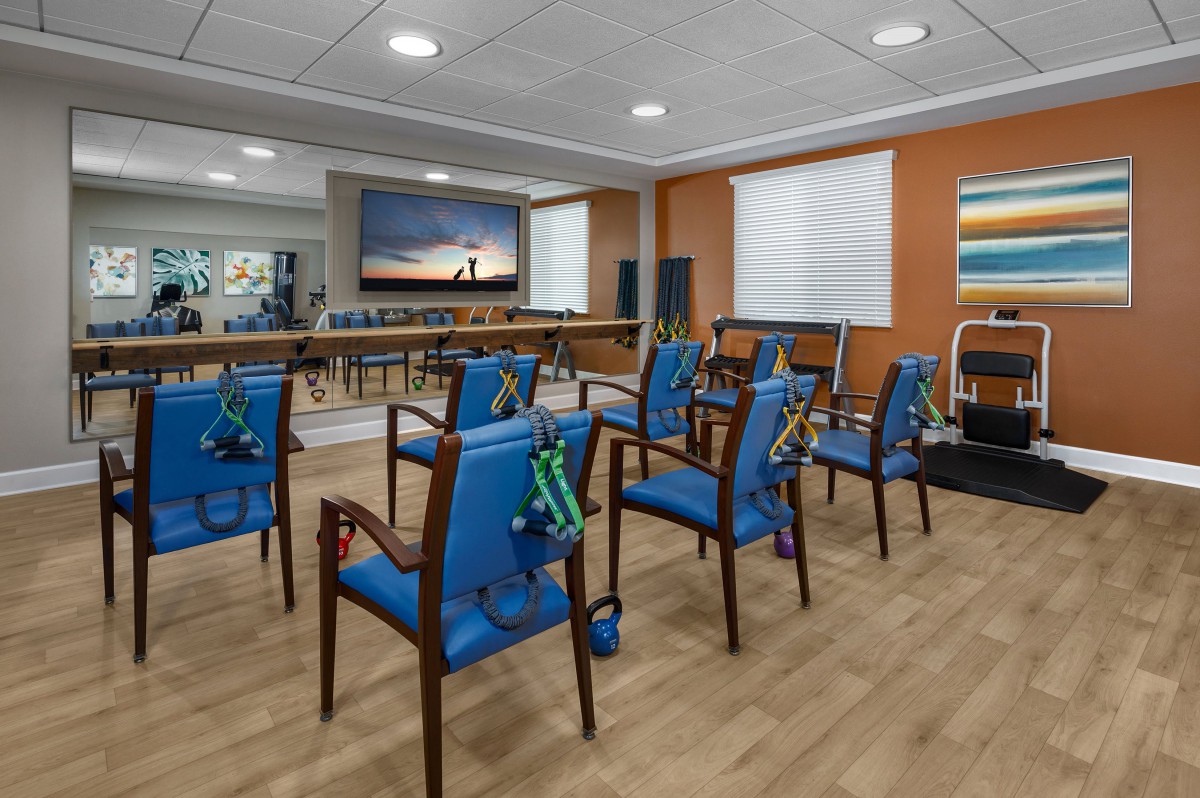
- The community is well designed with open space and many amenities to keep residents active and engaged.
- This new community does assisted living right.
- It is the newest senior living community in Orange County with up-to-date practices and gracious hospitality, focused on individual needs.
Cons
 The kitchen staff are incredibly rude to patients and workers.
- The memory care experience is described as a crazy roller coaster with health, security, and hygiene challenges, along with serious concerns about resources, staffing shortages, turnover, and management accountability.
- The facility is described as a “social” model, not a medical model, and caregivers cannot perform many tasks that memory care residents need.
- For 24 memory care residents there were only two caregivers and one med-tech, and staff refused to hire more despite the high monthly cost.
- There was poor documentation and communication, including a resident not receiving a shower for a month and family not being informed.
- The monthly fee of $9,000 per month for a single room was called a huge disappointment given the level of care provided.
Review
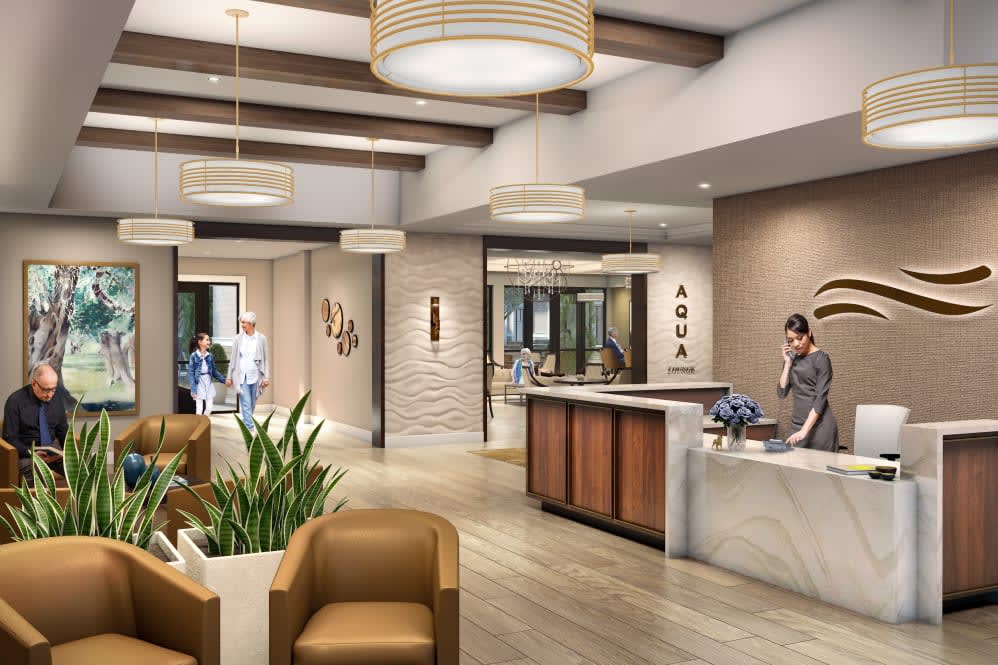
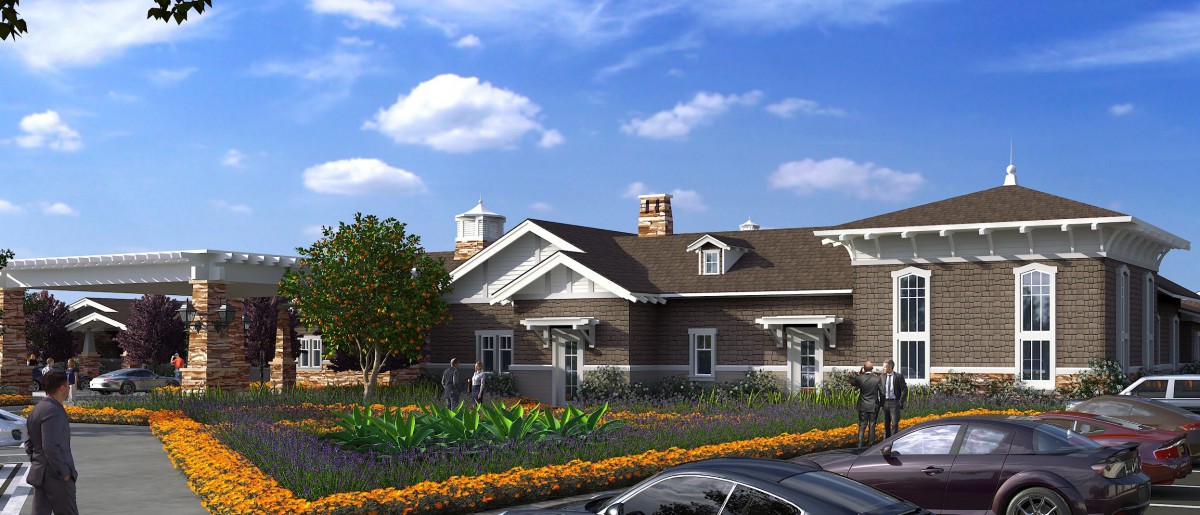
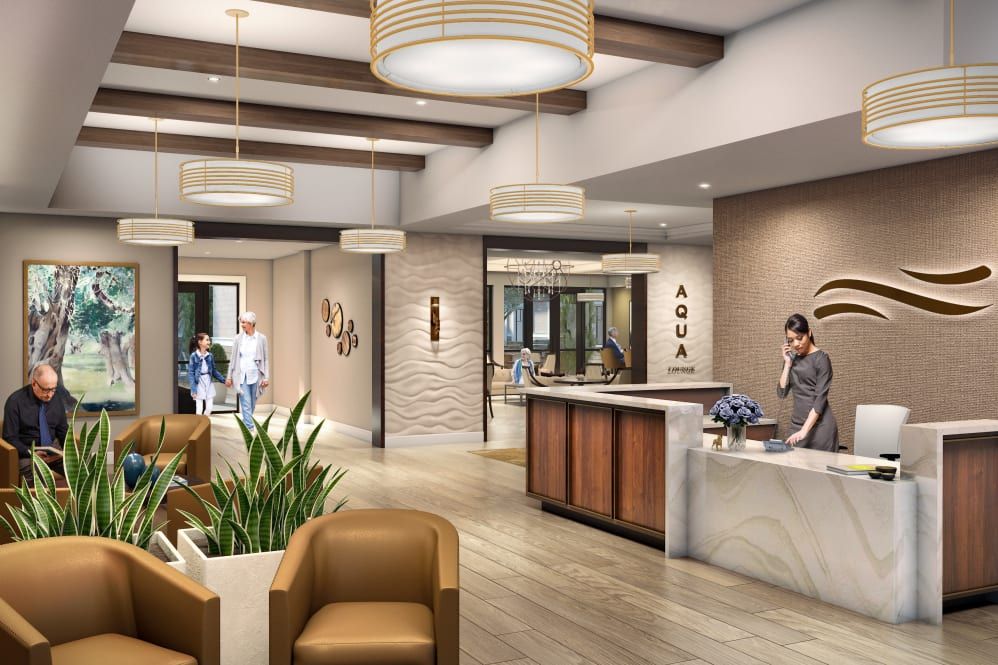
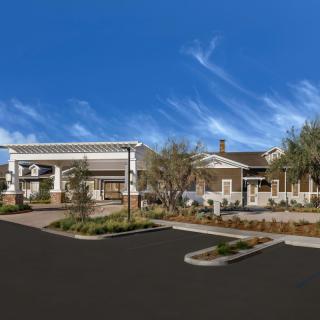
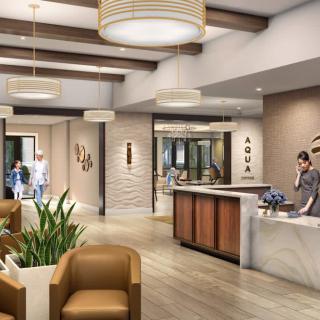
Clearwater at North Tustin is best suited for active seniors who want a design-forward, hospitality-driven assisted living environment where meals, social activity, and resident comfort are central. The campus presents as a refined yet approachable home, with outdoor walking paths, greenery, shaded patios, and lounge areas that invite family visits. The on-site chapel and a dog-friendly indoor gathering space add a comforting, community-oriented texture. This community delivers strongest results for residents who prize warm, attentive staff, consistent family communication, and a living environment that prioritizes daily routines and social engagement over a strictly clinical model.
That said, families should consider alternatives if memory care needs or medical oversight are paramount. Several reviews highlight significant gaps in the memory-care operation, including concerns about staff-to-resident ratios, safety, hygiene, and documentation. Families may encounter limitations in 1:1 care, a reliance on outside caregiver support, and a “social model” rather than a medically oriented approach. Where a loved one requires intensive, coordinated medical management or robust, around-the-clock supervision, this community may fall short. Prospective residents with advanced dementia or behaviors requiring constant monitoring should compare memory-care options with facilities that explicitly emphasize medicalized care and higher staffing standards.
The community’s most compelling positives, strong dining, welcoming staff, and an engaging environment, often offset concerns for residents and families not requiring high-acuity memory care. The dining program is frequently lauded: a beautiful dining room, abundant options, and fresh ingredients make meals a highlight of daily life. Families report that staff across the campus are genuinely warm, communicative, and eager to partner with families to deliver care that feels personalized. The design elements, courtyards, accessible walking spaces, and the chapel, foster a sense of belonging and continuity, while amenities like the pub-style gathering space accommodate visits with pets and guests in comfortable, low-stress settings. For many, these attributes translate into meaningful quality-of-life gains that can justify the cost.
However, the concerns raised about the memory-care portion cannot be ignored when evaluating the overall value proposition. Reports of understaffing, limited 1:1 attention, and inconsistent protocols point to a capacity mismatch for residents who require more Intensive support. There are also cautions about safety incidents and management accountability, with several accounts describing a challenging path to reliable service and transparent communication. Although assisted living residents often describe a very positive experience, the memory-care experiences documented in reviews suggest a need for rigorous diligence and a realistic assessment of whether the level of care aligns with financial expectations and care needs.
For families moving toward Clearwater, a practical, no-nonsense approach yields the best outcomes. Schedule thorough tours of the assisted living floors and memory-care units, and request to observe mealtimes, activities, and staff interactions across shifts. Ask pointed questions about staff-to-resident ratios, 1:1 capabilities, emergency protocols, and how care plans are documented and updated. Verify what is included in monthly fees versus paid add-ons, and probe the facility’s capacity to handle escalation in care needs without abrupt transitions. Speak with current residents and families about their experiences with communication and responsiveness, and review licensing records for any safety or care concerns. This due diligence will illuminate whether Clearwater’s strengths align with the resident’s priorities and whether the potential risks are acceptable.
In the end, Clearwater at North Tustin stands out for families seeking a fresh, hospitality-rich environment where dining, social life, and staff warmth create a compelling daily experience. It is a strong pick for those who value a bright, well-designed campus and a community that treats daily living with grace and attentiveness. For families prioritizing robust medical oversight, predictable memory-care outcomes, and higher staffing guarantees, alternatives with a clearer medical model and tighter safety protocols are worth exploring. The decision hinges on where the care emphasis should land: living well and socially, or ensuring intensive, medically oriented supervision around the clock.
 21 resident community capacity
 1-bedroom apartments
 Assisted Living
 Memory Care
 Activities on-site
 Beautician on-site
 Cable or satellite TV
 Devotional services off-site
 Dining room
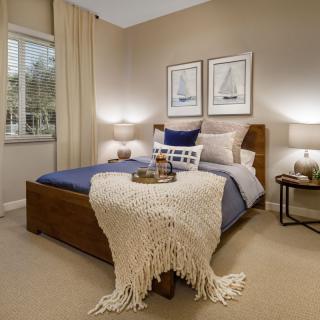
 Fully furnished
 Garden
 Housekeeping services
 Indoor common areas
 Kitchenette
 Move-in coordination
 Outdoor space
 Respite or short term stays offered
 Telephone
 Wi-Fi/high-speed internet available
 John Wayne Orange Co (7 miles away)
 24-hour call system
 Ambulatory care
 Assistance with bathing
 Assistance with dressing
 Assistance with transfers
 Diabetes diet
 Diabetic care
 Hospice waiver
 Incontinence care
 Meal preparation and service
 Medication management
 Mental wellness program
 Special dietary restrictions
 Transportation arrangement (medical)
 Transportation to doctors appointments
 Catholic services
 Light therapy programs
 Sensory-based programs


 Comprehensive Insights on the Late Stages of Dementia: What to Expect and How to Provide Care
 Medications Associated with Dementia Risk: A Comprehensive Overview
 Guiding Your Journey: Understanding Power of Attorney for Elderly Parents