
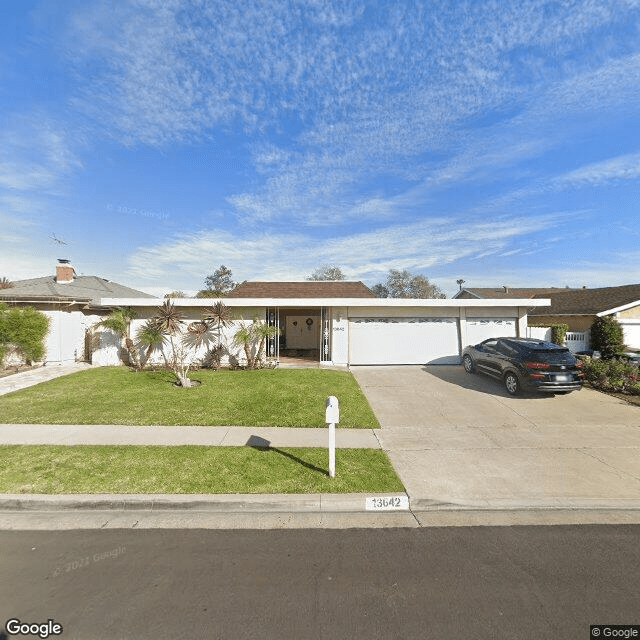
13642 Fairmont Way, Tustin, CA 92780
For more information about senior living options: (866) 208-4318
Nikki's Loving Care Home Costs & Pricing
Nikki's Loving Care Home offers private rooms at a monthly cost of $5,500, positioning it above both the county and state averages for similar accommodations. In Orange County, the average cost for a private room is approximately $4,104, while the broader California average stands at about $3,939. This indicates that Nikki's facility may provide additional services or amenities that justify its higher price point, catering to clients seeking a more personalized or enhanced level of care. Despite being on the higher end of the pricing spectrum, potential residents and their families might find value in the unique offerings that Nikki's Loving Care Home provides.
| Floor plans | Nikki's Loving Care Home | Orange County | California |
|---|---|---|---|
| Private | $5,500 | $4,104 | $3,939 |
Memory care communities with a similar price nearby
-
from +$995 / mo
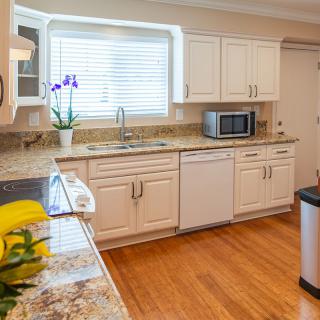
Forever Young Memory Care
$6,495 / month2.2 miles away -
from -$1000 / mo
Heritage Senior Home Care
$4,500 to $4,800 / month24.1 miles away -
from -$1000 / mo
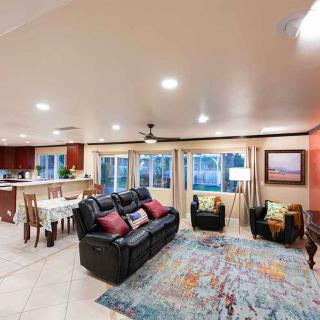
Casa Bella
$4,500 / month4.9 miles away -
from +$200 / mo
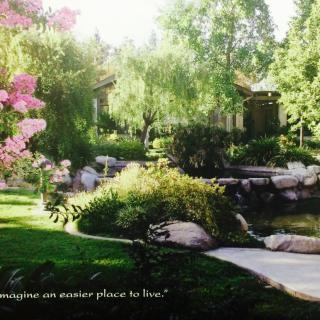
Mt. San Antonio Gardens
$5,700 to $8,550 / month23.6 miles away -
from -$1000 / mo
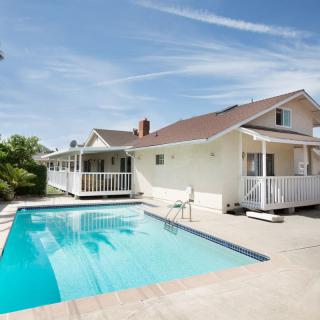
Blessings Senior Care
$4,500 to $5,500 / month9.9 miles away
Overall Review of Nikki's Loving Care Home
Pros
 NLCH provides hands-on, round-the-clock care.
- NLCH offers a tranquil and cozy private room.
- The family member felt comfortable and enjoyed a clean bedroom with a window at NLCH.
- NLCH accommodates many family visits and is responsive to inquiries and needs.
- Nikki has a big heart and is experienced in caregiving.
- The owners and staff are caring and accommodating to residents' needs.
- The environment feels warm and welcoming.
Cons
 The upkeep of the house is disliked.
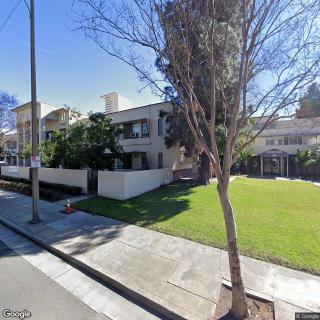
- The outside cosmetics could be improved.
Review
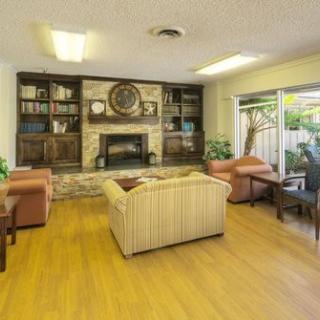
This community is best suited for families seeking intimate, hands-on care for a loved one who may be in hospice or require around-the-clock, highly attentive supervision in a home-like setting. Nikki’s Loving Care Home in Tustin operates as a six-resident residence, which translates into remarkably personal attention, an experienced, big-hearted operator, and a private room that feels tranquil and private. The environment accommodates frequent family visits, and the caregiver team has demonstrated a capacity for sustained, compassionate engagement through challenging moments. For families prioritizing warmth, accessibility, and steady, day-to-day continuity, this option stands out.
Those weighing alternatives should consider that the upside of a small, family-style home comes with trade-offs. If a larger community with a robust activity calendar, more formal programming, and a conference-like feeling of “facility” life is important, this option may fall short. The external upkeep and curb appeal are not the focal point here, and the house’s exterior cosmetics could be improved. For families seeking a broader social sphere for residents, or a setting with a wider array of on-site services and therapies, it’s prudent to compare with bigger assisted living campuses.
The strongest pro, round-the-clock, attentive care delivered with genuine concern, often offsets the most conspicuous drawbacks. The staff, including the owners, show consistent care for residents’ needs and maintain a warm, welcoming atmosphere from the moment of entry. In a six-resident home, care is highly personalized, and responsiveness to inquiries and requests is evident. The private room with a window contributes to dignity and comfort, supporting a peaceful atmosphere that is particularly valuable during hospice or end-of-life scenarios. In such contexts, the ability to accommodate frequent family visits and maintain continuity of care becomes a decisive advantage.
A closer look at the positives reinforces the practical value: the setting’s small size fosters strong, visible relationships between caregivers and residents, which translates into careful monitoring, rapid problem-solving, and a sense of safety for families. Cleanliness concerns are modest, with emphasis placed on comfort and privacy within the resident’s own room. The caregivers’ hands-on approach and the owners’ involvement create a reliability the family can count on during vulnerable times. For anyone who fears a cold, impersonal facility experience, this home-like model can be a meaningful contrast that reduces anxiety around caregiving transitions.
The most salient drawbacks center on scale and scope. Exterior upkeep and cosmetic polish are areas where expectations may not align with what a consumer might find in a larger, more conventionally maintained building. The six-resident format naturally limits social opportunities and the breadth of structured activities, which may leave some residents craving more variety. For families with higher medical acuity or needs beyond hospice-level comfort, such as therapies, specialized staff, or a wide network of on-site services, alternatives could provide a more comprehensive continuum of care. These gaps aren’t fatal, but they are real trade-offs to consider against the intimate, high-touch advantages.
Ultimately, Nikki’s Loving Care Home is a compelling choice for families prioritizing compassionate, highly attentive, home-like care with flexible visiting and hospice readiness. It excels where personal connection, warmth, and steady, around-the-clock presence matter most. If the priority is a polished exterior, larger social ecosystem, and broader programming, it makes sense to explore other options and compare specifics like staff-to-resident ratios, medical support availability, and the exact services included in ongoing care. A thoughtful visit should focus on the fit between expectations for daytime routine, family involvement, and the level of clinical support available, ensuring the choice aligns with both the loved one’s needs and the family’s peace of mind.
 6 resident community capacity
 Assisted Living
 Board and Care Home
 Memory Care
 Cable or satellite TV
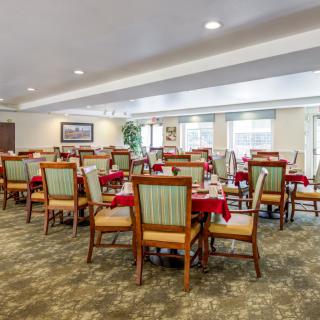
 Dining room
 Fully furnished
 Garden
 Housekeeping services
 Move-in coordination
 Outdoor space
 Private
 Respite or short term stays offered
 Telephone
 Wheelchair accessible showers
 Wi-Fi/high-speed internet available
 John Wayne Orange Co (7 miles away)
 24-hour supervision
 Activities of daily living assistance
 Ambulatory care
 Assistance with bathing
 Assistance with dressing
 Assistance with transfers
 Diabetes diet
 Diabetic care
 High acuity care
 Incontinence care
 Meal preparation and service
 Medication management
 Special dietary restrictions
 Transportation arrangement (medical)
 Transportation to doctors appointments
 BBQs or picnics
 Birthday parties
 Live dance or theater performances
 Live musical performances
 Other religious services

 A Holistic Dementia Care Guide: Effective Strategies for Memory Support
 Memory Care Pathways: A Holistic Guide to Dementia Support
 Comprehending Evening Confusion in Dementia: Causes, Manifestations, and Support