Living the Dream Care Home offers a range of accommodation options that reflect its commitment to quality care, albeit at a premium compared to the wider market in Orange County and the state of California. For semi-private rooms, residents can expect to pay $6,000 per month, significantly higher than the county average of $3,431 and the state average of $3,333. Private rooms are available at $6,500 each month, again surpassing local and state figures - $4,104 and $3,939 respectively. Similarly, for those seeking more spacious 1-bedroom accommodations, Living the Dream Care Home's rate also stands at $6,500 monthly, which exceeds both county and state averages of $4,380 and $4,340. This pricing suggests that while Living the Dream Care Home may align with those who prioritize exceptional service and amenities within a nurturing environment, it is positioned above typical lower-cost alternatives available in the region.
Floor plans
Living the Dream Care Home
Orange County
California
Semi-Private
$6,000
$3,431
$3,333
Private
$6,500
$4,104
$3,939
1 Bedroom
$6,500
$4,380
$4,340
Memory care communities with a similar price nearby
Residents’ families consistently describe a staff that feels genuinely caring and responsive.
Across many reviews, families describe owners and caregivers who treat residents with warmth, protect them, and make them feel safe. Several reviewers say the team is attentive to needs right away and communicates clearly when situations change. Hospice-related reviews also emphasize that the staff anticipates needs and keeps families informed during difficult transitions.
common17 reviews mention this
Home-like setting and frequent cleanliness
Families repeatedly mention a clean, home-like environment that helps residents feel settled.
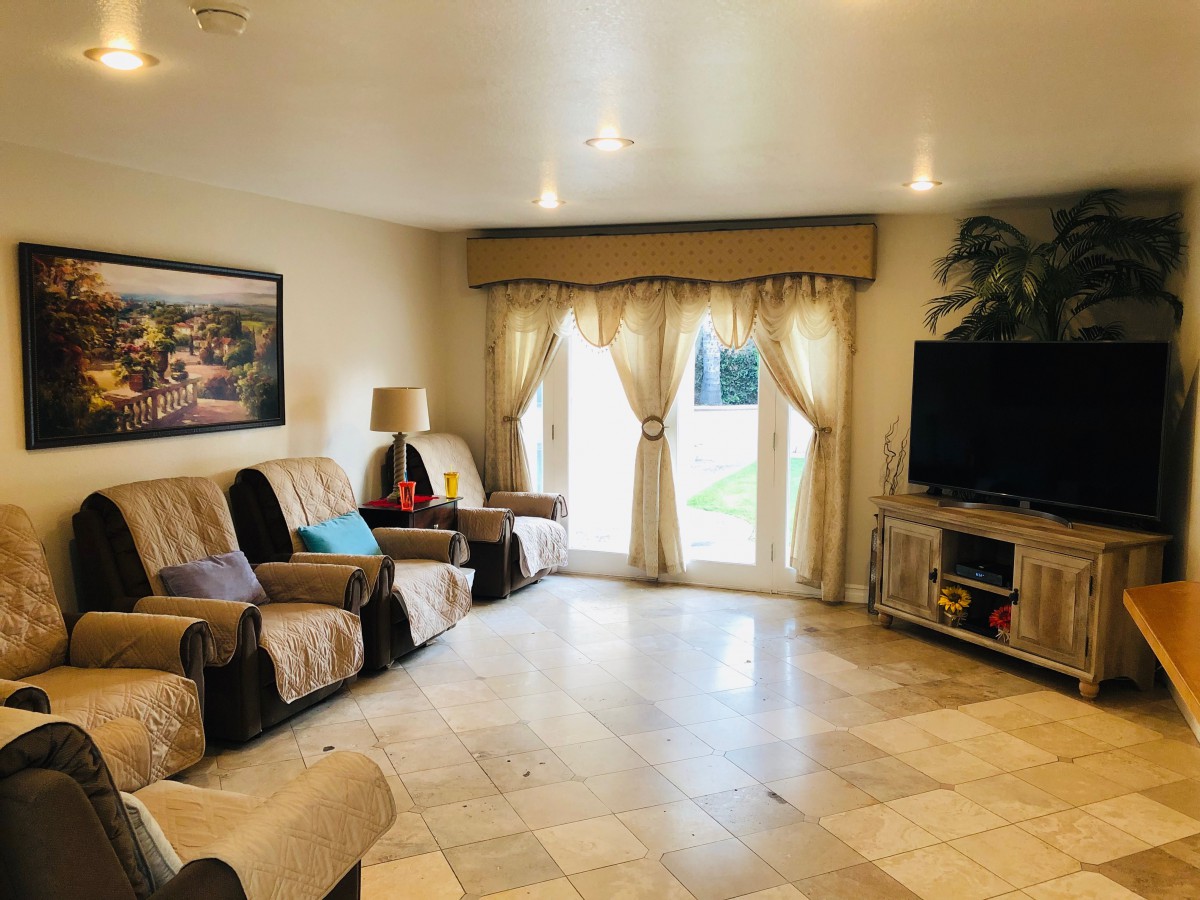
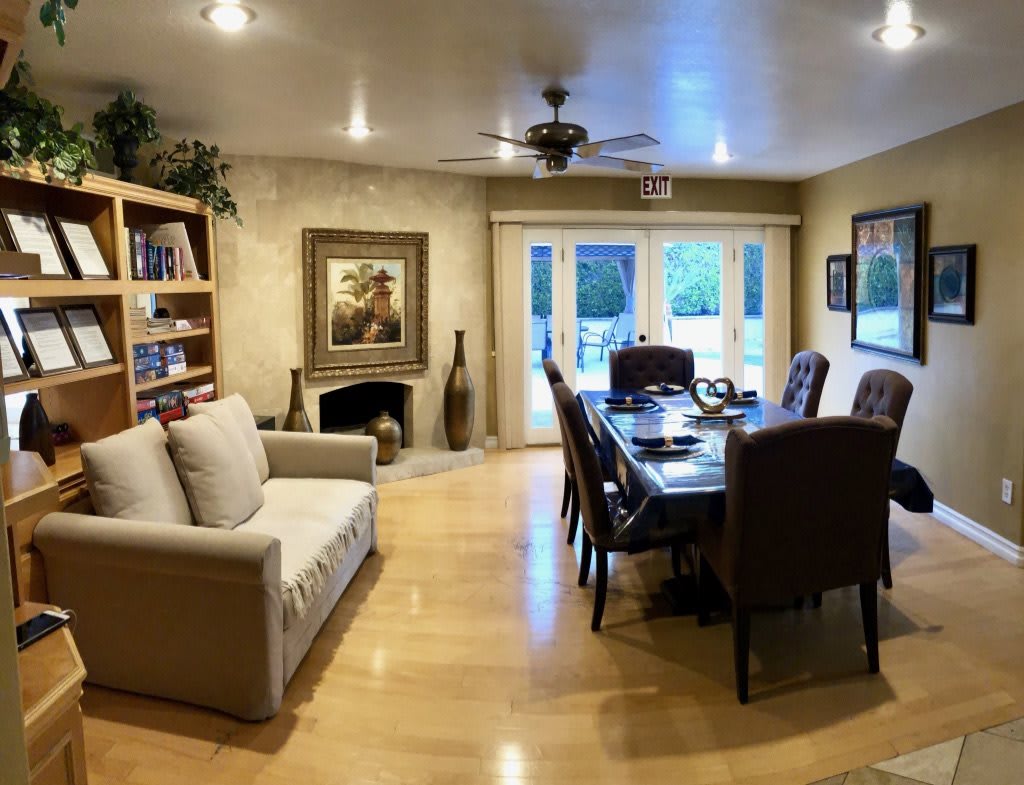
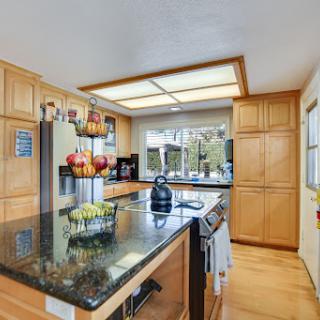
Multiple reviewers describe the facility as clean, well kept, and organized without feeling institutional. Several compare the atmosphere to a home, including references to comfortable common spaces and residents joining meals and time together. A few reviews also highlight how the house feels welcoming and supportive as residents recover or transition through care needs.
differentiator18 reviews mention this
Care coordination for high needs
Residents’ care is described as actively coordinated, especially during medical changes.
Reviewers frequently point to proactive support when health needs shift, including arranging help and coordinating follow-through after setbacks. Several reviews mention stroke or dementia-related care, and others describe hospice planning and comfort-focused support. Families also say unusual changes are noticed quickly and families are notified so treatment can happen promptly when needed.
common6 reviews mention this
Restaurant-style dining and fresh meals
Meals are a noticeable strength, with residents described as eating well at the table.
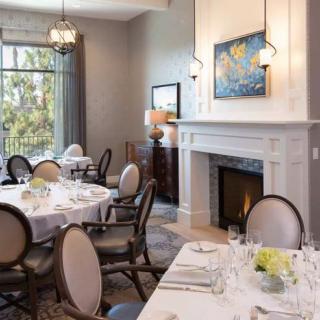
Dining comes up repeatedly, with families describing fresh, healthy meals and resident participation during mealtimes. Several reviewers specifically mention restaurant-style dining or meals served in a way that feels thoughtful and supportive of comfort and independence. Others add examples like special meals for holidays and attentive meal support during transitions, including hospice-related visits.
How we summarize
Counts show how many written reviews mention each theme; a review can touch several themes, and only frequently mentioned themes are displayed.
Features
Types of Care
Board and Care Home
Memory Care
Pets
Dogs allowed
Amenities
Activities on-site
Air-conditioning
Beautician on-site
Cable or satellite TV
Devotional services off-site
Full kitchen
Indoor common areas
Outdoor common areas
Private
Private bathrooms
Respite or short term stays offered
Wheelchair accessible showers
Wi-Fi/high-speed internet available
Transportation
John Wayne Orange Co (6 miles away)
Long Beach (Daugherty) (19 miles away)
Ontario International (24 miles away)
Care Services
Ambulatory care
Diabetic care
High acuity care
Incontinence care
Medication management
Dining
Anytime dining
Gluten-free
Guest meals
International cuisine
Kosher
Low / no sodium
Meals provided
No Sugar
Restaurant style dining
Room service
Special dining programs
Vegan
Vegetarian
Activities
Activities on-site
BBQs or picnics
Devotional activities offsite
Educational speakers / life long learning
Karaoke
Light therapy programs
Other religious services
Stretching classes
Trivia games
Visiting Rabbi
Visiting chaplain or priest
Wii bowling
Yoga / chair yoga
Nearby Places of Interest
Located in Tustin, California, this area offers a convenient and accessible location for senior living. With several pharmacies such as CVS and Walgreens within close proximity, residents have easy access to medication and healthcare services. Nearby physicians' offices like Cardiology Specialists of Orange County provide specialized medical care. The area also boasts a variety of dining options, including popular chains like McDonald's and Chick-Fil-A, as well as relaxing cafes such as Kean Coffee. For outdoor recreation, seniors can enjoy the nearby Tustin Sports Park or take a leisurely stroll at Peters Canyon. Transportation options are readily available with the Artic station and Hertz Rent A Car nearby. Overall, this part of Tustin offers a diverse range of amenities and services to cater to the needs of seniors looking for a comfortable and convenient living environment.
Pharmacies
CVS Pharmacy (0.4 miles)
Walgreens (1.3 miles)
CVS Pharmacy (1.4 miles)
Walgreens (1.4 miles)
Walgreens (1.7 miles)
CVS Pharmacy (2 miles)
CVS Pharmacy (2.6 miles)
Physicians
Cardiology Specialists of Orange County (0.9 miles)
Kaiser Permenente Tustin Medical Offices (3.2 miles)
Living the Dream Care Home offers a range of accommodation options that reflect its commitment to quality care, albeit at a premium compared to the wider market in Orange County and the state of California. For semi-private rooms, residents can expect to pay $6,000 per month, significantly higher than the county average of $3,431 and the state average of $3,333. Private rooms are available at $6,500 each month, again surpassing local and state figures - $4,104 and $3,939 respectively. Similarly, for those seeking more spacious 1-bedroom accommodations, Living the Dream Care Home's rate also stands at $6,500 monthly, which exceeds both county and state averages of $4,380 and $4,340. This pricing suggests that while Living the Dream Care Home may align with those who prioritize exceptional service and amenities within a nurturing environment, it is positioned above typical lower-cost alternatives available in the region.
At Living the Dream Care Home, effective medication management plays a crucial role in ensuring that residents with dementia or Alzheimer's receive their prescribed medications accurately and on schedule, minimizing confusion and promoting overall health stability. This structured approach helps alleviate anxiety for both residents and their families, fostering a sense of security in care. Incontinence care is equally vital, as it addresses the personal dignity of residents by providing compassionate assistance tailored to individual needs. This feature not only enhances comfort but also contributes to a supportive environment where individuals can focus on cognitive engagement without the added stress of managing incontinence issues themselves. Together, these services create a holistic approach to care that prioritizes both physical well-being and emotional support for those living with memory impairments.
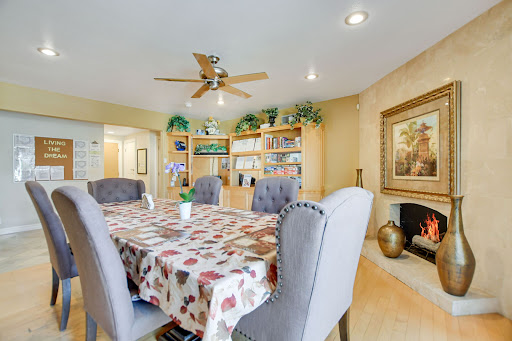
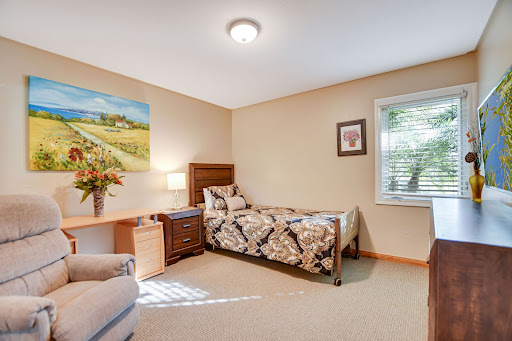
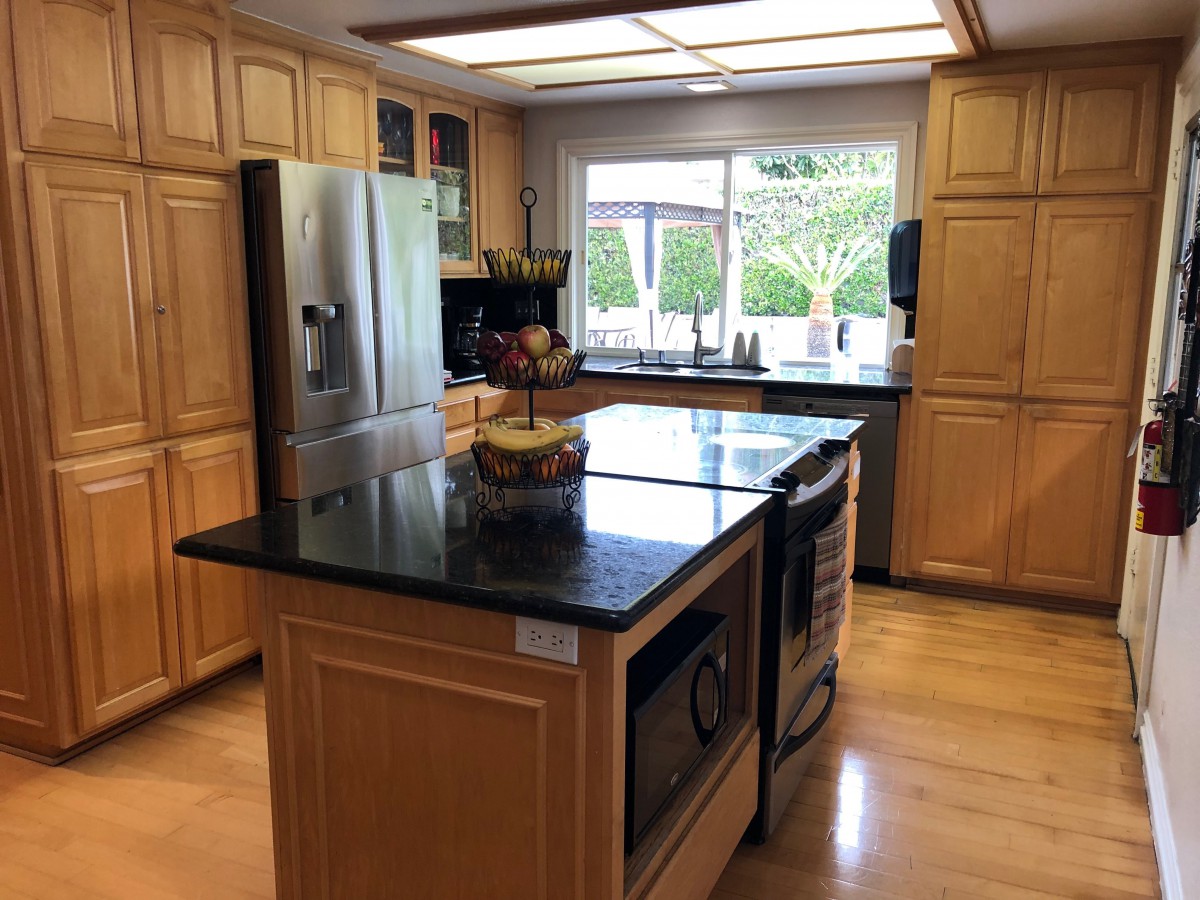
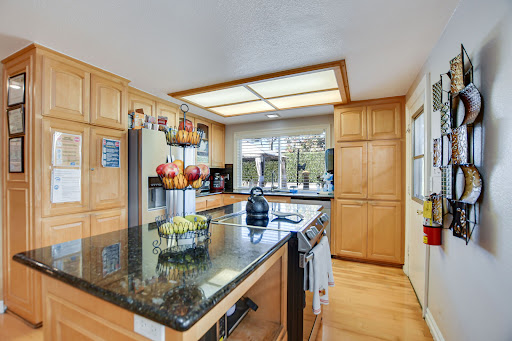
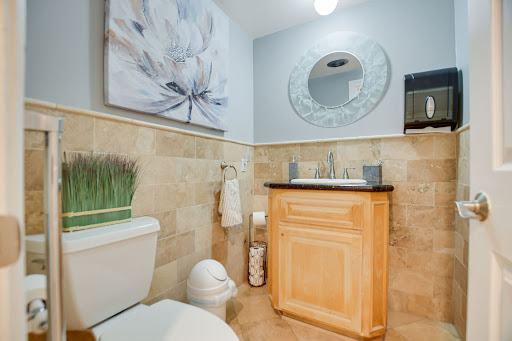
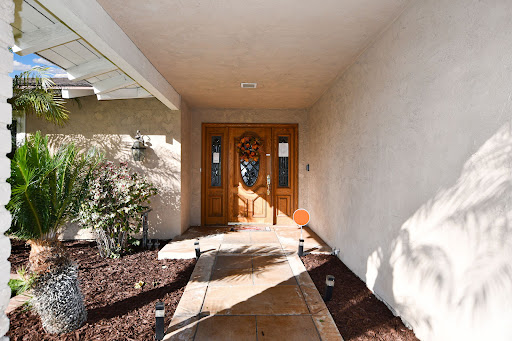
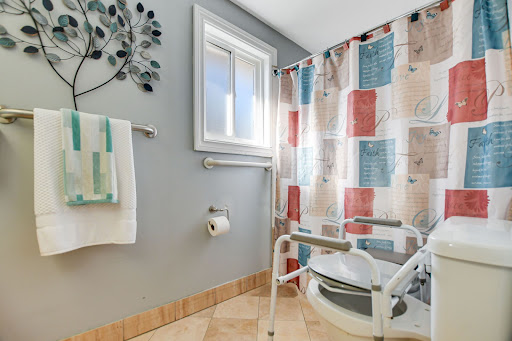
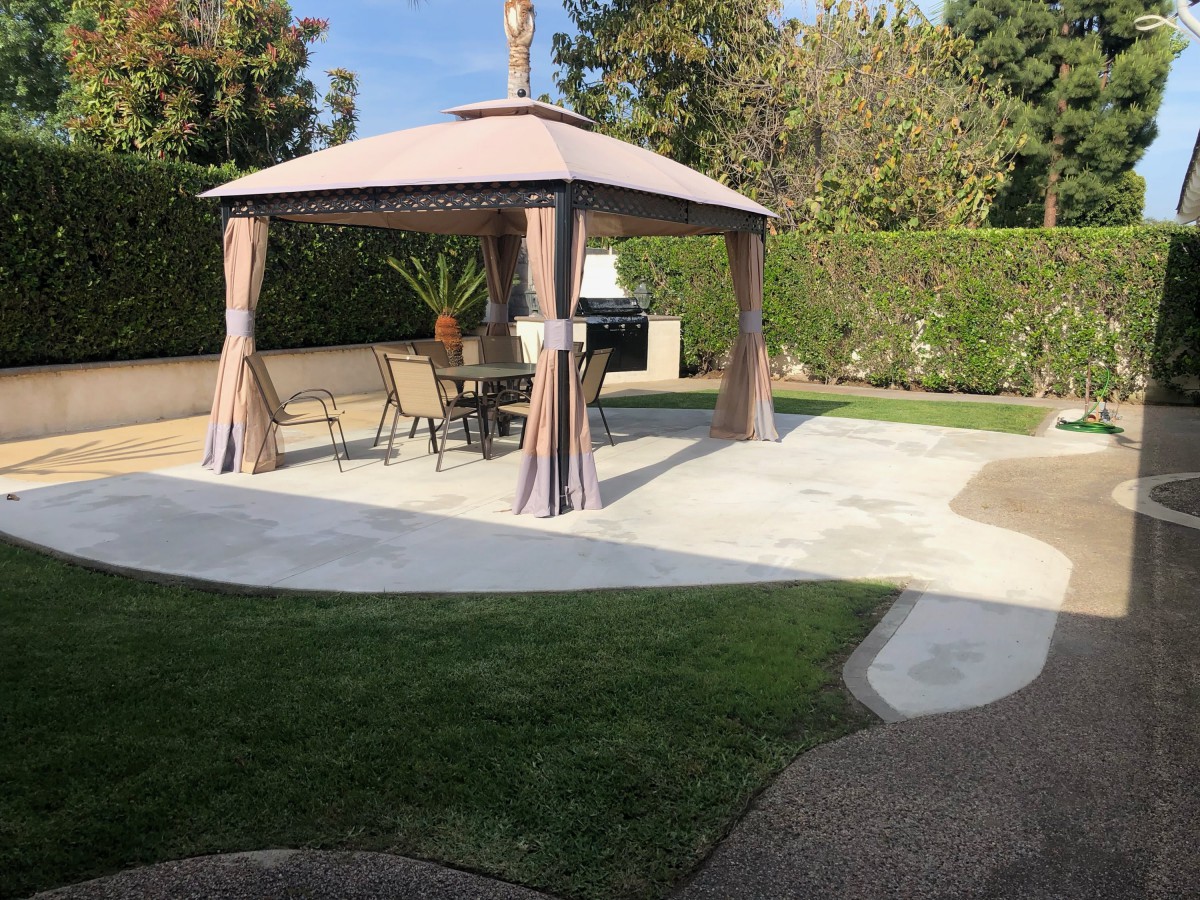
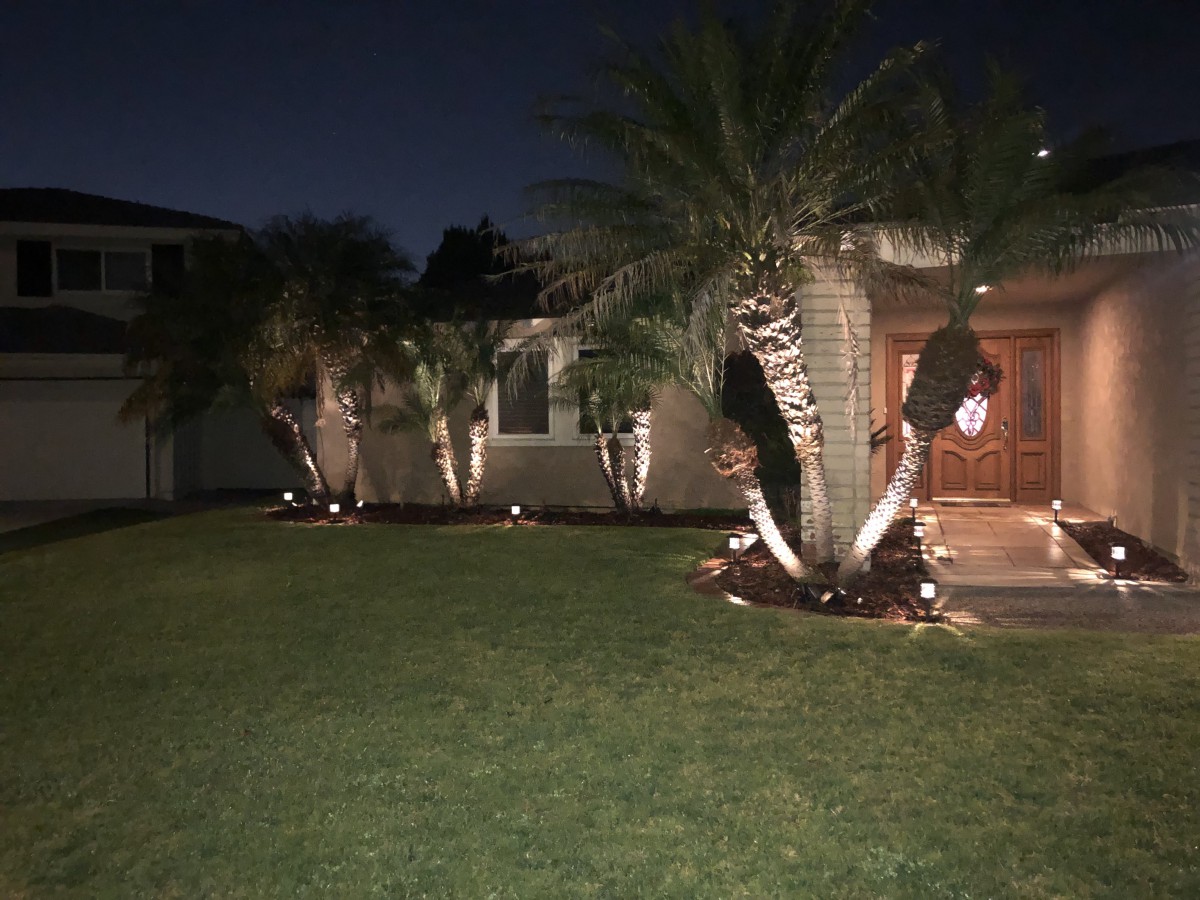
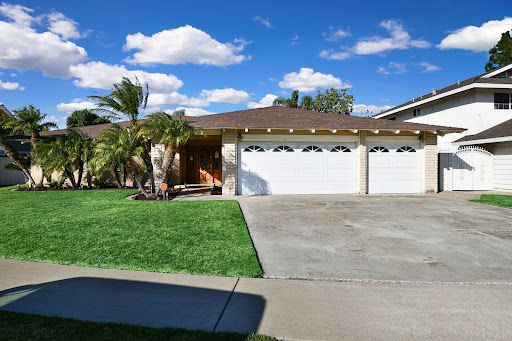
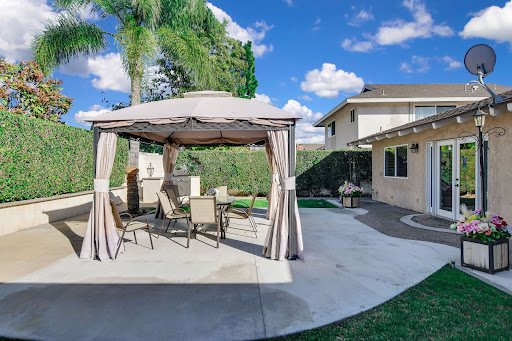
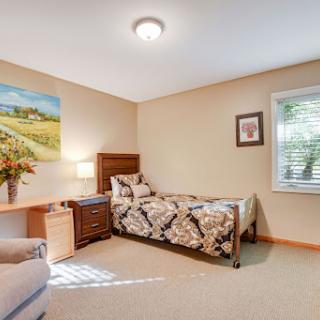
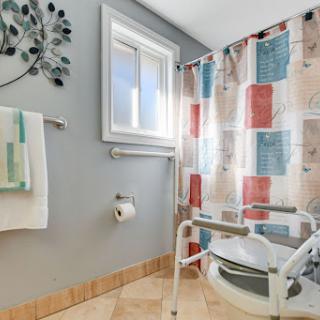
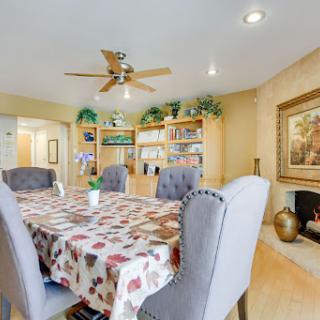
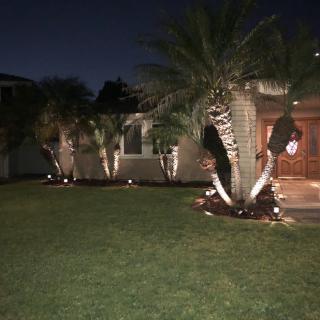
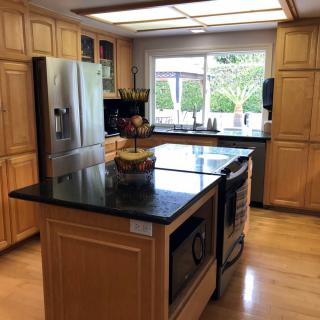
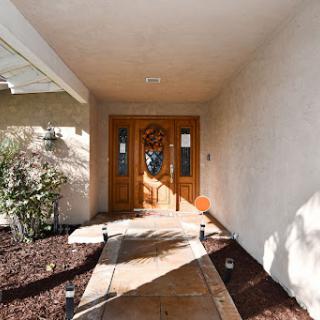
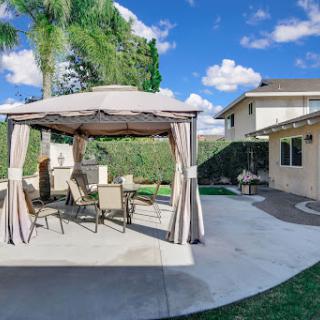
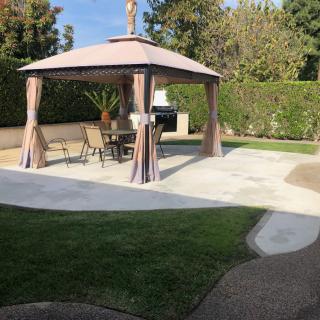
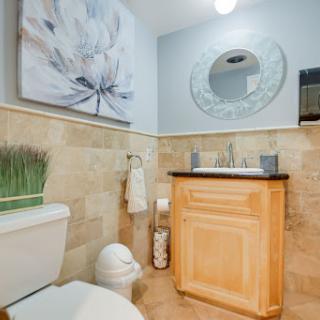
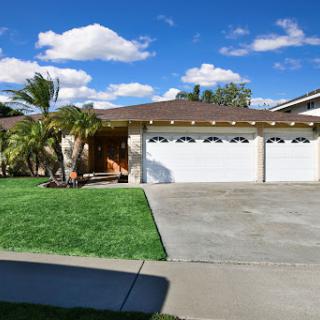
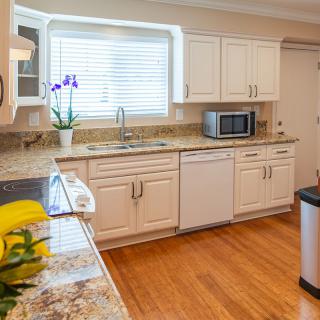
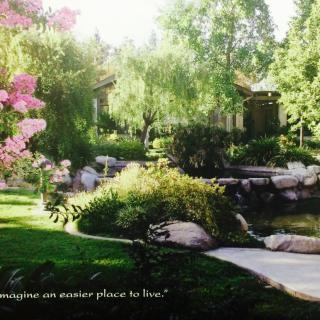
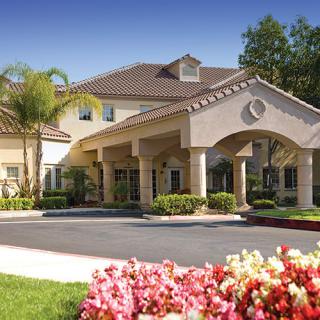
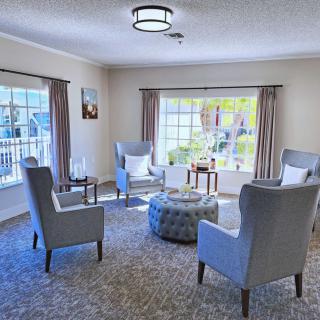
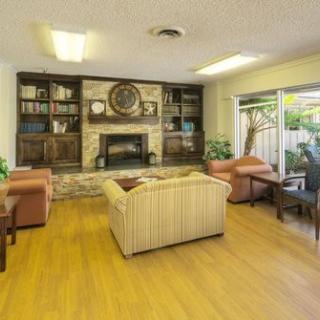
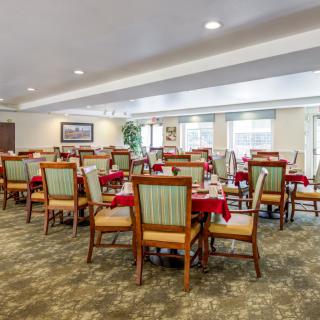
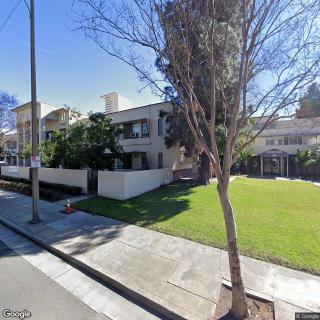
Living the Dream Care Home on seniors.fyi includes 16 photos including images showing interior, landscaping, decor, bathroom, kitchen, artwork, living room, bedroom, and more.
Nearby Communities
Columns Care Home
Tustin, CA
4.8 from 35 reviews
$2,800 to $3,800 / month
Home-like setting with personalized, caring staff.
Helena Gardens
Tustin, CA
Small, intimate 6-bed setting with personalized care and comprehensive services (24-hour supervision, ADLs, meals, meds, transportation).
Helena Gardens II
Tustin, CA
$2,900 to $3,800 / month
Affordable pricing with memory care options and 24/7 supervision in a fully furnished setting.
Helena House
Tustin, CA
Small, homelike facility with 24/7 supervision and full daily living assistance.
Nikki's Loving Care Home
Tustin, CA
5 from 2 reviews
$5,500 / month
Small, intimate setting with hands-on, round-the-clock care and a warm, family-like atmosphere.
Lois Guest Home II
Tustin, CA
4.5 from 29 reviews
Homelike, fully furnished board-and-care with 24-hour supervision and diabetes-friendly meals.
Advanced Rehab Center Of Tustin
Santa Ana, CA
4.3 from 107 reviews
24/7 care with broad on-site amenities and transportation options.
Park Plaza
Orange, CA
4.6 from 116 reviews
$3,795 to $5,225 / month
Caring, attentive staff in a clean, welcoming community with engaging activities and fresh dining.
French Park Care Center
Santa Ana, CA
3.5 from 74 reviews
Compassionate staff and pleasant grounds with activities.
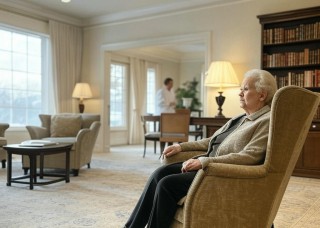
Dementia encompasses progressive neurological disorders that impair cognitive functions and can lead to paranoia due to cognitive decline and emotional changes. The article discusses the triggers of paranoia in dementia, caregiver strategies for managing it, and the importance of distinguishing between dementia-related paranoia and other psychiatric conditions.
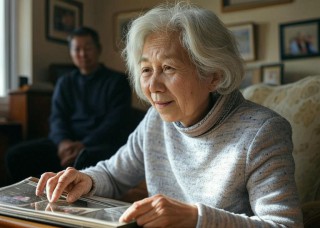
Memory care activities are essential for improving the quality of life of seniors with cognitive impairments, as they stimulate cognitive function, promote well-being, and encourage social interaction through tailored strategies. These activities combine structured exercises with spontaneous tasks, sensory engagement, physical workouts, creative pursuits, and intergenerational interactions to enhance emotional connection and a sense of purpose.
Transitioning from assisted living to memory care is driven by an individual's cognitive decline and specific needs, requiring careful evaluation of indicators like increased confusion and wandering. The process involves consulting medical professionals, researching suitable communities, considering financial and legal aspects, and ensuring effective communication for personalized care plans.
Palm Trees, Grass, House Exterior, and Outdoor Lighting
Tree
Clouds
Outdoor Furniture
Open Space
Garage
Cooking
Get PricingAsk A QuestionSchedule A TourContact Senior Advisor
By clicking submit, you agree to our Partner's Terms of Use. You
also consent to receive calls and texts, which may be autodialed, from our Partner. Your consent is not a condition to
using our Partner's service. Please visit our Partner's Privacy Policy for information about their privacy practices.



 Board and Care Home
 Memory Care
 Dogs allowed
 Activities on-site
 Air-conditioning
 Beautician on-site
 Cable or satellite TV
 Devotional services off-site
 Full kitchen
 Indoor common areas
 Outdoor common areas
 Private
 Private bathrooms
 Respite or short term stays offered
 Wheelchair accessible showers
 Wi-Fi/high-speed internet available
 John Wayne Orange Co (6 miles away)
 Ambulatory care
 Diabetic care
 High acuity care
 Incontinence care
 Medication management
 Anytime dining
 BBQs or picnics
 Educational speakers / life long learning
 Karaoke
 Light therapy programs
 Stretching classes
 Trivia games
 Visiting Rabbi
 Visiting chaplain or priest
 Wii bowling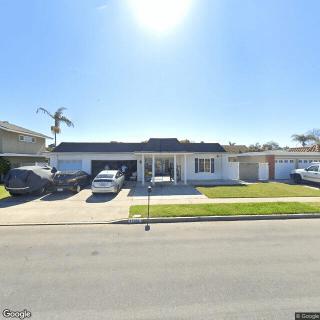
 Home-like setting with personalized, caring staff.
 Dementia, Paranoia, and Caregiver Guidance: Understanding the Connection
 Engaging Memory Care Activities That Enhance Quality of Life
 When to Transition from Assisted Living to Memory Care: Key Indicators, Steps, and Finding the Right Community