
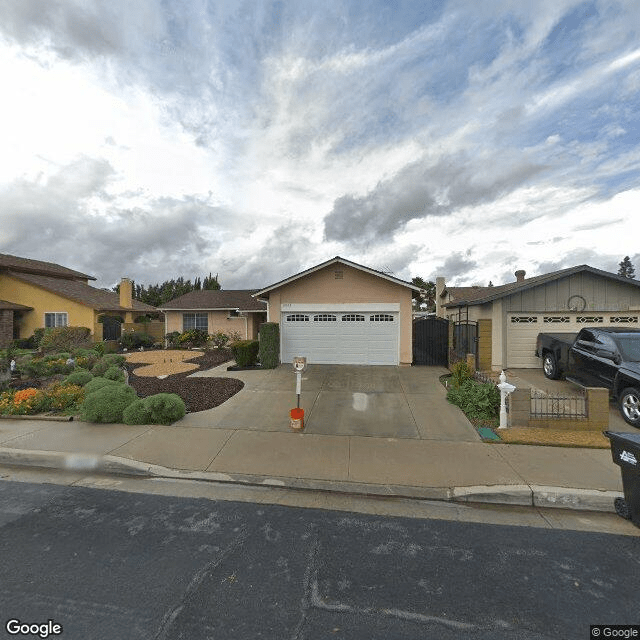
19553 Nacora St, Rowland Heights, CA 91748
To contact a resident: (909) 239-6100
For more information about senior living options: (866) 208-4318
Aster Cottages Costs & Pricing
Aster Cottages offers competitive pricing for its accommodations, particularly when compared to both Los Angeles County and broader state averages. For semi-private rooms, Aster Cottages charges $2,500 per month, significantly lower than the county average of $3,349 and the state figure of $3,333. Studio units at Aster are priced at $3,000, which also presents a more accessible option compared to the county's average of $4,172 and California's average of $4,145. Interestingly, private rooms at Aster are on par with studio prices at $3,000 while remaining below the county's private room cost of $4,197, though they exceed the state average of $3,939. Overall, Aster Cottages stands out as a cost-effective choice for those seeking quality care in a comfortable living environment.
| Floor plans | Aster Cottages | Los Angeles County | California |
|---|---|---|---|
| Semi-Private | $2,500 | $3,349 | $3,333 |
| Studio | $3,000 | $4,172 | $4,145 |
| Private | $3,000 | $4,197 | $3,939 |
Memory care communities with a similar price nearby
-
from +$300 / mo
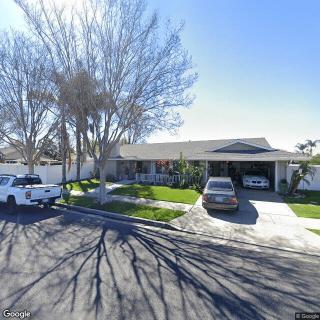
Candlewood Care Home III
$2,800 to $3,400 / month17.2 miles away -
from -$100 / mo
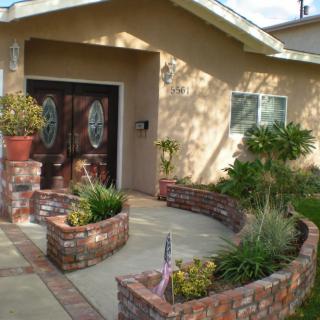
Living Well Care Home
$2,400 to $3,200 / month18.9 miles away -
from +$300 / mo
Leah Loving Elderly Care
$2,800 to $3,000 / month19.2 miles away -
from +$200 / mo
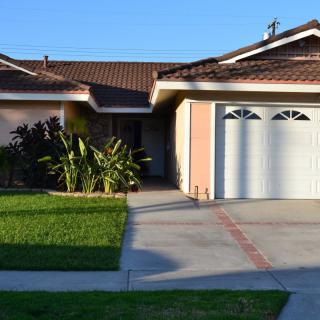
Loving Care Senior Home
$2,700 to $3,500 / month20.5 miles away -
from -$200 / mo
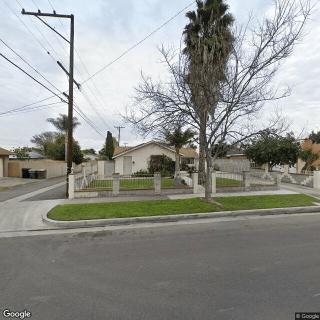
Bronwyn Residential Care
$2,300 to $3,500 / month12.7 miles away
Overall Review of Aster Cottages
Pros
 The home was clean.
- There was only one other resident there.
Review
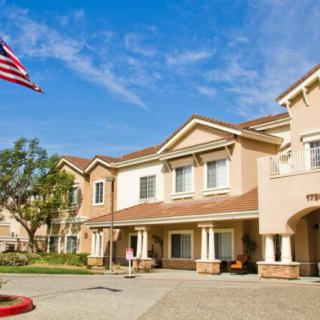
Aster Cottages in Rowland Heights is best suited for seniors who prize a clean, quiet, privacy-forward living environment and do not require a bustling, activity-rich campus. The facility presents as a small, well-kept home with minimal occupancy, essentially a single other resident in the home in the observed cases. That combination creates a calm,低-distraction daily rhythm, where independence can be preserved and support can feel unobtrusive rather than intrusive. For a resident who wants the comfort of a well-maintained space without the pace and social intensity of larger communities, this setting delivers in spades.
Those who should consider alternatives are families seeking a more social or program-driven senior living experience. If a robust calendar of activities, frequent peer interaction, regular group outings, or visible, readily available staffing is important, this small-scale option likely won’t meet those priorities. Larger assisted living communities, memory-care focused facilities, or campuses with multiple residents and purposeful programming tend to offer the level of engagement and structure that some families expect. In short, when vibrancy and an expansive support network are non-negotiable, it’s wise to look elsewhere.
The strongest positives, cleanliness and low occupancy, offer meaningful counterweights to the gaps that come with a very small community. A pristine home reduces everyday concerns about cleanliness and safety, while the sparse population minimizes noise and crowding, which can translate into easier monitoring and more personalized, unobtrusive care if staff capacity allows. For residents who value predictability and a quiet environment over social stimulation, these advantages can be substantial. In practice, the clean setting and privacy can compensate for limited social opportunities only to a point, making them compelling pros for the right profile.
The main drawbacks revolve around limited social interaction and a lack of clarity about the full range of services and day-to-day supports. With only a couple of residents at most, opportunities for companionship are inherently restricted, and potential residents may face a lean activity slate and uncertain availability of certain amenities. This shortfall is not fatal for all; for someone who already maintains a high degree of independence or who prefers one-on-one attention at a slower pace, the cons are tolerable or even welcome. However, for families hoping to balance safety with ongoing social engagement and a visible, active care team, these gaps can feel too pronounced.
From a practical decision-making standpoint, gather specifics before committing. Ask for a detailed breakdown of care options, including what level of personal assistance is available, who is on-site around the clock, and how emergencies are handled. Request a clear meal plan, housekeeping routines, transportation options, and any additional services offered. Demand transparency about staffing levels, training, and turn-over, along with a written policy on guest visits and family involvement. Tour the space with a critical eye, speak with the current resident or family members if possible, and review a sample contract to understand terms, costs, and exit options.
Ultimately, Aster Cottages represents a compelling fit for seniors who want a pristine, quiet home with strong privacy and limited crowding. It is not the first choice for those who require active social programming, regular, visible staffing, or a broad spectrum of on-site services. For families with a clear emphasis on cleanliness and independence, this option is worth pursuing, but for those prioritizing social vitality and a fuller care footprint, exploring larger or more fully staffed communities will likely yield a better match.
 Board and Care Home
 Memory Care
 Cats allowed
 Dogs allowed
 Private
 Ontario International (17 miles away)




 Delirium and Dementia: Unraveling the Key Differences
 Are Dementia and Alzheimer's Disease Lethal? A Comprehensive Exploration
 Exploring the Power of Reminiscence Therapy for Individuals With Dementia