
2485 Noble Canyon, Walnut, CA 91789
To contact a resident: (909) 594-2036
For more information about senior living options: (866) 208-4318
Noble Care Costs & Pricing
Noble Care offers competitive pricing for its services compared to both Los Angeles County and the broader California market. For a semi-private room, Noble Care's monthly fee is set at $3,500, which slightly exceeds the county average of $3,349 and is higher than the statewide average of $3,333. Similarly, in the private room category, Noble Care charges $4,700 - this not only surpasses the Los Angeles County rate of $4,197 but also exceeds California's average of $3,939. While Noble Care's rates may be on the higher end relative to peers, they reflect a commitment to quality care and amenities that can provide residents with an enhanced living experience.
| Floor plans | Noble Care | Los Angeles County | California |
|---|---|---|---|
| Semi-Private | $3,500 | $3,349 | $3,333 |
| Private | $4,700 | $4,197 | $3,939 |
Senior living communities with a similar price nearby
-
from +$495 / mo
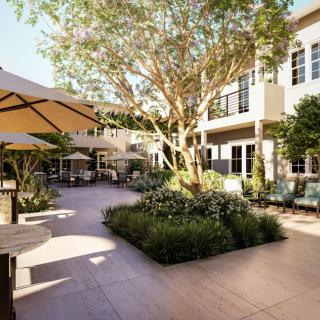
Cadence Brea
$3,995 to $5,500 / month4.5 miles away -
About the same
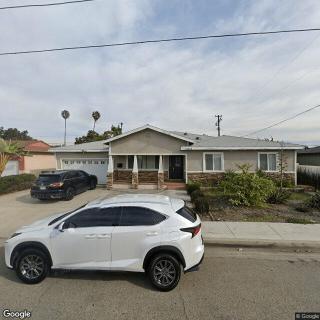
Loving Home Care
$3,500 to $4,500 / month16.3 miles away -
from -$200 / mo

Bella Manor II
$3,300 to $4,290 / month16.4 miles away -
from +$500 / mo
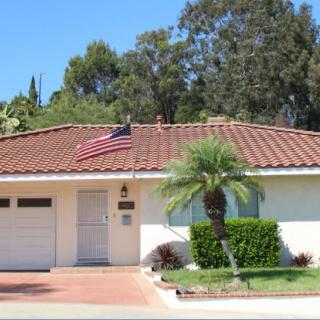
Palomino Residential Care
$4,000 to $6,000 / month16.4 miles away -
About the same
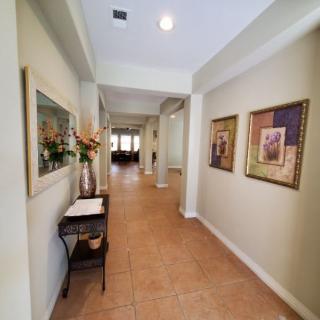
Aloha Residential Care
$3,500 to $6,500 / month22.2 miles away
Overall Review of Noble Care
Pros
 The environment is enriching and clearly distinct from other board and care homes.
- The house is larger and has bigger bedrooms.
- The owners, a doctor and his wife who is a former nurse, live above the house and are part of the caregiver team.
- The yard is large with shade trees.
- The reviewer liked the place.
Cons
 The reviewer’s mother, who has dementia, needs a different kind of facility.
Review
Noble Care in Walnut is best suited for seniors who want a home-like, enrichment-forward assisted living experience backed by direct medical oversight. The community appeals to residents who thrive in an intimate, non-institutional setting rather than a large campus, with the comfort of larger bedrooms and a yard shaded by trees that support easy daily activity. The distinctive arrangement, owners who are a physician and a former nurse living upstairs and actively participating as part of the caregiving team, delivers a level of medical presence that provides real reassurance to families seeking hands-on clinical oversight without sacrificing homelike warmth.
However, this is not a fit for every family. Those whose loved ones require dementia-specific programming, memory-care security, or higher levels of skilled nursing should look elsewhere. The emphasis here is on enrichment and daily quality of life rather than formal memory-care design. For residents with advancing dementia or significant cognitive needs, alternatives with dedicated memory-care wings, wander-management features, and staff trained specifically for behavioral health will generally yield a better match.
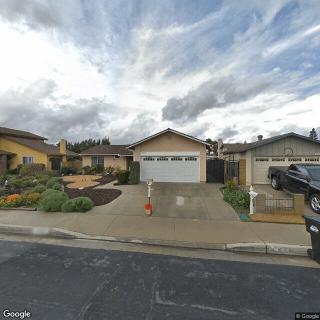
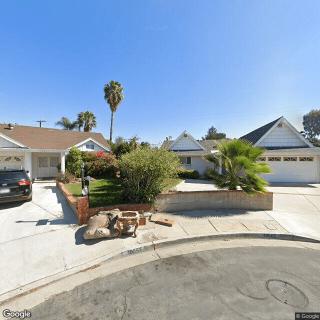
Key advantages are clear and practical. The environment is described as enriching and noticeably distinct from other board-and-care homes, with a larger footprint and more spacious bedrooms that support comfortable routines. The medical leadership, a physician and a nurse who actively participate in care, offers continuity and rapid responsiveness to health changes, a major plus for families worried about medical issues after hours. The yard provides outdoor opportunities in a safe, shaded setting, contributing to a calmer daily rhythm and opportunities for gentle activity that many small homes struggle to offer.
Yet the main drawback centers on the dementia question. While warmth and clinical backing are compelling, the absence of dementia-focused programming and the small-home format may leave memory-impaired residents under-supported in certain scenarios. The direct involvement of owners is a strong asset, but it could be a constraint if staffing needs rise or if a resident requires more specialized, around-the-clock oversight than a compact home can sustain. This is not a knock on capability; it’s a reality check for families weighing whether memory care will be a primary requirement.
Overall, the pros offset the cons for the target profile. The physician-led model, consistent caregiving, and a spacious, garden-rich setting create a predictable, dignified daily life that many seniors value highly. A deeply personalized care approach tends to emerge in this intimate environment, with easier communication for families and a heightened sense of safety that’s harder to cultivate in larger facilities. Enrichment activities and meaningful interaction are woven into daily routines, turning quality of life into a tangible outcome rather than a peripheral benefit.
Decision-makers should view Noble Care as a solid option for clients prioritizing a homelike ambiance, strong medical presence, and opportunities for outdoor living, provided memory-care needs are not the primary concern. Families with loved ones who have dementia or who require specialized cognitive-care programming should consider alternatives with dedicated memory support. Prospective residents are advised to visit to observe staff ratios in action, gauge the pace of daily life, and confirm how the care plan would be tailored to individual health and behavioral requirements. If alignment exists on health oversight, comfort, and enrichment, Noble Care warrants serious, action-ready consideration.
 Board and Care Home
 Cats allowed
 Dogs allowed
 Activities off-site
 Bath tubs
 Devotional services off-site
 Indoor common areas
 Outdoor common areas
 Private
 Private bathrooms
 Respite or short term stays offered
 Swimming pool / hot tub
 Ontario International (16 miles away)
 High acuity care
 Incontinence care
 Medication management
 Meals provided
 Adventist services
 Buddhist services
 Islamic services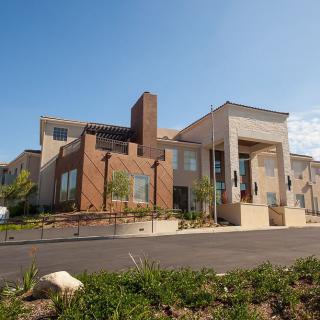

 Comprehensive Insights into Palliative Home Care: What It Is and What to Expect
 Skilled Nursing Facilities vs. Nursing Homes: Making Sense of the Differences
 A Detailed Examination of Nursing Home Costs Across the U.S.