
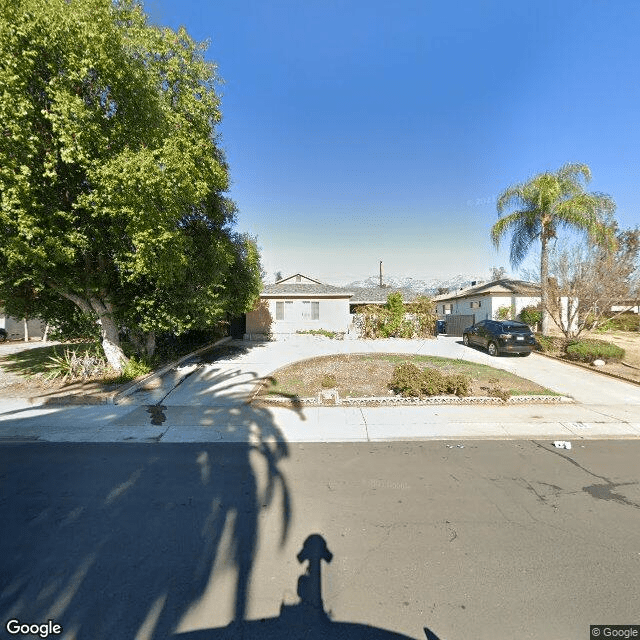
920 W. J St., Ontario, CA 91762
To contact a resident: (909) 460-0888
For more information about senior living options: (866) 208-4318
Golden Care Manor Costs & Pricing
Golden Care Manor offers competitive pricing for its residents, with monthly costs significantly lower than both the average rates in San Bernardino County and throughout California. For a semi-private room, Golden Care Manor charges $1,900, which is approximately 36% less than the county average of $2,958 and nearly 43% lower than the state average of $3,333. Similarly, private accommodations are priced at $2,400 - this is around 32% less than the county's cost of $3,561 and about 39% below California's average of $3,939. Additionally, studio apartments are available at the same rate of $2,400, providing a substantial savings compared to the county's average of $3,455 and the state's higher figure of $4,145. Overall, Golden Care Manor presents an attractive option for individuals seeking quality care while keeping financial considerations in balance.
| Floor plans | Golden Care Manor | San Bernardino County | California |
|---|---|---|---|
| Semi-Private | $1,900 | $2,958 | $3,333 |
| Studio | $2,400 | $3,455 | $4,145 |
| Private | $2,400 | $3,561 | $3,939 |
Memory care communities with a similar price nearby
-
from +$100 / mo

House Of Grace
$2,000 to $4,200 / month5.1 miles away -
About the same
Select Senior Care, LLC
$1,950 to $6,200 / month16.2 miles away -
from +$100 / mo

Milam Manor
$2,000 to $3,600 / month22.9 miles away -
from -$100 / mo
Palms Retirement Center
$1,800 to $3,495 / month21.1 miles away -
from -$100 / mo
South Hills Country Home for the Elderly
$1,800 to $2,500 / month13.8 miles away
Overall Review of Golden Care Manor
Pros
 The administration department provides helpful assistance and resolves problems.
- The physical therapy staff delivers care, kindness, patience, and love.
- The nurses and aides offer support through difficult times.
- The staff treats the grandmother with love and takes good care of her hygiene.
- The facility is very clean and well cared for, with attentive staff who communicate with residents’ authorized representatives.
- The hospice facility is very clean and the care is excellent, with attentive and loving concern from the staff.
- The facility is a great place for elderly persons, with good food, clean rooms, and professional services with a smile.
Cons
 The facility was careless with patients, exposing a dad to two Covid-positive individuals and leaving him unsupervised, even allowing him to elope.
- The staff were very rude and often uninformed, with new graduates lacking basic information about patients or medications.
- Care was neglected when a doctor had been on vacation for over a month, leaving gaps in treatment.
- Meals were poor and hygiene was not prioritized by the staff.
- The environment was unhygienic and unsafe, with a urine smell, residents sleeping in hallways, and a malfunctioning post-op air-flow mattress.
- The reviewer would not recommend the facility to anyone and warns others not to place their loved ones there.
Review
Golden Care Manor in Ontario, California is best suited for seniors who want a small, home‑like setting where caregivers build real, ongoing connections with residents and where daily care is delivered with warmth and personal attention. It appeals to families that value visible compassion, clean surroundings, and clear, respectful communication from staff. For residents who can function with stable medical needs and appreciate close relationships with nurses, aides, and a dedicated physical therapy team, Golden Care Manor can feel like a comforting, manageable home base. Those seeking advanced medical oversight, high‑acuity monitoring, or ironclad safety assurances should consider alternatives.
The strongest positives center on humanity in daily care. Residents and their families frequently praise the cleanliness of the environment and the attentiveness of staff who communicate with the authorized representative. The physical therapy team is repeatedly described as patient, encouraging, and effective at restoring mobility, with caregivers offering genuine kindness and steadiness during recovery. The hospice care experience noted by one family highlights a calm, respectful atmosphere and supportive interaction from administration downward, underscoring that, when operating smoothly, the facility delivers meaningful, compassionate service. A few reviews also capture a sense that this smaller setting can outperform larger, more impersonal facilities.
Yet the profile is not without serious caveats. A strain of reviews points to safety and reliability gaps that cannot be ignored. One account describes a sequence of neglectful events, including exposure to illness, unsupervised residents, elopement, and a doctor on vacation for an extended period, with harsh critiques of staff knowledge and responsiveness, poor meals, and hygiene lapses. Another guest reports medication delays, missing supplies, and a room assignment that forced sharing with several residents who are not independently mobile, alongside odors that suggest inadequate upkeep. Taken together, these stories raise legitimate concerns about risk management, consistent medication administration, and overall safety culture.
The key pros offer meaningful counterbalance when providers operate at their best, but they do not automatically neutralize the clear risks. The emphasis on compassionate care, consistent communication, and a capable therapy team provides real value for families seeking companionship, dignity, and assistance with daily activities. Cleanliness and a personal touch from caregivers can meaningfully improve quality of life for residents who do not require round‑the‑clock medical intensity. In practical terms, these strengths can offset some stressors of aging in place, yet the inconsistencies highlighted in the negative experiences cannot be dismissed. The result is a facility that can shine under stable conditions but reveal serious vulnerabilities when staffing gaps or process failures occur.
For families weighing a move, concrete steps matter. Arrange an in‑person tour with the administrator and insist on meeting front‑line caregivers and the therapy team. Observe medication handling during a regular shift, ask to review recent incident reports, and request documentation of staffing ratios during peak hours. Check the facility’s approach to infection control, room assignments, meal quality, and daily activity planning. Seek recent state inspection results and speak with multiple families or residents about consistency of care across shifts. If a loved one has complex medical needs, insist on a detailed plan for medication delivery, emergency response, and escalation procedures before committing.
In the end, Golden Care Manor presents a pragmatic choice for families prioritizing warmth, personal connection, and a smaller, neighborly atmosphere. When the care philosophy matches a resident’s temperament and medical needs, the positives, cleanliness, communicative staff, and effective rehabilitation, can translate into meaningful daily improvements. However, potential residents with complex medical requirements, fragile safety histories, or demonstrated lapses in medication and supervision should weigh alternatives that offer stronger medical oversight and more consistent safety protocols. The right decision hinges on aligning the resident’s risk profile with the facility’s demonstrated strengths and the family’s tolerance for possible care gaps.
 Board and Care Home
 Memory Care
 Private
 Ontario International (4 miles away)




 5 Early Indicators of Dementia and What You Can Do
 8 Important Indicators That Memory Care May Be Necessary
 Delving into the Inner World of Dementia: Insights into Thoughts and Awareness