

3100 Hamilton St, Napa, CA 94558
To contact a resident: (707) 738-0413
For more information about senior living options: (866) 208-4318
Assisted Living Napa Valley II Costs & Pricing
Assisted Living Napa Valley II offers competitive pricing for its accommodations, with monthly costs set at $4,500 for both private and studio units, as well as 1-bedroom options. When compared to the broader market, Assisted Living Napa Valley II's rates are on par with or slightly higher than the average costs in Sonoma County. For instance, while Sonoma County averages around $4,225 for a private room and $4,340 for a studio, Napa Valley II maintains consistency across its offerings. In contrast, California's statewide averages are notably lower at $3,939 for private rooms and $4,145 for studios. This pricing reflects not only the upscale environment and services provided by Assisted Living Napa Valley II but also positions it within a premium segment of assisted living in the region.
| Floor plans | Assisted Living Napa Valley II | Sonoma County | California |
|---|---|---|---|
| 1 Bedroom | $4,500 | $4,562 | $4,340 |
| Private | $4,500 | $4,225 | $3,939 |
| Studio | $4,500 | $4,340 | $4,145 |
Memory care communities with a similar price nearby
-
from -$505 / mo
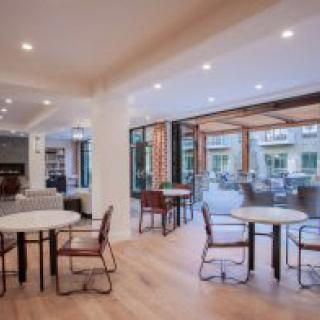
The Watermark at Napa Valley
$3,995 to $6,795 / month0.9 miles away -
from -$850 / mo
Good Neighbor Care Vacaville
$3,650 to $4,150 / month19.2 miles away -
from -$800 / mo
Silva Board And Care
$3,700 to $5,367 / month23.6 miles away -
from -$250 / mo
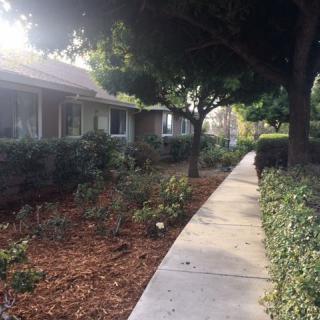
Vista Prado
$4,250 to $6,250 / month14.0 miles away -
from +$600 / mo
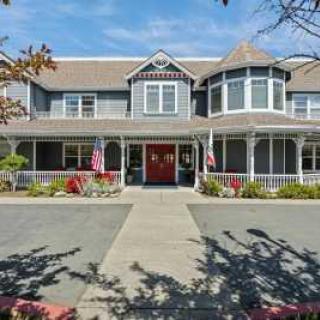
Aegis of Napa
$5,100 to $6,300 / month0.7 miles away
Overall Review of Assisted Living Napa Valley II
Pros
 The staff provide loving, individualized care to residents.
- Krystal Smith is a knowledgeable Registered Nurse and a pleasure to work with.
- The homes feel like a family environment where visitors are always welcome.
- The care gives families comfort and peace of mind knowing their loved ones are well cared for.
- The staff-to-resident ratio is impressive and reassuring.
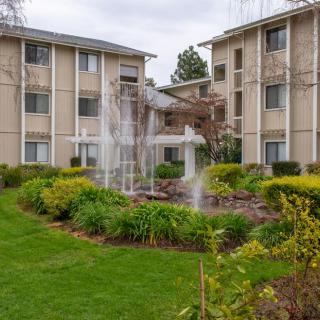
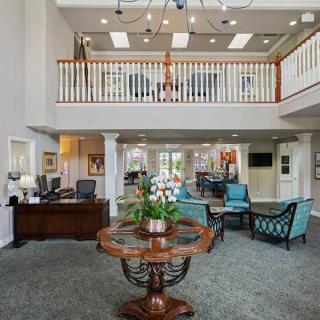
- The facilities offer welcoming spaces, including a large great room, a sun room, a garden, and a gazebo.
- Residents enjoy regular music and opportunities to sing and dance.
- The care team treats residents with dignity, respect, and kindness.
- The team remains flexible and dedicated, even during challenging times like COVID.
Review
This community is best suited for families seeking a truly home-like assisted living experience, where personalized, hands-on care is the core of daily life. Napa Valley Senior Living operates in two intimate residences, Hamilton House and Sherman House, each designed for up to six residents. The model prioritizes warmth, continuity, and everyday meaning, reinforced by Krystal Smith, the owner who is a registered nurse and brings clinical insight to a deeply personal level. Residents benefit from an environment that feels more like a family home than a clinical setting, with spaces such as a bright great room, a sun porch, and a landscaped garden with a gazebo that support routine, comfortable activity and social connection. This is a setting where music, small-group interaction, and familiar routines matter and are readily woven into the day.
Those who may want to consider alternatives include families whose loved one requires a larger campus with extensive medical staffing, broader programming, or a dedicated memory-care unit with more formalized protocols. For residents with complex medical needs, frequent skilled nursing interventions, or a desire for a wide array of on-site amenities and activities spread across a larger community, a bigger facility may deliver the scale and resources those situations demand. Additionally, families seeking a bustling, multi-building campus with a broad menu of classes and excursions might find a larger operation a better fit. In short, the intimate, home-based model shines for most but may fall short for those prioritizing high-volume programming or advanced clinical services.
The strongest pros are concrete and consistently demonstrated: an exceptionally caring staff, and a leadership team that genuinely treats residents like family. Caregivers deliver affectionate, individualized attention, and families repeatedly note the strong nurse-led, hands-on approach that feels both professional and deeply compassionate. The staff-to-resident ratio remains a standout, enabling frequent one-on-one time, quick responses, and tailored care plans. Families appreciate the open, ongoing communication, updates on day-to-day care, thoughtful involvement in decisions, and reassurance that loved ones are safe, comfortable, and thriving in a home-like setting. The small-house model translates into highly personalized routines, flexible menus, and a capacity to adapt activities to individual interests, whether it’s music, walks, or quiet time in the gazebo.
That said, the trade-off for the intimate format is the limited scale of offerings. The same qualities that make Napa Valley Senior Living feel like home naturally mean fewer on-site programming options and a smaller social circle compared with larger assisted living campuses. Yet this potential drawback is effectively offset by the attentive, flexible approach of the staff and the strong values around family involvement. Families consistently report being able to visit freely, receiving regular updates, and watching staff tailor daily life to each resident’s preferences, schedules, and needs. In practice, the care philosophy translates into a reliable, steady routine, with dementia-capable practices that emphasize dignity, safety, and meaningful engagement for residents at all stages.
For families evaluating care for a loved one, the decision hinges on values as much as services. If priority is a warm, home-centered atmosphere where staff know residents well and family visibility and input are welcomed, Napa Valley Senior Living stands out as an ideal match. It excels in compassionate, personalized care, meaningful daily activity, and transparent family communication, all delivered in a charming, small-scale setting. However, if the chart requires broader medical resources, more expansive memory-care infrastructure, or a campus experience with extensive programming, it makes sense to explore larger operators as a complement or alternative. The right choice hinges on balancing the comfort of a true home environment with the level of clinical support and programming the situation demands.
In practical terms, prospective families should arrange a tour of both Hamilton House and Sherman House, and speak directly with Krystal Smith about staffing, daily schedules, and how care plans are developed and updated. Ask to meet the caregiving team, observe interactions with residents, and review how menus, activities, and medical needs are coordinated. Request a clear outline of costs, what services are included, and how flexible arrangements are when a resident’s needs evolve. For those seeking a warm, caregiver-led, home-like setting where peace of mind comes from seeing familiar faces every day, Napa Valley Senior Living represents a standout option that routinely earns trust and genuine appreciation from families.
 Board and Care Home
 Memory Care
 Activities on-site
 Devotional services off-site
 Indoor common areas
 Private
 Ambulatory care
 Diabetic care
 Meals provided
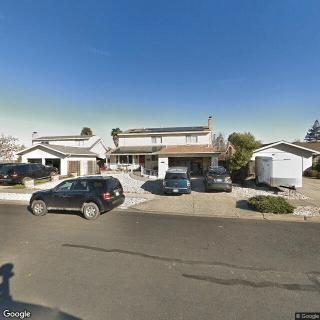
 Choosing the Right Senior Care: A Detailed Exploration of Assisted Living and Nursing Homes
 Safeguarding Your Memory Through the Golden Years: Eight Ways to Preserve Cognitive Health
 Comprehensive Insights into Activities of Daily Living (ADLs) and Their Assessment