Aegis of Napa presents a competitive pricing structure for its accommodations compared to the broader context of Sonoma County and the state of California. For instance, the monthly cost for a studio apartment at Aegis of Napa is $5,100, which is notably higher than both the county average of $4,340 and the statewide average of $4,145. Similarly, when it comes to one-bedroom units, Aegis charges $6,300 - again exceeding both the Sonoma County average of $4,562 and California's average of $4,340. While these prices may reflect premium services or amenities offered at Aegis of Napa, they do position it as a higher-end option within the regional landscape.
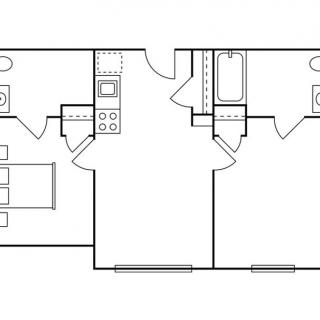
Floor plans
Aegis of Napa
Sonoma County
California
Studio
$5,100
$4,340
$4,145
1 Bedroom
$6,300
$4,562
$4,340
Memory care communities with a similar price nearby
Residents and families consistently describe staff as kind, respectful, and responsive.
Across the reviews, people repeatedly mention being greeted warmly and treated with respect and compassion. Families also describe clear communication, including medication updates and follow-ups when something changes. Even when reviews talk about different roles—caregivers, nurses/med techs, servers, housekeeping, and activities staff—the tone stays consistent. One review expresses a sharply negative experience about caregiving, which is the main outlier compared with the rest of the feedback.
differentiator4 reviews mention this
Medication help and monitoring
Medication management is a practical part of care residents and families mention.
Several reviews point to reminders and support around medications, alongside help with daily routines like meals and activities. Families also describe getting contacted quickly when something out of the ordinary happens, which ties to the sense of monitoring and follow-through. The community offers care services that include medication management, aligning with what families highlight most often.
common4 reviews mention this
Dining quality and variety
Dining is frequently described as a strong, satisfying part of life here.
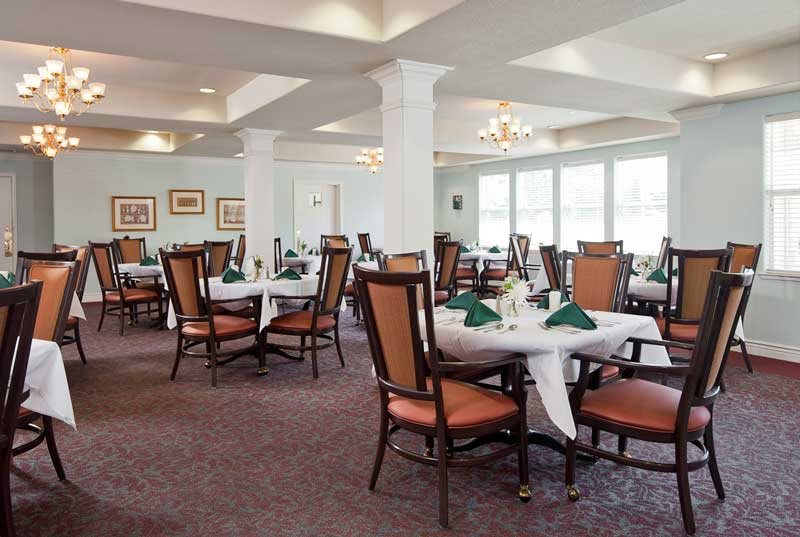
Food comes up often in residents’ and families’ comments, including praise that meals are well looked after and described as excellent. One review says their loved one, who had been a chef, specifically liked the quality of the food. Another mentions good variety and consistently good dining, while activities-based events also reference food and drinks being provided. The community also offers restaurant-style dining along with special dietary options reflected in the offering details.
common6 reviews mention this
Activities keep residents engaged
Many residents are encouraged to stay involved through frequent activities.
Reviews describe lots of activities happening on a regular basis, including exercise and games, plus outings/ride-alongs. One reviewer highlights attending live themed shows and says staff support the experience in a hands-on way. Others also mention an active schedule of events across assisted living and memory care levels. This matches the community’s mix of on-site and off-site activity offerings.
differentiator2 reviews mention this
Memory care receives specific attention
Memory care is called out by families as a focused part of care here.
At least a couple of reviews specifically reference memory care, with one describing the care in the memory unit as unmatched. Another describes end-of-life care for a serious condition with kindness and attentive support. The community offers both assisted living and memory care, which lines up with how families talk about needing different levels of support.
How we summarize
Counts show how many written reviews mention each theme; a review can touch several themes, and only frequently mentioned themes are displayed.
Features
Types of Care
Assisted Living
Memory Care
Pets
Cats allowed
Dogs allowed
Amenities
Activities off-site
Activities on-site
Air-conditioning
Beautician on-site
Devotional services off-site
Devotional services on-site
Ground floor units
Handicap accessible
Indoor common areas
Kitchenette
Outdoor common areas
Respite or short term stays offered
Wheelchair accessible showers
Wi-Fi/high-speed internet available
Care Services
Diabetic care
Incontinence care
Medication management
Dining
Anytime dining
Gluten-free
Guest meals
International cuisine
Low / no sodium
Meals provided
No Sugar
Professional chef
Restaurant style dining
Room service
Special dining programs
Vegan
Vegetarian
Activities
Art classes
Cooking classes
Day trips and outings
Devotional activities offsite
Devotional activities on-site
Educational speakers / life long learning
Happy hour
Live dance or theater performances
Live musical performances
Stretching classes
Yoga / chair yoga
Nearby Places of Interest
This part of Napa, California offers a convenient and accessible location for senior living. With a variety of healthcare options in close proximity, including physicians, pharmacies, and hospitals, residents can easily access the medical care they may need. There are also several cafes and restaurants nearby for dining out or enjoying a coffee with friends. The parks in the area provide opportunities for outdoor recreation and relaxation, while places of worship offer spiritual support for those who seek it. Additionally, transportation options such as the Napa Jet Center make it easy to travel within the region or beyond. Overall, this part of Napa provides a well-rounded community with amenities that cater to the needs and interests of seniors looking to enjoy their retirement years in a vibrant and welcoming environment.
Physicians
Tyler E. Nelson DMD MD (0.1 miles)
DaVita Napa Dialysis Center (0.3 miles)
Site for Sore Eyes - Napa (0.4 miles)
Kaiser Permanente Medical Center (0.5 miles)
Huffman Clinic At Napa Valley Orthopaedics Napa (0.6 miles)
Microtone Audiology (0.8 miles)
Joseph W Mccoy Md Napa (0.8 miles)
Cafes
Starbucks (0.1 miles)
Dutch Bros Coffee (0.9 miles)
Bouchon Bakery Yo (6.2 miles)
Basque Boulangerie Café (8 miles)
Taub Family Outpos (8.2 miles)
Restaurants
Chipotle Mexican Grill (0.4 miles)
Heritage Eats (0.4 miles)
Ashes & Diamonds Winery (1.8 miles)
Bistro Don Giovanni (1.8 miles)
La Toque Restaurant (2 miles)
McKinstry Street Station (2 miles)
Cole's Chop House (2 miles)
Pharmacies
Walgreens (0.4 miles)
CVS Pharmacy (0.5 miles)
Owens Healthcare (1 miles)
CVS Pharmacy (1.4 miles)
Ultimately Pharmacy Online (2.1 miles)
Good Neighbor Pharmacy (2.5 miles)
CVS Pharmacy (3 miles)
Hospitals
Queen Of The Valley Center For Maternal & Infant Care (0.9 miles)
Queen of the Valley Medical Center (0.9 miles)
Outpatient Surgery & Procedure Center (1 miles)
Varro, Cynthia R. DDS (1.1 miles)
Holderman Hospital-Lab (5.9 miles)
Parks
Alston Dog Park (1.1 miles)
Fuller Park (2.2 miles)
Esther Deaver Park (2.3 miles)
Monticello Park (2.7 miles)
Shurtleff Park (3.8 miles)
Yountville Park (6.6 miles)
Pinelli Park (7.8 miles)
Places of Worship
Napa Community Seventh-day Adventist Church (1.5 miles)
Aegis of Napa presents a competitive pricing structure for its accommodations compared to the broader context of Sonoma County and the state of California. For instance, the monthly cost for a studio apartment at Aegis of Napa is $5,100, which is notably higher than both the county average of $4,340 and the statewide average of $4,145. Similarly, when it comes to one-bedroom units, Aegis charges $6,300 - again exceeding both the Sonoma County average of $4,562 and California's average of $4,340. While these prices may reflect premium services or amenities offered at Aegis of Napa, they do position it as a higher-end option within the regional landscape.
Aegis of Napa's medication management ensures that residents receive the correct medications at the appropriate times, which is crucial for maintaining their overall health and well-being. This service not only helps in adhering to prescribed treatments but also alleviates the stress on families who may worry about medication errors or missed doses. Incontinence care addresses a sensitive aspect of daily living by providing compassionate assistance and maintaining dignity, allowing residents to feel comfortable and secure in their environment. By focusing on both medical needs and personal care, Aegis of Napa creates an atmosphere that supports cognitive function while fostering a sense of belonging and tranquility for individuals with dementia or Alzheimer's disease.
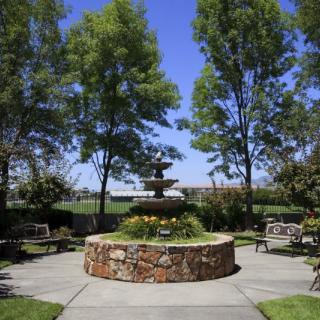
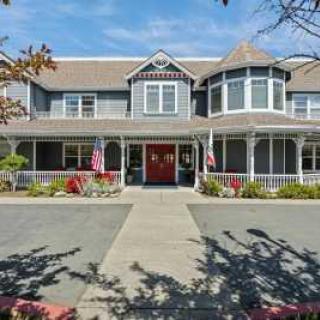
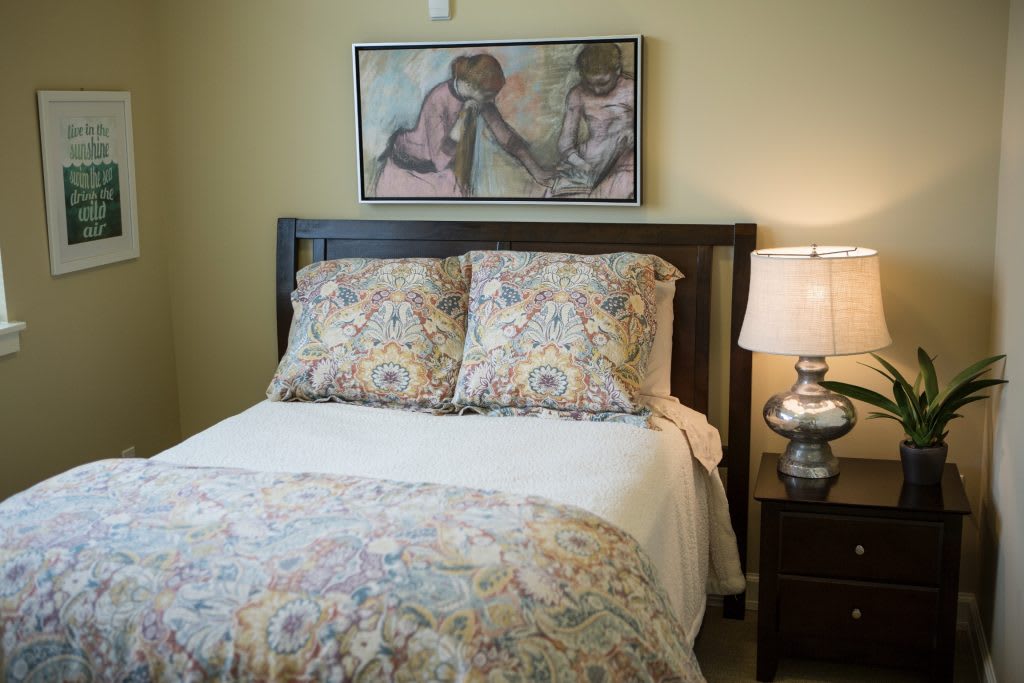
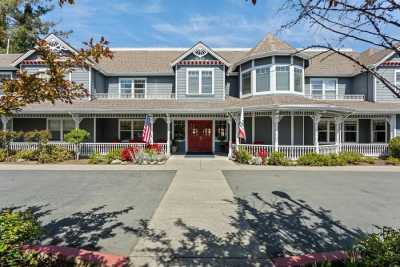
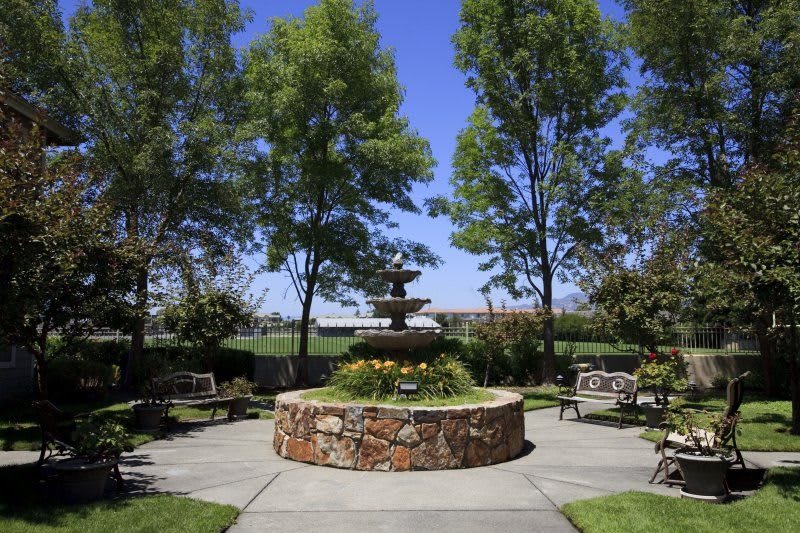
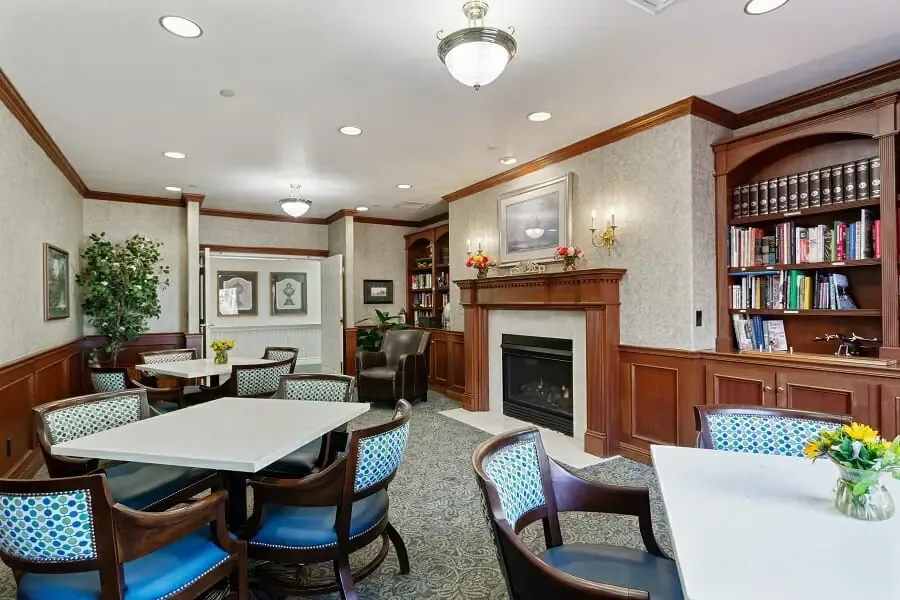
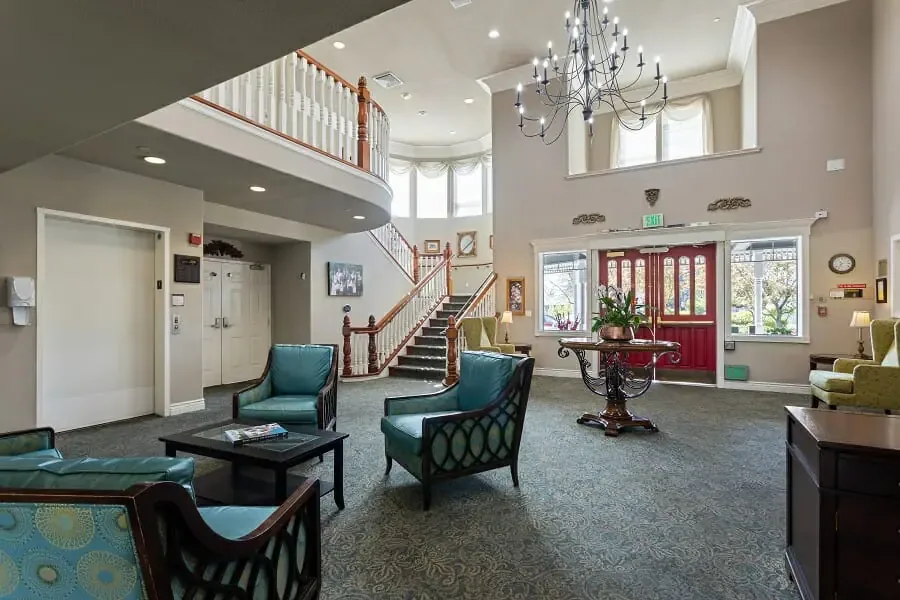
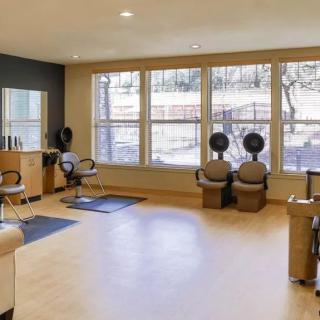
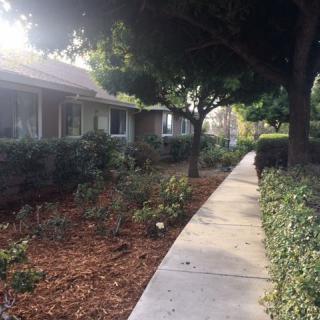
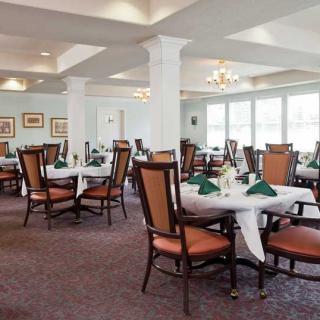
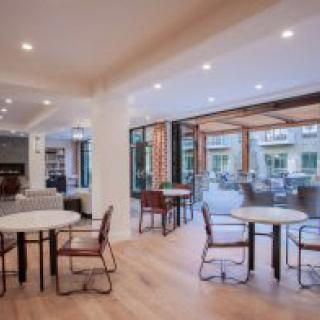
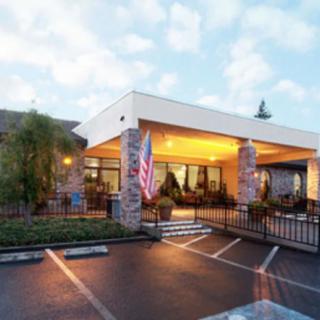
Aegis of Napa on seniors.fyi includes 20 photos including images showing bedroom, landscaping, dining, interior, decor, artwork, building, architecture, and more.
Nearby Communities
Aegis Living Napa
Napa, CA
4.3 from 16 reviews
Friendly staff, modern facilities, and active programs.
Holiday Redwood Retirement Residence
Napa, CA
4 from 98 reviews
$3,149 to $4,779 / month
Vibrant independent-living community with spacious, well-appointed apartments and manicured grounds.
Concordia Manor
Napa, CA
2.9 from 12 reviews
Specialized diabetic care with strong nearby healthcare access.
Nazareth Classic Care of Napa
Napa, CA
4.1 from 26 reviews
$3,950 to $4,950 / month
Caring staff in a smaller, clean community with good meals.
Stayman Estates - Jomar
Napa, CA
Intimate, fully furnished board-and-care with 24-hour supervision and diabetes-friendly meals.
Rohlffs Manor
Napa, CA
2.9 from 16 reviews
$516 to $746 / month
Friendly staff and a pleasant, welcoming atmosphere with clean, well-maintained spaces.
The Watermark at Napa Valley
NAPA, CA
4.8 from 62 reviews
$3,995 to $6,795 / month
Upscale, resort-like setting with gourmet dining, beautiful interiors and engaging amenities.
Napa Valley Care Center
Napa, CA
3.4 from 76 reviews
Extensive amenities and care services.
Cogir On Napa Road Assisted Living and Memory Care
Choosing between assisted living and nursing homes involves evaluating emotional and financial factors, with assisted living offering independence and support for daily activities at a lower cost, while nursing homes provide intensive medical care for individuals with significant health needs. The decision is influenced by personal preferences, health status, cognitive function, and varying Medicaid coverage across states.
The article presents eight strategies for preserving cognitive health and memory in older adults, emphasizing a nutrient-rich diet, regular exercise, intellectually stimulating activities, adequate sleep, social connections, stress management techniques, limiting harmful substances, and regular medical checkups to mitigate age-related memory decline.
Activities of Daily Living (ADLs) are fundamental tasks vital for an individual's independence, particularly in older adults over 85, and include functions like bathing and dressing; assessing ADLs alongside Instrumental Activities of Daily Living (IADLs) helps determine the level of required assistance due to age-related health challenges. Tailored support plans, involving family and community resources, are essential for maintaining dignity and autonomy in assisted living environments.
Get PricingAsk A QuestionSchedule A TourContact Senior Advisor
By clicking submit, you agree to our Partner's Terms of Use. You
also consent to receive calls and texts, which may be autodialed, from our Partner. Your consent is not a condition to
using our Partner's service. Please visit our Partner's Privacy Policy for information about their privacy practices.


 Assisted Living
 Memory Care
 Cats allowed
 Dogs allowed
 Activities off-site
 Air-conditioning
 Beautician on-site
 Devotional services off-site
 Ground floor units
 Handicap accessible
 Indoor common areas
 Kitchenette
 Outdoor common areas
 Respite or short term stays offered
 Wheelchair accessible showers
 Wi-Fi/high-speed internet available
 Diabetic care
 Incontinence care
 Medication management
 Anytime dining
 Art classes
 Cooking classes
 Day trips and outings
 Educational speakers / life long learning
 Happy hour
 Live dance or theater performances
 Live musical performances
 Stretching classes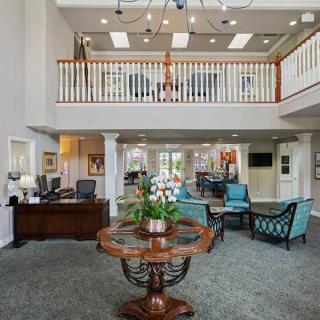
 Friendly staff, modern facilities, and active programs.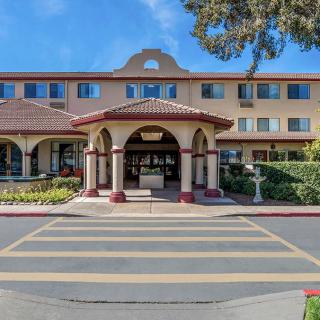

 Choosing the Right Senior Care: A Detailed Exploration of Assisted Living and Nursing Homes
 Safeguarding Your Memory Through the Golden Years: Eight Ways to Preserve Cognitive Health
 Comprehensive Insights into Activities of Daily Living (ADLs) and Their Assessment