The Watermark at Napa Valley offers competitive pricing for its residential options in comparison to both Sonoma County and the broader California market. For a studio, residents enjoy a monthly rate of $3,995, which is notably lower than both the county average of $4,340 and the state average of $4,145. The semi-private rooms are priced at $5,295, slightly above Sonoma County's average but significantly higher than the state's more affordable option at $3,333. One-bedroom units are available at $5,495, which positions them above local and state averages - suggesting premium amenities or services may be included. Finally, for those seeking larger accommodations, two-bedroom suites come in at $6,795 - a competitive figure against Sonoma County's $5,353 and California's average of $5,270. Overall, while some room types reflect higher costs compared to surrounding areas, The Watermark at Napa Valley maintains an attractive price point for certain options that underscores its appeal in this desirable locale.
Floor plans
The Watermark at Napa Valley
Sonoma County
California
Studio
$3,995
$4,340
$4,145
Semi-Private
$5,295
$4,052
$3,333
1 Bedroom
$5,495
$4,562
$4,340
2 Bedrooms
$6,795
$5,353
$5,270
Memory care communities with a similar price nearby
Residents and families repeatedly describe staff who feel caring, professional, and responsive.
Across the reviews, families say the staff are kind and attentive, and that they treat residents with warmth. Multiple reviewers mention frequent reassurance and updates, and several describe caregivers as supportive during day-to-day transitions or health needs. A small number of comments raise staffing limitations, but even those reviews still describe the caregivers they interact with as sweet and attentive. There are also a few complaints about individual staff interactions, though the overall pattern is care-forward.
differentiator
Food quality and options stand out
Dining quality is repeatedly praised, including restaurant-style meals and room-service choices.
Several reviews highlight strong dining experiences, describing the food as delicious and the variety as a standout. Families also mention that meals are served in multiple onsite spaces and that residents can choose dine-in or room service-style options. Reviewers also bring up dietary support themes, aligning with the community’s offerings for special diets. One reviewer with a more critical experience still calls out good food in general, suggesting dining is a consistent bright spot even when other concerns appear.
common
Lots of activities keep residents engaged
Residents and visitors describe a steady flow of activities to stay socially and physically engaged.
Reviews frequently mention organized activities happening daily, plus clubs and events that keep residents involved. Families describe the community as having something to do, and some highlight active outings or group programming for different care levels. This theme is reinforced by the activity options the community offers, including fitness programs, games, and religious or devotional activities. Even reviews that focus more on limitations generally acknowledge there are activities available.
common
Memory care transition feels supported
Families value how care changes are handled when memory care needs increase.
A number of reviewers describe moving into memory care as smooth and supported by the team. Families highlight personalized attention and ongoing engagement for loved ones living with dementia-related needs, and they note that staff help residents participate in activities. Reviews specifically reference the Gardens neighborhood for memory care and describe it as a place where families feel supported as well. This aligns with the community offering specialized memory care programming and related care services.
caveat
Pricing and staffing draw caution
Some reviews warn that costs can rise and that staffing levels may fall short at times.
While many reviewers are positive overall, a recurring concern is that additional support can require extra spending beyond what families expect at the start. Several critical comments connect care needs with staffing coverage, describing situations where there were not enough staff on hand or delays in getting assistance for needs like medications. One reviewer also suggests that limitations are most noticeable for higher-needs residents, especially in the care unit context. Taken together with the pricing ranges shown, the reviews suggest families should confirm what level of support is included versus what may add cost.
How we summarize
We summarize when many written reviews mention each theme; a review can touch several themes, and only frequently mentioned themes are displayed.
Features
Housing
1-bedroom apartments
2-bedroom apartments
Studio apartments
Types of Care
Assisted Living
Independent Living
Memory Care
Pets
Cats allowed
Dogs allowed
Amenities
Activities on-site
Beautician on-site
Cable or satellite TV
Cafe
Devotional services off-site
Dining room
Full kitchen
Fully furnished
Garden
Guasts at mealtime
Guest parking
Hiking trails
Housekeeping services
Indoor common areas
Kitchenette
Laundry
Move-in coordination
Outdoor space
Overnight guests
Party space
Private cleaning services
Resident parking
Respite or short term stays offered
TV room
Telephone
Wi-Fi/high-speed internet available
Transportation
Transportation & parking
Care Services
24-hour supervision
Activities of daily living assistance
Ambulatory care
Assistance with bathing
Assistance with dressing
Assistance with transfers
Coordination with health care providers
Dementia waiver
Diabetes diet
Diabetic care
Hospice care
Hospice waiver
Meal preparation and service
Medication management
Mental wellness program
Mild cognitive impairment
Personal care assistants
Physical therapy
Special dietary restrictions
Specialized memory care programming
Transportation arrangement (medical)
Transportation to doctors appointments
Dining
Diabetes diet
Meals provided
Room service
Special dietary restrictions
Activities
Activities off-site
Activities on-site
Arts and crafts
Book club
Community-sponsored activities
Cooking club
Devotional activities offsite
Educational speakers / life long learning
Fitness programs
Games
Gardening club
Live musical performances
Religious services
Scheduled daily activities
Stories
Tai Chi
Yoga / chair yoga
Videos
Nearby Places of Interest
This particular area of Napa, California, offers a diverse range of amenities and services that cater to the needs of seniors. With a variety of restaurants nearby such as Ashes & Diamonds Winery, Bistro Don Giovanni, and Heritage Eats, residents have plenty of dining options to choose from. Additionally, there are several healthcare facilities in close proximity including DaVita Napa Dialysis Center and Kaiser Permanente Medical Center for any medical needs. Parks like Alston Dog Park and Monticello Park provide opportunities for outdoor activities and relaxation. For those who enjoy cafes, Starbucks and Dutch Bros Coffee are conveniently located nearby. Pharmacies like CVS Pharmacy and Walgreens ensure easy access to medication, while hospitals such as Queen Of The Valley Medical Center offer quality healthcare services. Places of worship like Napa Community Seventh-day Adventist Church cater to spiritual needs within the community. Overall, this area provides a convenient and well-rounded environment for senior living in Napa.
Restaurants
Ashes & Diamonds Winery (0.8 miles)
Bistro Don Giovanni (0.8 miles)
Heritage Eats (1 miles)
Chipotle Mexican Grill (1.1 miles)
La Toque Restaurant (2.8 miles)
McKinstry Street Station (2.9 miles)
Cole's Chop House (2.9 miles)
Physicians
DaVita Napa Dialysis Center (1 miles)
Tyler E. Nelson DMD MD (1 miles)
Site for Sore Eyes - Napa (1.1 miles)
Kaiser Permanente Medical Center (1.3 miles)
Microtone Audiology (1.4 miles)
Huffman Clinic At Napa Valley Orthopaedics Napa (1.4 miles)
Joseph W Mccoy Md Napa (1.4 miles)
Parks
Alston Dog Park (1 miles)
Monticello Park (3 miles)
Esther Deaver Park (3.1 miles)
Fuller Park (3.1 miles)
Shurtleff Park (4.7 miles)
Yountville Park (5.7 miles)
Pinelli Park (7.7 miles)
Cafes
Starbucks (1 miles)
Dutch Bros Coffee (1.8 miles)
Bouchon Bakery Yo (5.3 miles)
Basque Boulangerie Café (7.9 miles)
Taub Family Outpos (8.1 miles)
Pharmacies
CVS Pharmacy (1.1 miles)
Walgreens (1.2 miles)
Owens Healthcare (1.5 miles)
CVS Pharmacy (1.9 miles)
Ultimately Pharmacy Online (3 miles)
Good Neighbor Pharmacy (3.5 miles)
CVS Pharmacy (3.9 miles)
Hospitals
Queen Of The Valley Center For Maternal & Infant Care (1.4 miles)
Queen of the Valley Medical Center (1.4 miles)
Outpatient Surgery & Procedure Center (1.5 miles)
Varro, Cynthia R. DDS (1.7 miles)
Holderman Hospital-Lab (4.9 miles)
Places of Worship
Napa Community Seventh-day Adventist Church (2.4 miles)
The Watermark at Napa Valley offers competitive pricing for its residential options in comparison to both Sonoma County and the broader California market. For a studio, residents enjoy a monthly rate of $3,995, which is notably lower than both the county average of $4,340 and the state average of $4,145. The semi-private rooms are priced at $5,295, slightly above Sonoma County's average but significantly higher than the state's more affordable option at $3,333. One-bedroom units are available at $5,495, which positions them above local and state averages - suggesting premium amenities or services may be included. Finally, for those seeking larger accommodations, two-bedroom suites come in at $6,795 - a competitive figure against Sonoma County's $5,353 and California's average of $5,270. Overall, while some room types reflect higher costs compared to surrounding areas, The Watermark at Napa Valley maintains an attractive price point for certain options that underscores its appeal in this desirable locale.
The Watermark at Napa Valley offers a comprehensive suite of features designed to support residents with various stages of dementia and Alzheimer's, enhancing their quality of life and ensuring safety. The 24-hour supervision ensures constant monitoring, which is crucial for the safety of individuals who may become disoriented or require immediate assistance. Assistance with activities of daily living, such as bathing, dressing, and transfers, helps residents maintain dignity while navigating physical challenges. Coordination with healthcare providers facilitates seamless medical care, further complemented by medication management that ensures proper adherence to prescribed regimens. Meal preparation and service are tailored to nutritional needs while engaging residents in dining experiences that promote socialization. The mental wellness program addresses cognitive and emotional needs, fostering a supportive environment. Additionally, specialized memory care programming incorporates therapeutic activities designed to stimulate cognitive function while providing structure and routine essential for those with mild cognitive impairment. Physical therapy aids in mobility and strength, while transportation arrangements for medical appointments ensure access to necessary health services without added stress on families or residents. Together, these features create a holistic approach that prioritizes both physical well-being and emotional connection for individuals facing memory challenges.
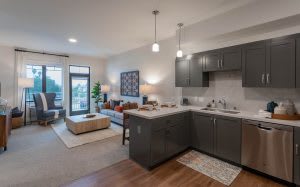
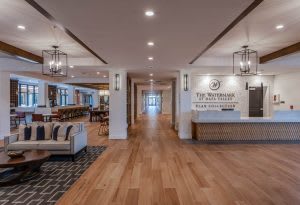
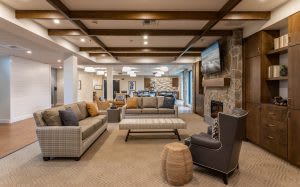
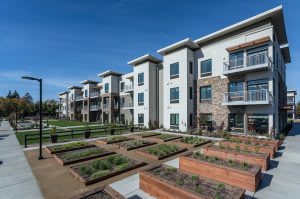
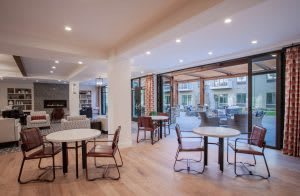
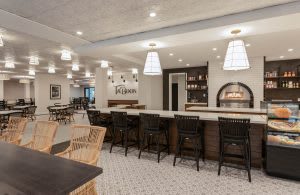
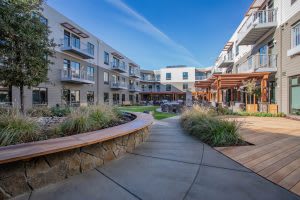
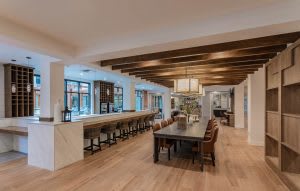
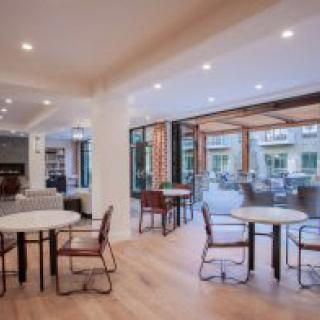
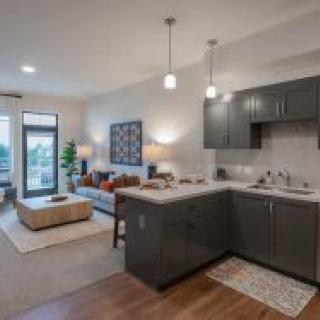
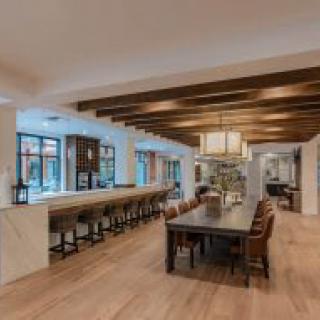
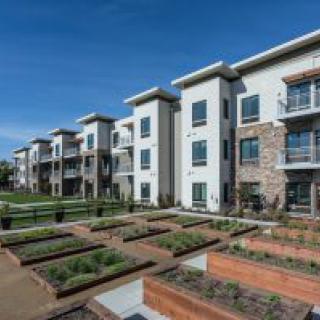
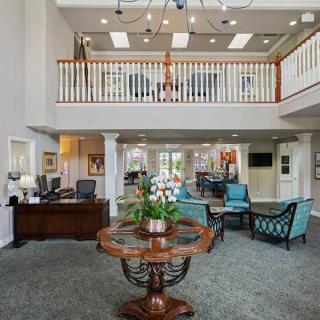
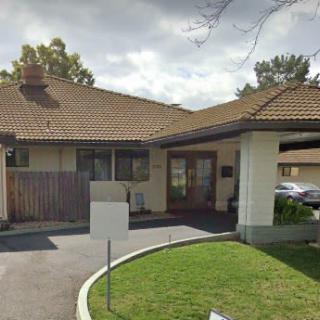
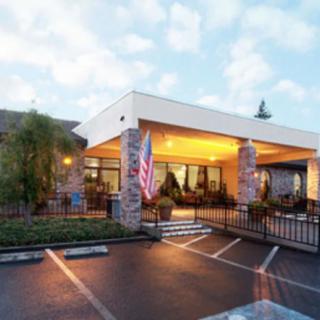
The Watermark at Napa Valley on seniors.fyi includes 12 photos including images showing interior, dining, landscaping, architecture, lighting, seating, outdoor, patio, and more.
Nearby Communities
Stayman Estates-Maher
Napa, CA
Small, personalized board-and-care with attentive staff and coordinated medical support.
Celebrity Haven II
Napa, CA
2 from 1 review
$4,500 to $6,000 / month
Friendly staff with a memory-care focus and well-maintained surroundings.
Stayman Estates - Arcadia
Napa, CA
$3,000 to $4,200 / month
Small, personalized care with 24-hour supervision and memory care options, in a convenient Napa location near medical services and amenities.
The Elegant Guest Home
Napa, CA
Intimate, elegant board-and-care for up to 6 residents with comprehensive care, diabetes-friendly meals, housekeeping, and strong access to healthcare and nearby amenities.
Stayman Estates - Jomar
Napa, CA
Intimate, fully furnished board-and-care with 24-hour supervision and diabetes-friendly meals.
Choctaw House North
Napa, CA
3 from 2 reviews
Intimate six-resident setting with private apartment-style rooms and friendly staff.
Aegis Living Napa
Napa, CA
4.3 from 16 reviews
Friendly staff, modern facilities, and active programs.
Nazareth Classic Care of Napa
Napa, CA
4.1 from 26 reviews
$3,950 to $4,950 / month
Caring staff in a smaller, clean community with good meals.
Reminiscence therapy is a structured method for older adults, especially those with dementia, to share life stories using prompts and sensory cues, fostering emotional well-being, social engagement, and self-identity. It aims to improve quality of life by enhancing interpersonal connections and cognitive stimulation while requiring careful facilitation to avoid distressing memories.
Dementia, particularly Lewy body dementia, often involves hallucinations that can significantly distress both patients and caregivers due to disruptions in sensory processing and neurotransmitter imbalances. Effective management includes compassionate communication, environmental adjustments, and a multidisciplinary approach to care while addressing the emotional needs of caregivers.
Alzheimer’s disease is a progressive neurological disorder that significantly impacts memory and cognitive functions, accounting for 60-80% of dementia cases, with early diagnosis being crucial yet challenging. It involves brain changes like beta-amyloid plaques and tau tangles, influenced by genetic and lifestyle factors, and while there is no cure, symptom management and support for caregivers are essential.
Lobby, Hallway, Lighting Fixtures, and Reception Desk
Seating
Courtyard
Bright Lighting
Modern Architecture and Apartment Building
Bar
Indoor Lighting
Pendant Lighting
Outdoor Dining
Get PricingAsk A QuestionSchedule A TourContact Senior Advisor
By clicking submit, you agree to our Partner's Terms of Use. You
also consent to receive calls and texts, which may be autodialed, from our Partner. Your consent is not a condition to
using our Partner's service. Please visit our Partner's Privacy Policy for information about their privacy practices.











 1-bedroom apartments
 Assisted Living
 Independent Living
 Memory Care
 Cats allowed
 Dogs allowed
 Activities on-site
 Beautician on-site
 Cable or satellite TV
 Cafe
Cafe Devotional services off-site
 Dining room
 Full kitchen
 Fully furnished
 Garden
 Guest parking
 Hiking trails
 Housekeeping services
 Indoor common areas
 Laundry
 Move-in coordination
 Outdoor space
 Overnight guests
 Party space
 Respite or short term stays offered
 Telephone
 Wi-Fi/high-speed internet available
 Transportation & parking
 24-hour supervision
 Ambulatory care
 Assistance with bathing
 Assistance with dressing
 Assistance with transfers
 Diabetes diet
 Diabetic care
 Hospice care
 Meal preparation and service
 Medication management
 Mental wellness program
 Physical therapy
 Special dietary restrictions
 Transportation arrangement (medical)
 Arts and crafts
 Book club
 Cooking club
 Educational speakers / life long learning
 Fitness programs
 Games
Games Live musical performances
 Tai Chi
 Small, personalized board-and-care with attentive staff and coordinated medical support.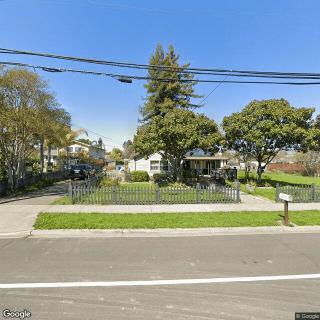
 An In-Depth Look at Reminiscence Therapy in Dementia Care
 Dementia-Related Hallucinations: Causes, Experiences, and Practical Approaches
 Illuminating Insights About Alzheimer's Disease: Ten Crucial Realities