
2529 Vine Hill Court, Napa, CA 94558
For more information about senior living options: (866) 208-4318
Overall Review of Choctaw House North
Pros
 The staff was very nice.
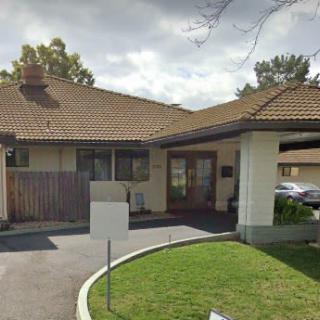
- The house matches the neighborhood.
- It can accommodate six residents.
- The rooms are private, offering apartment-style living.
- It is a converted family home with six bedrooms.
Cons
 The owner failed to pay the consultant after five months of work.
- The consultant lost the court case because she trusted the owner's word without a signed contract.
- The review warns to get everything in writing and have an attorney review ahead of time, implying verbal agreements are risky.
- It is described as unprecedented in the industry, signaling a buyer-beware warning.
- The residents could not tour the inside of Choctaw House North.
Review
Choctaw House North in Napa is best suited for seniors who want a true home-like retreat with private rooms and a small, intimate community. With room for six residents in a converted family house, the setting supports direct, personal attention and straightforward routines. Meals are shared in a communal rhythm, and casual courtyard moments foster neighborly connections without the bustle of a larger campus. For families prioritizing privacy, independence within a gentle schedule, and a sense of belonging over institutional formality, this option aligns well with those preferences.
However, this community may not be right for families seeking formalized contracts, robust billing practices, or extensive programming. One professional reviewer highlighted a troubling gap in business reliability, the owner’s failure to honor a payment agreement, emphasizing the need for everything in writing and for independent legal review of terms. That caution is essential: without signed documents and clearly defined expectations, the risk of misunderstandings or financial disputes increases. For care teams counting on documented commitments, alternatives with stronger contract controls deserve consideration.
The strongest positives center on the intimate scale and homelike feel. A resident-limited environment means caregivers can provide highly individualized oversight, with six residents sharing meals and activities rather than a crowded calendar. The private rooms preserve autonomy and personal space, while the small group size tends to elevate accountability and responsiveness from staff. In practice, the atmosphere can feel like a well-managed, small household where everyone knows one another, which reduces anxiety for some seniors and helps families monitor daily life more easily.
On the downside, programming specifics are less clear. The available notes describe group exercise and meals but do not outline a full activity calendar or the range of services offered, which makes it harder to judge engagement opportunities or the suitability for residents with varied interests or higher care needs. The residence’s conversion from a private home, while charming, can also mean fewer on-site amenities and less formalized care pathways than larger, purpose-built assisted living facilities. Being unable to tour interiors in advance, at least in one encounter, adds another layer of uncertainty for families evaluating safety and accessibility.
Still, the pros can offset these concerns for the right resident profile. The six-resident model reduces confusion and overstimulation, a meaningful advantage for seniors who benefit from predictability and a tight-knit peer group. The home atmosphere often translates to easier communication with caregivers and a sense of community accountability that can feel more reassuring than impersonal campus life. When family members value intimate oversight, quick adaptation to routines, and the comfort of familiar surroundings, Choctaw House North delivers tangible benefits that larger facilities may not replicate.
The bottom line is practical and targeted: Choctaw House North works best for families seeking a private, home-style environment with a six-resident cap, where independence and personal interaction of a small community trump breadth of services. It is a sensible choice for seniors who prefer modest programming, straightforward meals, and a calm, residential ambiance. But for those who require airtight contracts, transparent and enforceable billing, or a robust activity slate, a careful comparison with alternative options is essential, ideally with written terms up front. If a larger, more program-rich, or more contractually secure setting is desired, families should widen the search; if a simple, intimate, home-like life is the priority, Choctaw House North offers a practical, workable path.
 6 resident community capacity
 Assisted Living
 Board and Care Home
 Respite Care
 Cable or satellite TV
 Dining room
 Fully furnished
 Garden
 Housekeeping services
 Move-in coordination
 Outdoor space
 Telephone
 Wi-Fi/high-speed internet available
 24-hour supervision
 Activities of daily living assistance
 Assistance with bathing
 Assistance with dressing
 Assistance with transfers
 Diabetes diet
 Meal preparation and service
 Medication management
 Special dietary restrictions
 Transportation arrangement (medical)
 Transportation to doctors appointments

 Beyond the Bingo Hall: 50+ Enriching Activities for Seniors in Assisted Living
 Understanding the Distinctions: Assisted Living and Memory Care Explained
 Guiding Elderly Parents Who Refuse Assisted Living: 6 Practical Steps