
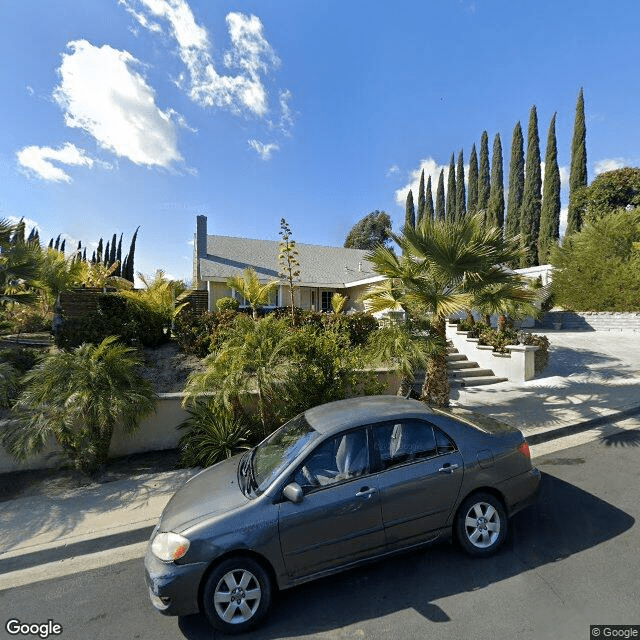
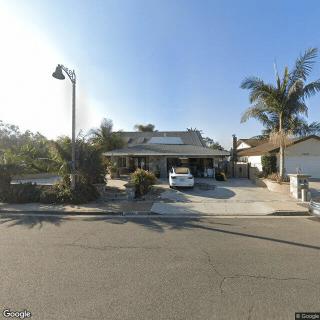
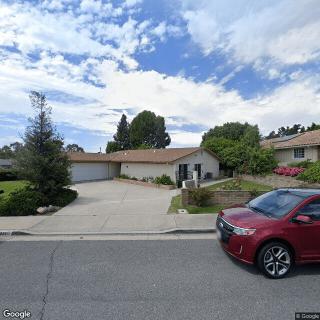
27041 Mallorca Ln, Mission Viejo, CA 92691
To contact a resident: (949) 582-6454
For more information about senior living options: (866) 208-4318

Del Sol II Costs & Pricing
Del Sol II offers competitive monthly rates compared to both Orange County and the broader California market. For a semi-private room, residents at Del Sol II can expect to pay $3,500, slightly above the county average of $3,431 and the state average of $3,333. When it comes to private accommodations, the cost rises to $5,500, which is notably higher than Orange County's average of $4,104 and California's state average of $3,939. While Del Sol II's pricing is on the higher end for both room types, it reflects a commitment to quality care and services that may justify the investment for potential residents and their families.
| Floor plans | Del Sol II | Orange County | California |
|---|---|---|---|
| Semi-Private | $3,500 | $3,431 | $3,333 |
| Private | $5,500 | $4,104 | $3,939 |
Memory care communities with a similar price nearby
-
About the same
Kun Bai Care
$3,500 to $4,500 / month23.4 miles away -
from -$650 / mo
Alternative Senior Care - Freshwater
$2,850 to $3,250 / month21.7 miles away -
from -$500 / mo
Best Elderly Care I
$3,000 to $3,500 / month18.5 miles away -
from +$500 / mo
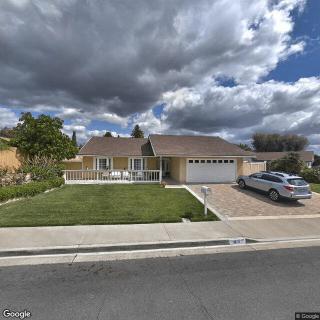
Active Senior Home Care
$4,000 to $5,000 / month3.5 miles away -
from +$500 / mo
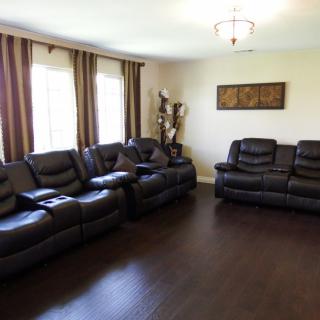
Royal
$4,000 to $4,800 / month21.2 miles away
Overall Review of Del Sol II
Pros
 The Casta Del Sol community is a great gate guarded community where people 55+ can live and enjoy convenient benefits, activities and amenities.
- Casta Del Sol does a good job maintaining uniformity, consistency, and the quality of life in the community.
- The office staff, including Greg, Valerie, and Evelyn, are fantastic.
- Service requests are handled in a timely manner.
- The community is vibrant with extensive amenities and many clubs to join.
- The HOA and volunteers keep things on track for residents.
- The trees and mature landscaping are loved by residents.
- The community is beautiful, with lots to do and helpful neighbors.
Cons
 The review notes at least two dogs killed by coyotes and another that ingested rat poison from bait boxes in backyards, with the HOA failing to notify residents or address the issues.
- Residents are not allowed to park in front of their houses for more than seven days, there is weekly loud noise from landscaping or construction, and the houses are of poor quality.
- Whenever a serious issue arises, the HOA claims they cannot do anything, described as a hospice that takes residents' money monthly and waits for them to die so they can do the same to a new resident.
- Stop signs at Villena and Azorin are frequently ignored, causing near-collisions, with the traffic committee not enforcing them or taking any action.
- Attached homes are poorly built with little sound insulation, so neighbors' activities can be heard through the walls.
- The HOA is accused of abusing residents, not following its own rules, and charging for no good reason, including a ban on satellite dishes that federal law allegedly allows.
- Security at the gate is rude and unprofessional, including an incident where a gate guard made a discriminatory remark toward a Jewish resident.
Review
Del Sol II in Mission Viejo is best suited for active, socially engaged seniors who want the security and structure of a gated community, along with a wide slate of amenities and organized activities. The strongest appeal is the sense of community: plentiful clubs, events, and a landscape that has been praised for its mature trees and welcoming grounds. For residents who thrive on built-in social life and value brick-and-mortar security, this property delivers a robust, turnkey environment where neighbors and volunteers keep the calendar full. Those who prioritize routine, predictability, and a clear social map will find Del Sol II a comfortable fit, provided the HOA and on-site management are responsive and professional.
Those who may want to consider alternatives are the risk-averse or safety-conscious, particularly if high-touch service and consistent problem-solving are non-negotiable. Several reviews flag inconsistencies in management responsiveness and notable friction with gate personnel, which can translate into daily frustrations for residents, visitors, or caregivers. For households that require meticulous enforcement of rules, highly professional front-desk service, and reliable problem escalation, Del Sol II may fall short. Families seeking a quieter, more low-key environment with minimal HOA intervention should explore other options. Those with sensitive interactions to staff dynamics or who demand uniform treatment without exception will want to look elsewhere.
The existing strengths, vibrant social life, strong landscaping, and an active HOA-driven calendar, do offset some downsides when the priority is staying engaged and connected. The presence of dedicated office staff praised by some residents helps keep programs moving, and the sheer scale of amenities supports frequent participation without leaving the community. Residents choosing Del Sol II for a busy, sociable routine may tolerate occasional irritants if the payoff is regular social opportunities, predictable routines, and a sense of belonging. In other words, the pros align with the right temperament: those who measure value by community energy and accessible activities can overlook or compartmentalize the management quirks that surface from time to time.
However, the main drawbacks can undermine overall satisfaction for many families. The gate environment, in particular, emerges as a recurring sour note: rude or unprofessional interactions at the gate, inconsistent enforcement of access rules, and a perception that safety or guest handling is not as tight as it should be. When front-line security and courtesy become a source of stress rather than reassurance, the experience of living in a gated community loses a key benefit. Add in frequent construction or landscaping noise, and it’s easy to see how daily life can feel unsettled, especially for residents who value quiet afternoons or predictable street conditions. These patterns do not merely irritate; they erode trust in the management framework that underpins the community.
Another consequential thread involves the HOA itself: mixed signals, rule adherence that seems uneven, and reports of a governance culture that does not consistently address problems. This creates a paradox for prospective residents: substantial value in amenities and social life, but with a governance layer that can feel unresponsive or hyper-technical. For families weighing care needs or long-term residency, this tension matters. If the intent is to be protected by proactive, dependable governance, Del Sol II may require careful, direct conversations with current residents and a thorough review of recent board actions, maintenance responses, and visitor policy enforcement. Without that clarity, the very safety and predictability sought in a 55+ or age-targeted setting can feel negotiable.
In the final assessment, Del Sol II presents a clear choice: embrace a lively, activity-rich lifestyle within a gated frame, or pivot toward a setting with more consistent management discipline and quieter surroundings. For seniors who prize sociability, organized clubs, and the reassurance of a gated entrance, and who can tolerate occasional friction with staff or noise from ongoing maintenance, this community offers real upside. For those whose peace of mind hinges on flawless customer service, predictable policy enforcement, and uniformly courteous gate operations, alternatives with tighter governance and fewer daily operational hiccups will be a wiser fit. The decision centers on what balance between community vitality and governance reliability best serves the resident and family’s quality of life and risk tolerance.
 Board and Care Home
 Memory Care
 Private
 John Wayne Orange Co (14 miles away)
 Ambulatory care
 High acuity care
 Understanding the Distinctions: Assisted Living and Memory Care Explained
 How to Communicate with a Loved One Living with Dementia: 10 Supportive Strategies
 Comprehensive Guide to VA Nursing Homes: A Crucial Long-Term Care Resource for Veterans