
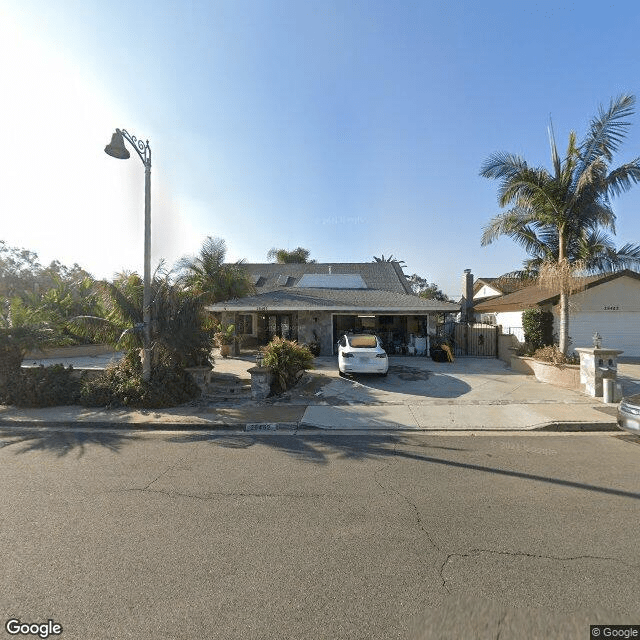
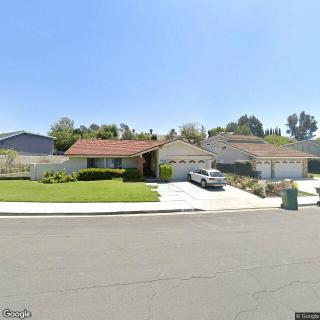
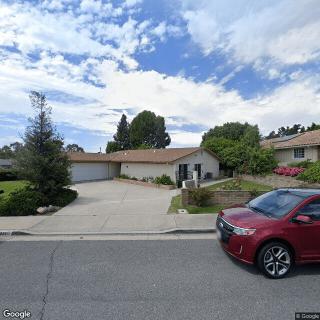
26462 Via Del Sol, Mission Viejo, CA 92691
For more information about senior living options: (866) 208-4318
Del Sol Elderly Care Home Costs & Pricing
Del Sol Elderly Care Home offers competitive pricing for its services relative to the broader market in both Orange County and California. For semi-private rooms, Del Sol charges $3,700 per month, which is slightly above the county's average of $3,431 but remains a reasonable option considering the quality of care provided. Private rooms are available at $4,500, positioning them above the county average of $4,104 and the state average of $3,939. Similarly, a one-bedroom unit is priced at $4,500, which aligns closely with the county average of $4,380 while being marginally higher than the state's average of $4,340. Overall, Del Sol provides a balanced combination of value and care that can be appealing to families seeking accommodations for their loved ones in a supportive environment.
| Floor plans | Del Sol Elderly Care Home | Orange County | California |
|---|---|---|---|
| Semi-Private | $3,700 | $3,431 | $3,333 |
| Private | $4,500 | $4,104 | $3,939 |
| 1 Bedroom | $4,500 | $4,380 | $4,340 |
Memory care communities with a similar price nearby
-
from -$200 / mo
Kun Bai Care
$3,500 to $4,500 / month23.3 miles away -
from -$700 / mo
Best Elderly Care I
$3,000 to $3,500 / month18.6 miles away -
from +$300 / mo
Active Senior Home Care
$4,000 to $5,000 / month3.5 miles away -
from +$300 / mo
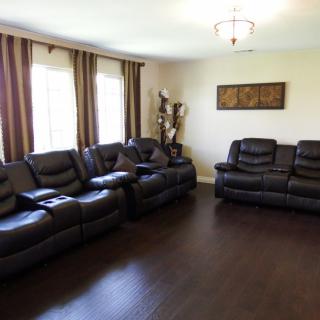
Royal
$4,000 to $4,800 / month21.3 miles away -
from -$700 / mo
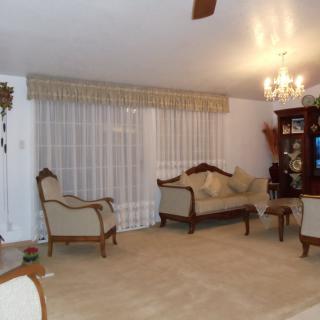
Alper's Care Home
$3,000 to $3,700 / month23.1 miles away
Overall Review of Del Sol Elderly Care Home
Pros
 The place offers 3 homes to choose from and provides excellent personal care with numerous activities and events.
- They are the best.
Review
Del Sol Elderly Care Home in Mission Viejo is best suited for seniors who want a warm, home-like setting, strong personal care, and a rhythm of life shaped by choice and social activity. The three-house model translates into real flexibility: residents can select a house with a vibe and floorplan that fit their routines, then move as needs evolve rather than relocate to a new facility. This community is particularly attractive for families that prize hands-on attentiveness from caregivers, regular meaningful engagement, and a sense of belonging that comes from an intimate, community-centered environment.
Opened in 1996, Del Sol operates three homes under one umbrella, which creates noticeable advantages in accessibility and programming. The core offering is personal care delivered with apparent dedication, and the calendar overflows with activities and events that keep residents mentally and physically engaged. The tone in reviews is consistently effusive, with residents and families praising the staff and the culture: warmth, responsiveness, and real effort to tailor activities to ability levels. In practical terms, this translates into a daily life where routines feel familiar, staff know residents’ preferences, and there is a visible emphasis on social connection.
From a decision-making standpoint, the strongest pro is that choice does not come at the expense of care. Three homes enable families to pick a living environment aligned with personality and energy level, and staff members appear to carry strong relationships with residents across all houses. The abundance of programs is more than mere entertainment; it’s a backbone for quality of life that can slow isolation and support ongoing independence. The clear caveat for families considering alternatives is that public information does not highlight specialized memory-care programming or hospital-style medical oversight. Those needing structured memory support or intensive clinical supervision should compare options that foreground those services.
Alternatives to weigh include facilities that center memory care in dedicated wings, or boutique homes that offer smaller caregiver-to-resident ratios and more intimate supervision. For seniors with complex medical needs, or those requiring continuous skilled nursing, larger campuses affiliated with hospitals or specialized dementia-focused brands may provide clearer care pathways and transparent staffing grids. Del Sol’s strength lies in personal care and robust activity programming; if care requirements tilt toward clinical oversight, it’s prudent to explore options with explicit 24/7 nursing coverage and specialized memory-care programs.
Practical due diligence is essential: meet the administrator and request a sample week of activities to gauge whether programming matches resident capacity and energy. Ask about staff schedules, on-call medical access, and how care plans are updated and communicated to families. Verify pricing structures, including any add-ons for transportation, private-duty aides, or specialized therapies. The three-house model should be evaluated for consistency across locations; visiting each home at different times helps confirm uniform standards and atmosphere. This step ensures that the perceived strengths translate into day-to-day reliability.
Overall, Del Sol Elderly Care Home stands out as a strong, well-rounded choice for families seeking a lively, caring setting with genuine warmth and practical care. It is best for seniors who value social engagement, flexible living arrangements, and consistent personal care delivered in a home-like atmosphere. Those needing intensive medical management, complex skilled nursing, or dedicated memory-care programs may want to explore alternatives with more explicit clinical oversight. For most families, the decision hinges on whether the benefit of choice across three homes and a richly programmed lifestyle justifies any trade-offs in specialized medical services. When scheduling a visit, bring a list of questions and a clear sense of what daily life should feel like to ensure alignment with expectations.
 6 resident community capacity
 Assisted Living
 Board and Care Home
 Memory Care
 Cats allowed
 Dogs allowed
 Cable or satellite TV
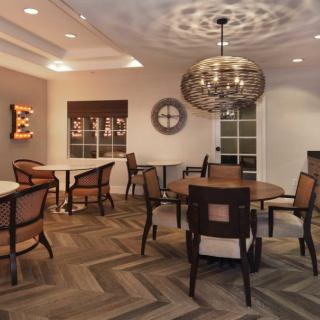
 Dining room
 Fully furnished
 Garden
 Housekeeping services
 Move-in coordination
 Outdoor space
 Private
 Telephone
 Wi-Fi/high-speed internet available
 John Wayne Orange Co (14 miles away)
 24-hour supervision
 Activities of daily living assistance
 Assistance with bathing
 Assistance with dressing
 Assistance with transfers
 Diabetes diet
 Diabetic care
 Incontinence care
 Meal preparation and service
 Medication management
 Special dietary restrictions
 Transportation arrangement (medical)
 Transportation to doctors appointments


 Memory Care Pathways: A Holistic Guide to Dementia Support
 Comprehending Evening Confusion in Dementia: Causes, Manifestations, and Support
 Delirium and Dementia: Unraveling the Key Differences