
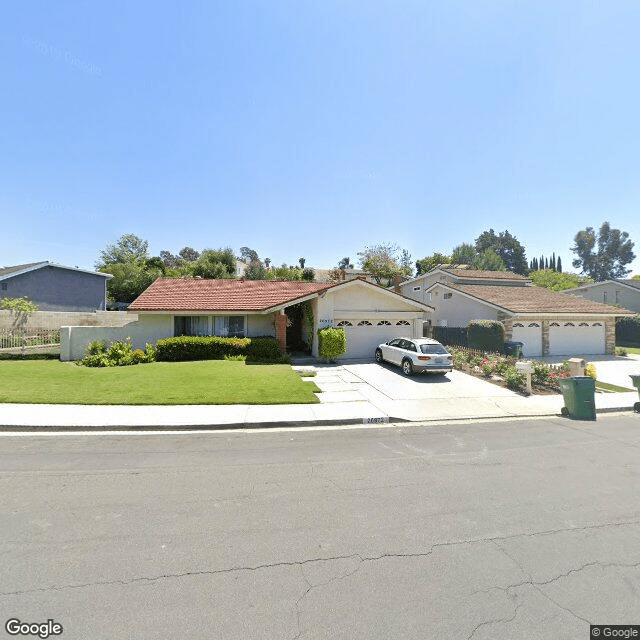
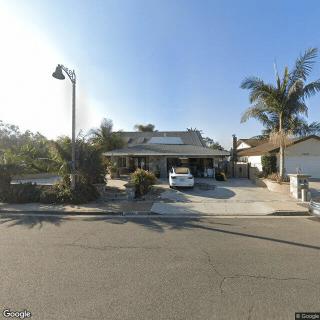
26972 Via Grande, Mission Viejo, CA 92691
To contact a resident: (949) 348-8967
For more information about senior living options: (866) 208-4318
Good Samaritan Costs & Pricing
Good Samaritan offers competitive pricing for its accommodations compared to both Orange County and the broader California market. For a semi-private room, Good Samaritan charges $2,700 per month, which is significantly lower than the average cost of $3,431 in Orange County and $3,333 across the state. Similarly, their private room rate of $3,200 also presents a favorable option against the higher averages found in Orange County ($4,104) and California as a whole ($3,939). These rates not only reflect Good Samaritan's commitment to affordability but also ensure that residents receive quality care without the financial strain often associated with assisted living options.
| Floor plans | Good Samaritan | Orange County | California |
|---|---|---|---|
| Semi-Private | $2,700 | $3,431 | $3,333 |
| Private | $3,200 | $4,104 | $3,939 |
Memory care communities with a similar price nearby
-
from +$100 / mo
Candlewood Care Home III
$2,800 to $3,400 / month14.1 miles away -
from +$100 / mo
Leah Loving Elderly Care
$2,800 to $3,000 / month18.6 miles away -
About the same
Loving Care Senior Home
$2,700 to $3,500 / month18.9 miles away -
from +$150 / mo
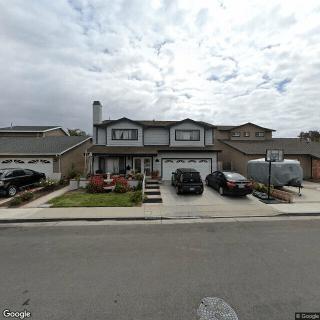
Alternative Senior Care - Freshwater
$2,850 to $3,250 / month21.7 miles away -
from +$300 / mo
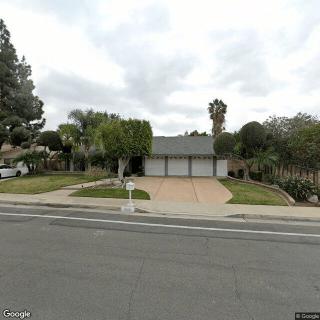
Best Elderly Care I
$3,000 to $3,500 / month18.5 miles away
Overall Review of Good Samaritan
Pros
 The staff at Good Samaritan Guest Home feel like an extension of the residents’ own family.
- The home is immaculate and beautiful, with knowledgeable, caring staff delivering excellent services.
- The environment is calm, and the home is kept spotlessly clean.
- Families receive timely updates and communications about changes in conditions and needs.
- Gratitude is expressed toward Leo, his family, and the staff for their help and support.
- Good Samaritan Guest Home is highly recommended as the first choice.
Cons
 The reviewer was not impressed with the overall facility.
- The reviewer thought the facility could use a lot of overall work and a deep cleaning throughout the building.
- The reviewer described it as not their favorite.
- The reviewer felt it was not the right match for their needs.
Review
Good Samaritan Guest Home in Mission Viejo is best suited for families seeking a small, intimate, home-like environment where seniors receive attentive, hands-on care and daily life feels calm and predictable. The model works particularly well for elderly residents who benefit from consistent routines, a small-team dynamic, and active family involvement. Reviews consistently emphasize a warm, almost familial atmosphere, with staff who treat residents with respect and coordinate care rather than merely supervise it. Families report that the setting feels safe and serene, not institutional, and that the facility’s cleanliness reinforces that sense of ease. The owner-operator, Leo, runs the home with a close-knit team that communicates regularly with relatives, sending updates and flagging changes in health or needs between visits. For many, this is the kind of steady, reliable support that makes a difficult transition substantially easier.
However, Good Samaritan is less ideal for those who prize a newer, high-polish facility with extensive programming and a broad social calendar, or for families seeking a larger campus with more clinical depth on-site. Two reviewers who toured the home felt it could use significant upkeep and a deep cleaning, suggesting that aesthetic polish and modern amenities were not the facility’s strength. That contrast matters: the warmth and care on offer can feel like a perfect fit, but for residents who equate care quality with pristine surroundings and a wide array of activities, this may fall short. Those evaluating memory care options or more structured clinical services should compare options that emphasize those capabilities, as the Good Samaritan model leans into intimacy and personal attention over scale.
On the upside, the advantages are sturdy and tangible. The home itself is described as immaculate and beautiful, a physical environment that aligns with the calm, uncluttered vibe residents need. The staff are characterized as knowledgeable, caring, and genuinely invested, delivering medication management, coordinated doctor visits, and ongoing updates to families. The setting enables real continuity of care: families report that moves are coordinated smoothly, and that their loved ones settle into a calmer mood after the transition. The small, intimate structure allows staff to be attentive without feeling rushed, and the family-run element adds credibility and accountability. In this light, the practical benefits, reliable care, clear communication, and a nurturing atmosphere, often outweigh concerns about less-polished appearances in a smaller home setting.
Still, the record isn’t entirely unblemished. Two reviewers described the facility as not impressive during tours, suggesting that overall upkeep and a deep clean were needed and that the building didn’t feel like the best match for their needs. Those impressions matter for families whose priority is first impressions and a modern aesthetic, or who worry about ongoing maintenance in a care setting. The discrepancy between glowing care stories and tour-based critiques creates a decision-framing challenge: care quality and communication can be outstanding, but the physical condition of some spaces may not measure up to every family’s standards. The absence of notes about broad programming or expansive amenities also signals that this is not a big-venue community, which could matter to residents seeking more activity options.
Despite those caveats, the strengths substantially offset the drawbacks for many seniors and their families. The regular updates, careful medication management, and proactive coordination for medical appointments reduce caregiver stress and the risk of missed care, a critical factor when navigating multiple doctors and medications. The calm, home-like environment supports emotional well-being and can accelerate adjustment, especially for residents who value close, consistent contact with caregivers and family. The hands-on leadership by Leo and his family guarantees responsiveness that busy, larger facilities may struggle to match. In short, Good Samaritan’s wins, care continuity, emotional safety, cleanliness, and direct family communication, deliver meaningful outcomes that often trump concerns about appearance or the absence of sprawling amenities.
Bottom line: this community is a strong fit for families seeking a small, intimate setting where care feels individualized, and where residents become known by name and routine. It suits seniors who prioritize calm, clean surroundings and reliable medication and appointment support, over a campus with heavy programming or flashy facilities. Those who require a more modern aesthetic, broader activity calendars, or advanced clinical resources should explore alternatives and tour with those expectations in mind. Prospective families should test cleanliness and upkeep during a visit, ask about how care plans are developed, and request direct references from current families about communication and responsiveness. With the right resident profile, Good Samaritan offers peace of mind that can make the caregiving journey substantially smoother.
 Board and Care Home
 Memory Care
 Private
 John Wayne Orange Co (13 miles away)




 Choosing the Right Senior Care: A Detailed Exploration of Assisted Living and Nursing Homes
 Safeguarding Your Memory Through the Golden Years: Eight Ways to Preserve Cognitive Health
 Comprehensive Insights into Activities of Daily Living (ADLs) and Their Assessment