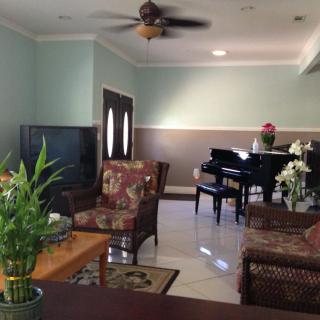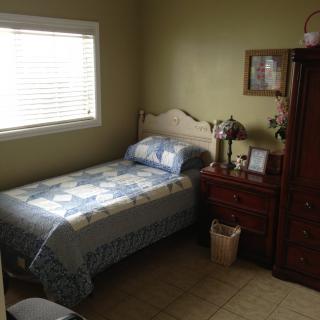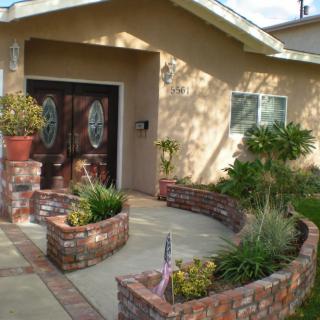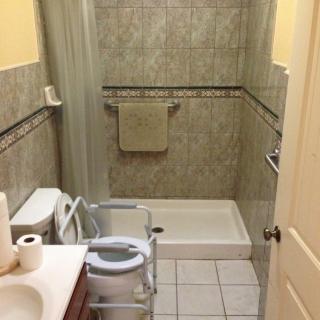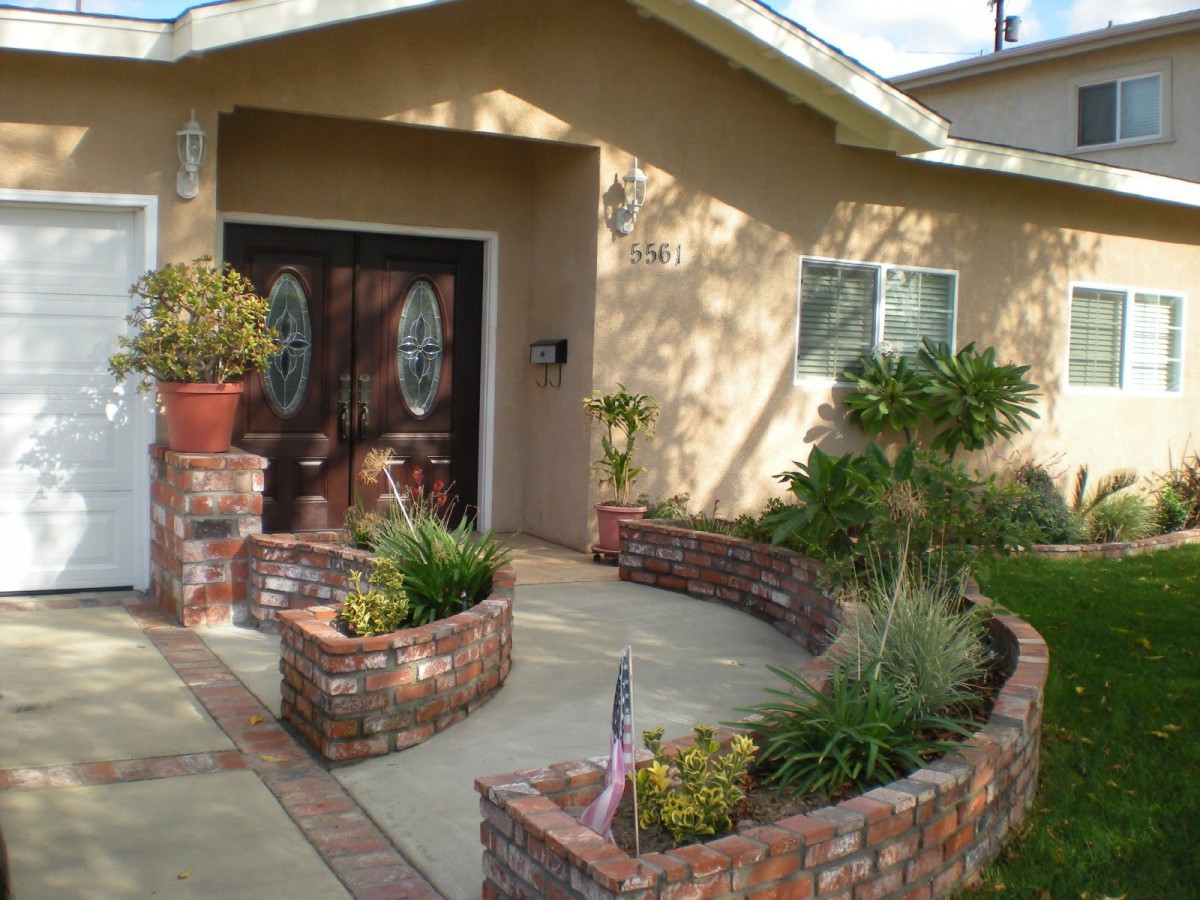
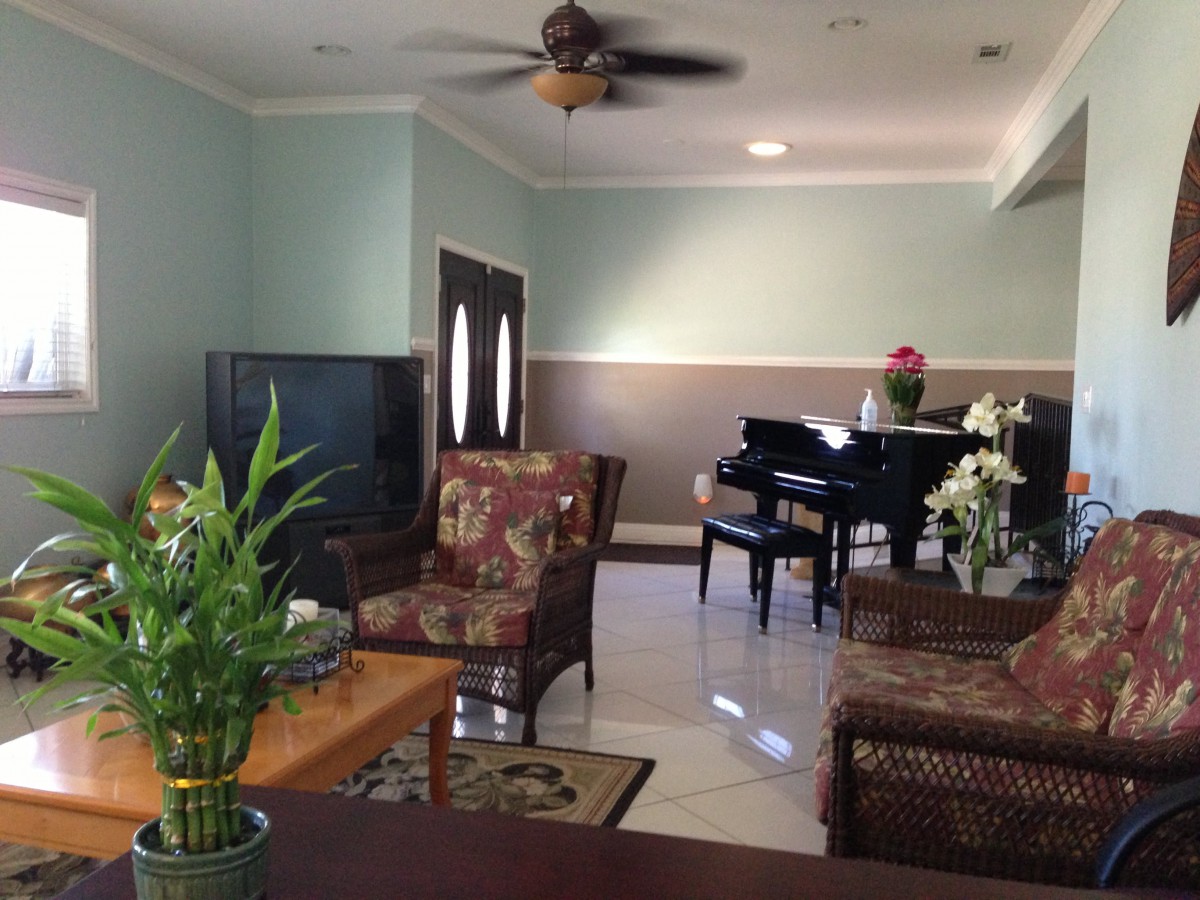
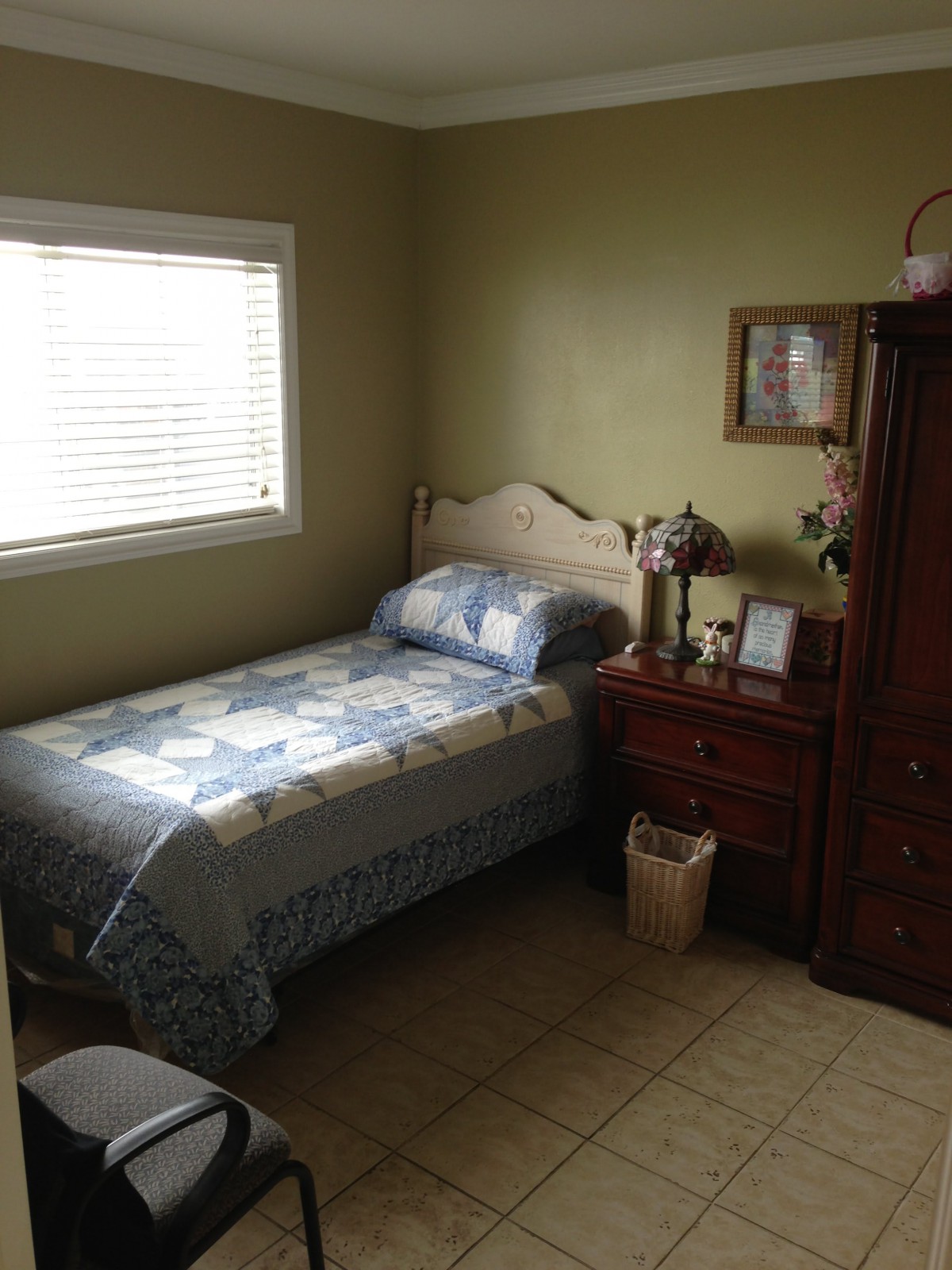
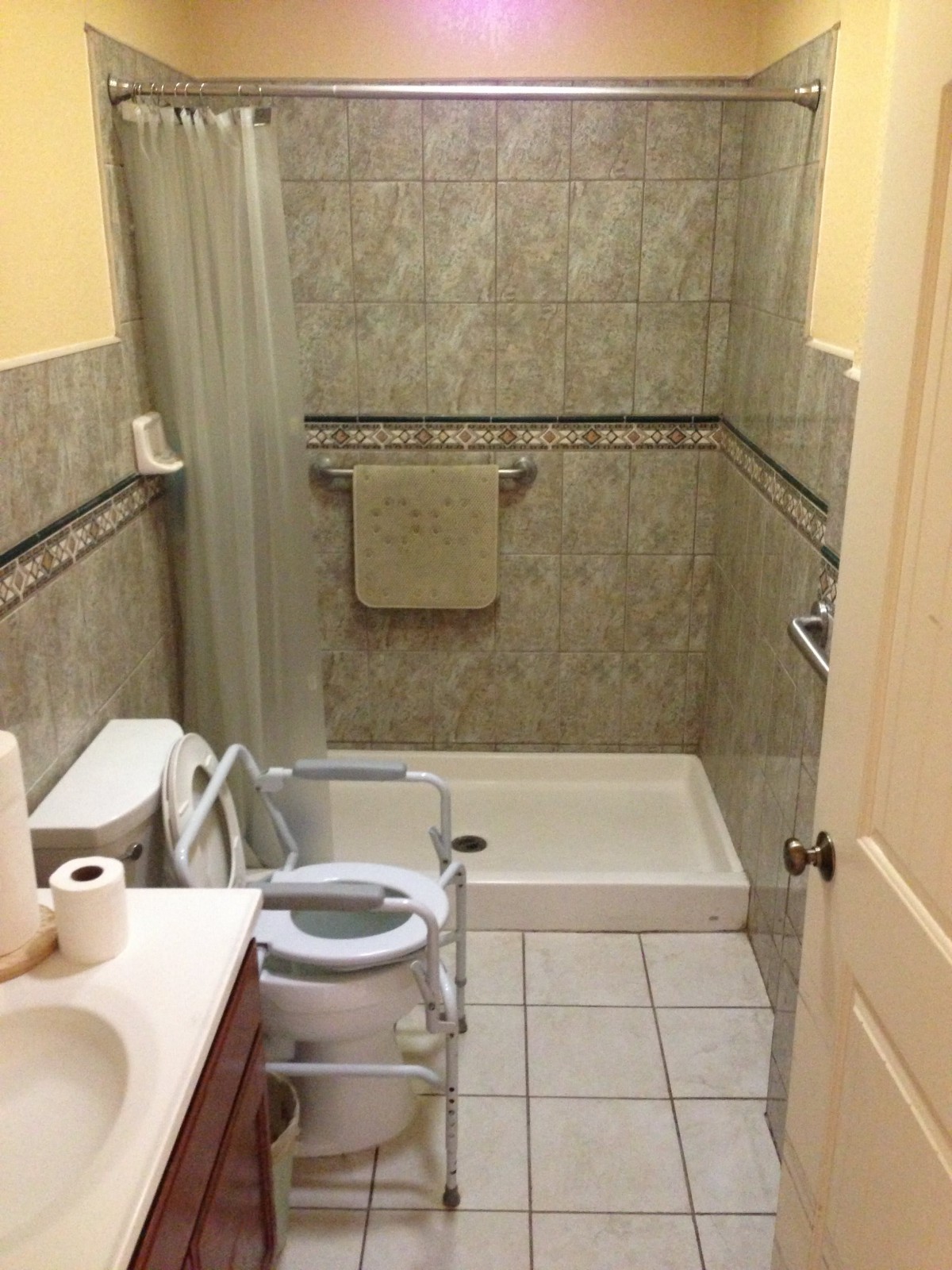
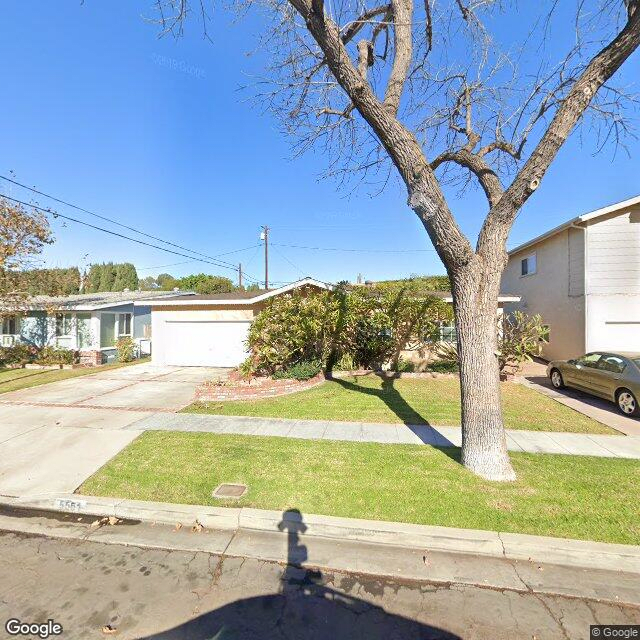
5561 E Vernon Street, Long Beach, CA 90815
To contact a resident: (562) 342-6145
For more information about senior living options: (866) 208-4318
Living Well Care Home Costs & Pricing
Living Well Care Home offers competitive pricing in comparison to the broader market of Los Angeles County and the state of California. For semi-private accommodations, residents pay $2,400 per month, which is significantly lower than the county average of $3,349 and the state average of $3,333. Similarly, for private rooms, Living Well's monthly rate stands at $3,200, compared to Los Angeles County's average of $4,197 and California's statewide average of $3,939. These favorable rates not only provide affordability but also reflect a commitment to accessible care while maintaining a quality living environment for residents.
| Floor plans | Living Well Care Home | Los Angeles County | California |
|---|---|---|---|
| Semi-Private | $2,400 | $3,349 | $3,333 |
| Private | $3,200 | $4,197 | $3,939 |
Memory care communities with a similar price nearby
-
from +$400 / mo
Candlewood Care Home III
$2,800 to $3,400 / month18.8 miles away -
from +$400 / mo
Leah Loving Elderly Care
$2,800 to $3,000 / month12.0 miles away -
from -$400 / mo
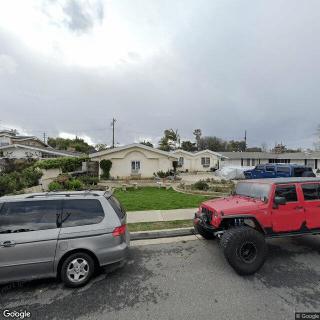
John Villa's Home Care
$2,000 to $3,000 / month15.5 miles away -
from +$300 / mo
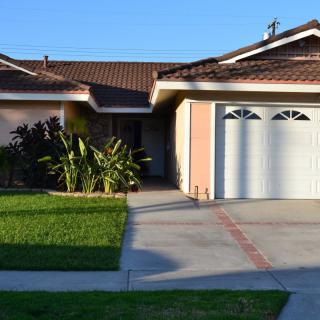
Loving Care Senior Home
$2,700 to $3,500 / month11.8 miles away -
from -$100 / mo
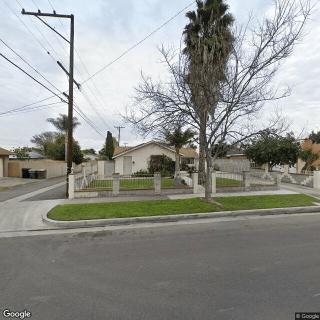
Bronwyn Residential Care
$2,300 to $3,500 / month7.9 miles away
Overall Review of Living Well Care Home
Pros
 The staff at Living Well Home Care are professional, kind, and supportive.
- They provide excellent, compassionate care and respond quickly to needs.
- Jessica T. is an outstanding asset, an excellent communicator, and goes above and beyond.
- The team feels like family, easing the burden for families and fitting loved ones’ needs.
- Living Well is dependable and well-trained, with strong communication about coverage.
- Their care brings comfort and peace of mind to families.
Review
Living Well Care Home in Long Beach is best suited for families seeking dependable, at-home caregiving where the senior remains in familiar surroundings while a tightly coordinated team provides daily assistance, medical-related support, and emotional comfort. The reviews portray a workforce that is consistently professional, patient, and kind, with leadership that educates families on the next steps and answers questions promptly. Dementia-capable care is a clear strength, with caregivers who adapt to challenging days and maintain calm, dignity-centered routines. A case-management approach, often led by Jessica T., creates continuity, ensures coverage when regular caregivers are unavailable, and serves as a reliable liaison between families, medical professionals, and frontline caregivers. This combination makes it a pragmatic choice for ongoing home-based care.
For families seeking a traditional, campus-style senior living environment, this option may not be ideal. If the goal is a built-in social calendar, meals on-site, and 24/7 on-site nursing oversight within a single community, an assisted living or memory-care facility could be a better fit. Those who want a broader suite of on-site therapies, transportation to activities, and a more structured social ecosystem should consider facility-based options. The home-care model shines in intimacy and flexibility, but it does not replace the amenities and centralized medical infrastructure a dedicated community can provide.
The strongest pros, exceptional caregiver quality, reliable leadership access, and proactive, compassionate communication, largely offset the lack of a fixed, on-site campus. Continuity of care stands out: caregivers who know the client well paired with Jessica’s case-management oversight minimize miscommunication and ease transitions between services. Dementia training and day-to-day problem-solving abilities translate into steadier routines and fewer spikes in confusion or agitation. The ability to manage complex daily tasks within the home setting preserves dignity and autonomy, which can be far more comforting for many seniors than relocation to a facility. Still, the trade-off is clear: the environment remains home-centered rather than facility-centered, which may feel limiting to families seeking a more comprehensive clinical footprint.
Several reviews emphasize the human element as the defining advantage. Caregivers are described as family-like partners who blend grace, humor, and competence, becoming trusted extensions of the family unit. The leadership, Donata and the care team, consistently demonstrates availability and a willingness to educate families about evolving needs. Communication about care coverage is repeatedly labeled exceptional, with Jessica-T. cited as a particularly valuable asset, responsive, knowledgeable, and capable of steering multiple moving parts, from daily tasks to medical coordination. In dementia care, the staff’s education and sensitivity translate into meaningful engagement and safer, more comfortable days for the senior.
Families planning next steps should start with a formal care assessment that highlights cognitive and physical needs, followed by a concrete care plan anchored by a named case manager. It is essential to confirm backup staffing, scheduling norms, and escalation procedures for illness or holidays, ensuring a seamless experience even when typical caregivers are unavailable. It helps to delineate exactly which services are included at home, medication management, mobility assistance, and therapy sessions, and to discuss how transitions might unfold if needs shift toward more intensive on-site medical oversight. Establish a forward-looking plan that can adapt to evolving needs, including potential transitions to a facility if the situation warrants it.
Overall, Living Well Care Home stands out as a premier home-care partner in Long Beach, delivering compassionate, professional, and highly coordinated support that preserves independence and family involvement. For families prioritizing a home-based setting with an unusually responsive team and dementia-capable care, this option is exceptionally strong. Those who require the security of 24/7 on-site nursing, a full social milieu, or formal memory-care programming should explore alternative assisted-living paths. The decisive value lies in staff reliability, proactive communication, and a case-manager-driven framework that reduces caregiving burdens while sustaining dignity, connection, and everyday quality of life for a loved one.
 Board and Care Home
 Memory Care
 Activities off-site
 Indoor common areas
 Outdoor common areas
 Private
 Wheelchair accessible showers
 Long Beach (Daugherty) (2 miles away)
 Ambulatory care
 High acuity care
 Incontinence care
 Medication management
 Meals provided
 Christian services
 Estimating the Expenses of At-Home Dementia Care: A Detailed Exploration
 Comprehensive Insights on the Late Stages of Dementia: What to Expect and How to Provide Care
 Medications Associated with Dementia Risk: A Comprehensive Overview