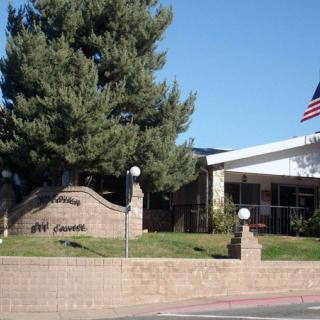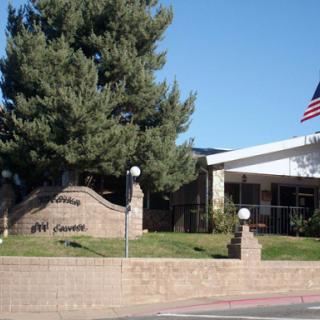


811 Court St, Jackson, CA 95642
To contact a resident: (209) 223-2231
For more information about senior living options: (866) 208-4318
Overall Review of Kit Carson Nursing and Rehabilitation Center
Pros
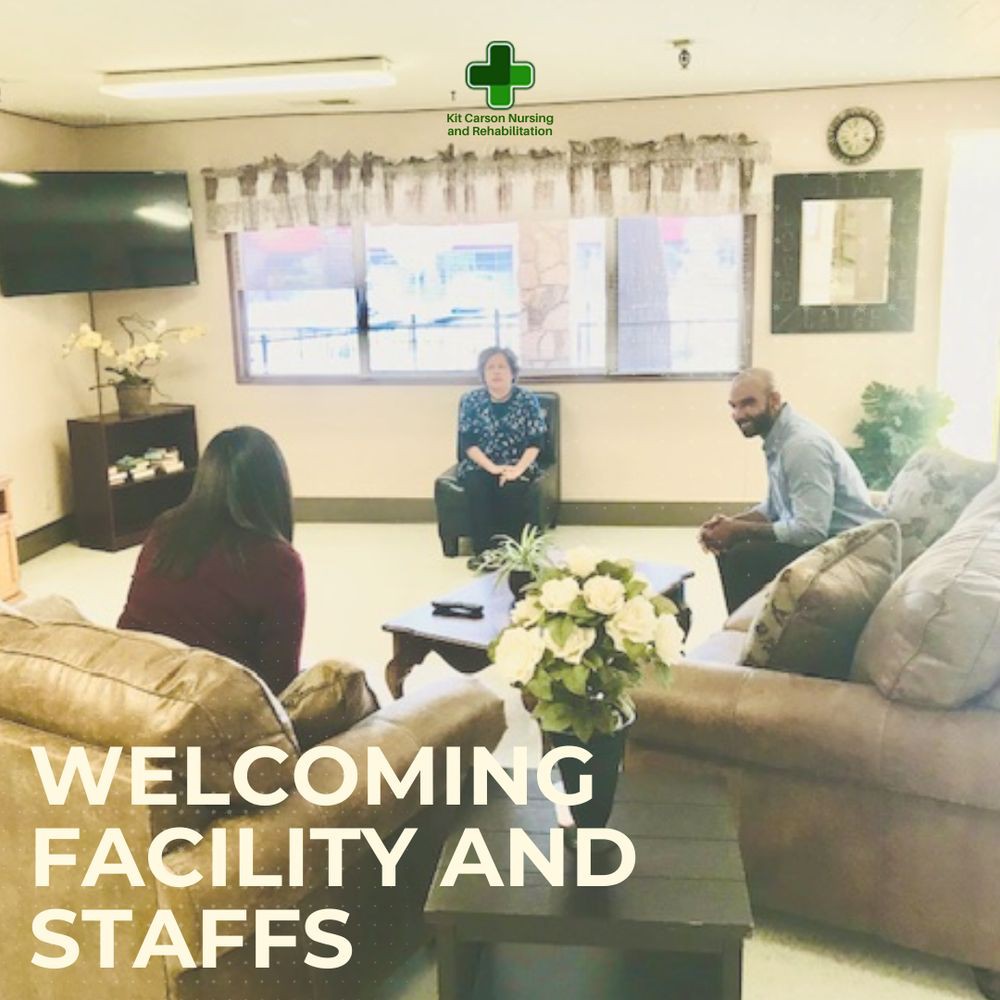
 The staff here is excellent.
- Excellent care, kind nursing staff & helpers, overall good experience.
- My sister was in Kit Carson Nursing & Rehab before she passed; she loved it.
- They had very good activities.
- The food was pretty good, and she enjoyed most of the food.
- All the ladies in there were awesome and the games they had for them.
Cons
 The facility is a lousy place where no one answers the only phone number for families to connect with loved ones.
- The staff is neglectful and hard to reach; basic needs can take over an hour and a half to be met.
- The facility discontinued a resident's heart medication without proper authorization, contributing to a stroke.
- They did not take the resident to kidney doctor appointments for months.
- They called the cops and claimed the power of attorney was kidnapping the resident, showing extreme mismanagement.
- Belongings were lost during a room move.
- The place is filthy and the nurse was unprofessional.
- Kit Carson should be shut down.
Review
Kit Carson Nursing and Rehabilitation Center in Jackson, California is best suited for families that can tolerate an older, smaller facility and need skilled nursing or short-term rehab with close, hands-on oversight. The community appears workable for residents whose loved ones are prepared to supervise daily needs, advocate for medications and therapy, and monitor communication and care plans. It can serve as a practical option when cost-conscious consideration aligns with a willingness to frequent the building, verify orders, and stay engaged in every step of the recovery or long-term care process.
That said, strongly consider alternatives if reliable communication and consistent administration are non-negotiables. Several reviews describe difficulty reaching staff, incomplete or delayed responses to simple requests, and a system that seems to resist timely updates. When family members cannot quickly connect with caregivers or administrators, serious concerns about medication management, discharge status, and appointment coordination arise. For families valuing transparent, proactive management and predictable daily routines, this facility may fall short and other communities should be explored.
On the upside, there are credible accounts of dedicated, compassionate staff and meaningful activity programs. A reviewer with decades of experience notes real and noticeable improvements in resident and staff morale, suggesting the potential for genuine care when the facility is functioning well. Others commend attentive nurses and positive experiences with skilled rehabilitation services, and some families report satisfying moments with activities and food. These positives indicate that the center can deliver solid care under the right circumstances and with consistent staffing.
The most troubling threads run through several reviews: medication management failures, abrupt or unexplained changes in treatment, and documented breakdowns in basic communication. Accounts describe medicines being discontinued or mishandled without clear physician authorization, challenges in confirming orders, and even situations where staff could not be reached for days. Other red flags include aging facilities that feel dirty or disorganized, loss of patient belongings during transitions, and severe friction with authorities when family members intervene. Taken together, these themes point to a recurring risk that can overshadow any potential gains from decent daily activities or agreeable food.
In weighing pros and cons, the protective factors offered by enthusiastic staff and rehabilitative services never fully offset the high-stakes risks identified in the negative reports. A facility’s value hinges on safety, timely communication, and reliable medication administration, areas where Kit Carson’s reviews show frequent gaps. For families who cannot commit to vigilant, daily oversight or who need assurances of consistent, error-free care, seeking an alternative will likely yield a calmer, more predictable experience for a loved one.
Actionable guidance follows from these realities: visit multiple times at different hours to assess how staff respond in real time, request a written care plan and medication schedule, and insist on direct contact with a trusted nurse or supervisor. Ask for details on med administration procedures, incident reporting, and the process for addressing concerns raised by families. If accessibility to staff remains unreliable, if calls go unanswered during critical moments, or if cleanliness and organization feel consistently low, prioritize alternatives with stronger governance, transparent communication, and steadier medication management to protect health and peace of mind.
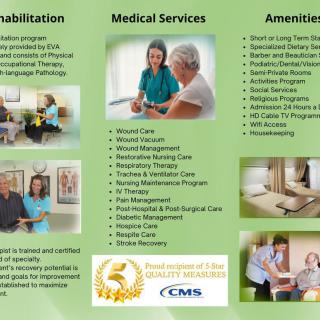
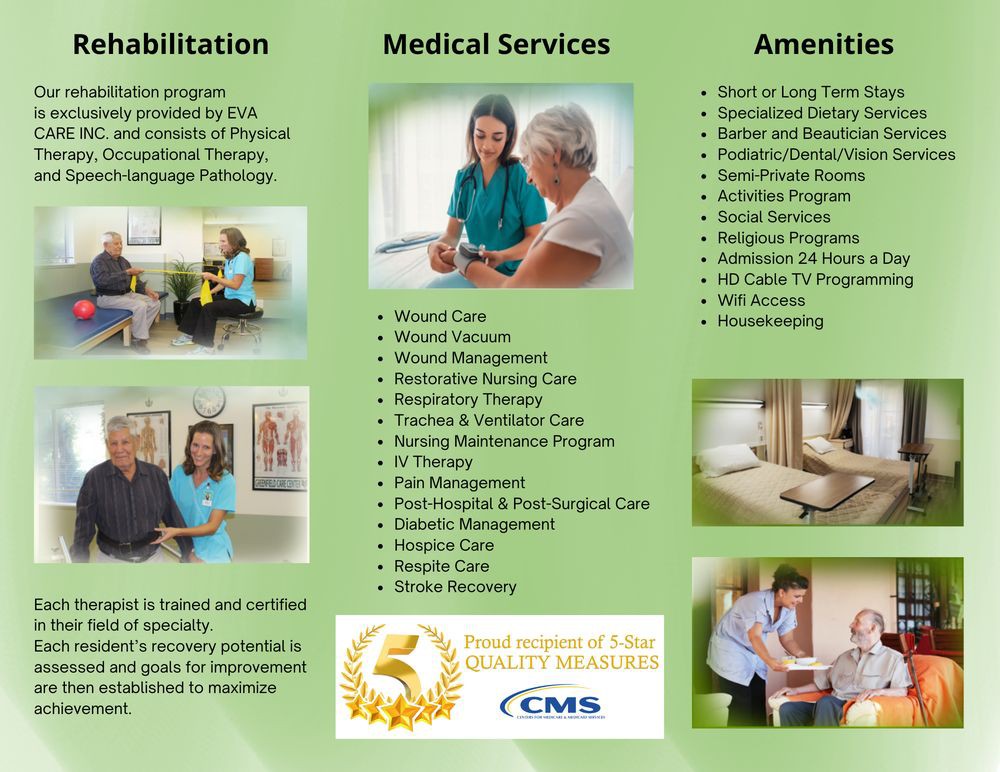
 199 resident community capacity
 Memory Care
 Skilled Nursing Facility
 Air-conditioning
 Beauty salon
 Cable or satellite TV
 Computer center
 Dining room
 Fitness room
 Fully furnished
 Gaming room
 Garden
 Housekeeping services
 Kitchenette
 Move-in coordination
 Outdoor space
 Private bathrooms
 Restaurant-style dining
 Small library
 Telephone
 Wellness center
 Wi-Fi/high-speed internet available
 Community operated transportation
 12-16 hour nursing
 24-hour call system
 Activities of daily living assistance
 Assistance with bathing
 Assistance with dressing
 Assistance with transfers
 Diabetes diet
 Medication management
 Mental wellness program
 Special dietary restrictions
 Concierge services
 Planned day trips





 Engaging Memory Care Activities That Enhance Quality of Life
 When to Transition from Assisted Living to Memory Care: Key Indicators, Steps, and Finding the Right Community
 Understanding the Distinctions: Assisted Living and Memory Care Explained