
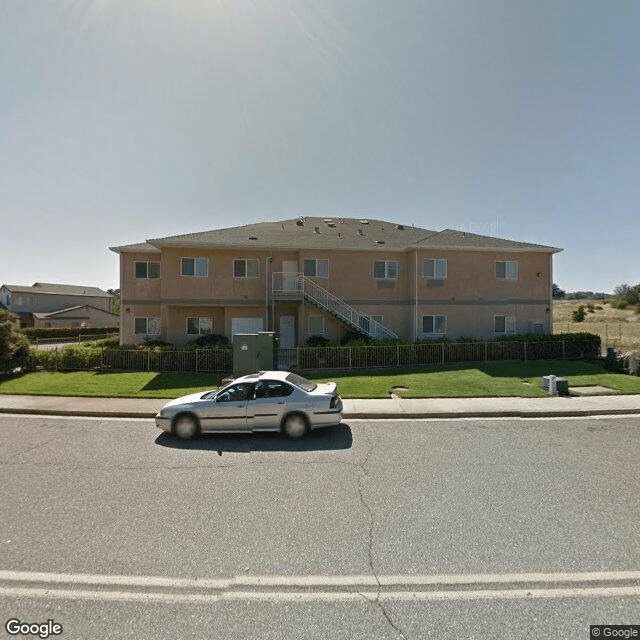
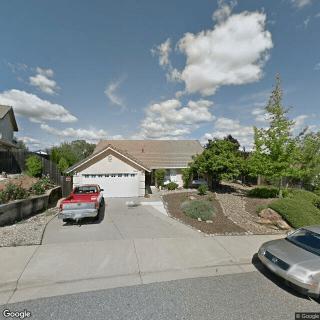
185 Placer Drive, Jackson, CA 95642
For more information about senior living options: (866) 208-4318
Overall Review of Jackson Gardens
Pros
 Residents stay for a long time at Jackson Gardens and look very happy.
- The resident receives the best care and love, with staff support described as over and beyond.
- The staff's support is highlighted as over and beyond.
Cons
 Not all staff were friendly.
- One nurse was oblivious to what was going on.
- It took a long time to answer the call button during a crisis.
- The family was very upset that it took so long to help his breathing.
- He died.
Review
Jackson Gardens in Jackson, CA is best suited for families seeking a close-knit, stable community where residents tend to stay long and caregivers develop genuine, ongoing relationships. The strongest fit is for seniors who value continuity: familiar faces, predictable daily rhythms, and a warm, home-like atmosphere that supports social connection and a sense of belonging. The facility also holds appeal for families facing dementia or end-of-life care decisions, where staff willingness to address difficult topics with empathy and to provide steady, compassionate support can make a meaningful difference. This is not primarily a high-intensity medical setting; it is a place where everyday care, companionship, and personal attention are the core strengths.
Those considering alternatives should focus on facilities that consistently demonstrate brisk emergency responsiveness and uniformly friendly staffing across all shifts. While Jackson Gardens earns praise for care that feels attentive and personal, a reported lapse in crisis response, especially at night, suggests a potential mismatch for families who require near-guaranteed immediacy in medical emergencies or highly structured 24/7 nursing oversight. For residents who have frequent respiratory issues or complex medical needs, exploring options with higher nurse-to-resident ratios or guaranteed on-site medical supervision may be prudent. In short, it’s a strong choice for comfort and continuity, not a substitute for top-tier acute medical coverage.
The positive force in Jackson Gardens lies in its long-tenured resident base and the perceived happiness in the community, which signals trust and stability. Families note that caregivers often go beyond basic expectations, delivering care and emotional support that feels personal and sustained. The facility’s approach to dementia and end-of-life care is highlighted as thoughtful and attentive, with staff willing to engage families in difficult conversations and daily rhythms that honor the resident’s dignity. These strengths can offset smaller inconsistencies in day-to-day interactions, especially when families prioritize a steady, relationship-driven environment over clinical pace or hospital-grade responsiveness.
Yet the most serious red flag centers on a specific incident where crisis needs were not met promptly, culminating in a death. That kind of lapse is devastating and cannot be dismissed. It raises legitimate questions about call-button reliability, night-time staffing, and the systems in place to escalate urgent medical concerns without delay. The takeaway is not to condemn the entire community on one event, but to insist on concrete assurances: staffing coverage at night, real-time monitoring, robust escalation protocols, and transparent reporting of any safety incidents. Without clear improvements in those areas, this risk remains a meaningful consideration for families.
To move from concern to confidence, prospective residents should enter with a focused checklist. Seek current staffing metrics: how many RNs and LPNs per shift, what the night coverage looks like, and whether on-site medical oversight is guaranteed. Ask for specifics on dementia training, end-of-life protocols, and how families are kept informed during emergencies. Observe the responsiveness during a tour, how quickly staff acknowledge a call and how they communicate changes in a resident’s condition. Request copies of recent incident reports and assurances about process improvements. These conversations reveal whether the positives can be sustained alongside a proven, rapid response culture.
Bottom line: Jackson Gardens offers a compelling package for families who prize community, continuity, and compassionate, person-centered care, especially for residents living with dementia or facing end-of-life decisions. The notable strength is a stable, engaged atmosphere where residents look well cared-for and caregivers demonstrate genuine dedication. The significant caveat is the risk of delayed emergency response, which a family must weigh against the value of daily comfort and relationship-based care. If a rapid, always-on medical safety net is non-negotiable, it warrants comparison with alternatives that emphasize stronger staffing models and guaranteed crisis management. For those who can tolerate that trade-off, Jackson Gardens remains a practical, experienced choice grounded in warmth and steadiness.
 30 resident community capacity
 Assisted Living
 Memory Care
 Activities on-site
 Beauty salon
 Cable or satellite TV
 Devotional services off-site
 Dining room
 Fully furnished
 Garden
 Housekeeping services
 Indoor common areas
 Kitchenette
 Move-in coordination
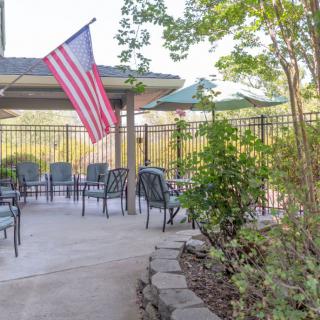
 Outdoor space
 Restaurant-style dining
 Small library
 Telephone
 Wi-Fi/high-speed internet available
 24-hour call system
 Ambulatory care
 Assistance with bathing
 Assistance with dressing
 Assistance with transfers
 Diabetes diet
 Diabetic care
 Medication management
 Mental wellness program
 Special dietary restrictions




 Medications Associated with Dementia Risk: A Comprehensive Overview
 Guiding Your Journey: Understanding Power of Attorney for Elderly Parents
 22 Remarkable Caregiver Support Groups Available Online and In-Person