
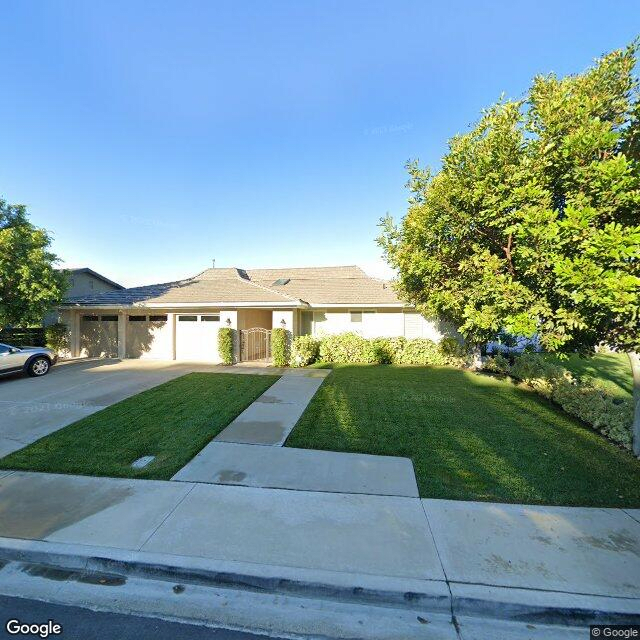
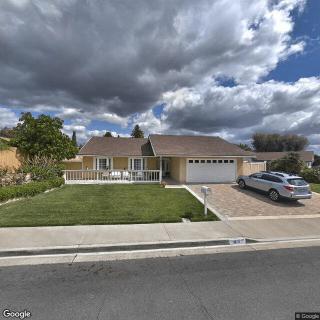
19011 Edington Terrace, Irvine, CA 92603
To contact a resident: (949) 233-4666
For more information about senior living options: (866) 208-4318
Exclusive Eldercare, Inc Costs & Pricing
Exclusive Eldercare, Inc. offers competitive pricing for its residential care options compared to the broader market in Orange County and across California. For a semi-private room, the cost at Exclusive Eldercare is $3,500 per month, which is slightly above the county average of $3,431 but remains higher than the state average of $3,333. Both one-bedroom and private room accommodations are priced at $4,500 monthly; this places Exclusive Eldercare right in line with Orange County's rates of $4,380 and significantly above California's statewide average of $4,340 for one-bedroom units. However, when considering private rooms, Exclusive Eldercare stands out as more expensive than both local ($4,104) and state averages ($3,939). Overall, while Exclusive Eldercare may have higher costs in certain categories, it reflects the premium quality of care and services that residents receive within their facilities.
| Floor plans | Exclusive Eldercare, Inc | Orange County | California |
|---|---|---|---|
| Semi-Private | $3,500 | $3,431 | $3,333 |
| 1 Bedroom | $4,500 | $4,380 | $4,340 |
| Private | $4,500 | $4,104 | $3,939 |
Memory care communities with a similar price nearby
-
from +$495 / mo

Cadence Brea
$3,995 to $5,500 / month19.4 miles away -
About the same
Comfort Keepers Home Care
$3,500 to $6,500 / month20.7 miles away -
from -$650 / mo
Alternative Senior Care - Freshwater
$2,850 to $3,250 / month11.9 miles away -
from -$500 / mo
Best Elderly Care I
$3,000 to $3,500 / month11.5 miles away -
from +$500 / mo
Active Senior Home Care
$4,000 to $5,000 / month9.1 miles away
Overall Review of Exclusive Eldercare, Inc
Pros
 The facility is top-notch.
Cons
 The business does not operate out of this location.
- It is a personal residence.
- The reviewers doubted whether the residents were social enough for Mom.
Review
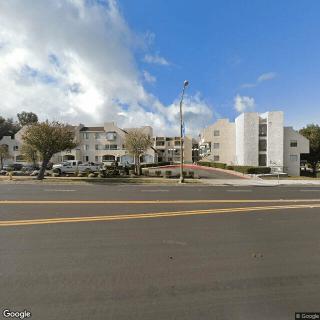
Exclusive Eldercare, Inc. in Irvine appears best suited for families prioritizing a high-quality, home-like living environment where care can feel personalized and unobtrusive, rather than a large, institution-style campus. This option may fit seniors who do not need intensive medical oversight and who value a private residence atmosphere over a traditional assisted living setting. It suits those comfortable with a smaller-scale operation and willing to accept a less conventional care arrangement in exchange for a premium feel and attentive, person-centered attention.
Yet, clear caveats emerge for families weighing alternatives. If the priority is formal licensing, robust regulatory oversight, and comprehensive on-site medical support, more conventional assisted living communities should be considered. For individuals who want broad social programming, structured daily activities with a larger community, or dependable, transparent staffing at all times, options with explicit licensing and longer track records are preferable. Those who want reassurance that all necessary safety, emergency protocols, and caregiver qualifications are consistently documented will naturally lean toward facilities with verifiable licensure and clear public metrics.
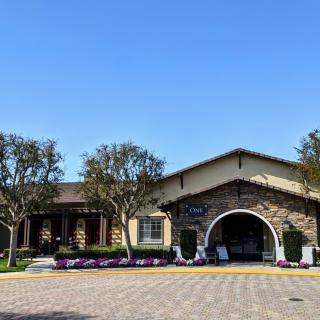
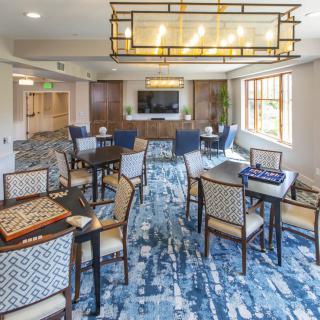
The strongest pro in favor of Exclusive Eldercare is the evident quality of the physical environment. A “top-notch facility” can translate into well-maintained living spaces, accessible amenities, and a calm, comfortable setting that supports dignity and independence. In a home-like setting, residents may experience less of the clinical, impersonal feel that sometimes accompanies larger campuses. This can enhance comfort, reduce anxiety around transitions, and foster a sense of belonging when staff know residents well and can tailor routines. The intimate scale of a personal residence can also yield highly individualized attention, with staff or caregivers able to respond quickly to subtle changes in mood or functioning.
However, the main drawbacks are substantive enough to offset those advantages for many families. The assertion that “This business does not operate out of this location. This is a personal residence” raises legitimate concerns about licensing, regulatory compliance, and the availability of round-the-clock professional care. Without verified licensure and a transparent operating framework, questions linger about safety, medication management, emergency protocols, and the consistency of caregiving teams. In short, the premium feel risks becoming a liability if oversight and accountability are not clearly established and publicly accessible.
Another important constraint is the social dimension for residents. One reviewer noted uncertainty about whether the other residents would be socially compatible or sufficiently engaged for Mom. Small, private residences can offer warmth and individualized attention, but they can also limit social variety and structured activities, leading to potential isolation if family routines are not supplemented with meaningful community opportunities. For some seniors, especially those who thrive on regular interaction, this could be a decisive reason to pursue alternatives with larger, more active social calendars and peer networks.
Practical next steps anchor the decision process. Prospective families should demand complete licensing information, including the exact entity name under which care is provided, the license type, and any applicable certifications. Request a detailed staffing plan, including caregiver-to-resident ratios, on-site coverage hours, and credentials of caregivers. Insist on a written policy for safety, emergency response, medication management, and incident reporting, plus references from current or recent residents and families. Schedule a visit that includes time with the caregiver team, a tour of the space, a review of sample daily schedules, and, crucially, a transparent contract that clarifies what services are included, what costs are incurred, and how transitions or terminations are handled.
In summary, Exclusive Eldercare, Inc. offers a polished, home-flavored environment that can deliver attentive, personalized care for seniors who do not require intensive medical support and who can accept a less conventional regulatory framework. For families prioritizing formal licensing, broad social programming, and ironclad safety assurances, alternatives with clear accreditation and larger care communities are advisable. If the path pursued centers on authentic home-like comfort and highly individualized attention, with rigorous verification of licensure and safety, this option deserves serious consideration. Absent those assurances, a move to a more traditional, fully licensed assisted living may represent a more prudent long-term choice.
 Board and Care Home
 Memory Care
 Private
 Private bathrooms
 John Wayne Orange Co (4 miles away)
 Ambulatory care
 Diabetic care
 High acuity care

 When Dementia Sparks Anger and Aggression: Understanding the Connection and Ways to Cope
 Dementia Behaviors: In-Depth Understanding and Effective Coping Strategies
 5 Early Indicators of Dementia and What You Can Do