
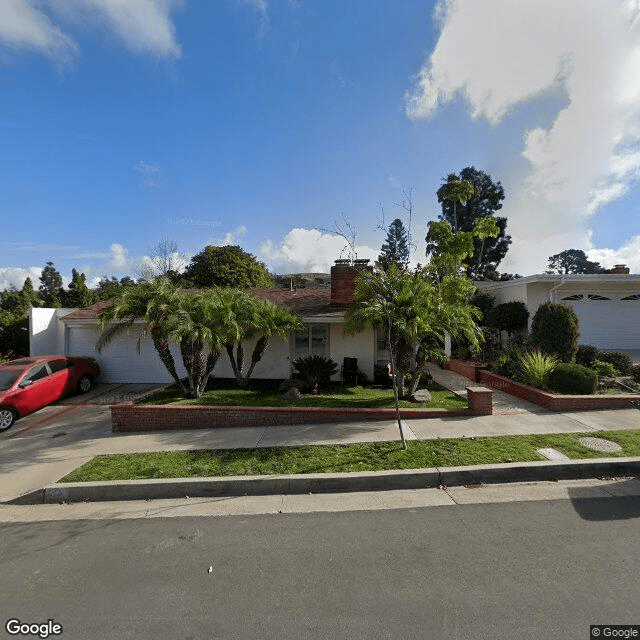
41 Bethany Dr., Irvine, CA 92603
To contact a resident: (949) 856-9140
For more information about senior living options: (866) 208-4318
Elysian Care Home II Costs & Pricing
Elysian Care Home II offers competitive pricing for its residential care services, with monthly costs designed to be accessible while maintaining a high standard of care. For semi-private rooms, residents are charged $3,200, which is notably lower than the average rates in Orange County ($3,431) and across California ($3,333). Private rooms are available for $3,800 at Elysian Care Home II, again presenting a more affordable option compared to the county average of $4,104 and the state average of $3,939. Additionally, the cost for a one-bedroom unit remains at $3,800, significantly under the county's rate of $4,380 and also less than California's statewide average of $4,340. These figures illustrate Elysian Care Home II's commitment to providing quality care at a reasonable price within an increasingly competitive market.
| Floor plans | Elysian Care Home II | Orange County | California |
|---|---|---|---|
| Semi-Private | $3,200 | $3,431 | $3,333 |
| 1 Bedroom | $3,800 | $4,380 | $4,340 |
| Private | $3,800 | $4,104 | $3,939 |
Memory care communities with a similar price nearby
-
from -$400 / mo
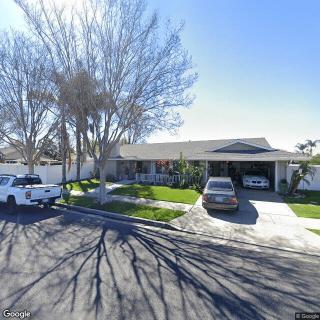
Candlewood Care Home III
$2,800 to $3,400 / month7.2 miles away -
from -$400 / mo
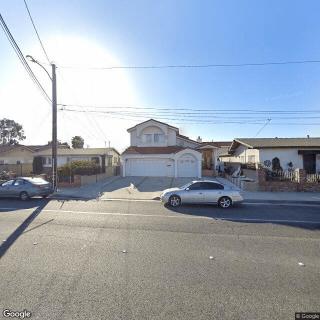
Leah Loving Elderly Care
$2,800 to $3,000 / month8.8 miles away -
from -$500 / mo
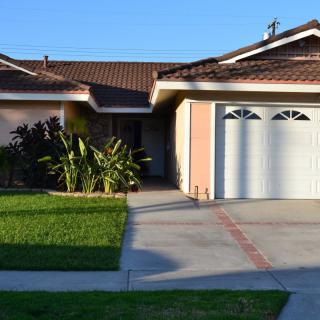
Loving Care Senior Home
$2,700 to $3,500 / month9.1 miles away -
from +$300 / mo
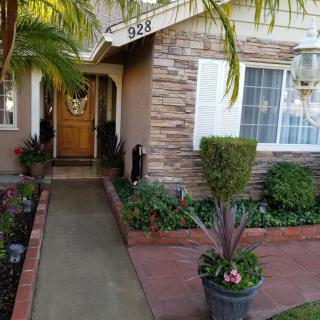
Comfort Keepers Home Care
$3,500 to $6,500 / month20.9 miles away -
from -$350 / mo
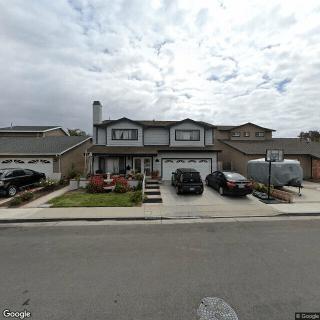
Alternative Senior Care - Freshwater
$2,850 to $3,250 / month11.9 miles away
Overall Review of Elysian Care Home II
Cons
 The reviewer notes that no pictures or real information are available through this search.
- The reviewer finds the results disappointing due to the absence of pictures or real information.
- The reviewer suggests that accessing the website would require a separate, self-directed search, indicating the current search is of little use.
Review
Elysian Care Home II in Irvine, CA is best suited for families that value privacy and are prepared to verify quality through firsthand experience rather than rely on public marketing or glossy listings. In a market full of options, this community functions as a low-profile, due-diligence-heavy choice where the onus falls on prospective residents and families to assess daily life, staffing, and care quality the old-fashioned way, through tours, conversations with staff, and on-site observation. For those seeking a straightforward, fully transparent profile published online, this facility will test patience more than reassure. The practical reality is that the lack of public detail invites a cautious entry, with value derived only if the visit uncovers reliable strengths.
Those who prioritize transparency, external validation, and clearly published benchmarks should consider alternatives first. A single, middling rating combined with sparse public information offers little guidance about standards of care, staffing stability, or programming depth. Families that require documented evidence, such as recent survey results, licensure specifics, caregiver qualifications, or a detailed activity calendar, will likely conclude that other nearby communities present a safer first look. If the decision hinges on verifiable credentials and easily comparable data, expanding the search beyond this address is prudent.
The limited data available do not reveal robust advantages that reliably offset the conspicuous information gaps. A 3-star rating from one review signals only middling satisfaction, yet there are no substantive descriptions of caregiving quality, safety practices, or daily routines to justify that score. The potential benefits, such as tailored attention, dependable caregiver assignments, or meaningful resident engagement, remain speculative without concrete, publicly shared evidence. In practice, the main risk is uncertainty about how care unfolds day to day, while any offset depends entirely on what is learned during an on-site encounter rather than what is advertised.
From a practical standpoint, due diligence should begin with a structured on-site assessment. Demand current licensing verification and ask about caregiver-to-resident ratios, both by shift and across weekends. Request sample menus, activity calendars, and transportation policies to gauge daily life and autonomy support. Probe how memory or cognitive needs are managed, what levels of care are supported on-site, and how escalating needs are handled financially and contractually. Engage directly with current residents and their families during tours, observe staff interactions, and assess cleanliness, safety features, and overall atmosphere. A transparent operator will provide documents, answer pointed questions, and invite scrutiny without hedging.
If the tour yields convincing signals, observed staff warmth, consistent engagement, visible safety diligence, and a palpable sense of community, the case for consideration strengthens. Yet even then, the decision should be anchored in documented processes: a clear, written care plan with measurable goals, regular progress reviews, and explicit triggers for changes in care level. Financial clarity matters at least as much as care quality: reveal all inclusive rates, ancillary charges, and policies for rate increases or changes in resident needs. When these elements align with expectations and budget, the option becomes credible; if not, the search should continue with renewed focus on transparency and verifiable performance.
In the end, the combination of scant public detail and a solitary review argues for cautious engagement rather than confident recommendation. Elysian Care Home II may prove suitable for families willing to verify every claim through deliberate on-site exploration, but for those who demand transparent, independently verifiable information, alternatives with richer public profiles are a safer initial focus. The disciplined path is to schedule a thorough visit, prepare a precise set of inquiries, and establish a concrete decision deadline. Until a robust information trail exists, this community remains a conditional option rather than a clear recommendation.
 Board and Care Home
 Memory Care
 Private
 Respite or short term stays offered
 John Wayne Orange Co (4 miles away)
 Small, intimate setting with personalized care and comprehensive services (diabetes diet, medication management, and transportation to appointments).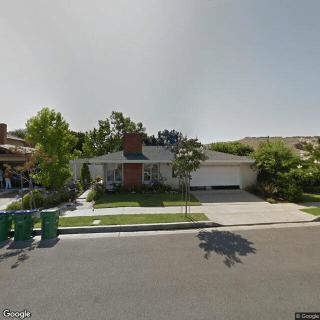
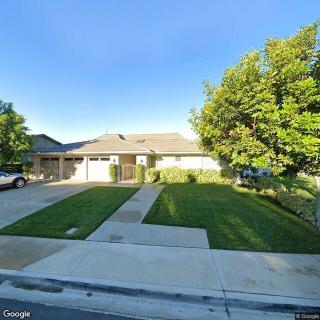


 5 Early Indicators of Dementia and What You Can Do
 8 Important Indicators That Memory Care May Be Necessary
 Delving into the Inner World of Dementia: Insights into Thoughts and Awareness