
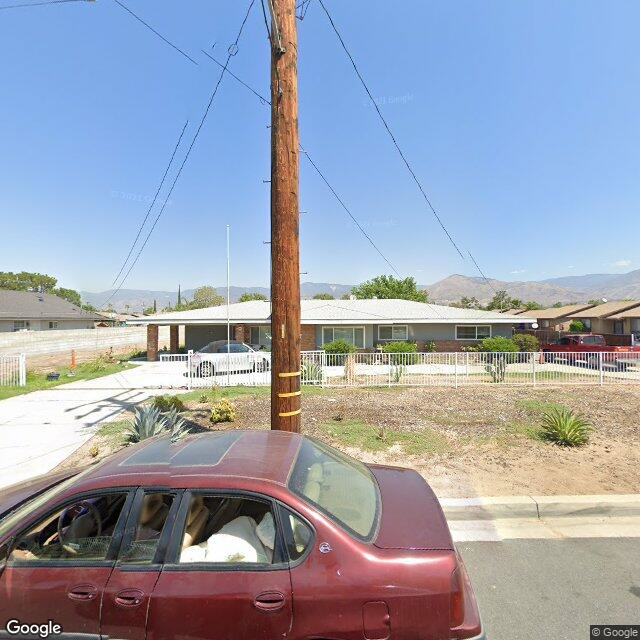
26320 Cypress St, Highland, CA 92346
To contact a resident: (909) 434-4299
For more information about senior living options: (866) 208-4318
Cypress Gardens Community Care Costs & Pricing
Cypress Gardens Community Care offers competitive pricing for its residents, particularly when compared to the broader market in San Bernardino County and across California. For a semi-private room, Cypress Gardens charges $1,300 per month, significantly lower than the county average of $2,958 and the state average of $3,333. Similarly, their private rooms are priced at $2,200 each month, which remains more affordable than both the county's $3,561 and California's average of $3,939. This positioning not only makes Cypress Gardens an attractive option for families seeking quality care but also reflects a commitment to accessible senior living without compromising on service or comfort.
| Floor plans | Cypress Gardens Community Care | San Bernardino County | California |
|---|---|---|---|
| Semi-Private | $1,300 | $2,958 | $3,333 |
| Private | $2,200 | $3,561 | $3,939 |
Memory care communities with a similar price nearby
-
from +$200 / mo
Good Samaritan Elderly Home I
$1,500 / month11.4 miles away -
from +$200 / mo
Golden Guest Home III
$1,500 to $2,800 / month5.0 miles away -
from +$200 / mo
Eagle Vista Home Care
$1,500 to $2,200 / month15.1 miles away -
from -$150 / mo

Braswells Yucaipa Leisure Manor
$1,150 to $3,800 / month9.6 miles away -
from +$200 / mo

Good Shepherd Home Care
$1,500 to $7,398 / month18.6 miles away
Overall Review of Cypress Gardens Community Care
Pros
 They are very happy here.
- The home is very nice and very understanding.
- Everyone is very nice and very happy.
- They thank everyone there for helping them.
- They have no complaints about it.
Cons
 It is not a true place.
Review
Cypress Gardens Community Care in Highland, California is best suited for seniors who want a small, home-like setting where staff are approachable, patient, and genuinely invested in residents’ comfort. The community appears to cultivate a warm, neighborly atmosphere, with residents described as happy and well cared-for. Families prioritizing personal attention, easy access to caregivers, and a relaxed daily rhythm will likely find this environment a natural fit. The footprint suggested by the feedback points to an intimate residence where staff can know residents well and respond with a sense of calm familiarity rather than corporate efficiency.
However, potential residents should consider alternatives if consistent oversight, a clearly defined operating framework, or broader programming are non-negotiable. One reviewer labeled the place “Not a true place,” a cautionary note that signals the importance of verifying licenses, governance, and care standards before committing. For families needing robust medical support, specialized memory-care programming, or a larger community with a wider menu of activities, transportation options, and institutional transparency, Cypress Gardens may feel undersized or insufficient. In short, this option favors a particular style of care and lifestyle, not every senior’s requirements.
On the plus side, the strongest pro is the palpable warmth in daily interactions. Statements that the home is “very nice and very understanding” and that staff are “very happy” suggest care teams who communicate respectfully, listen attentively, and treat residents with dignity. When staff exhibit consistent kindness and residents respond positively, mood, engagement, and cooperation tend to improve, a meaningful contributor to quality of life in assisted living. The absence of noted complaints in the positive review further reinforces a sense of stability and satisfaction, a meaningful counterweight to the pressures common in smaller facilities.
Still, the most consequential con is the scarcity of independent, corroborating information. With only a handful of reviews and one pointed caveat about authenticity, families must scrutinize governance, licensing, and day-to-day operations beyond the surface impression. The pros, friendly staff, a welcoming home environment, and a cohesive community, only matter if verified policies and consistent care practices are in place. If governance and safety controls measure up to expectations, the warm, low-friction atmosphere becomes a decisive advantage; if not, the limited public feedback creates a risk that cannot be ignored.
Practical due-diligence steps should frame any investigative visit. Request a current care plan and a sample daily schedule to determine how supervision and activities align with specific needs. Inquire about staffing levels, after-hours availability, medication management, and emergency procedures. Observe during routine times to gauge interactions, safety features, meal quality, and activity offerings. Review the contract for what is included, any add-on fees, and terms around rate increases. Seek references from current residents or families beyond the posted testimonials, and verify licensing status with the state while asking to see recent inspection summaries. These checks will reveal whether Cypress Gardens’ warm impression can be sustained in practice.
In the final assessment, Cypress Gardens Community Care is a solid option for families prioritizing a warm, intimate, home-like setting and accessible, responsive staffing. It matches well with residents who thrive on personal attention and a cohesive community feel, where daily life centers on comfort, familiarity, and gentle support. For those who require more intensive medical oversight, a broader activity continuum, or stronger governance assurances, alternatives should be explored. The choice ultimately rests on aligning the home’s strengths, staff rapport, resident mood, and a peaceful environment, with the resident’s care needs and the family’s confidence in the facility’s transparency and ongoing quality controls.
 Board and Care Home
 Memory Care
 Private
 Ontario International (22 miles away)
 Christian services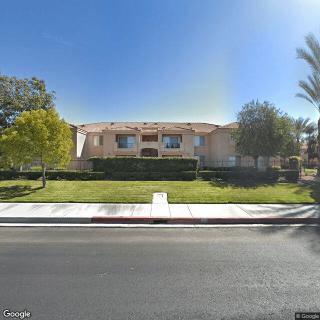



 Comprehensive Insights on the Late Stages of Dementia: What to Expect and How to Provide Care
 Medications Associated with Dementia Risk: A Comprehensive Overview
 Guiding Your Journey: Understanding Power of Attorney for Elderly Parents