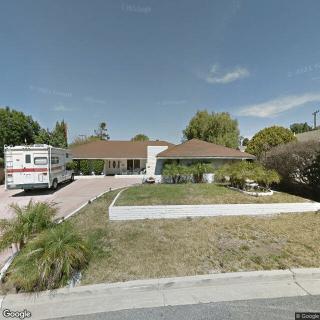
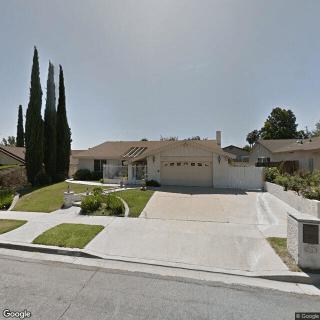
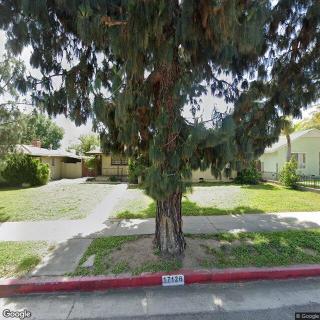
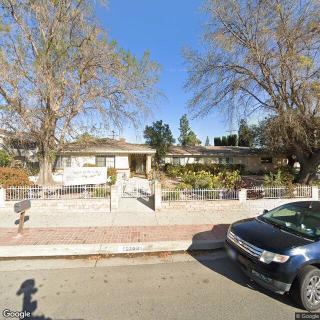
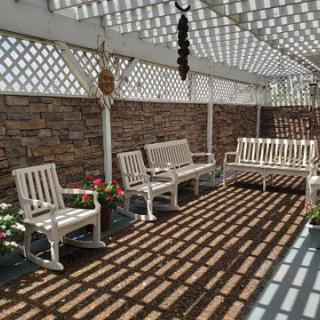
E.M. Care in Granada Hills, CA

Save
E.M. Care

E.M. Care in Granada Hills, CA

Information last verified:

17132 San Fernando Mission Blvd, Granada Hills, CA 91344

For more information about senior living options: (844) 490-3973

4.6 from 132 reviews
5 stars
117
4 stars
1
3 stars
3
2 stars
3
1 stars
8

Seniors.FYI Elite Community Awards

Top 5% Senior Living Community in 2026

Add this award to your website

E.M. Care Costs & Pricing

E.M. Care offers competitive pricing for its services across various room types compared to Los Angeles County and California state averages. The semi-private room at E.M. Care is priced at $2,500, which is significantly lower than the county and statewide averages of $3,349 and $3,333, respectively. For those seeking more privacy, a private room at E.M. Care costs $3,300, which remains below the county's average of $4,197 and the state's average of $3,939. Additionally, their one-bedroom units are priced at $3,500, offering substantial savings compared to Los Angeles County's average of $4,603 and California's average of $4,340. Overall, E.M. Care provides an affordable alternative without compromising on quality amid the rising costs typical in both the county and state.

Floor plansE.M. CareLos Angeles CountyCalifornia
Semi-Private$2,500$3,349$3,333
Private$3,300$4,197$3,939
1 Bedroom$3,500$4,603$4,340

Overall Review of E.M. Care

Pros

  • pro The staff and providers are great.
  • pro Dr. Stanley Azen is amazing and kind.
  • pro The visit went very well.
  • pro The online appointment system is efficient and the staff are friendly.
  • pro The X-ray tech was fabulous.
  • pro The staff are friendly and the doctor is helpful and thoughtful.
  • pro Dr. Azen took his time and explained everything in detail.
  • pro The care is excellent, comprehensive, and transparent.
  • pro The doctor genuinely cares.
  • pro The practitioner was very patient and helpful; there was no rush.
  • pro They deliver the best care they’ve ever received.
  • pro Chris is amazing and very knowledgeable.
  • pro The AFC staff were friendly, professional, and kind.
  • pro The staff stayed beyond closing time to help.
  • pro The service is fast, kind, and helpful.
  • pro The front and back staff are excellent, sympathetic, and fast.
  • pro The place offers great care and support.
  • pro Dr Sosa and his staff are amazing.
  • pro Excellent care from everyone; the provider explained everything and ensured the needed treatment.
  • pro The urgent care feels welcoming; the nurse is nice and the doctor is kind.

Cons

  • pro The doctor refused to prescribe any medicine and told the patient to consult a cardiologist the next day, making urgent care feel pointless.
  • pro The older physician was rude and insulted the patient and their daughter, causing the daughter to cry.
  • pro The receptionist had a bad attitude and the staff seemed more interested in collecting money than helping, with repeated questions and no eye contact.
  • pro The doctor misdiagnosed the patient and ignored urine test findings, leading to an infection that required treatment elsewhere.
  • pro One reviewer felt there was no care for their patients at all.
  • pro A reviewer called the fee a total rip-off and suggested the doctor should retire.
  • pro The facility lacked imaging capabilities (no X-ray or ultrasound), which surprised the patient.

Review

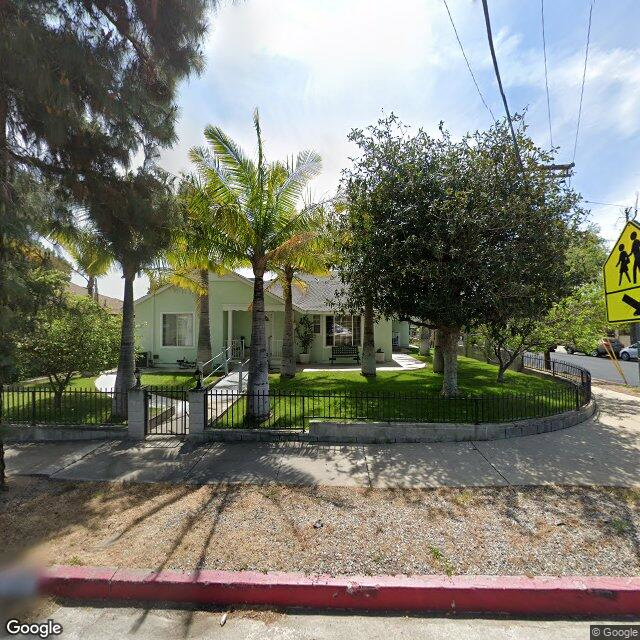
E.M. Care in Granada Hills is best suited for families seeking a small, home-like residential care setting where seniors receive steady, hands-on attention from a stable, close-knit team. The operation feels more like a family-owned home than a medical campus, with a couple running the house and a tight staff that translates into predictable routines, meticulous medication administration, and clear lines of communication. Residents here thrive on daily continuity: home-cooked meals, careful monitoring of health changes, and the reassurance that someone is checking in throughout the day. It’s particularly well-matched for elders who don’t require hospital-level interventions but do need regular support, dignity, and a sense of belonging during aging, illness, or decline. The setting is intimate, with a handful of residents at a time, enabling genuine relationships and easy family visits.

Those weighing alternatives should note this is not the right fit for every senior. For individuals with high-acuity medical needs or complex care plans demanding on-site nursing, frequent emergency interventions, or immediate access to imaging and advanced diagnostics, the limited medical infrastructure of a small board-and-care can be a mismatch. A few reviewers flagged inconsistent doctor interactions or the potential for misdiagnoses, underscoring the importance of coordinating with external providers. Families seeking a bustling social calendar, abundant outings, or extensive on-site amenities may feel constrained here. Likewise, residents needing dementia-specific programming or a larger community with more formal activities may be better served by a bigger assisted-living or memory-care campus. In sum, high medical complexity or a desire for frequent city-style outings points toward alternatives.

The strongest positives, peace of mind, personalized care, and relational warmth, tend to offset the main drawbacks for many families. The core strengths lie in the staff’s compassion, the owners’ hands-on involvement, and a consistent emphasis on respectful, patient interactions. Caregivers are repeatedly praised for taking time with residents, listening carefully, and administering medications with transparency. Cleanliness and a homey atmosphere recur in testimonials, as do in-house meals that are nourishing and customizable. The intimate scale, often a small number of residents, facilitates rapid recognition of changes in condition and tighter coordination with external clinicians. These elements cultivate security and belonging that larger facilities sometimes struggle to achieve. Still, occasional complaints about individual providers remind that consistency and quality can hinge on the person on duty.

A practical frame for evaluating this community is its house-as-home model. The small footprint translates into direct oversight and highly personalized attention, with owners and caregivers forming close relationships with residents. Families consistently highlight a spotless environment, nutritious, home-cooked meals, and meticulous medication records. This approach provides tangible reassurance: updates arrive promptly, and health changes are monitored with respect. However, the same intimate setting imposes limits. Space is modest, privacy is respected, but outdoor areas are not expansive and organized programming is not as robust as in larger campuses. Outings tend to be less frequent, and daily life centers more on a controlled routine than on a heavy activity calendar. For families prioritizing a quiet, predictable, trust-filled home, this structure is compelling; for those craving more social variety, it can feel restrictive.

The care experience shows a mix of stellar moments and unavoidable caveats. Numerous residents commend empathetic nurse practitioners and physicians, clear explanations, and effective symptom management for chronic conditions. The care team is described as patient, professional, and genuinely attentive, with multiple anecdotes about staff staying late to assist families. Yet there are outliers, some reviews recount brusque bedside manner, questions about whether all examinations were thorough, and some administrative lapses. Such variability underscores the necessity of validating a care plan with a trusted clinician and securing explicit, written guidance on medications, diagnostics, and follow-up. When the fit is right, the cohesion between resident, family, and care team yields fewer day-to-day worries about safety, nutrition, and hydration than many other settings.

Bottom line for families weighing options: EM Care stands out as a tightly run, affectionate, and highly attentive home-like option for seniors who benefit from consistent routines, meticulous daily care, and a sense of being truly seen. It delivers reassurance through reliable medication management, transparent communication, and a truly nurturing environment that many families treasure, especially those who value a familial approach and strong caregiver-resident bonds. However, it is not the place for someone requiring aggressive on-site medical care, a large social scene, or intensive dementia programming within a bustling campus. Alternatives to consider include larger assisted living facilities with robust nursing staffs, memory-care communities offering dementia-centered programs, or campuses with more expansive grounds and daily excursions. In deciding, families should confirm staffing ratios, the scope of medical services, and a care plan that aligns with the senior’s medical needs and personal preferences, ensuring that the chosen setting truly fits the desired balance of intimacy, care, and activity.

Features

Types of Care

  • Board and Care Home Board and Care HomeBoard and care homes provide a smaller, more intimate setting for seniors who require assistance with daily tasks but do not need the level of care offered by a nursing home. They offer personalized care, meals, and social activities in a homelike environment, ensuring that seniors receive individualized attention and support in their golden years.
  • Memory Care Memory CareMemory care is crucial for seniors as it provides specialized support and services for individuals with dementia or Alzheimer's disease. These programs offer a safe and secure environment where residents receive personalized care, cognitive stimulation, and help with daily activities. Memory care helps seniors maintain their independence, quality of life, and dignity while also providing peace of mind for their families.

Amenities

  • Activities off-site Activities off-siteEngaging in off-site activities is crucial for seniors to maintain social connections, stay active, and stimulate their minds. It promotes overall well-being and helps combat feelings of isolation and loneliness.
  • Activities on-site Activities on-siteActivities on-site are important for seniors because they provide opportunities for socialization, mental stimulation, physical activity, and overall well-being. Engaging in activities can help seniors stay active, maintain their independence, and improve their quality of life.
  • Air-conditioning Air-conditioningAir conditioning is important for seniors as they are more vulnerable to heat-related illnesses and may have underlying health conditions that make it difficult for them to regulate their body temperature. It helps to keep them comfortable, safe, and healthy in hot weather.
  • Cable or satellite TV Cable or satellite TVCable or satellite TV is important for seniors because it provides entertainment, news, and companionship, helping to combat loneliness and boredom. It also offers a wide range of programming options tailored to different interests and preferences.
  • Devotional services on-site Devotional services on-siteDevotional services on-site provide seniors with spiritual support and a sense of community, as well as an opportunity for reflection and guidance during their senior living experience. This can promote emotional well-being and connection to others, leading to a more fulfilling and enriching lifestyle in their later years.
  • Full kitchen Full kitchenHaving a full kitchen in a senior living facility is important for seniors because it allows them to maintain their independence and prepare their own meals. This promotes healthy eating habits, saves money on dining out, and provides a sense of familiarity and comfort for residents.
  • Indoor common areas Indoor common areasIndoor common areas are crucial for seniors as they provide a space for socialization, recreation, and community engagement, promoting overall well-being and reducing feelings of isolation and loneliness.
  • Outdoor common areas Outdoor common areasOutdoor common areas are important for seniors as they provide a space for socialization, physical activity, and relaxation. Being outside in nature can improve mood and overall well-being, while also encouraging movement and engagement with others. These spaces can help combat feelings of isolation and promote a sense of community among residents.
  • Private PrivatePrivacy is important for seniors as it allows them to maintain their independence, dignity, and sense of control over their own lives. It also gives them the space and freedom to relax, reflect, and engage in activities that bring them joy and fulfillment. Creating private spaces within senior living facilities is crucial for promoting overall well-being and quality of life.
  • Private bathrooms Private bathroomsPrivate bathrooms are important for seniors in senior living communities because they provide independence, dignity, and comfort. Having a private bathroom allows seniors to maintain their personal hygiene routines without the need for assistance, promoting a sense of autonomy and privacy. Additionally, private bathrooms help prevent the spread of infections and provide a safe and clean environment for seniors to navigate safely.
  • Wheelchair accessible showers Wheelchair accessible showersWheelchair accessible showers are crucial for seniors as they provide a safe and independent bathing option for those with mobility challenges. These showers help prevent falls and allow seniors to maintain their dignity and autonomy while ensuring they can bathe comfortably.

Transportation

  • Burbank-Glendale-Pasadena (10 miles away) Burbank-Glendale-Pasadena (10 miles away)
  • Los Angeles International (23 miles away) Los Angeles International (23 miles away)

Care Services

  • Ambulatory care Ambulatory care"Ambulatory care services provide essential medical support and treatment to seniors without requiring hospitalization, allowing them to maintain their independence and quality of life while managing chronic conditions or receiving routine medical care."
  • High acuity care High acuity careHigh acuity care is important for seniors because it provides specialized medical attention and support for individuals with complex medical needs. This level of care ensures that seniors receive the appropriate treatment and assistance to maintain their health and quality of life as they age.
  • Incontinence care Incontinence careIncontinence care is essential for seniors to maintain their dignity, hygiene, and overall quality of life. By addressing incontinence issues promptly and effectively, seniors can enjoy a sense of independence and comfort in their daily activities.
  • Medication management Medication managementMedication management is crucial for seniors to ensure they are taking the right medications at the correct dosages and times. This helps prevent adverse drug interactions, reduces the risk of medication errors, and promotes overall health and well-being. Proactive management also allows for adjustments as needed based on changing health conditions or new prescriptions.

Dining

  • International cuisine International cuisineInternational cuisine is important for seniors because it offers a variety of flavors, ingredients, and cultural experiences that can help keep their meals interesting and enjoyable. Trying new dishes can also stimulate the senses and provide different nutrients that contribute to overall health and well-being. Additionally, exploring international cuisine can bring back fond memories of travels or childhood experiences, making mealtime more nostalgic and fulfilling for seniors.
  • Kosher KosherKosher options are important for seniors because they adhere to dietary laws that are significant to many Jewish individuals, providing them with peace of mind and an opportunity to maintain their cultural traditions and beliefs while living in a senior living community.
  • Low / no sodium Low / no sodiumLow/no sodium options are important for seniors because excessive sodium intake can lead to high blood pressure, heart disease, and other health issues commonly experienced by older adults. By choosing low/no sodium foods, seniors can better manage their health and reduce their risk of developing these conditions.
  • Meals provided Meals provided"Meals provided" are crucial for seniors in assisted living communities as it ensures they have access to nutritious, balanced meals without the stress of meal planning and preparation. This can help promote overall health and well-being for seniors who may have limited mobility or cognitive abilities.
  • No Sugar No SugarNo sugar diets are important for seniors because they can help prevent or manage chronic conditions such as diabetes, heart disease, and obesity. Sugar can also contribute to cognitive decline and inflammation in the body, so reducing sugar intake can lead to overall improved health and well-being in older adults.
  • Restaurant style dining Restaurant style diningRestaurant style dining is important for seniors as it offers them a social and enjoyable dining experience, promotes healthy eating habits, and provides personalized menu options to cater to their dietary needs and preferences. This type of dining setting can enhance their overall quality of life and create a sense of community within the senior living facility.
  • Vegetarian VegetarianA vegetarian diet is important for seniors because it can help lower the risk of chronic diseases, maintain a healthy weight, and provide essential nutrients needed for aging bodies. Additionally, plant-based diets are often easier on digestive systems and can contribute to overall well-being in older adults.

Activities

  • Activities off-site Activities off-siteEngaging in off-site activities is crucial for seniors to maintain social connections, stay active, and stimulate their minds. It promotes overall well-being and helps combat feelings of isolation and loneliness.
  • Activities on-site Activities on-siteActivities on-site are important for seniors because they provide opportunities for socialization, mental stimulation, physical activity, and overall well-being. Engaging in activities can help seniors stay active, maintain their independence, and improve their quality of life.
  • BBQs or picnics BBQs or picnicsBBQs or picnics provide seniors with social interaction, enjoyment of the outdoors, and a sense of community, contributing to their overall well-being and quality of life.
  • Birthday parties Birthday partiesBirthday parties are important for seniors as they provide an opportunity for celebration, socialization, and joy. They allow seniors to feel special and appreciated, boosting their mood and overall well-being. Additionally, birthday parties can help combat feelings of isolation and loneliness by fostering connections with friends, family, and community members.
  • Christian services Christian servicesChristian services are important for seniors because they provide a sense of community, spiritual support, and opportunities for connection with others who share their faith. These services can offer comfort, hope, and guidance as seniors navigate the challenges of aging and find meaning and purpose in their lives.
  • Day trips and outings Day trips and outingsDay trips and outings are important for seniors as they provide opportunities for socialization, mental stimulation, physical activity, and a break from daily routines. These experiences can enhance overall well-being and quality of life for older adults living in senior communities.
  • Devotional activities on-site Devotional activities on-siteDevotional activities on-site provide seniors with a sense of community, spiritual fulfillment, and emotional support, promoting overall well-being and a positive sense of purpose in their lives.
  • Holiday parties Holiday partiesHoliday parties are important for seniors because they provide opportunities for socialization, community involvement, and mental stimulation. These festive events offer a sense of belonging and connection during a time that can be lonely for many older adults. Additionally, participating in holiday celebrations can boost mood and overall well-being for seniors living in senior living communities.
  • Protestant services Protestant servicesProtestant services are important for seniors because they provide spiritual nourishment, community support, and a sense of belonging. These services can help seniors connect with others who share their faith, find comfort and guidance in times of need, and maintain a sense of purpose and fulfillment in their later years.
  • Stretching classes Stretching classesStretching classes are important for seniors because they help improve flexibility, reduce the risk of injury, and promote overall health and well-being. Regular stretching can also help alleviate joint pain and stiffness, enhance balance and coordination, and increase range of motion.

Description

E.M. Care in Granada Hills, CA is an assisted living community that specializes in Memory Care for seniors. Our community offers a range of amenities designed to enhance the comfort and well-being of our residents. These include activities on-site, air-conditioning, cable or satellite TV, devotional services on-site, full kitchen facilities, indoor and outdoor common areas, private accommodations with private bathrooms, and wheelchair accessible showers.

At E.M. Care, we provide various care services to meet the individual needs of our residents. This includes high acuity care for those with more complex medical requirements, incontinence care to assist those with bladder control issues, and medication management to ensure the proper administration of medications.

We understand the importance of nutrition and offer dining options that cater to specific dietary needs. Our menu includes kosher meals as well as options for low/no sodium, no sugar, and vegetarian diets. Residents can enjoy restaurant-style dining in a comfortable setting.

Engaging activities are an integral part of life at E.M. Care. We offer a diverse range of options such as BBQs or picnics, birthday parties, day trips and outings to local attractions, devotional activities on-site for spiritual enrichment, holiday parties to celebrate special occasions, Protestant services for religious observance, and stretching classes for physical wellness.

Our location in Granada Hills provides convenience with several amenities nearby. There are numerous cafes, parks, pharmacies, restaurants within close proximity of our community. Transportation options are readily available for easy access to surrounding areas. Additionally, places of worship and theaters are also located nearby should residents wish to explore cultural or religious activities. Hospitals in the vicinity provide reassurance that medical assistance is easily accessible when needed.

At E.M. Care in Granada Hills, CA we strive to provide a caring and supportive environment where seniors can thrive while receiving quality memory care services tailored to their unique needs.

Nearby Places of Interest

This part of Granada Hills, California offers a range of amenities that cater to seniors looking for convenience and accessibility. With several hospitals and medical centers located within a short distance, including Rinaldi Convalescent Hospital and Providence Holy Cross Medical Center, residents have access to quality healthcare services. In addition, there are multiple pharmacies nearby for easy prescription pickups. For dining options, there is a variety of restaurants like Sugar Suite and Wood Ranch BBQ & Grill to satisfy different tastes. The area also features cafes such as Starbucks and Porto's Bakery & Cafe for leisurely outings. Parks like O'Melveny Park and Lake Balboa Park provide opportunities for outdoor recreation and relaxation. Places of worship like Immanuel Bible Church are available for spiritual fulfillment, while the AMC Porter Ranch 9 theater offers entertainment options. For transportation, there is the Van Nuys FlyAway Bus Terminal to LAX and Van Nuys Airport for travel needs. Overall, this area of Granada Hills offers a well-rounded community with essential services and recreational activities for seniors to enjoy their retirement years.

Hospitals

  • Rinaldi Convalescent Hospital (0.9 miles)
  • Veterans Administration (2.3 miles)
  • Tebi, Sina Dr - Providence Holy Cross Medical Center Diabetes Education (2.7 miles)
  • Olive View Ucla Medical Center (5 miles)
  • Kaiser Permanente Emergency (5.7 miles)

Restaurants

  • Sugar Suite (1 miles)
  • Del Taco (1.1 miles)
  • In-N-Out Burger (1.5 miles)
  • McDonald's (2.2 miles)
  • McDonald's (2.7 miles)
  • In-N-Out Burger (3.5 miles)
  • Wood Ranch BBQ & Grill (3.5 miles)

Pharmacies

  • Rite Aid (1.1 miles)
  • CVS Pharmacy (1.2 miles)
  • Walgreens (2 miles)
  • CVS Pharmacy (2.1 miles)
  • CVS Pharmacy (2.6 miles)
  • Rite Aid (2.6 miles)
  • CVS Pharmacy (3.3 miles)

Cafes

  • Starbucks (1.3 miles)
  • Starbucks (1.5 miles)
  • Porto's Bakery & Cafe (3.8 miles)
  • Starbucks (4.4 miles)
  • Starbucks (4.5 miles)
  • Winnetka Bowl (6.6 miles)
  • Honu Coffee (7.6 miles)

Parks

  • O'Melveny Park (2.4 miles)
  • Holleigh Bernson Memorial Park (3.9 miles)
  • Lake Balboa Park (5.9 miles)
  • Chatsworth Park North (6.1 miles)
  • Parthenia Park (6.1 miles)
  • Encino Bike Path (6.3 miles)
  • Playground (6.9 miles)

Places of Worship

  • Immanuel Bible Church (3.2 miles)

Theaters

  • AMC Porter Ranch 9 (3.7 miles)

Transportation

  • Van Nuys FlyAway Bus Terminal to LAX (4.5 miles)
  • Van Nuys Airport (VNY) (4.9 miles)

Physicians

  • Mid-Valley Comprehensive Health Center (5.5 miles)
  • Southern California Orthopedic Institute (5.9 miles)
  • UCLA Health Woodland Hills (8.2 miles)

Frequently Asked Questions

How much does it cost to live at E.M. Care in Granada Hills, CA?
Where is E.M. Care?
Does E.M. Care provide care for residents with dementia or Alzheimer's disease?

Nearby Communities

  • TLC Home Care Services

    TLC Home Care Services

    Granada Hills, CA


    pro Vibrant assisted living with easy access to amenities, healthcare, dining, and parks.
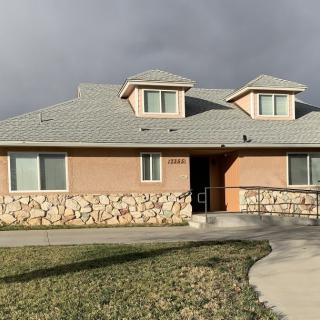
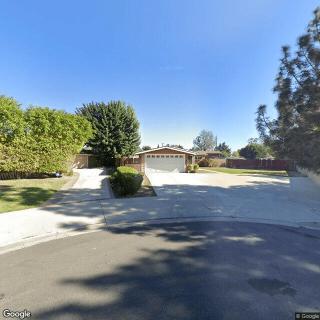
  • Granada Golden Years

    Granada Golden Years

    Granada Hills, CA

    1 from 1 review
     

    pro Intimate board-and-care with 24/7 supervision, ADL support, diabetes-friendly dining, and convenient amenities.

  • Horace Assisted Living

    Horace Assisted Living

    Granada Hills, CA

    3.7 from 3 reviews
    $2,800 to $4,000 / month

    pro Small, intimate 6-bed community with private rooms and restaurant-style dining.

  • Elysium Residential Care

    Elysium Residential Care

    Granada Hills, CA

    5 from 4 reviews
    $5,500 / month

    pro Caring staff with a strong community reputation and personalized care.

  • Senior Helpers - Granada Hills,  CA

    Senior Helpers - Granada Hills, CA

    Granada Hills, CA

    4.6 from 14 reviews
     

    pro Strong caregiver matching and reliable, supportive staff.

  • Royalty Assisted Living II

    Royalty Assisted Living II

    Granada Hills, CA

    5 from 6 reviews
     

    pro Small, personalized setting with 24-hour supervision, ADL assistance, diabetes-friendly meals, and medical transport.

  • Casitas Care Center

    Casitas Care Center

    Granada Hills, CA

    3 from 45 reviews
     

    pro Friendly staff and engaging activities with extensive on-site amenities.

  • Angels of the Valley Board & Care

    Angels of the Valley Board & Care

    Northridge, CA

    4.9 from 7 reviews
    $3,000 to $9,548 / month

    pro Quality meals and friendly, reliable staff in a clean, well-maintained setting.

  • Pacifica Senior Living Northridge

    Pacifica Senior Living Northridge

    Northridge, CA

    4.8 from 84 reviews
    $2,965 to $3,665 / month

    pro Caring staff in a welcoming, active community.

Related Resources

  • does my mom have dementia quiz5 Early Indicators of Dementia and What You Can Do

    The content outlines five key early indicators of dementia, including significant memory loss and confusion about time and place, while emphasizing the need for professional evaluation and emotional support for both individuals showing symptoms and their caregivers. It encourages family members to monitor these signs closely and use online quizzes for initial awareness.

  • when should someone with dementia go into a care home8 Important Indicators That Memory Care May Be Necessary

    The article highlights eight indicators that a loved one with dementia may require specialized memory care, emphasizing the emotional and logistical challenges families encounter in this decision. It discusses signs such as difficulties with daily tasks, safety concerns, and caregiver burnout, suggesting that memory care facilities can provide the necessary support and structured environments for those experiencing cognitive decline.

  • what do dementia patients think aboutDelving into the Inner World of Dementia: Insights into Thoughts and Awareness

    Dementia, primarily caused by Alzheimer's disease but also linked to other conditions, leads to cognitive decline impacting memory and daily functioning, with individuals experiencing varied awareness of their impairments. Despite memory loss, emotional connections persist, enabling responses to familiar stimuli, highlighting the need for caregivers to provide compassionate support that recognizes both limitations and retained emotional depth.